• Skip to primary navigation
  • Skip to main content

ACE

Upstate Alliance for the Creative Economy

  • HOME
  • ABOUT
  • NEWSLETTER
  • SUBSCRIBE
  • JOBS
  • Show Search
Hide Search

Saratoga

SARAH PEDINOTTI’S MANTIS SHRIMP MATRIX EXPLORES RADICAL REALITIES

October 12, 2026 By Corey Aldrich

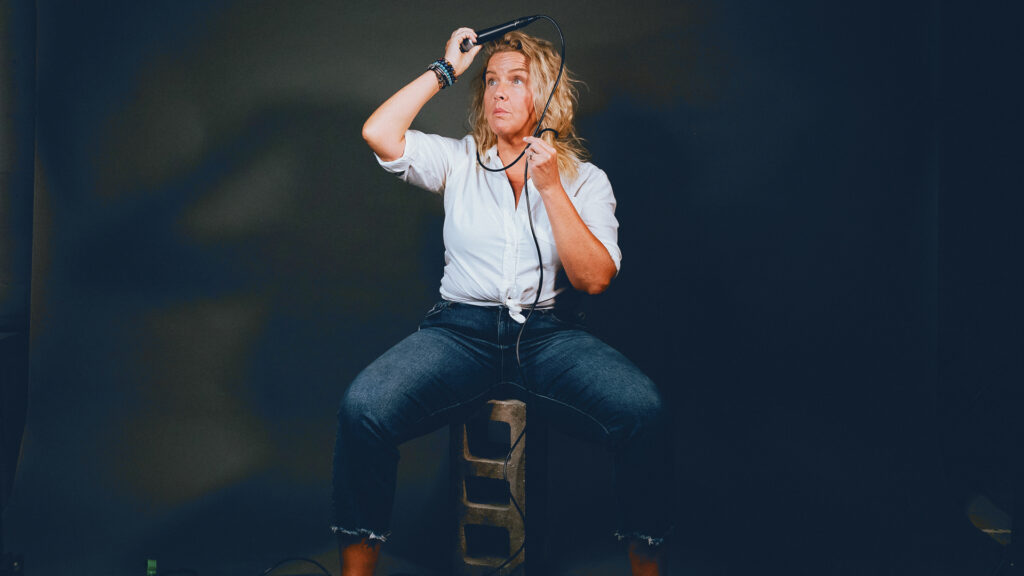
So many years ago now, I met Sarah Pedinotti playing a live music gig downtown for the opening of Sculpture in the Streets in Albany. This was back when Tom Birdsy was Principle at Einhorn Yafee Prescott (EYP), an anchor / international architectural firm in downtown. Fast forward many years and Sarah (LIP TALK) is now flexing as a seasoned international artist with her project ‘Youngworld: The Mantis Shrimp Matrix’. This multi-media installation recently debuted in the United States after a successful run in Bangkok, where it was originally conceived, and Tokyo. The work combines site-responsive sound design, electronic visual elements and a sculptural environment built from discarded and ocean-bound materials, exploring human relationship with the natural environment through the lens of an anthropomorphized Mantis Shrimp.
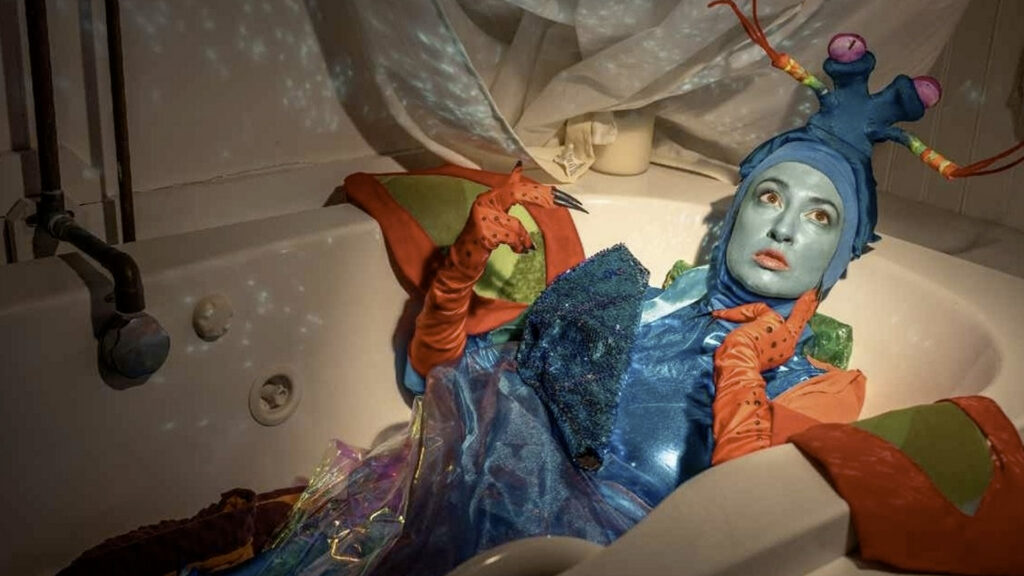
Please state your name, what it is that you do and a little about your educational background and how you came to your practice.

My name is Sarah Pedinotti. I make music under the name LIP TALK, and I’m an interdisciplinary artist working across sound, installation, performance, film, and sensory experience. I started as a musician, composer, and producer, and over time I’ve learned to follow an idea into whatever medium it seems to require. I think I’ve always learned by being in the middle of things. I grew up in my family’s restaurant and started bussing tables when I was twelve. I was also singing and sitting in with the musicians at that time. One of my early mentors was Lee Shaw, the extraordinary jazz pianist and composer who was based here in the Capital Region. That kind of direct mentorship shaped me enormously.
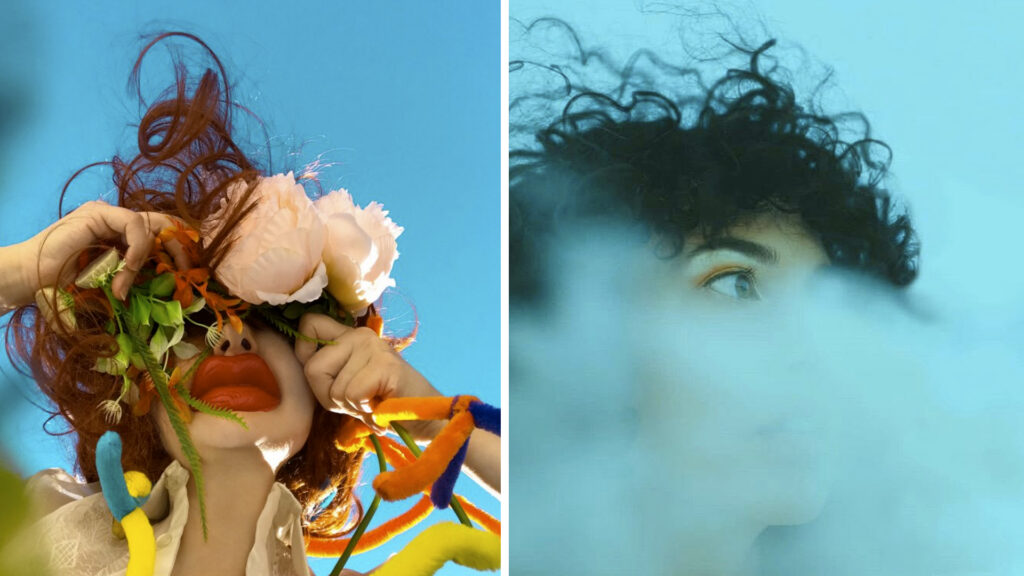
Lip Talk on Northern Spy Records | Left to Right –
Laughing and Eating Cake – Image : Walter Price
Days – Image : Provided

From there, my education became a mixture of mentorship, formal study, and just doing the work. I received a scholarship to study contemporary writing and production at Berklee, and later studied philosophy and anthropology through Harvard Extension. But I’ve probably learned just as much through making records, touring, collaborating, and putting myself in situations where I don’t already know how to do the thing I’m trying to do.

That’s still how I work. If an idea leads me into circuitry, modular synthesis, filmmaking, movement, sculpture, or another field entirely, I follow it. I’m interested in what happens when knowledge from different worlds gets put into conversation.
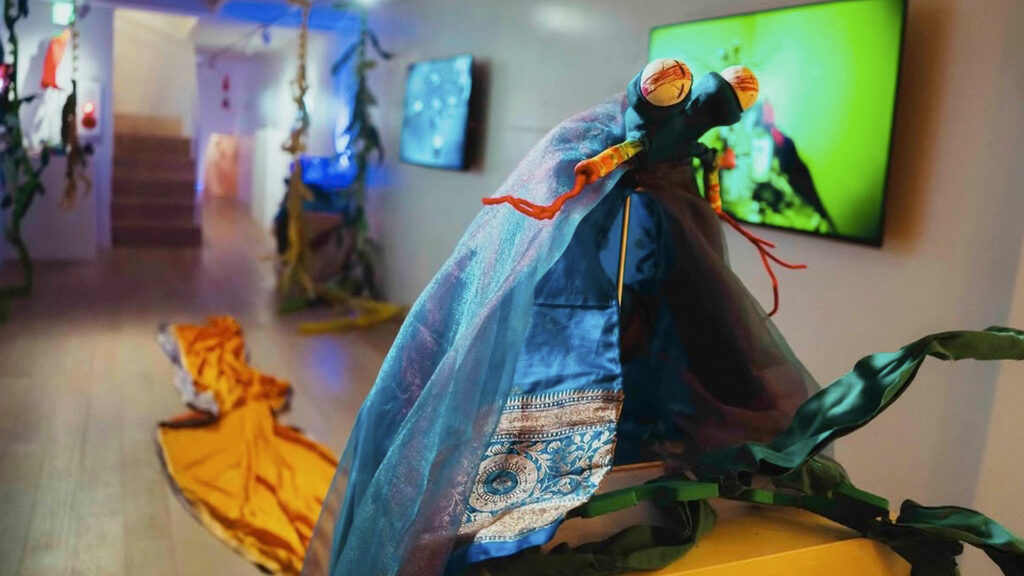
Shrimp Matrix Project Install, Tokyo Japan | Image: Manimanium

Can you explain a bit about the genesis of the Mantis Shrimp Matrix project?

Mantis Shrimp Matrix began as an attempt to imagine a reality I cannot access. I became fascinated by the mantis shrimp because its visual system is extraordinarily complex and radically different from ours. Its lineage stretches back roughly 400 million years, and it has evolved sensory capacities that feel almost like superpowers from a human perspective. I started wondering: could I translate even one aspect of that sensory world into something my body could perceive?

While I was living in Bangkok, I worked with composer Pradit Saengkrai and technologist Thida Choowong at Rangsit University to build a system using infrared sensors, Arduino hardware, and modular synthesis. The sensor could detect information in the environment that our eyes weren’t perceiving and translate it into sound. It was rudimentary, but it was thrilling. At the same time, I had built this ridiculous mantis shrimp helmet that visitors were supposed to wear, with sensors inside it. The night before the exhibition opened, I couldn’t get it to work. I stayed up all night and made a guided meditation instead, asking people to grow mantis shrimp eyes in their imagination. That failure completely changed the project. I had been trying to build a machine that could extend human perception, and suddenly I realized that the instrument I was most interested in was the imagination.

I started by asking about the mantis shrimp’s evolutionary superpowers and the project began turning that question around: what are ours? Imagination is certainly one of the extraordinary capacities we have. We can imagine an experience we’ve never had. We can imagine another person’s perspective, another creature’s world, something that doesn’t exist yet.

But there’s a shadow side to that capacity too. Human beings create systems, categories and shared realities so powerful that we can begin to mistake them for reality itself. We inherit ideas about what is normal, what is valuable, what belongs where, which lives we notice, and what counts as waste. So the project started turning the lens back on us. If the world I perceive through this particular human body is only one version of reality, then maybe the human world I’ve inherited isn’t as fixed as it sometimes feels either.
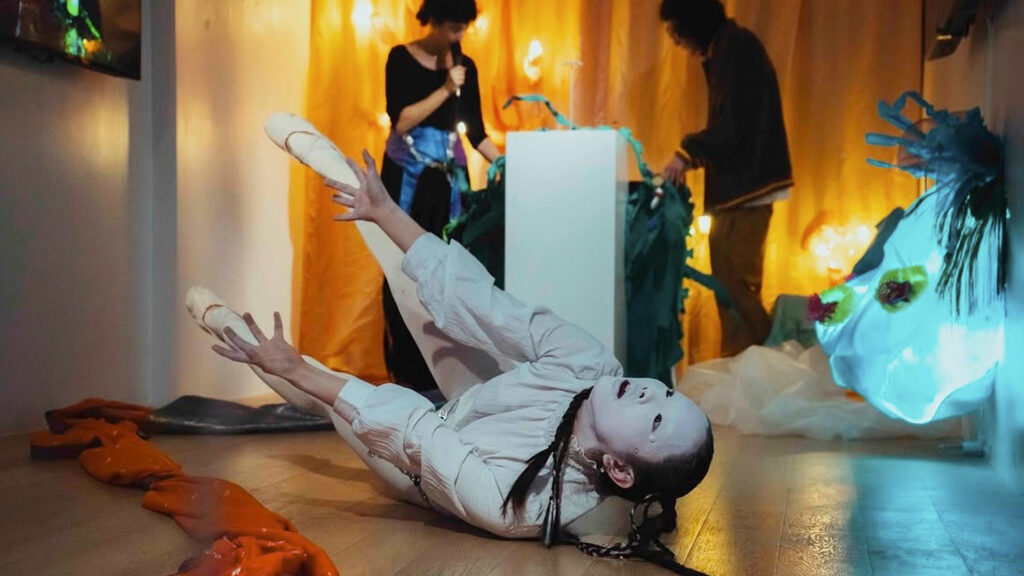
Shrimp Matrix Project Performance in Tokyo, Japan | Image: Manimanium

What are you hoping to accomplish with this traveling exhibition?

I actually think of Mantis Shrimp Matrix less as one exhibition that moves and more as a framework for making many different exhibitions around the same evolving inquiry. I’ve spent a lot of my life touring in bands, and touring usually works something like: “Hey, I made this thing. Now I’m going to bring it to your city.” With this project, I’m interested in almost the opposite approach. I arrive with an inquiry: What happens when I bring this question here? What materials are here? What do the insects and birds sound like here? What wisdom exists here? Who is here? What do they do here? What is indigenous to here? What happens when a mantis shrimp encounters this place?

So every iteration is different. I build with materials discarded in that region and make field recordings of the life around me. The performance work responds to the place too: I inhabit this mantis shrimp character and take it out into the world, interacting with people and documenting what happens. I invite local musicians, performers, scientists, students, environmental organizations, and other artists into the project. Performances, workshops, conversations and experiments grow around the installation. The community and the environment change the work every time. That’s become increasingly important to me because imagination doesn’t have to remain private. You imagine something and put it into the world, somebody else encounters it and brings something you couldn’t have brought yourself…the original idea changes.

There is ecological grief in the work, and I don’t want to turn away from the darker side of our impact. I’m literally asking people to walk into a room and look at a wondrous display of our trash. But there’s also humor, play, music, sensuality, absurdity, and a lot of joy. I want to create a space where those things can coexist, because maybe that’s how we stay present with something painful without becoming numb to it. I’m interested in creating spaces where curiosity can become collective and where we can look honestly at the mess we’re in, together. I’m realizing that I approach the whole project the way I’ve always approached improvising music: you listen closely, you respond to what’s happening in real time around you, and in that moment you’re present enough to let it change you.
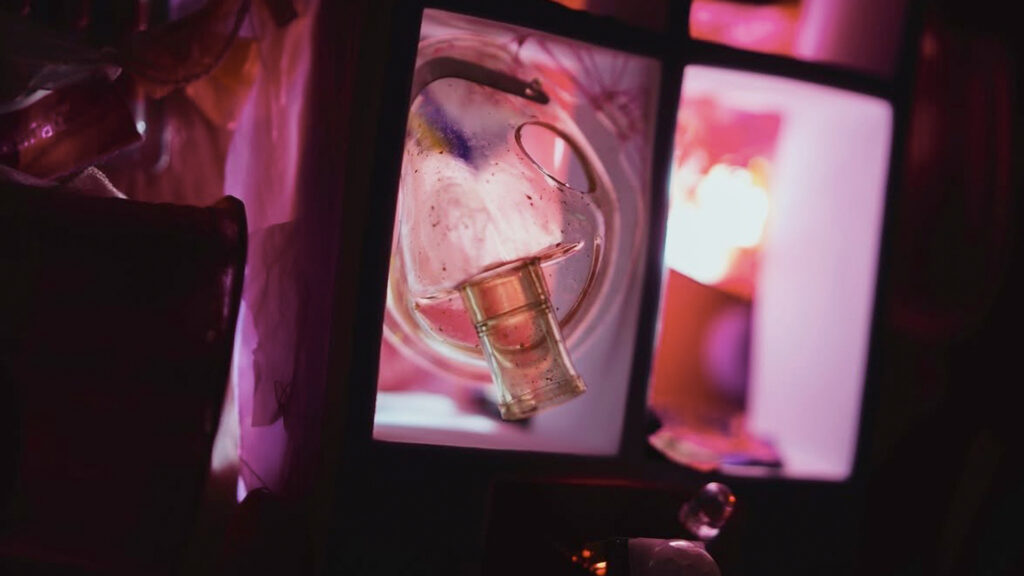
Shrimp Matrix Project Installation Detail, Tokyo Japan | Image: Manimanium

Now that you are back in the States, how do you see this as having continued importance?

Coming back to the United States has made the project feel more connected. One of the things that affected me deeply in Southeast Asia was realizing that waste is global everywhere though we experience it as local. We throw something “away,” and that word creates this strange illusion that it has left our world. But there is no away. Our waste moves through neighborhoods, countries, economies, bodies, rivers and oceans. The consequences may disappear from our view, but they don’t disappear. That’s part of why it felt important to bring this inquiry home. In Saratoga, I built with materials reclaimed from the Capital Region waste stream. As the project continues to move, I want each installation to carry the material fingerprint of the place where it exists. What are we consuming here? What are we throwing away? What does our trash reveal about the systems we’re living inside? That also creates a connection between places that might otherwise seem very far apart. A piece of packaging in Bangkok can look almost identical to something I find in New York because we’re participating in the same systems. The scale of those systems can feel completely overwhelming. It’s easy to wonder what difference it makes whether I use a plastic straw when the problems are so much bigger than one person’s choice. And I think both things are true. Changing a straw isn’t going to fix a global system, but the systems we live inside are also being reinforced through millions of ordinary decisions, relationships and assumptions every day.

That’s where imagination comes back into the project for me. What role does imagination play in our evolution? I’m interested in smaller ripples that remind me to be in community. We inherited these systems, we participate in them, and we’re also continually making them. That means we’re not outside the mess, but we’re not powerless inside it either. We are incredibly young as a species, capable of extraordinary destruction, but also perhaps still learning how to be this animal. I might be building a coral reef sculpture with a plastic straw, but what I’m really asking is what kind of species we are practicing becoming.
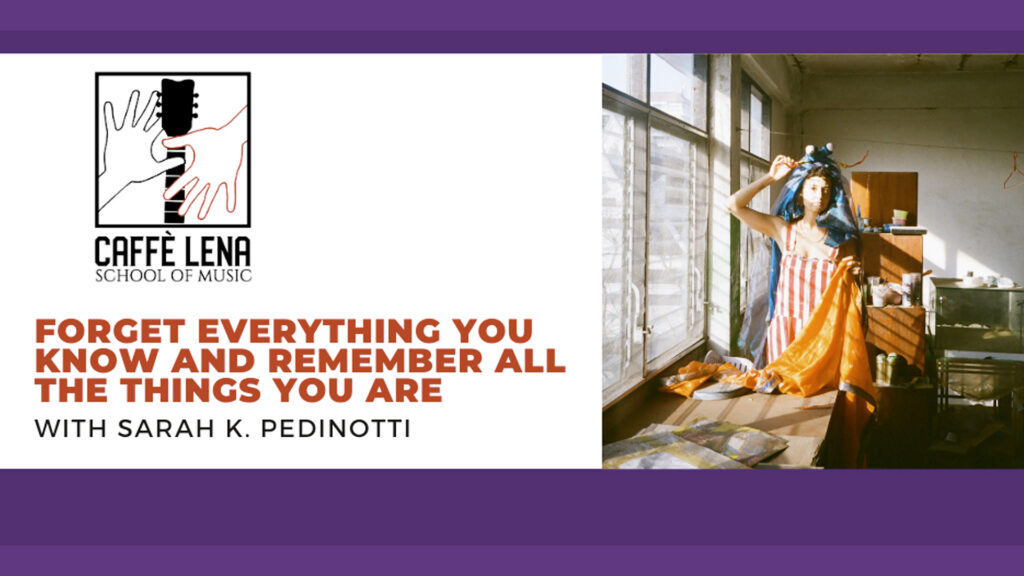
Caffè Lena School of Music Workshop : Forget Everything You Know and Remember All the Things You Are

What’s next for you?

I’m about to enter a residency at Yaddo, which feels like an important moment because I’ll have concentrated time to ask what the next form of this work wants to be. Mantis Shrimp Matrix has grown enormously since that first installation in Bangkok, and I’m interested in letting some of these ideas around perception, embodiment, sound, material memory, and ecological interdependence move into new forms.

Before that, I’m bringing a small piece of Youngworld to the Empire Arts Summit at The Egg in Albany. I’ll be making new edits of some of the films and bringing in sound from the Saratoga installation to transform a little corner of The Egg. I’m excited to let the work have another life there and to reconnect with the larger New York arts community.

I’m also teaching a workshop at Caffè Lena in November called Forget Everything You Know and Remember All the Things You Are. It begins with a question I’ve been thinking about a lot: Who were you before the world told you who to be? It’s another way of exploring imagination as a tool for seeing outside the systems we’ve inherited. And then the work is starting to move beyond the exhibition itself.

My partner, MUEBON, a Thai street artist, and I are in the early stages of forming a nonprofit at the intersection of art, community, and habitat restoration. We’re developing projects in Okinawa and on Ko Sichang in Thailand that bring artists, scientists, and local communities together around marine restoration. One of those projects has a story that feels almost impossible to me. Earlier this year we met Inson Wongsam, a celebrated Thai artist now in his nineties. Nearly sixty years ago, while living in New York, he witnessed industrial pollution being dumped into the ocean off Long Island and designed sculptural structures meant to be submerged underwater to become habitat for marine life, but wasn’t able to secure the funding to realize them. We’re now working with a community-run marine conservation center on Ko Sichang to explore bringing those designs into the ocean using a material that coral can grow on.

There’s something very moving to me about an idea traveling across generations and oceans like that. In the late 1960s, a Thai artist in New York witnesses industrial waste entering the ocean and imagines art becoming habitat. Nearly sixty years later, a New York artist in Thailand is making work in response to ocean waste, and our paths cross. Now that idea is entering into a new conversation with a community working to restore marine life on Ko Sichang, and we’re seeing what it might become there.

Finally, I’m continuing to make music too. Sound and improvisation are really at the foundation of how I work. Guitarist Xander Naylor and I are beginning to organize a series of improvised performances with collaborators in Mumbai, Hong Kong, Tokyo, and Thailand next year, continuing this practice of listening and responding to a place in real time. I’m also developing the guided meditations I’ve created for Mantis Shrimp Matrix into standalone sound works, so they can exist both within the installation and be experienced independently.

WEB: liptalk.space
SPECIAL FEATURE : Exploring Community Mental Health and Therapeutic Expressive Arts with C.R.E.A.T.E.

April 25, 2026 By Corey Aldrich

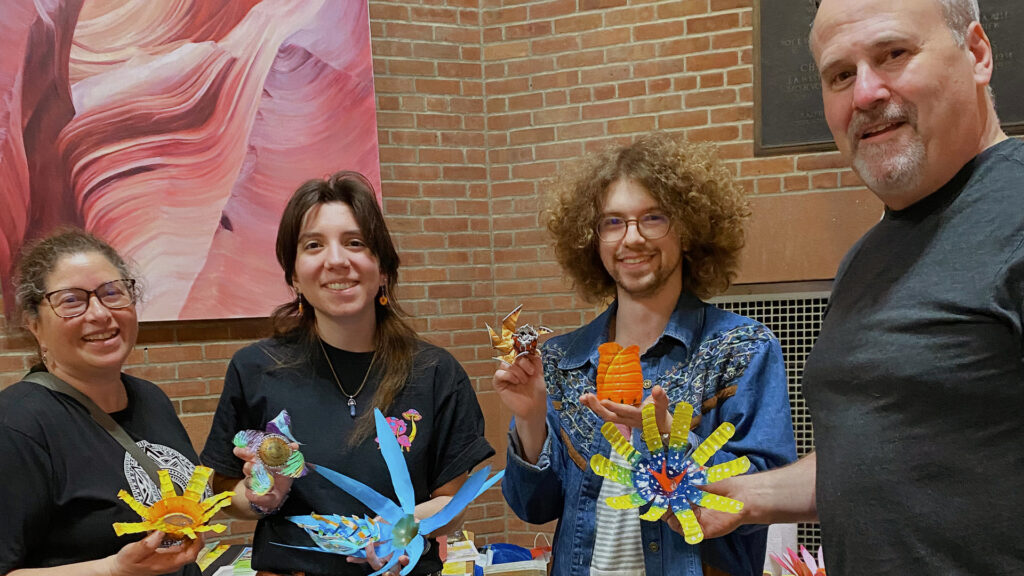
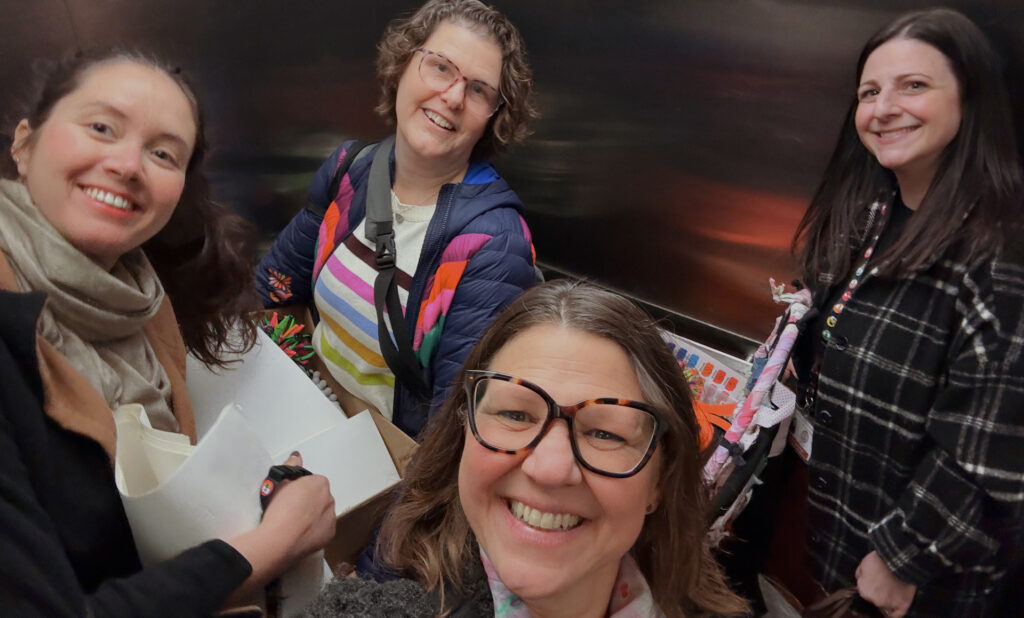
The C.R.E.A.T.E Community Studios Team | Photo: Provided

GUEST CONTIBUTORS:
Guest Contributors: Julie Thompson Lewis – Masters of Science, Co-Founder | Heather Hutchison – Transpersonal Counseling Psychology : Concentration in Art Therapy (LCAT, ATR-BC), Executive Director and Co-Founder | C.R.E.A.T.E. Community Studios

May is Mental Health Awareness month, a perfect opportunity to highlight how art has the unique ability to help all of us in our mental wellness. Every month, more quantitative scientific research confirms what we, as creatives, know intrinsically: Engaging in the creative arts is healing for us personally. AND we believe it can heal communities.

Across the Capital Region, we at C.R.E.A.T.E. (Capital Region Expressive Arts, Transformation & Empowerment) Community Studios have been redefining how communities approach mental health since 2017. We blend creativity with community care to offer welcoming spaces where individuals of all ages and abilities can explore healing through art. At a time when mental health challenges are increasingly visible, we see therapeutic expressive arts as both a preventive and restorative tool for community well-being.

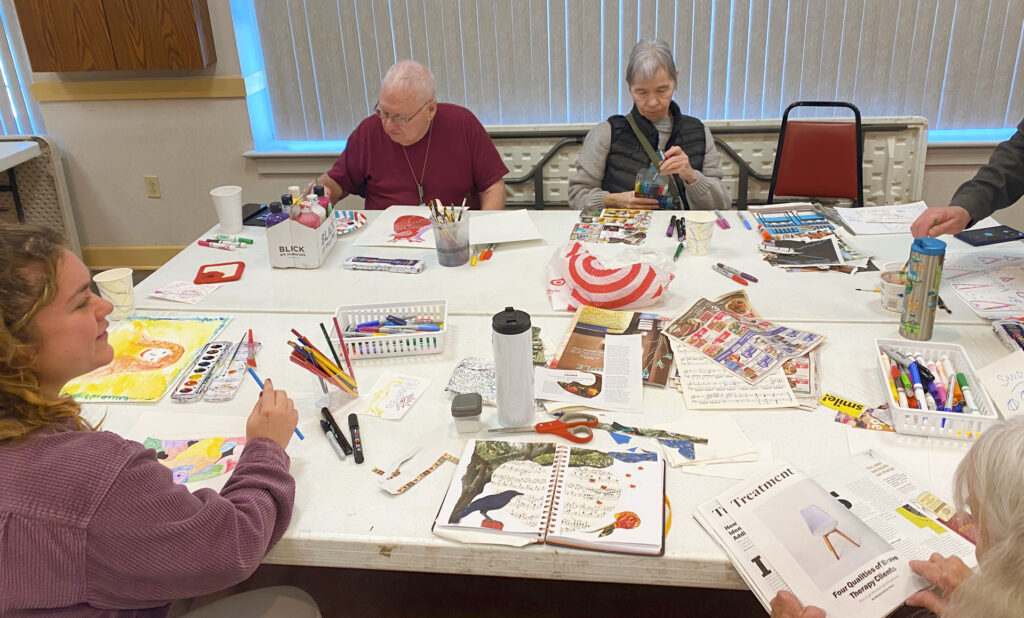
Workshop Event at C.R.E.A.T.E. Community Studios | Photo: Provided

As co-founders, we started C.R.E.A.T.E. because of the lack of resources specifically devoted to mental health and art in the Capital Region. After our clients left treatment programs that offered clinical art therapy, we looked for resources to recommend to them. When we realized nothing else existed in our area, we built it ourselves. Our programs create pathways for people to move out of isolation and into connection. What makes our organization unique is that all our facilitators have backgrounds in special education, somatic work such as yoga and body-based healing, art therapy, or related fields.

Therapeutic expressive arts—a practice rooted in the belief that creativity fosters emotional release, self-awareness, community connection, and personal growth—sits at the core of our programming. Unlike traditional mental health programs, these approaches emphasize process over product, inviting participants to engage in painting, movement, music, and writing without pressure or judgment. We guide participants in connecting with their inner experiences, helping to regulate the nervous system and build resilience through creative exploration.

Open Studio at C.R.E.A.T.E. Community Studios | Photo: Provided

We often hear from community members that their experiences in our workshops are transformative. For some, it’s a first step toward addressing long-held stress or trauma; for others, it becomes a consistent practice that supports ongoing mental wellness and combats social isolation. “I feel safe here,” is a common response from our participants. 

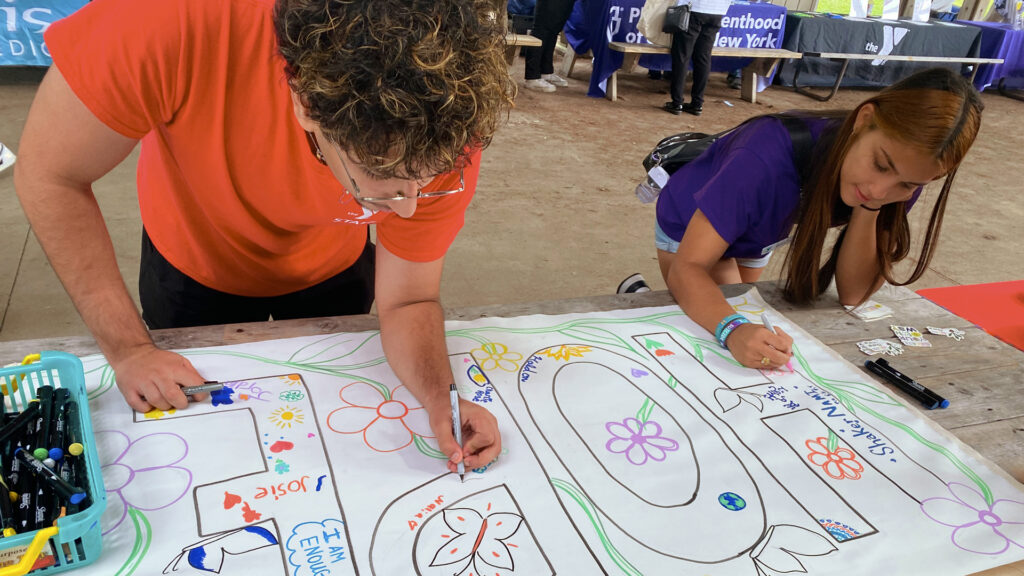
Our programs range from open studio sessions to specialized offerings exploring various media such as ceramics, painting, and songwriting. Another emphasis of ours is community connection through public art. Public art has the power to engage community members in making art, and activate the spaces they live in. For example, our upcoming “ALCO Tunnel Tile Mosaic” in Schenectady combines community-made artwork into a functional public art space.  In Saratoga, we have been collaborating with artists from Black Dimensions in Art and local filmmaker Careina Yard on Erasing Spaces and Faces: The Legacy of Urban Removal in Saratoga Springs, a multidisciplinary social practice project that explores the devastating effects of the displacement and erasure of Black and Brown communities through “urban removal,” a little-known part of the history of Saratoga Springs. By making these experiences affordable, accessible, and inclusive, we are working towards healing in community, bringing joy to our public spaces, and reducing stigma around mental health care.

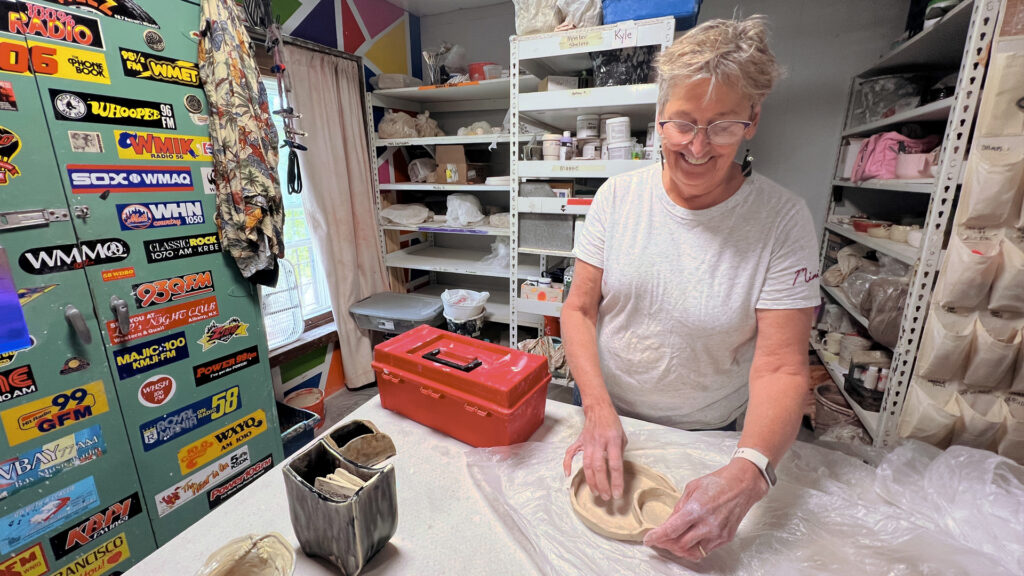
Ceramic Studio at C.R.E.A.T.E. Community Studios | Photo: Provided

Our impact extends beyond individual participants. Through partnerships with schools, small businesses, and nonprofits, we bring expressive arts directly into community spaces. During May, Mental Health Awareness Month, we collaborate on community events and public workshops that encourage dialogue, connection, and mental wellness. Our signature event, CREATE-a-Thon, will be held on May 9 from 1 pm to 9 pm at our Schenectady studio location. These efforts not only raise awareness and bring people together, but also help build sustainable, grassroots models for supporting mental health.

As conversations around mental health continue to evolve, we believe deeply in the power of creativity as a collective healing force. By centering expressive art as a pathway to wellness, we are helping to build a more connected, compassionate community—one brushstroke, breath, and shared experience at a time.

Doodling at a Tabling Event with C.R.E.A.T.E. Community Studios | Photo: Provided

ABOUT C.R.E.A.T.E COMMUNITY STUDIOS

C.R.E.A.T.E. Community Studios has four studios in three locations in the Capital Region – 70B Beekman Street in Saratoga Springs, 621 River St. in Troy, 140 Erie Boulevard (main studio) in Schenectady, and 140 Erie Blvd #W105 (ceramics studio) in Schenectady. Look for C.R.E.A.T.E. out and about in your community as well – we often show up at your local farmers market, street festivals, and libraries. To learn more or sign up for our monthly newsletter, hit up our website.

WEB: createcommunitystudios.org | IG: @createcommunitystudios

METROLAND (NOW) : Revival of a Capital Region Institution

October 9, 2024 By Corey Aldrich

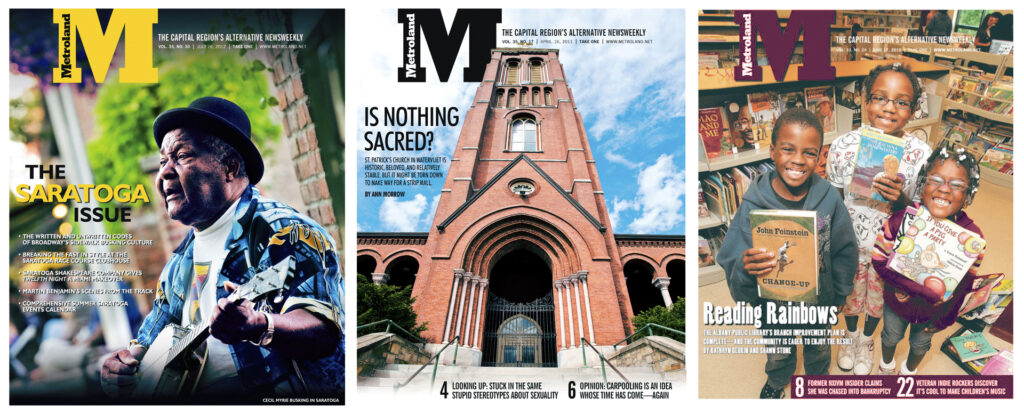
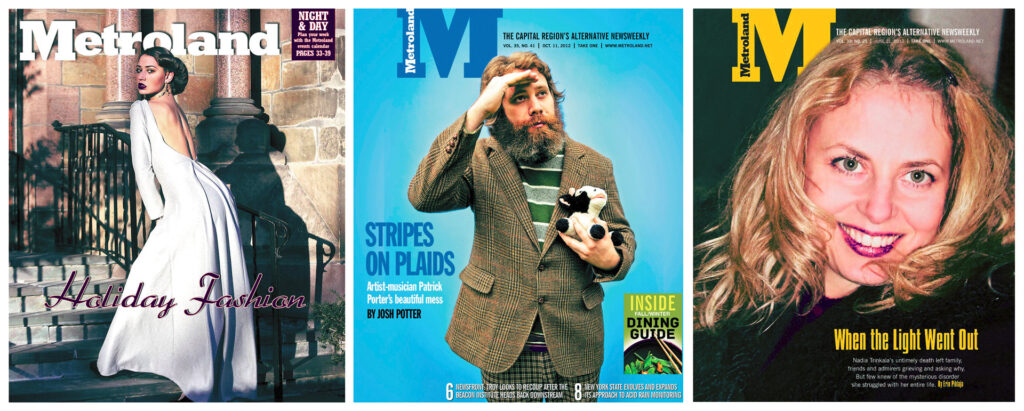
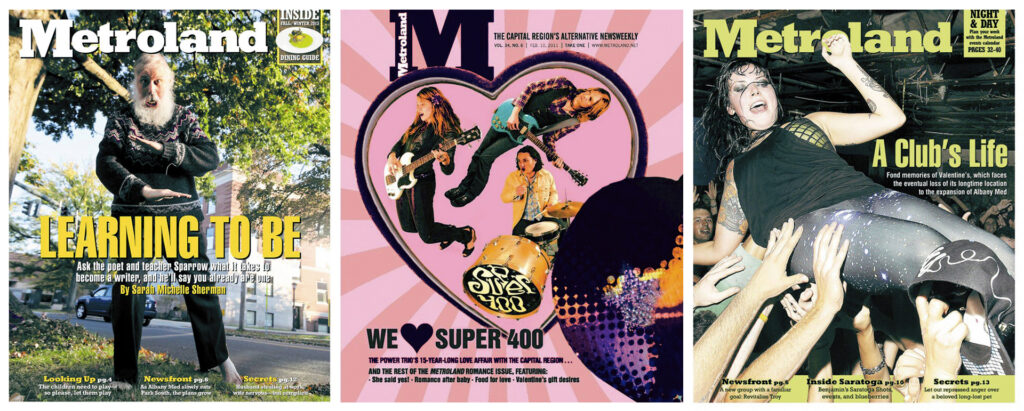
Like the glory days of First Friday, METROLAND played such an important part in the creative discovery of what the Capital Region had to offer. Every week I remember picking up a copy (Usually at Tess’s Lark Tavern) and scanning through it to plan my weekend activities. While there are some other sources of arts and cultural listings in the region where you can find out things that are happening and get good interviews and background (Radio Radio X and Nippertown) METROLAND was always a gold standard for finding out where and what was happening from the above to underground scenes. Musician / Comedian Erin Harkes is looking to bring back that energy and has secured the brand for a new rendition as retooled as METROLAND NOW. The question is, what will she do with it?

Erin Harkes : Musician, Comedian and Publisher at METROLAND NOW | Photo: Kiki Vassilakis

Could you state your name, title and background?

Erin Harkes. Multi-hyphenate 😉 Musician, Comedian, and now publisher!

As an entertainer who has spent over two decades in the capital region, navigating every twist and turn the industry has presented, continuously adapting and reinventing myself along the way. The constant throughout this journey has been the significance of marketing. While the methods of marketing may evolve, the essential need for it remains unchanged.

Many people often ask why I haven’t relocated to a larger city. It’s a complex question. Perhaps it stems from a sense of contentment or, by some accounts, complacency. It’s undeniable that bigger cities offer opportunities that may not be available here, yet I have consistently found ways to create my own paths. Instead of commuting to places like Boston or NYC every time I want to showcase my comedy, I decided to take matters into my own hands by producing shows specifically to provide myself with performance opportunities. I’ve approached music in a similar fashion, and now, I’m venturing into publishing as well with METROLAND NOW.

Historic METROLAND Covers | Photo(s): Facebook

To many of us who have been around the region for a while, METROLAND was a gold standard for the arts and cultural sector (and activism). I was so disappointed to see it go. What made you decide that now was the time to revive that and how were you able to pull that off? What geographic area will you be covering? Topically, what will be the content focus of the publication?

I felt there was a void / vacuum in the area. There are definitely other publications but some are just not an option for me as a performer. I had always had the idea of reviving METROLAND in the back or my brain. I honestly never thought beyond that until this year. It all kind of happened organically through countless conversations with other creatives and folks in the community. We will be covering Albany, Troy, Schenectady, Saratoga and the general perimeter around those four. But we won’t hold ourselves back from places beyond that when the call comes! The focus, for now, will mostly be music but we’re expanding into arts and other entertainment, comedy, community events, non-profit organizations, small businesses, a comprehensive calendar and just see where it takes us! As long as the message is positive, we’ll share it!

Historic METROLAND Covers | Photo(s): Facebook

I know you started with the idea of being an online publication only and now I have heard murmurs that you are considering bringing a version into print also. Can you tell us more about what that will look like and what the timelines are on that front? Will this be a weekly issue?

I started this idea with NO intention of printing but the more I talked to folks the more I heard this exact phrase uttered: “I miss picking one up.” I really listened to that. For whatever reason, folks miss the physical nature of METROLAND. I don’t believe print is dead but I also don’t see the need for a weekly so we’re going to try for a monthly hopefully starting this month! (October 2024)

Historic METROLAND Covers | Photo(s): Facebook

A robust and representative publication takes a lot of team work. How big is your current team? Is it mostly volunteers or paid folk? As I recollect, that last version of Metroland ended up closing due to financial issues. Do you have a plan to ensure that you don’t end up with similar challenges?

My current team is about seven folks, including myself. Everyone has been volunteering, including myself. There’s one person who I have been paying out of my own pocket because she does this for a living and has a small child and another on the way, whereas the other team members have day jobs. Everything is transparent; everyone knows who’s making what. I’m actively working on way to ensure that everyone, including myself, gets paid. It’s a priority. The last thing I want to do is exploit artists!

I registered as a non-profit because my priority is to try and help other non-profits in the area – be it venues or general NFP’s – get the attention they might not be able to afford otherwise. I plan on doing some fundraising and getting some sponsors/patrons/donors to help give to the cause. There will also be advertising opportunities that can generate income. My plan to make sure we stay financially viable is to use the resources I have built over my 20+ years in the Capital Region and learn from my peers. I have been offered an incredible amount of support from some of the most successful people in the area and am genuinely humbled by the respect I’ve been shown. I have a big ego and know what my vision is but I am not too proud to ask for help with the things that I haven’t learned enough about yet. It will take a village, but I HAVE that village.

Historic METROLAND Covers | Photo(s): Facebook

If folks want to be involved on the creative content side or are interested in advertising or being a distribution point, what’s the best way for them to get in touch?

We have received SO many submissions so far. We are working on the best way to filter through them all and give the best consideration to each and are still ironing out a process to make this easy for everyone involved. When it’s time it will be very clear how to do that! Right now we suggest checking the website and the social media. We’re chipping away at the messages we’ve already gotten and asking people to be patient with us. I have amazing volunteers and I am not about to overwhelm them. There’s a fine line between ambition/tenacity and harassment, though. The latter will not be rewarded. Even the most talented folks won’t be considered if they aren’t respectful during this process. Also the core group has to vote unanimously on new contributors. I want everyone to be safe and comfortable with their peers. That is paramount. Contacting ME directly isn’t a good idea, either. Haha! Just trying to make our boundaries very clear.

Erin Harkes : Musician, Comedian and Publisher at METROLAND NOW | Photo: Kiki Vassilakis

Shameless Plug: What would you like to share with us? Any things coming up on the horizon we should know about?

Thank you but honestly nothing right now! We just ask that everyone share the website and the socials and keep it up with all the positive messages. I can’t wait to watch this grow and work with our vibrant and talented community!

Finally, know that ACE! has your back! 🙂

LIKEWISE! I look very much forward to working with you guys closely!


For more on the final days of METROLAND previous...check out the article in the Times Union from January 2016 by Paul Grondahl.

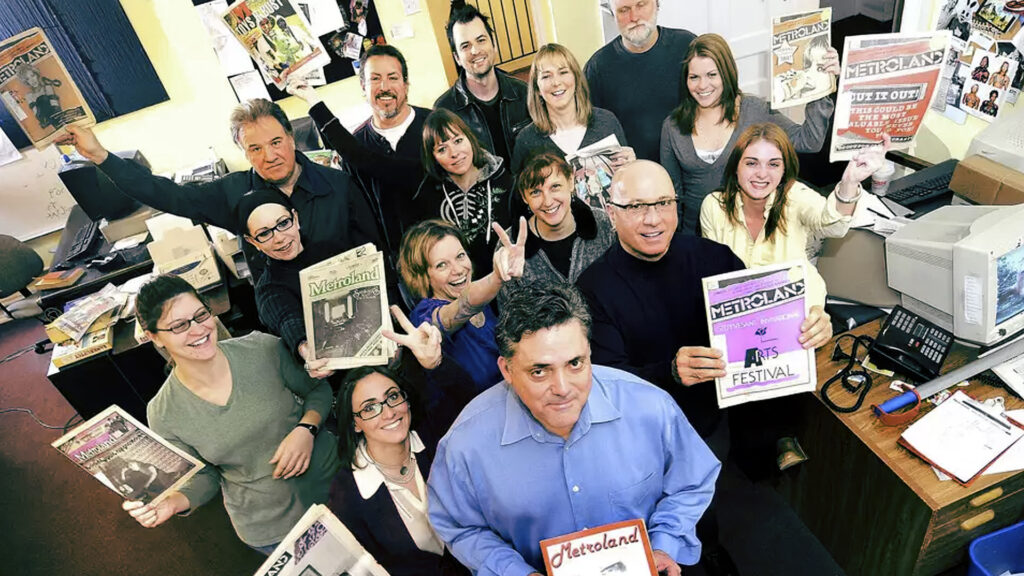
The Team at METROLAND – The Final Days | Photo: Steve Jacobs / Times Union

PINT SIZED and NO FUN: A Tale of 3 Cities with Entrepreneur August Rosa

April 2, 2024 By Corey Aldrich

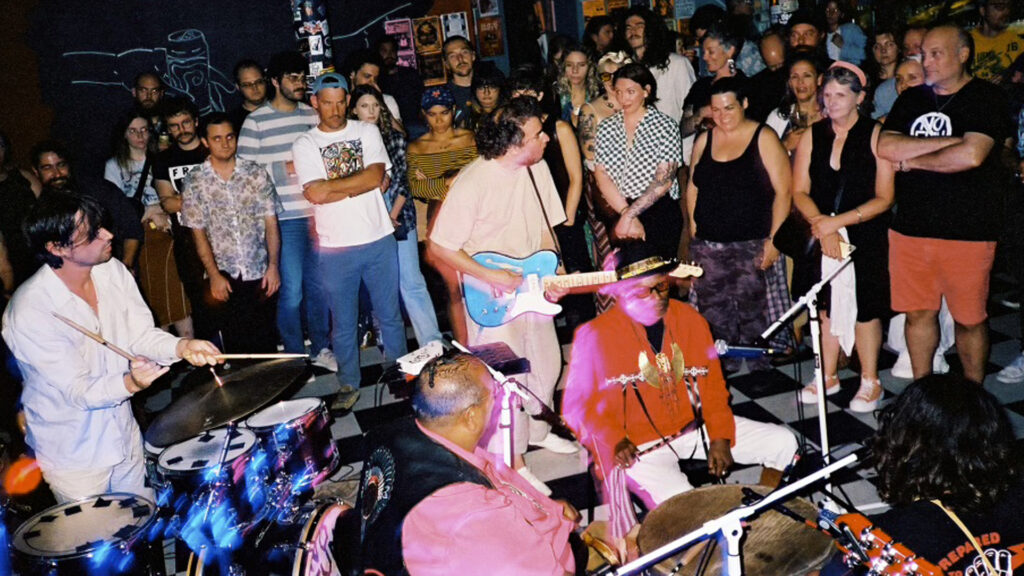
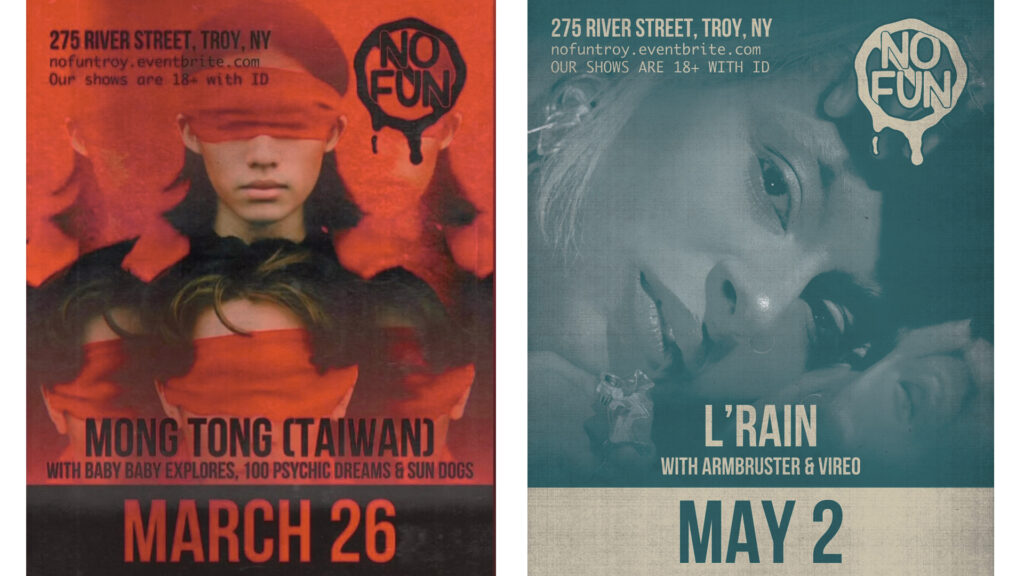
Having been to several shows at August Rosa‘s most recent venue, (including Hand Habits, Tiawan based Mong Tong, the Algonquin Pow Wow Medicine Singers with Yonatan Gat, and then there was that cool ass DAEDELUS show) it always impresses me the incredible variety of all types of music that can be experienced there. I was aware of his Albany and Saratoga PINT SIZED craft beer based locations and have tippled a drink or two in Albany specifically. What really excites me though, is the visceral music programming and developing community based around NO FUN.

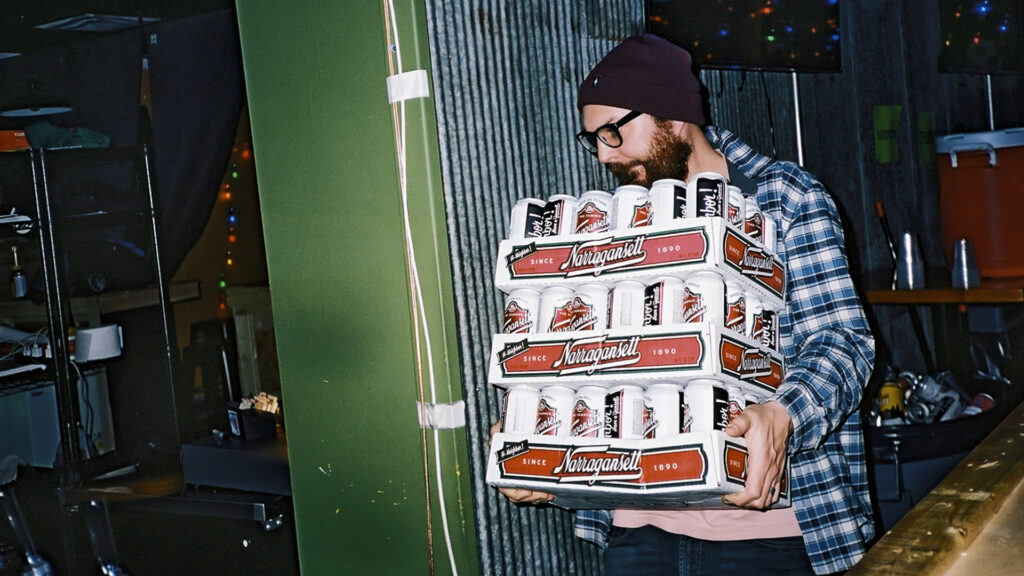
August Rosa : Pre-Show Load In at No Fun in Troy, New York | Image: Patrick Dodson

Please state your name, professional and educational background. Also, can you elaborate a bit on the three locations that you are currently operating?

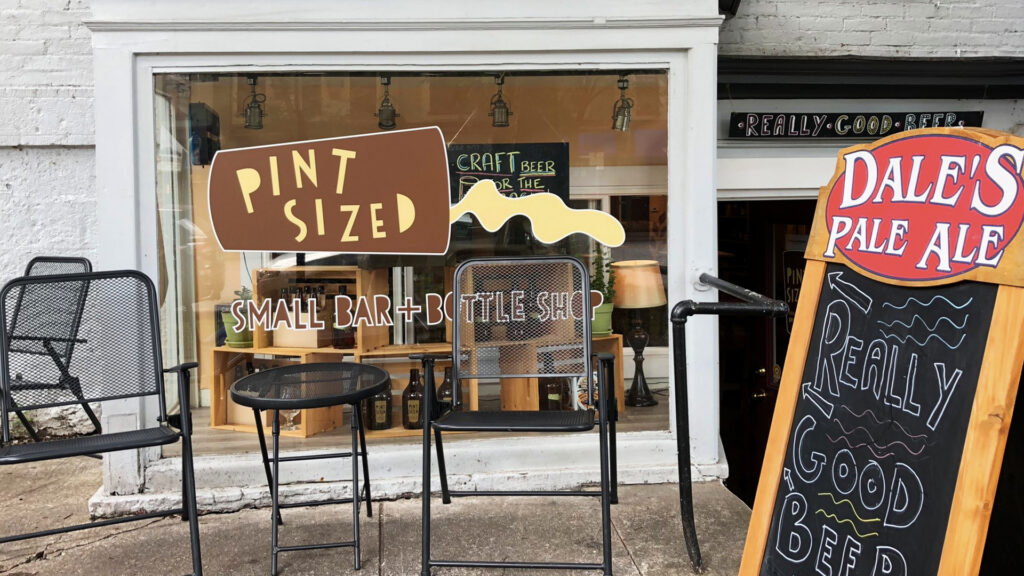
Why hello Corey Aldrich. My name is August Rosa I am Owner and Operator of Pint Sized in downtown Saratoga Springs on Broadway and Albany on Lark Street. Most of my time is spent at No Fun in Troy nowadays my third location. I was briefly involved in a wine bar called Post on Lark Street as well with some of my best friends that I used to be in a band with (Aficionado). It is going to be 10 years of being an entrepreneur on July 4th 2024! Prior to diving into business ownership I did marketing for MASS MoCA and the Downtown Albany Business Improvement District. I had really great bosses at both of those jobs that were patient with me as a creative… but incredibly lazy and objectively bad employee. No joke…having run businesses now for close to 10 years and understanding the full scope of how things work from the ground up, I believe I would kick ass at any job as long as it wasn’t boring. I went to the College of Saint Rose (RIP) with a major in Communications and a minor in Music Industry for undergrad and then got my MBA at SUNY Albany. I also was welcomed into the band Sun Natives on bass guitar by TJ and Brandon which is a nice outlet that is a purely creative outlet much needed void of any business interference.

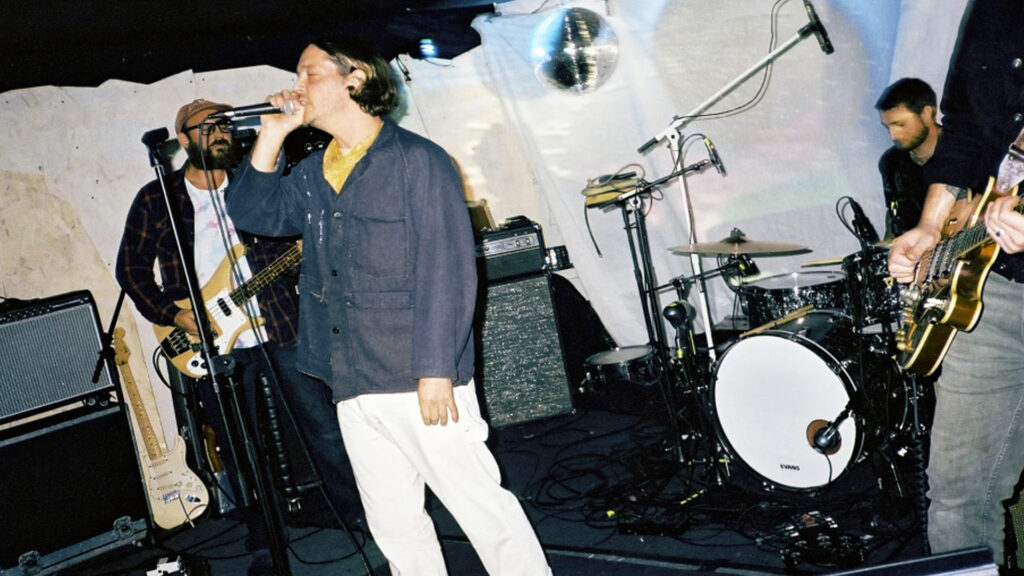
August Rosa Plays Bass with the Sun Natives at No Fun in Troy, New York | Image: Patrick Dodson
Pint Sized Storefront in Saratoga Springs, New York | Image: Provided

Can you talk a bit about the difference between NO FUN in Troy and the PINT SIZED locations Albany and Saratoga?

The focus at NO FUN is what happens on the stage and not what is in the coolers. Pint Sized are craft beer centric bars that at any time have over 100 different options to choose from. Prior to opening NO FUN I would often throw events that were not conducive to the spaces. They are called Pint Sized for a reason. Our Saratoga location might be 400 square feet of usable space for patrons. We one time had an 11 person band there. It was ridiculous, extremely fun and packed out… but truly ridiculous. We still do events like karaoke and trivia at the Pint Sized locations but have shifted our live music attention to No Fun where we have a great sound system and the space to throw very sick shows.
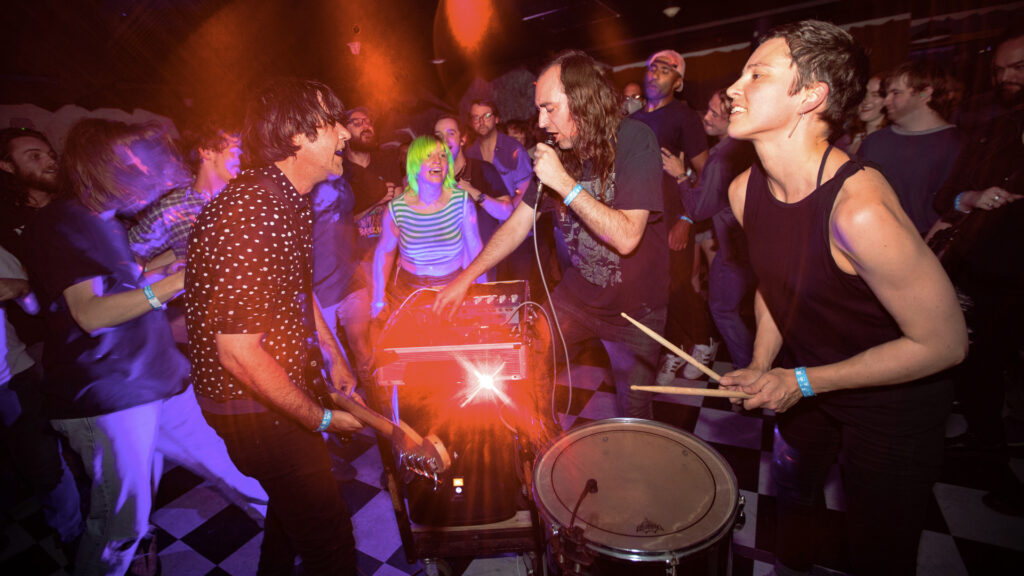
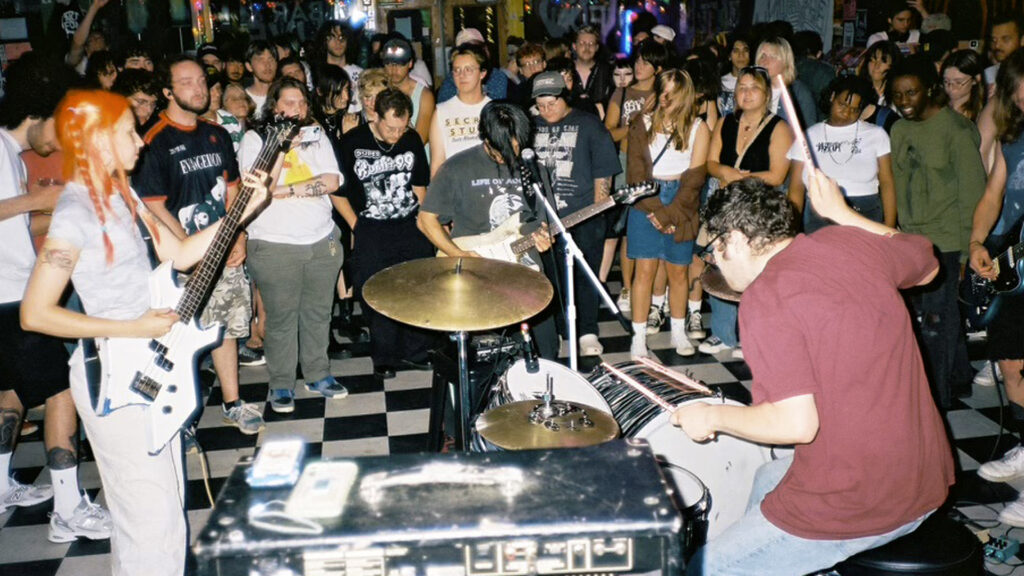
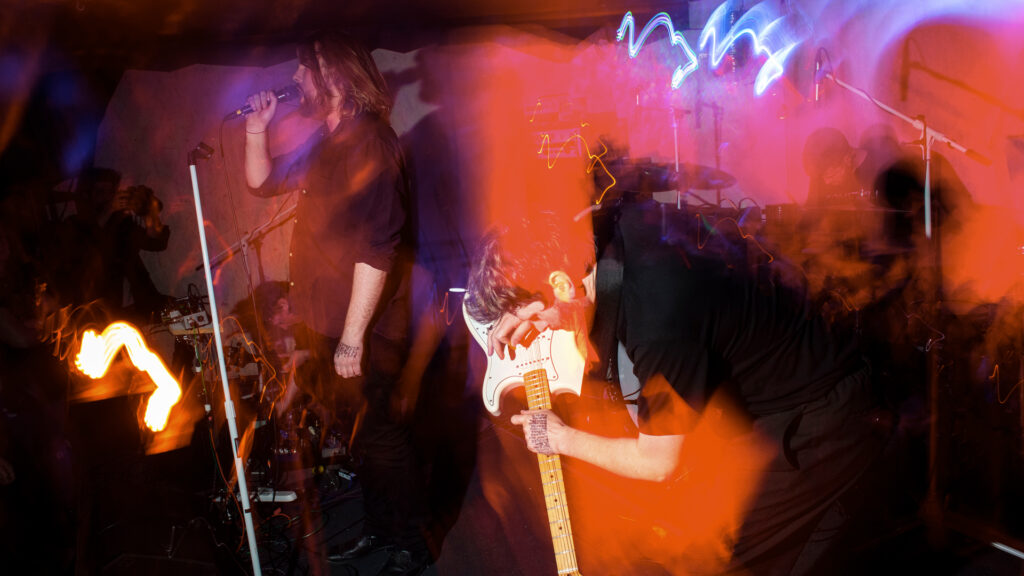
A Place to Bury Strangers Live at No Fun in Troy, New York | Image: Patrick Dodson

Can you share a bit about what your motivation was to open and what your current vision is for NO FUN?

I was constantly finding myself having to go to a big music festival to knock out a ton of bands I wanted to see or travel to the major metros for the type of music I am interested in. I like the weird stuff and felt there was a void in the area for that stuff. The only thing filling that in my opinion was the programming Super Dark Collective brings to Desperate Annie’s (Saratoga) as well as basement shows. I wanted to create a space that was slightly bigger (not too big!) that everyone would feel comfortable going to so I could bring some bigger bands in the area and not have to travel for the stuff that I like the most. I believe No Fun is the absolute perfect size for the type of stuff we like to present. Feels good with 50 heads and feels really good as it approaches 200 heads.

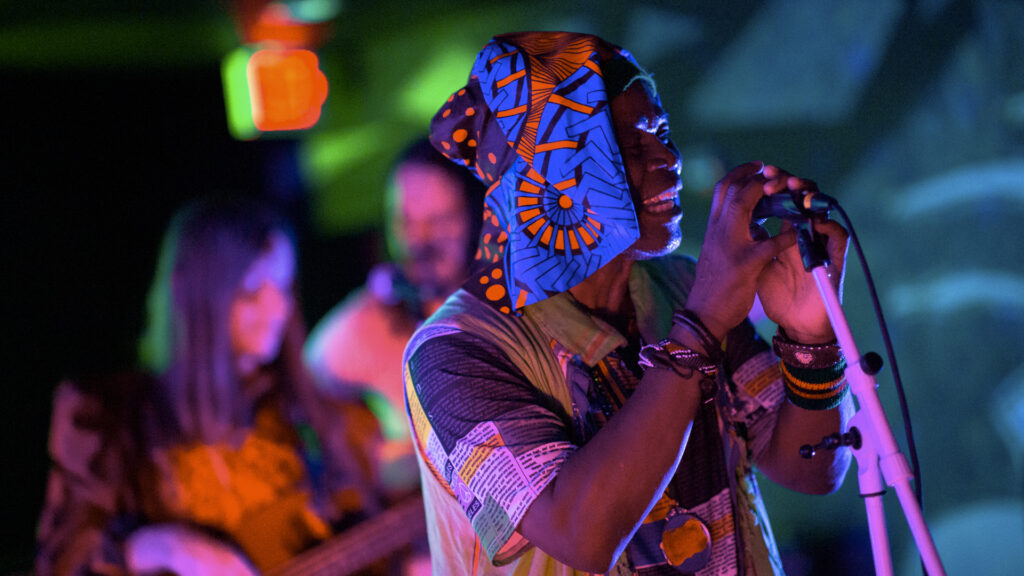
WITCH (Zambia) Live at No Fun in Troy, New York | Image: Patrick Dodson

My favorite places to play / see shows are more DIY in nature… be it a basement or an art space. I wanted No Fun to not have a shred of corporate feel and vibe like you were at a show at your friends house while at the same time functioning professionally as a legitimate licensed business. Places I drew inspiration for the project include Death By Audio, Glasslands Gallery, 285 Kent… there were a million places like this in NYC that absolutely ruled, Valentines of course is a big inspiration (What’s up Howard?!) and the many house show spaces that have popped up throughout the region the past 20 years I have lived here. One of my favorite shows I played in the area was a vacant apartment that still had power and an unlocked door. We legit just brought a shitty PA system into the place, plugged in and packed the house. This was back when Facebook worked and was cool and an event listing could drum up 100 plus folks in an hour or two.

Algonquin Pow Wow Medicine Singers with Yonatan Gat Live at No Fun in Troy, New York
Image: Patrick Dodson

Having been to several shows there (including Hand Habits, Tiawan based Mong Tong, the Algonquin Pow Wow Medicine Singers with Yonatan Gat, and then there was that cool ass DAEDELUS show) it always impresses me the incredible variety of all types of music that one can experience there. How do you manage to keep such a strong schedule and number of bands coming through?

It honestly happened faster than I thought. In the beginning I was bugging agents and bands all the time and not getting responses. Over time we proved ourselves and have developed some really great relationships that align exactly with the type of stuff I like to book – psych rock, post punk, world music… typically weirder and oftentimes louder stuff. I have brought in some acts that I have listened to forever and legit look up to like A Place To Bury Strangers, Ted Leo, No Age, Delicate Steve, Dan Deacon!!! (Chk Chk Chk), Gilla Band and our good friend Meg Duffy with Hand Habits to name a few. Some of the most rewarding acts were global in nature including Imarhan (Algeria), Medicine Singers (Algonquin Pow Wow), Acid Mothers Temple (Japan), WITCH (Zambia) and Mong Tong (Taiwan) which just happened.

Gutting a Body of Water Live at No Fun in Troy, New York | Image: Patrick Dodson
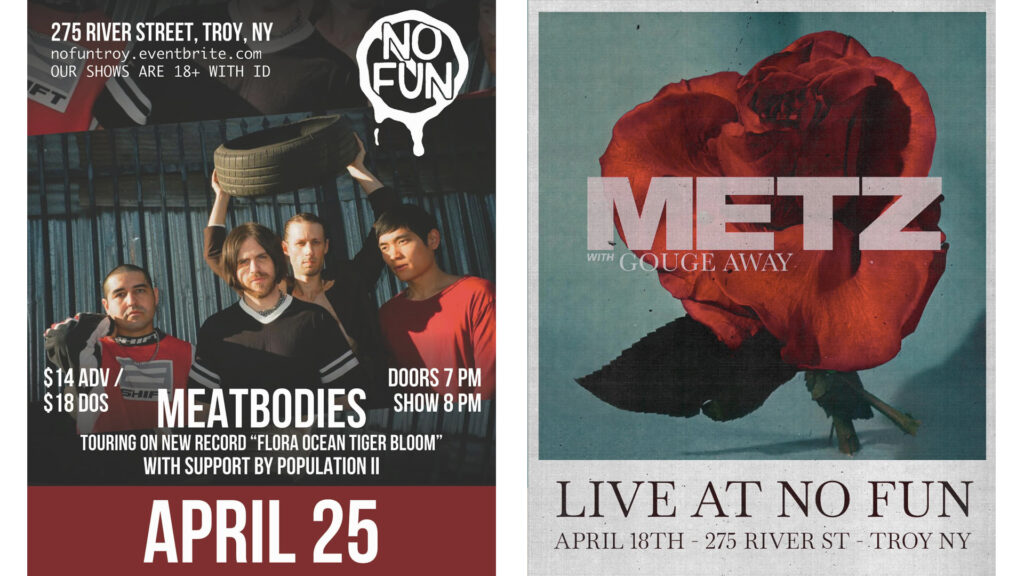
No Fun in Troy, New York Concert Posters | Image: Provided

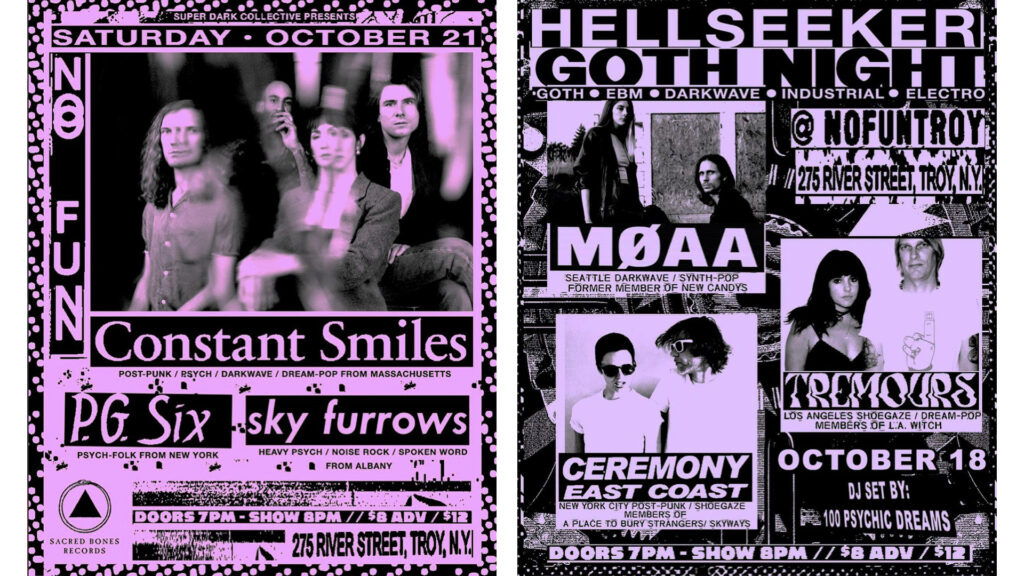
Our programming is very kinetic and we are on track to do over 250 shows close to if not over 1000 bands this year! It is not a solo effort by any means and wouldn’t be possible without working with some of the area’s most innovative curators / presenters. There is a really solid group of folks who present at the space including Super Dark Collective (Shane Sanchez is our Booking Manager), Hey Greasy, Byrdhouse Records, Bee Side Cassettes, Albany Hardcore…There are a bunch more and bands who bring their release shows and ideas to us but these are some of the more regular presenters.

No Fun in Troy, New York Concert Posters | Image: Provided

The economics and logistics of running a business can be intense, especially a live music venue open multiple days per week. Can you share a bit about your day to day and how you’re keeping the bands and rent paid?

It truly sucks! Please buy tickets in advance. Not just at No Fun but to any place you go to see shows. I cannot stress how helpful it is. It gives agents strong ticket counts so they have confidence in spaces and bring more sick shows to the area. It also helps us to prepare properly for crowd size. And…you also save a few bucks!!!

A big goal of mine is to keep my mental health in check with this thing. I am not going to lie, this project is not easy and projects like this can end at any time. There are definitely moments where I want to stop doing it. All that being said, it is in a very strong place right now and financially viable. I am always focused on keeping momentum going to keep the bills paid up. Unfortunately it comes at the cost of not being able to shut it off. I really am going to have to figure that out sooner than later.

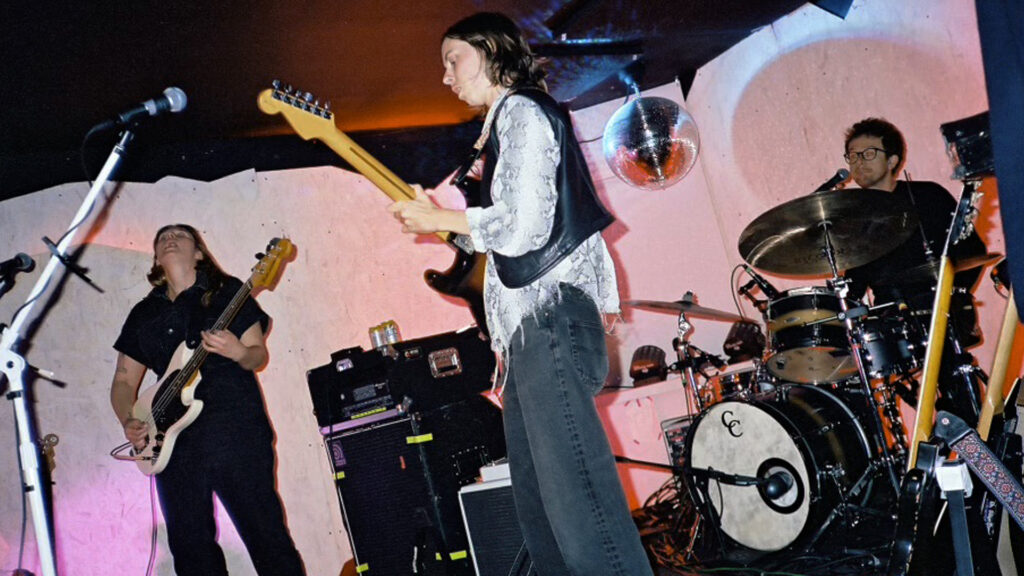
Hand Habits Live at No Fun in Troy, New York | Image: Patrick Dodson

Anything you have coming up you would like to share with our audience to keep them in the loop? Long term plans etc?

There are honestly too many to list. Just go to nofuntroy.eventbrite.com and pick something at random. All of the shows are great and deserve a crowd. I highlight the vibe of each show in the descriptions in just a few words. The whole purpose of the project is to have folks engage with new experiences. I see a lot of folks that go to the same show over and over again which is frustrating. I really do notice the folks that take the effort to get out of their comfort zone and that is the most fulfilling element of the project in my opinion. Those folks know who they are and I cannot thank them enough as they are the driving force that keeps me interested in doing it.

Upcoming 2024 Shows at No Fun in Troy, New York | Image: Provided

I would prefer having twenty people see something new and unexpected that they will remember their whole life over a sold out event with people who just go to the same exact shows all the time. Also it would be cool if people over the age of 30 stopped acting like they are in retirement mode. I pretty much stop engaging with individuals once they say they are too old to do stuff. I don’t care to be around folks with that mentality. It’s depressing and I see too much of it. All of my ads at this point target 21-30. Please take advantage of your life while you are still here.

K that’s enough of my bullish!t. Go to shows!!!

Gilla Band Live at No Fun in Troy, New York | Image: Patrick Dodson

Saratoga’s Beekman Street Arts District – It’s a Vibe

October 18, 2021 By Cassie Fiorenza

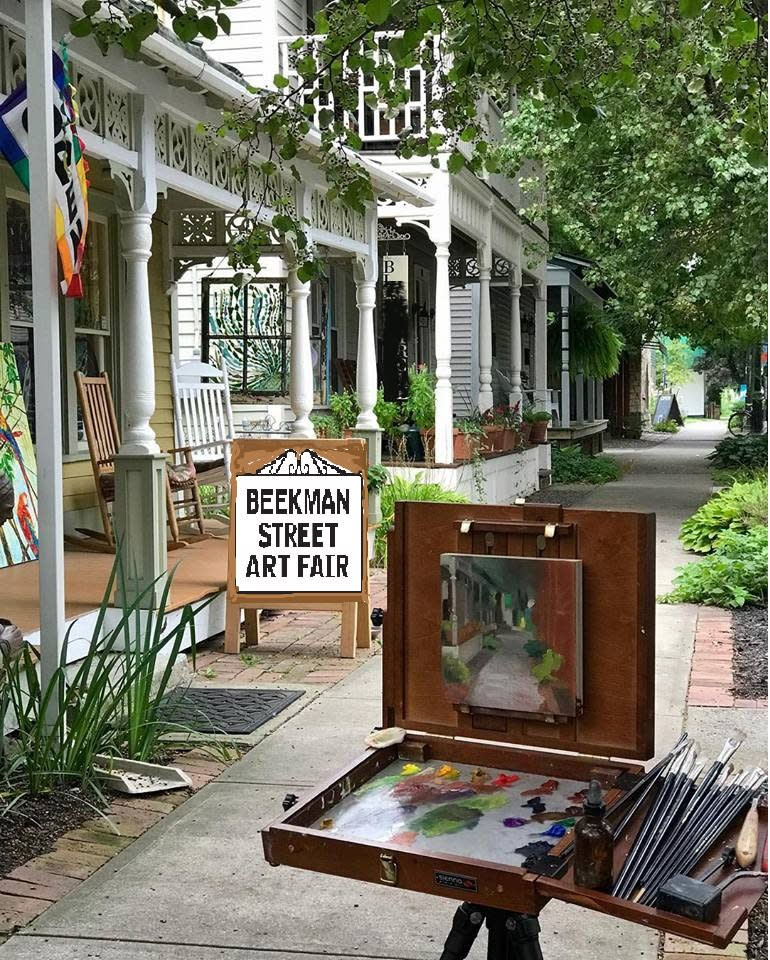
When you think of Saratoga Springs, you probably picture horses and the bustling Broadway. You’re not wrong, but there is so much more to this adorable “city in the country.” One such place is the Beekman Street Arts District. Boasting some of the best restaurants and coolest shops in Saratoga, Beekman is still a bit off the beaten path. Just a few blocks from Broadway, you’ll find a different vibe; unpretentious, artsy, creative, and a little weird – but in the best way.

The Arts District sits in Saratoga’s historic West Side (west of Broadway). This area was home to the Irish and Italian immigrants who worked on the Railroad (in fact, there’s a sign declaring this area “Dublin”), and African Americans when there weren’t many other places for them to go. Ask any Westsider and they’ll have memories of legendary pizzas and even some unsavory activities. About 20 years ago, however, this area was full of artists looking for a community, and they built one. If you’re looking for something different and authentic, come to Beekman. Here are just some of the highlights:

Collective 131

Collective 131, 74 Beekman Street

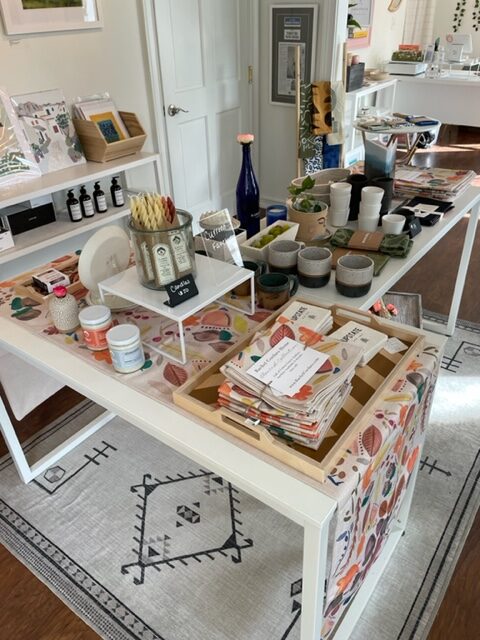
I started Collective 131 online in my Hoboken apartment (131 was my address) to feature women artists. When I moved back Upstate, I opened my first brick-and-mortar. I saw an ad for 74 Beekman and instantly felt like this was the right spot. The airy, light space was totally my vibe and I loved the authentic feel of Beekman Street. Here, you can find local and regional artists in a range of media and subjects — but all affordable. Our price range is around $20 to $300.  It’s also important to me to showcase women and minority makers. Aside from art, I LOVE fun stationery and thoughtful gifts, like our Schitt’s Creek birthday cards and ceramic ring dishes and tote bags.

Grateful Threads

Grateful Threads, 30 Beekman Street

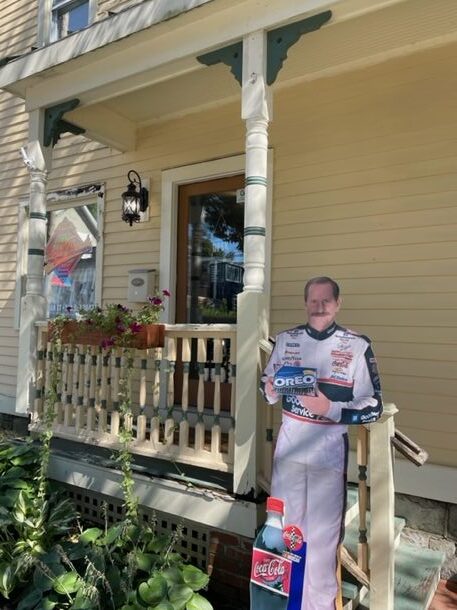
The new kids on the block, Grateful Threads owners Noah and Hunter have a ridiculous inventory of vintage tees, jerseys, and hats. They have a huge online following, and people are flocking to their new brick-and-mortar for these awesome finds. They definitely bring a fun vibe to Beekman with their ever changing cardboard cut-outs out front like Shaq and Dale Earnhardt. Hunter loved the Beekman Street Art Fair in June, and hopes we can host more events like that during the year. 

The Vintage Shop

“Beekman is where the one-of-a-kind speciality shops are. It made more sense for me to be here than on Broadway.” Walking through Denise’s The Vintage Shop at 65 Beekman Street is like walking through time. Here you’ll find a trove of vintage designer clothes, accessories, and even a few oddities. Her forte is sourcing quality, maintained pieces, and she’s a perfectionist when it comes to cleaning. Think vintage Versace jeans, Ferragamo shoes, Pendleton sweaters, and so much more.

Little Darling Studios

Nicole Darling of Little Darling Studio

Nicole Darling is the tattoo artist behind Little Darling Studios. She opened her own studio and chose artsy Beekman Street for her location. “I absolutely love Beekman. Not only am I the owner of Little Darling Studios, I am a very unique tattoo artist and a wedding photographer,” says Nicole, so she fits in perfectly in the Arts District. Follow her Instagram to see her in action and her amazing creations. She also sells her own branded candles! 

Living Resources Arts 70 Beekman Gallery

Marcus Anderson, Living Resources Arts

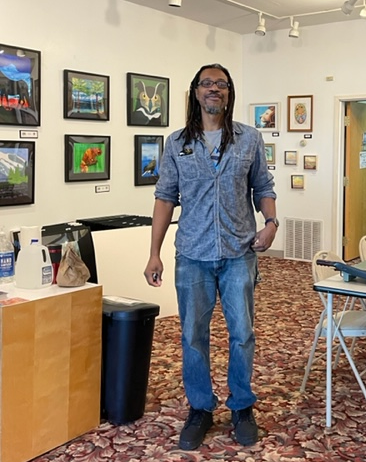
This studio and gallery serves the community in so many ways. Part of the larger Living Resources organization, Marcus Anderson and his staff provides fine art instruction to students with disabilities. The artwork created is also on display at all times in the gallery. “It’s great to have a community art space for them to exhibit and work side by side with emerging and established artists from the community. The Arts District is important because we make one another stronger through teamwork,” says Marcus.

Eden Compton 

Eden Compton, courtesy Saratoga.com

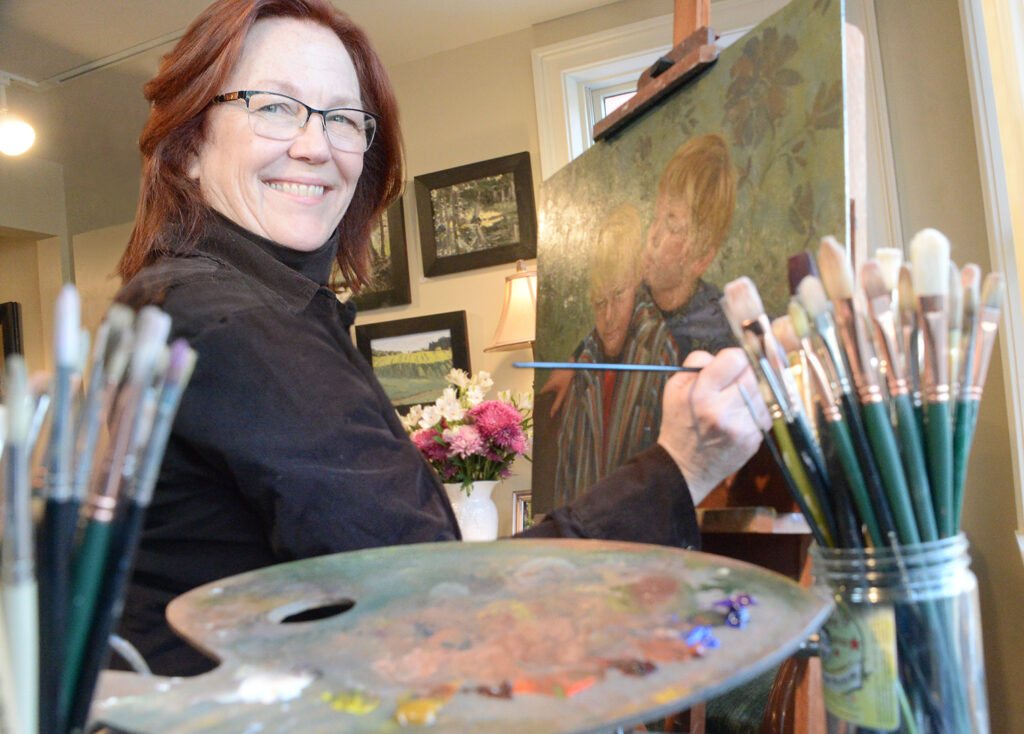
A leading fixture of the arts district, Eden Compton has had her gallery and studio on Beekman Street for several years. Her first studio was at 74 Beekman (where Collective is now!), and she’s now at 73 – a lovely yellow building with an inviting porch. Her specialties are cityscapes, landscapes, and portraits, and Eden displays her own work for sale inside along with the art of other local and regional artists. She is also a skilled teacher, offering painting classes and workshops to art lovers of all ages and abilities. She can’t wait to regularly have shows and openings like in the good old days (pre-COVID).

“I love Beekman Street because of the warmth of the community. It feels like a neighborhood and is a lovely respite from the hustle and bustle of Broadway.”

Textile Studio

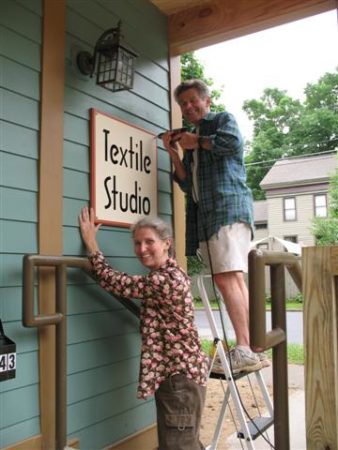
Beekman pioneers Frittelli & Lockwood

Cecilia Frittelli and Richard Lockwood are master textile artists. I could spend hours watching the duo weave on their traditional looms in this adorable studio on the corner of Beekman and Grand. They are some of the original pioneers of the Arts District, opening their studio in the early 2000s in this historic 1850 building on the West Side. Frittelli and Lockwood textiles are found all over the country at galleries and craft shops, including Saratoga’s own TOGA HERITAGE. They also sell apparel and accessories out of their studio and online. “After many years behind closed doors as a production studio, we welcomed being part of an arts community,” Cecilia said.

Kraverie

Korean BBQ and crepes might sound like an odd pair, but trust me, it works. Michael Gasser is the owner and he and his family have a long West Side history. “Come to Beekman and hit the Kraverie trifecta: Korean BBQ, craft beer, and live music,” says Michael. My personal favorites are the sweet and spicy gochujang chicken wings and the kimchi fried rice. And of course, finish your night with a delicious crepe.

The Local Pub and Teahouse

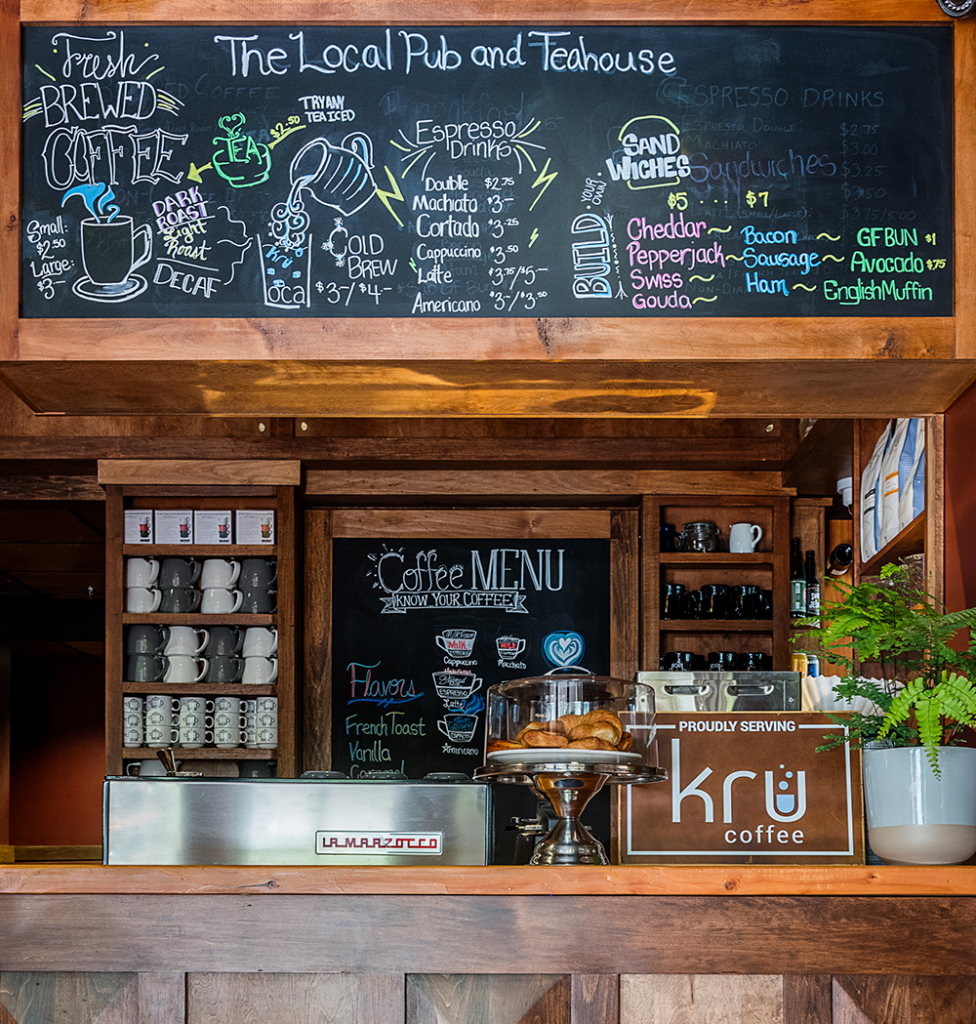
The Local, 142 Grand Street

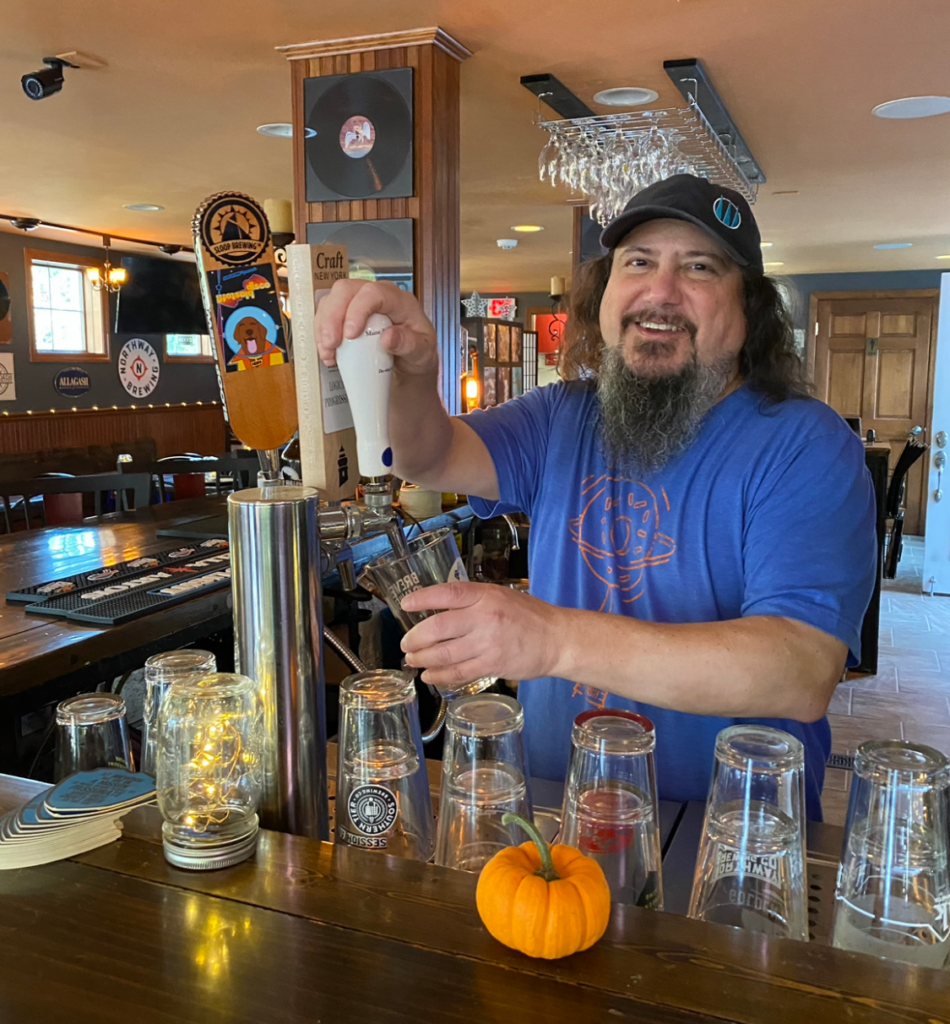
It’s an Irish tradition to call the neighborhood pub “the local,” so this bar and restaurant fits perfectly in this historic “Dublin” area. “We pride ourselves on our draft diversity and quality,” say The Local Pub and Teahouse owners Jonathan Haynes and Michael Phinney. With its mix of traditional pub fare and a rotating tap, you’ll find a comfy place to sit with family, friends, and your loyal pup. A customer favorite is the classic Fish ‘n Chips. 

Principessa Elena Society and the Frederick Allen Lodge

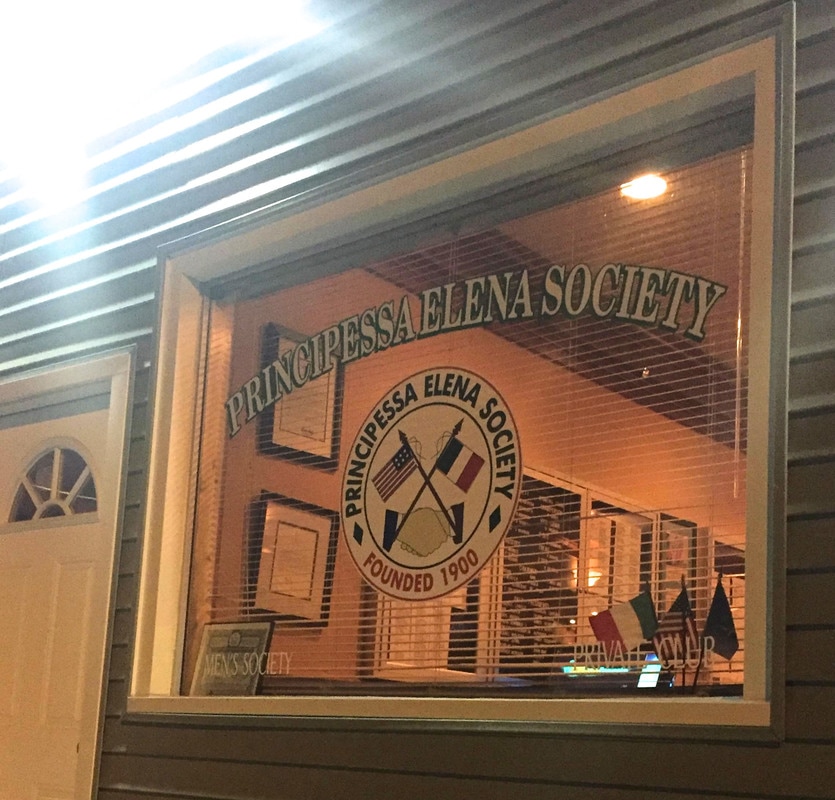
The area’s history is preserved by the Principessa Elena Society and the Frederick Allen Lodge. Nicknamed the “Black Elks Club,” the Frederick Allen Lodge #609 is the local chapter of the Improved Benevolent and Protective Order of Elks of the World. The Lodge remains open for events, workshops, and other charitable initiatives. The Principessa Elena Society was founded in 1900 by Italian-American men to assist the Italian immigrants that came to Saratoga. Today, they support the community with charity and scholarships, and host Italian Friday Dinners. 

ABOUT ME

Cassie Fiorenza is the owner of Collective 131 on Beekman. Originally from Loudonville, Cassie and her husband moved upstate in 2020 and settled in Saratoga Springs.

Creative Economy Updates and Other Good Stuff!

STAY CONNECTED!

  • Facebook
  • Instagram
  • Twitter
Copyright © 2020 THE UPSTATE ALLIANCE FOR THE CREATIVE ECONOMY

info@upstatecreative.org | 41 State Street, Albany, NY 12207

Design by Reach Creative