• Skip to primary navigation
  • Skip to main content

ACE

Upstate Alliance for the Creative Economy

  • HOME
  • ABOUT
  • NEWSLETTER
  • SUBSCRIBE
  • JOBS
  • Show Search
Hide Search

Corey Aldrich

Experimental Creativity as a Form of Inquiry w/ Exec Director Dena Beard

January 26, 2026 By Corey Aldrich

Long known as an organizational asset for resident artists and campus related endeavors, there is a new focus on finding ways to incorporate EMPAC (At Rensselaer Polytechnic Institute in Troy) into the fabric of the downtown Troy community and beyond. Find out what is in process and in store from a recent conversation with newish Executive Director, Dena Beard.

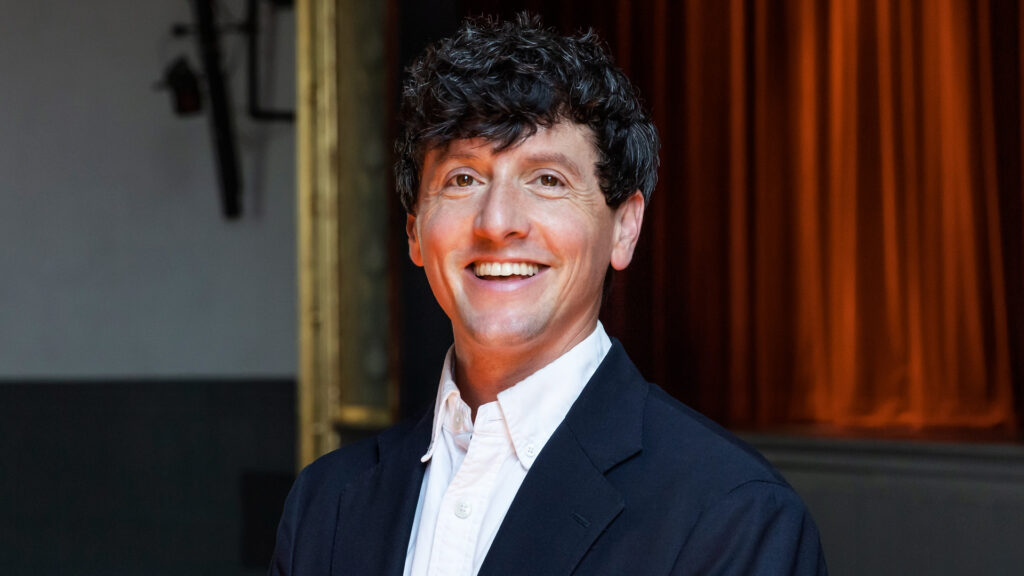
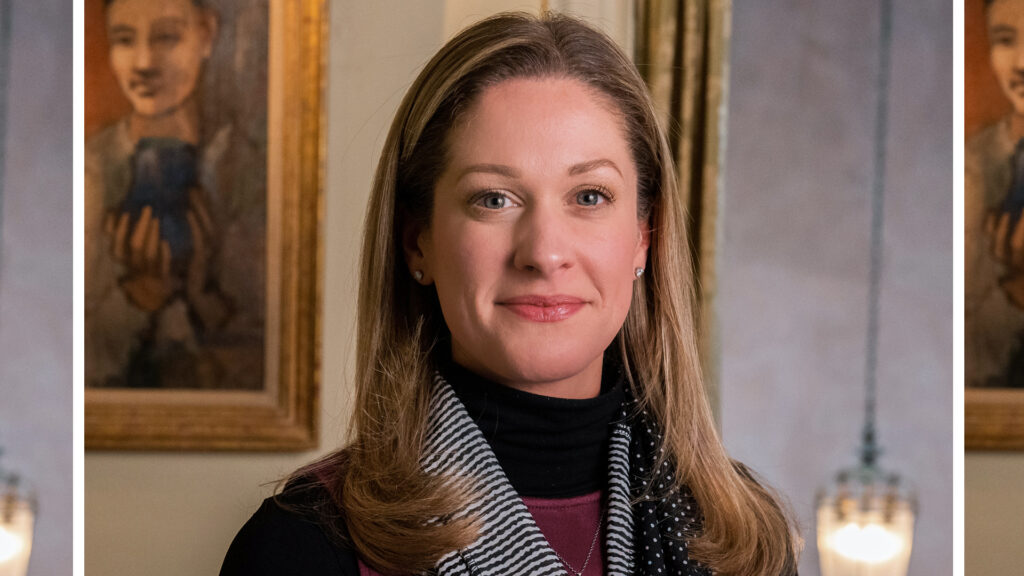
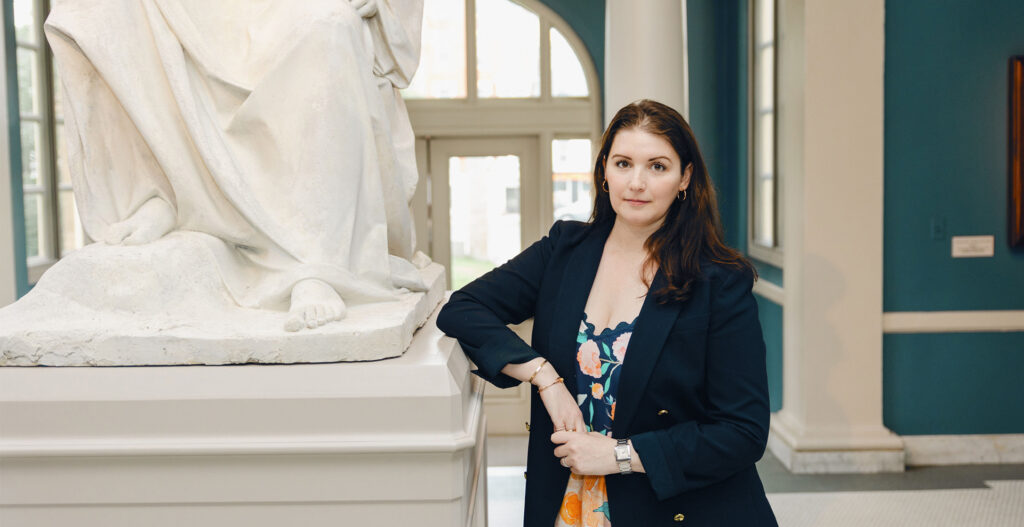
Dena Beard : Executive Director at EMPAC in Troy NY | Photo : Emma Marie Chiang

Please state your name, organization and position. Can you share a bit about your experiential / academic background?

I’m Dena Beard, Executive Director of the Curtis R. Priem Experimental Media and Performing Arts Center (EMPAC) at Rensselaer Polytechnic Institute, where I support artistic projects that challenge habituated forms of perception and invite new modes of engagement—across performance, sound, time-based media, and research-driven art.

Before coming to EMPAC, I served as Director of the Leonard & Claire Tow Center for the Performing Arts at Brooklyn College and spent nearly a decade as Executive Director of The Lab in San Francisco, working on projects rooted in experimental music, performance, and cross-disciplinary practice. Earlier in my career, I worked as Assistant Curator at the UC Berkeley Art Museum and Pacific Film Archive.

Across these roles, my focus has been on creating conditions for artists to work rigorously and experimentally, while also building organizations that are legible, humane, and porous—places where process is visible and audiences feel invited into how work is made, not just asked to consume finished products. I’ve been shaped by how powerfully art can activate space, community, and imagination. That’s why I do this.

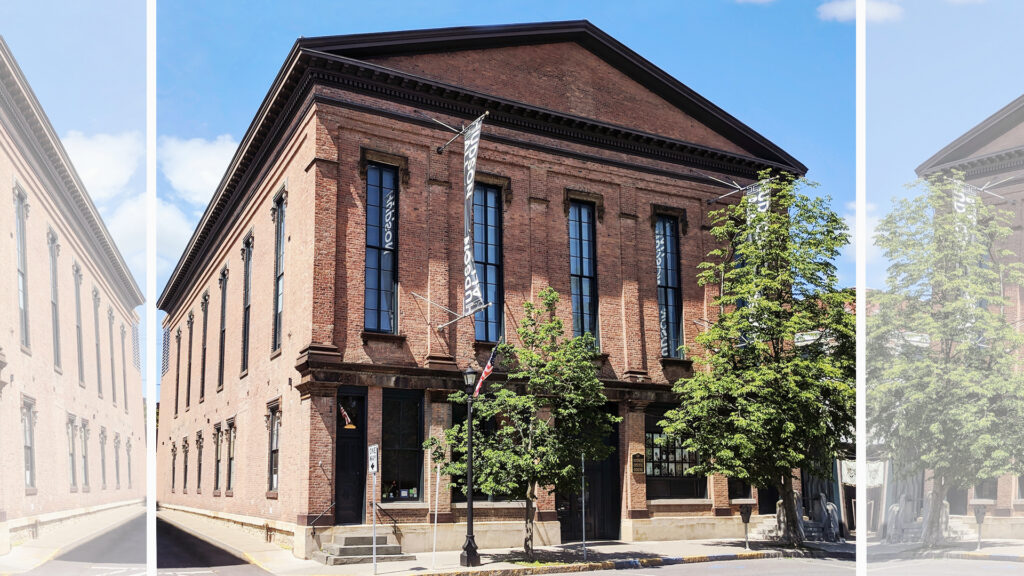
EMPAC : Studio 1 at Rensselaer Polytech Institute in Troy NY | Photo : Provided

You have an interesting diversity in institutional leadership between your time on the west coast with THE LAB in San Francisco and in NYC at Brooklyn College’s Leonard & Claire Tow Center for the Performing Arts. What made you decide to take on EMPAC and how is that background informing you in your approach?

EMPAC is unlike any other arts institution in the country. RPI made a once-in-a-generation investment in experimental art, research, and technology—and that ambition is real, not rhetorical. Over the years, EMPAC has supported more than 700 artists whose works now circulate internationally and enter major museum collections. What drew me here was the opportunity to steward a program that operates simultaneously as a performance venue, a research laboratory, and a civic space in Troy.

My prior work taught me that institutional frameworks can either obscure creativity or make space for it. At The Lab, we foregrounded artists’ ways of seeing and making, creating conditions for experimentation rather than containing work within predictable program structures. That included commissioning artists meaningfully, offering $25K to $150K and forms of support still rare in the field: healthcare, legal representation, full access to space. What emerged was an adaptive ecosystem: when artists were trusted, they shared resources and reshaped the organization itself.

At the Tow Center, I worked within a large public academic institution, supporting Brooklyn College’s Conservatory of Music and Department of Theater while bringing local and international artists into deep conversation with students and New York publics. That work taught me how to bridge academic environments and professional artistic practice without flattening either.

Coming to EMPAC was about merging these two approaches, one rooted in generosity and adaptability, the other accountable to a complex academic institution and a broader public. My goal isn’t to change EMPAC’s identity, but to make its extraordinary work more legible, more durable, and more connected to the people who live and work in Troy and across the Capital Region.

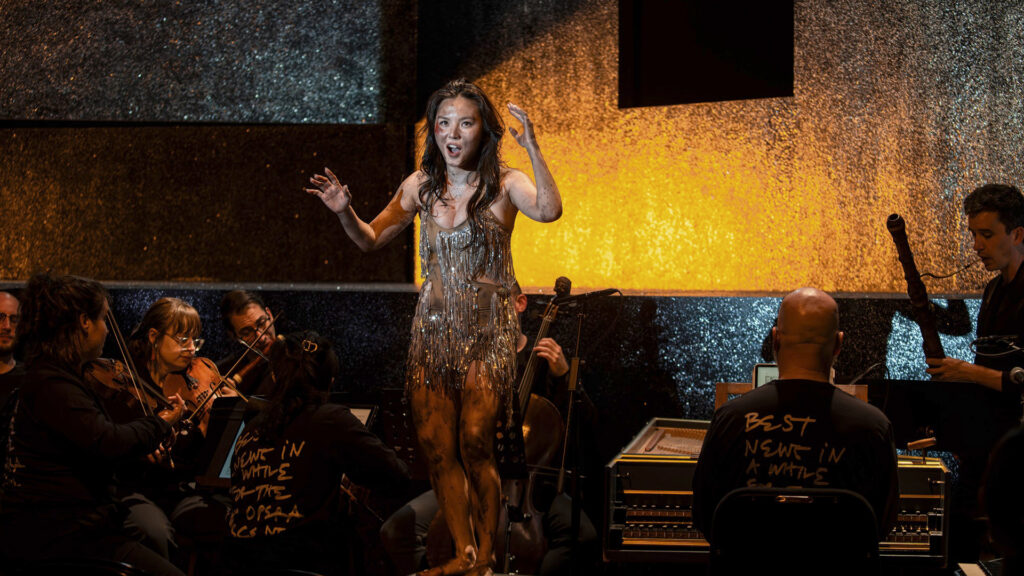
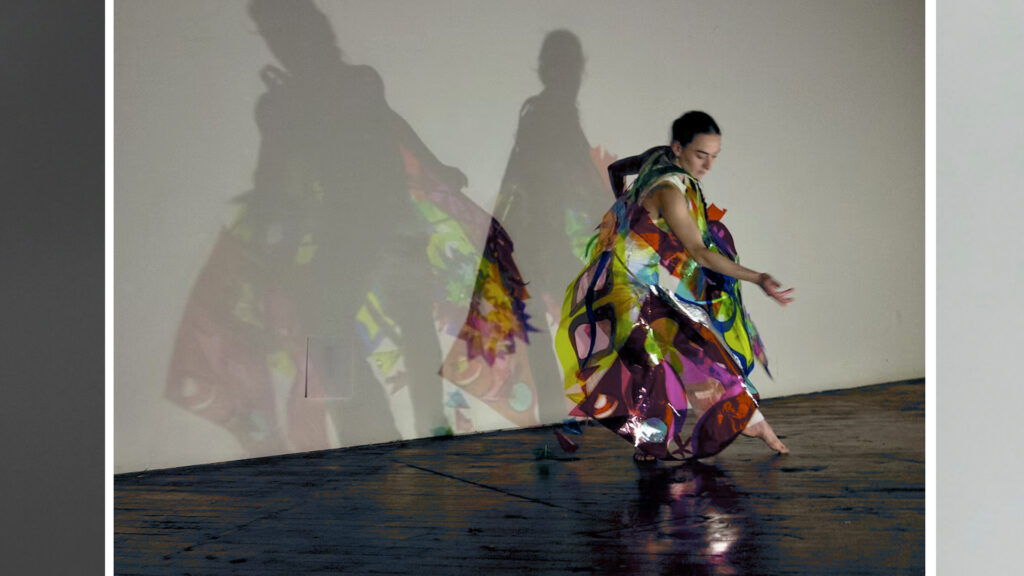
EMPAC : TOPOS Remote Peformance at the Gasholder Bldg in Troy NY | Photo : Patrick Dodson

EMPAC has been largely misunderstood by the public historically. I see you have been working on raising awareness not only about what it is but also finding ways to bridge the gap, creating a more inclusive interaction with the regional arts community and general public. Why do you feel that is important for the institution? What challenges are your facing in the implementation of that approach?

EMPAC was founded on the idea that art and research aren’t separate activities—that experimental creativity is a form of inquiry, and that technological innovation often requires imaginative leaps we don’t always recognize as artistic. Nearly two decades in, that premise still holds. The question now is how EMPAC carries this work forward in ways that offer models of imagination and resilience to people living in this region.

EMPAC has sometimes been perceived as opaque or inaccessible—not because the work isn’t compelling, but because the processes behind it haven’t always been visible. I think experimental work benefits from context, from gracious welcome, and from trust.

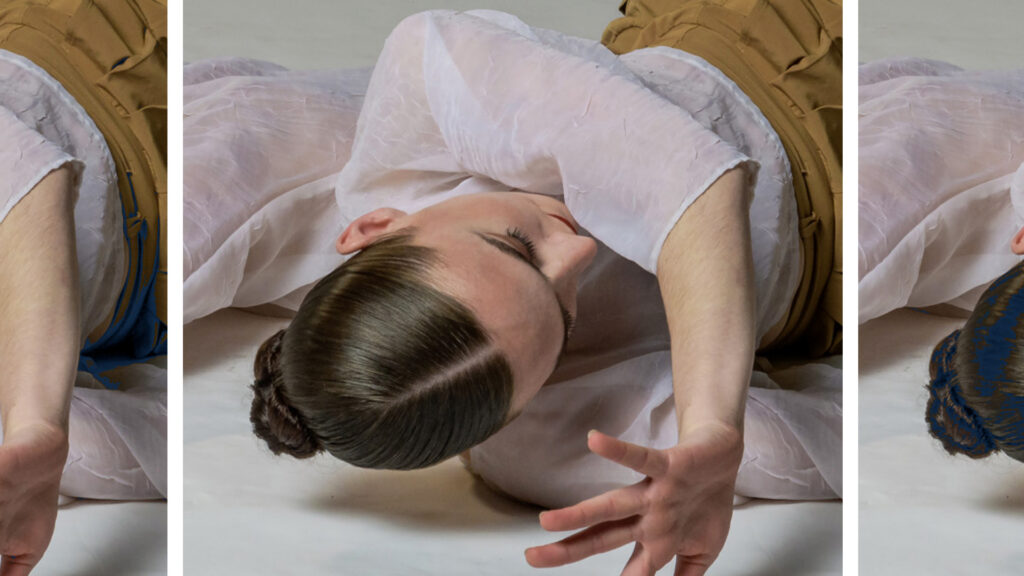
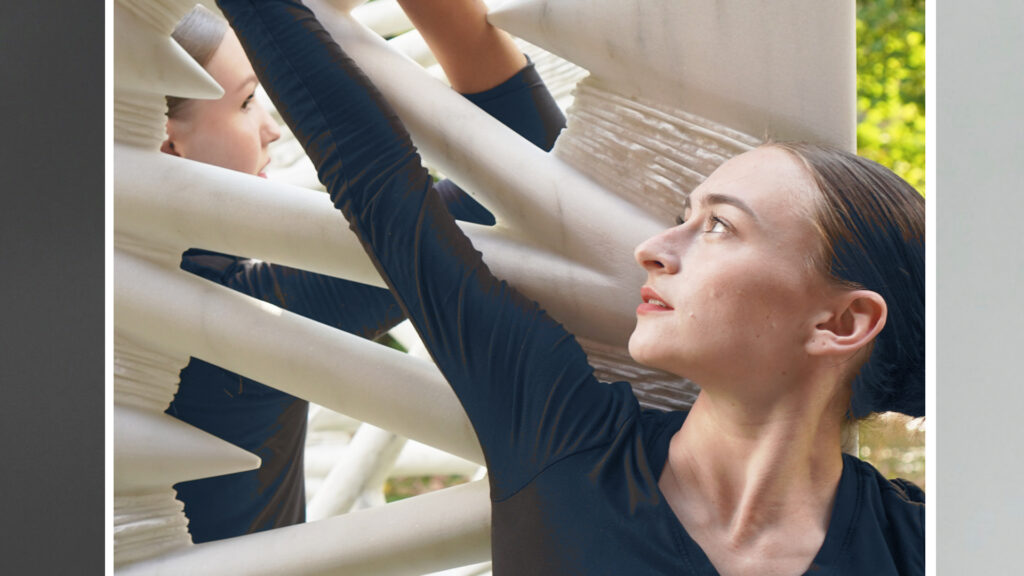
Hanae Utamura Performs at EMPAC in Troy, NY | Photo: Tara Holmes

For me, accessibility doesn’t mean simplifying the work. It means offering tangible points of entry: clear language, open doors, a public space for informal gathering—for food and drink, for conversation, for being together. Anyone who comes here should feel it’s their public park, a place to meet friends, go on a date, step away from screens for an hour, or even just take a nap between commitment

The challenge is doing this without flattening complexity. The initial capital funding for EMPAC expired more than a decade ago, and today over 80% of staff time and resources currently support campus projects. We’re figuring out how to offer more to the broader public without overextending staff or compromising EMPAC’s standing in the arts. That requires careful pacing, discipline, and a willingness to listen—to students, to artists, and to our neighbors in Troy. It’s slow work, but it’s essential if EMPAC is going to function not just as a laboratory and campus auditorium, but as a cultural anchor for the Capital Region.

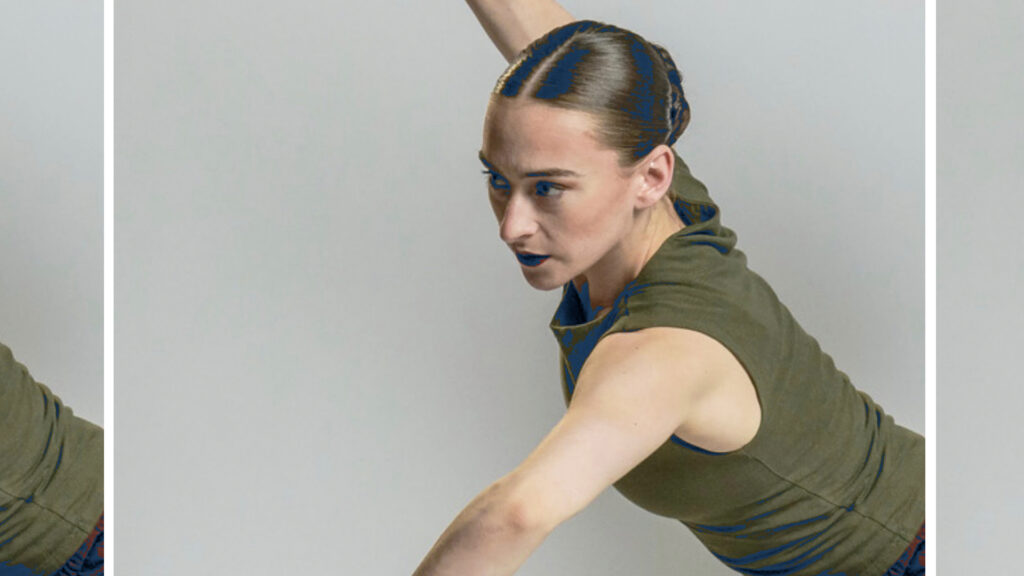
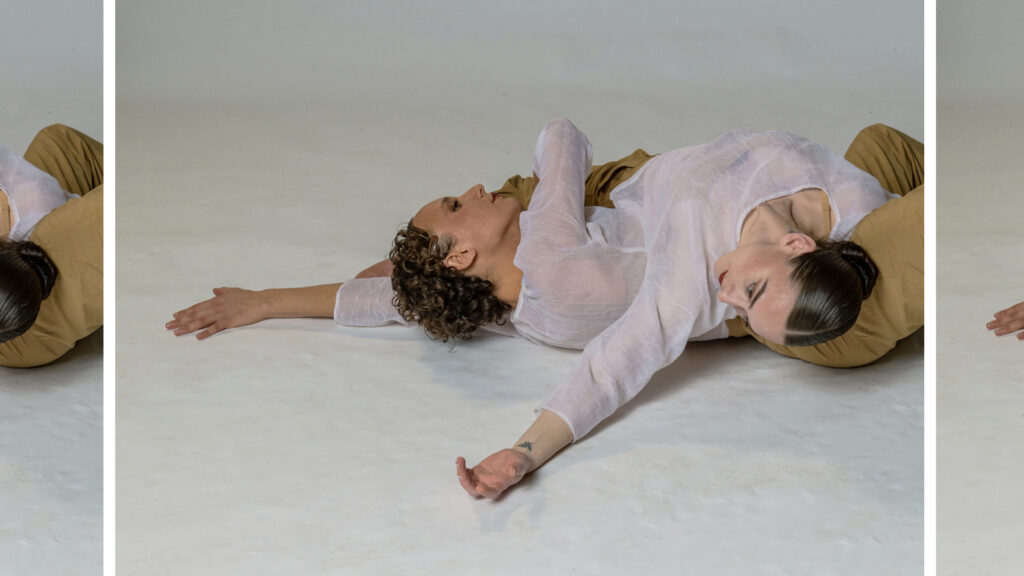
Victoria Shen and Mariam Rezaei Performance at EMPAC in Troy NY | Photo : Michael Valiquette

What’s a typical day in the life look like for you?

There’s no such thing as a typical day, which probably explains why I love this work!

A day might include a technical walk-through with engineers and artists, a budget or infrastructure meeting with RPI leadership, a rehearsal, a conversation with faculty, and a late-night performance. In between, I’m thinking about long-term strategy: how EMPAC’s research mission aligns with RPI’s, how we care for a very complex building, and how we support a brilliant staff who are doing deeply specialized and deeply weird work.

A lot of my time is spent translating: between artistic and technical languages, between academic culture and public-facing programming, between ambition and sustainability. It’s demanding, but incredibly generative.

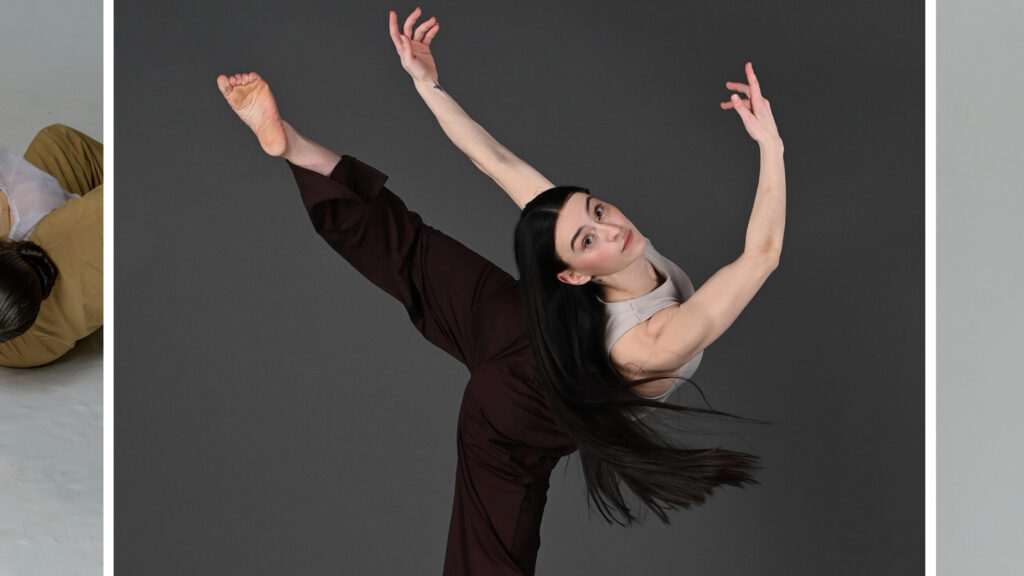
Leslie Cuyjet in Ephemeral Organ Festival at EMPAC in Troy NY | Photo : Michael Valiquette.jpg

SHAMELESS PLUG: Anything on the horizon that you have planned that you would like to share?

Absolutely. EMPAC is entering a really exciting phase.

This year we’re hosting three festivals that invite audiences from Troy and across the region into different ways of experiencing contemporary work: staging grounds (February 20–28), focused on time-based visual art; Corpus (April 23–25), dedicated to dance and movement-based practices; and Topos (September 3–5), centered on music. Each festival premieres new work we’ve produced alongside projects we’re eager for audiences to encounter—sometimes at early, evolving stages.

We’re also developing Interface, a more informal series designed to bring people into EMPAC through conversation, experimentation, and social exchange, hopefully with a drink in hand.

EMPAC is very much a living instrument, and I’m excited to invite more people to play it with us.

The Revolution WILL BE…In Person!

January 26, 2026 By Corey Aldrich

2026 is really kicking off with a bang. ACE! was on location for the grand re-opening of three major regional institutional arts organizations including The Egg (Albany), Saratoga Arts (Saratoga) and a new and expanded space for Albany Center Gallery (Albany). This represents some major investment in our region in community arts, culture and entertainment, and helps drive the Capital Region as a creative economy hub for work and play with an investment to the tune of well over $20M collectively. Find out what each organization was able to add and refresh with their reset and how that will impact future forward programming for our region.

THE EGG | YOUR EGG IS SERVED (ALBANY NY)

The Egg Staff Celebrates at the Grand Re-Opening Event | Photo: Megan Mumford

After a six month closure, state and local leaders cut the ribbon this month for a $19.5M renovation at The Egg. Though the project predates Governor Kathy Hochul’s $400m Championing of Albany’s Potential initiative, it complements the overall mission and direction being mapped out for Albany by her office.

The Egg : Crowd Shot at the Grand Re-Opening Event | Photo: Elissa Ebersold
The Egg : Dancing to DJ Hollywood at the Grand Re-Opening Event | Photo: Elissa Ebersold

The Egg is a performing arts center located in Albany, N.Y.’s Empire State Plaza. An unmistakable feature of the capital city’s skyline, the venue houses two theatres encased in a domed, egg-like concrete structure that took 12 years to construct and was completed in 1978. The Egg presents music, art, theatre, comedy, dance, and family entertainment year-round.

“The Egg is a meeting place for New Yorkers and visitors looking to immerse themselves in the thriving creative industries that are integral to our state’s bold identity,” Governor Kathy Hochul said. “As part of Downtown Albany’s revitalization, this long-awaited renovation modernizes one of the Capital Region’s most distinct cultural landmarks. This new chapter of The Egg showcases the value of spaces where the arts and culture converge...”

OGS (New York State Office of General Services) oversaw a project that modernized the interior of the building while honoring its original design and mission. Work included replacing seating and carpeting throughout both the Kitty Carlisle Hart and Lewis A. Swyer theatres and all public areas; installing a state-of-the-art, fully automated LED theatrical lighting system; and adding new dimmable LED house lighting that better showcases the building’s unique architecture.

The Egg : Hart Lobby Before Renovation | Photo: Megan Mumford
The Egg : Hart Lobby After Renovation | Photo: Megan Mumford

“The Egg is a place where art happens with no straight lines, and these renovations make it possible for us to serve Albany and all of New York in a bigger way. We are deeply grateful to Governor Hochul for believing in this building and making this investment in the arts possible ” said Diane Eber :Executive Director The Egg

The renovation also expands accessible seating in both theatres, upgrades restrooms, and adds an induction loop assistive listening system to improve the experience for guests who use hearing aids or cochlear implants. Public spaces have been refreshed with restored mid-century finishes and new custom furniture designed to complement The Egg’s ellipsoidal structure, aligning the interior with the boldness of the exterior for the first time since the venue opened in 1978.

“Updating The Egg reaffirms the importance of the arts scene in the Capital Region and supports our efforts to reconnect Downtown with its residents and visitors. ” Senator Patricia A. Fahy

The Egg : New Seating and Carpet | Photo: Megan Mumford

The renovation supports a renewed vision for The Egg as a statewide performing arts center and destination, where the building itself is an integral part of the artistic experience. The upgrades will enable more complex productions, improve comfort and accessibility for audiences, and ensure the venue can continue to serve as a gathering place for decades to come.

“When people come to visit our great City of Albany, The Egg is the first building they see on our skyline. This exciting renovation helps to solidify this structure as an icon of our downtown, and I am thrilled to celebrate its completion. ” Albany Mayor Dorcey Applyrs

WEB: theegg.org | IG: @theegg | ADDRESS: EMPIRE STATE PLAZA

ALBANY CENTER GALLERY | MORE ART EVERYWHERE (ALBANY NY)

Albany Center Gallery : Ribbon Cutting Event for the New Digs | Photo: Provided

Located in the old Pizza 54 space on North Pearl Street (Known by many back in the day as Pizza Timmy’s!). Albany Center Gallery has significantly expanded their space from 1700 sqft at their previous location to 6600 sqft. The new space features offices, storage, a kitchen, a larger education space that can also be used as a secondary gallery, and a large street front main gallery that currently is showcasing over 200 works in it’s annual member show.

Jankow Companies oversaw the fit up in conjunction with Platt Construction. This was partially funded with a grant from Capitalize Albany for build out costs. Additional funds to underwrite the move where funded via specific donations and / or were covered via a specified funding campaign.

Albany Center Gallery : New Location Opening Night Crowd | Photo: Michael Joyce

“With more space, we are able to support more artists, present more ambitious exhibitions, and bring even more of the community together under one roof. Our new home at 48 North Pearl Street allows us to expand our programs, activate the gallery with evening events, and create dynamic, welcoming experiences where art becomes part of everyday life in downtown Albany.” stated Tony Iadicicco, Executive Director at Albany Center Gallery “It’s a big step forward for ACG and for the artists and community we serve. As we move forward, we remain committed to our mission, uplifting, showcasing, and advocating for the creative community while ‘Bringing Art Everywhere.’”

Albany Mayor Dr. Dorcey Applyrs marked January 16, 2026 as “Albany Center Gallery Day” inaugurating the day in City of Albany history.

Albany Center Gallery : Tony Iadicicco Executive Director | Photo: Corey Aldrich

WEB: albanycentergallery.org | IG: @albanycentergallery
ADDRESS: 48 N. PEARL ST.

SARATOGA ARTS | YOUR COMMUNITY ARTS CENTER (SARATOGA SPRINGS NY)

Saratoga Arts : Re-Opens After Upgrades | Photo: Spencer Sherry

I recently caught up with Amy Bloom, Executive Director at Saratoga Arts in Saratoga Springs, NY for an update on their renovation efforts. They just finished up a $2M+ space renovation / upgrade and recently re-opened to the public after a 6 month build out period. Funding sources included $1M from the City of Saratoga Springs, $766K through a capital grant from NYSCA (New York State Council of the Arts) with the remainder fundraised by Saratoga Arts’ board members, donors and a few other local foundations.

The renovation has resulted in several key improvements – a new gallery with programmable, energy efficient lighting, 2 renovated bathrooms, an upgraded theater (including a sound booth and new projector/sound equipment), and replacement windows throughout much of the building — in particular the curtain wall (The windows that face the carousel in the back of the building).

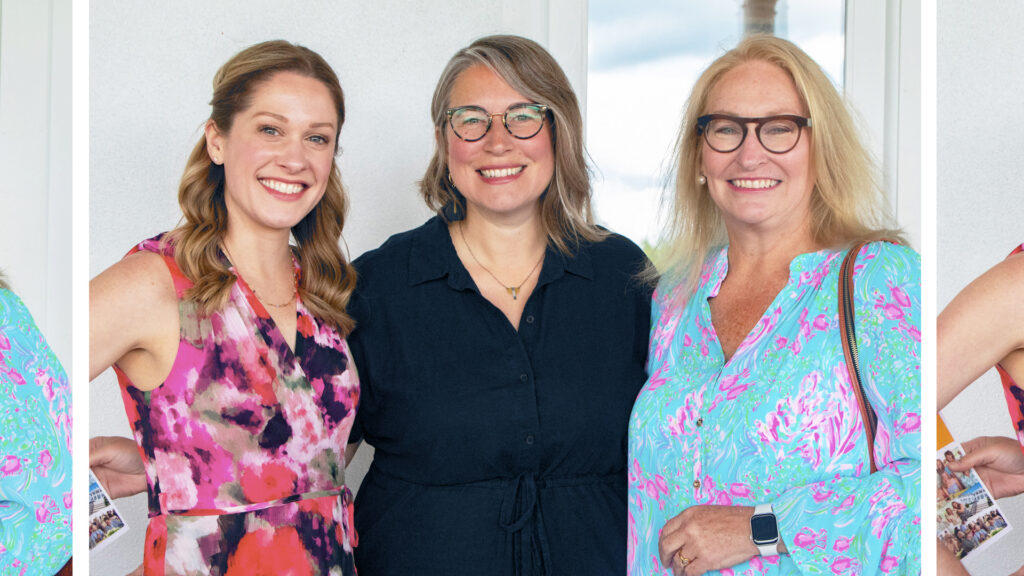
Saratoga Arts : Shown Allan Weatherwax (Board President), Amy Bloom (Executive Director) and Spencer Sherry (Grants and Community Outreach Coordinator) | Photo: Corey Aldrich

On the lower level you will find new lighting and ceilings throughout most of the classrooms, including a door from the main classroom providing direct access to Congress Park. To follow, a patio will be installed in collaboration with the City of Saratoga, slated later in spring 2026. The printmaking studio has new plumbing and a new sink was added in the smaller classroom. Additional improvements include upgraded wifi (especially on the lower level where there was none prior), a new boiler, new gutters, and electrical panels throughout much of the building.

“As a supporter of Saratoga Arts for over 30 years, NYSCA is proud to be a part of this extensive renovation project, which has created a multi-use facility to serve thousands of visitors. This new sustainable space will serve as a catalyst for creativity and collaboration for the entire region. Congratulations to the entire Saratoga Arts team, we look forward to decades more of your innovative and accessible programming.” Erika Mallin : Executive Director of NYSCA (New York State Council of the Arts)

Per Amy, the renovations will significantly improve Saratoga Arts ability to fulfill their programmatic mission to the community and provide an enhanced experience for community engagement.

WEB: saratogaarts.org | IG: @saratogaarts | ADDRESS: 320 BROADWAY

Religious Buildings and Historic Tax Credits: Time for a New Approach

November 24, 2025 By Corey Aldrich

I run into Julian Adams frequently in downtown Troy, usually at his favorite coffee haunt, Jacob Alejandro. A jovial chap and a significant informational resource for all things historic preservation, I recently reached out to him for the deets regarding the ongoing saga with the Holland Avenue Tudors in Albany as a friend of mine was wondering what it would take to repurpose a few of them as a professional live work campus for their small health practitioner / creative based collective. In our discussion, Julian mentioned this recent article he wrote and it has significant relevance to me as I see so many amazing structures in our region decaying away from lack of adequate reuse planning. I dropped in a few images of some vacant church spaces that have been on my radar for years.

Julian Adams : Director of Historic Preservation at Carmina Wood Design | Image: Provided

AUTHOR: Julian Adams
Director of Historic Preservation at Carmina Wood Design. Past experience includes Director of Community Services and Programs and Senior Historic Sites Restoration Coordinator at New York State Historic Preservation Office (NYSHPO)

I have worked in Historic Preservation for almost 40 years. Over that time, I have interacted with federal government historic programs using federal standards and guidelines for rehabilitation projects, restoration projects, reconstruction projects, historic resource surveys, National Register listings, building documentation, and preservation/restoration grants. However, of all the treatment standards in the Secretary of the Interior’s Standards for the Treatment of Historic Properties, the Standards for Rehabilitation are the ones I have most used and still use almost every day.

That set of treatment standards has guided many projects to a balance between project needs and the historic resource and continues to do so. However, over my career, there is one building type that can give state level reviewers pause in applying the Standards in an adaptive reuse project: Religious buildings, particularly Sanctuary buildings.

St. Joseph’s Church in Albany, New York | Image: Google Maps

As preservationists and many communities know, the reuse of religious properties can face significant challenges that often lead to their long-term abandonment, decay, and unfortunately, demolition. Although it’s not the only reason for their loss, the Standards for Rehabilitation, as currently interpreted, can add to the difficulty of retaining and finding a new life for these purpose-built structures, as funding through Historic Tax Credits (state and federal) can be crucial to the success of a project. Perhaps it is time to find ways under existing or new programs to allow them to remain as historic and physical landmarks in their communities, serving in a new way.

Historic religious buildings are typically specific use-built structures, many with unique decorative interior and exterior features and open interior volumes. Constructed in a time with different demographics and community density, they can represent a very early point in local history, or a high-water mark of the local economy, sometimes both, with redecoration, additions or alterations marking the time. Many are physical visual anchors of the area: They can be in the center of the city or village, or a major landmark visually and culturally, or in a part of a city or village associated with an important period of growth or immigration. In any event, they are all associated with a specific community identity and history.

St John’s Church in Albany, New York | Image: Google Maps

The fact that many of these buildings were “constructed in a time with different demographics and community density” is where the problem can stem from. Many larger cities have entire areas that have emptied out due to the loss of major employers, the pull (push?) of suburban development, the impact of urban renewal, or loss of population due to many other factors. In some cases, the neighborhoods that built these landmarks have been abandoned or demolished, but somehow many of the religious buildings and their associated buildings remain. Even in more intact or smaller communities, demographic shifts and the simple fact that people aren’t attending church as they once did have left many of these buildings empty.

In some of those complexes, former schools, athenaeums, convents, etc., have been converted into housing or other needed programs. However, the major uniting structure, the sanctuary building itself, can remain unused. Some have found uses as event spaces or galleries; however, in an area with several such resources there are only so many of these uses that can be supported; some are so large that the size alone can be daunting.

Saint Mary’s Church , Troy New York | Image: Google Maps

In trying to reuse a religious building, I have seen many different proposals: While some of these would make a preservationist shudder, and rightfully so, I think that it may be time to talk about what can be achieved under a more flexible reading of the Standards or review processes when it comes to the adaptive reuse of this building type and how we might work towards that.

A federal official once told me that if a project was denied due to their interpretation of the Standards, no worry, the right developer would come along and do a “better” job. For those who know upstate NY this is not always a reality. The closing and abandoning of religious buildings and complexes rapidly accelerated in NYS and nationwide over the last 15–20 years; this represents a crisis that preservationists cannot ignore.

Many states have a state tax credit; however, many of these tie that credit’s approval to the federal approval, damning projects from getting the state credit as well as the federal credit. For those that have independent state approval, the level of that credit alone may not be enough to make the project successful by itself.

Saint Peter’s Church, Troy New York | Image: Google Maps

I don’t have a quick and easy answer for this, but I do know that a high-level review (federal) of these properties might not be close enough “to the ground” to understand the challenges facing them.

I would hate to think that part of the problem is the Standards themselves, particularly when the preamble includes: “The Standards will be applied taking into consideration the economic and technical feasibility of each project”.

In the case of religious buildings, I am not proposing a laissez faire approach to review, such as allowing total “gutting” or removal of all character defining features. What I am advocating is a more balanced approach to working through the issues, including the building, its condition, the threat, the local need, local economy, and the impact its loss would have on the community.

In speaking with colleagues, it has been proposed that it may be time for legislative action on this issue. One approach would be to demand federal rule change in the Standards, emphasizing the preamble’s direction for the review of difficult property types.

Saint Patrick’s Church, Troy New York | Image: Google Maps

A second approach would be to allow those states with Historic Tax Credit programs to operate independently from the existing concurrent federal review process. Perhaps a periodic “check in” would be undertaken to keep the communication between federal and state reviewers ongoing, and to share questions, best practices, new ideas, or any concerns. This could also be done within national regions to encourage cross border collaboration and sharing of information, challenges, and approaches to review. However, the final approval of projects would rest with the states, who know, as stated above, the building, its condition, the threat, the local need, local economy, and the impact its loss would have on the community.

Changes to review processes have been mentioned from time to time, with federal officials typically being hesitant to “open up the rules”, fearing loss of the tax credit program or the federal/state partnership due to an administration or Congress that is seen as hostile to historic preservation. Even with that fear, it may be time to get more serious about this tactic, given the recent impacts to the federal preservation work force and the more-than ever need for funding assistance for significant adaptive reuse projects. States have traditionally been seen as “laboratories” for new approaches and programs within the United States, and it may be time to open the labs.

In closing, I would have what was built as record of faith, history, and a community’s aspirations remain in a streetscape, a skyline, on a town square rather than losing it when there can be alternative approaches to review.

Troy Based Context Collective is a Creativity Hub for Local Artist Community

November 24, 2025 By Corey Aldrich

Mariah Kitner got on the ACE! radar a few years ago when we featured her clay art work on a social media post. Fast forward a couple of years and I am beginning to hear a buzz about a new gallery space in Troy called Context Collective. At the time, I did not make the connection but I kept hearing about well supported openings and great exhibitions. When I finally got in the loop it all came together and I realized that there was so much more to what was happening there than I could have possibly imagined. Mariah is a talented artist and a skilled business woman who puts the economy in creative, all the while creating a supportive space for artists and makers of all stripes in her little kingdom in downtown Troy.

Mariah Kitner: Director and Co-Founder at Context Collective in Troy, New York | Image: Debi Gustafson

Please state your name(s). What is your position in the company? Can you share a little about your educational or experiential background?

My name is Mariah Kitner, and I’m the Director and Co-Founder of Context Collective, a gallery, workshop, and private event space I run with my studio-mate and collaborator Ash King. I have a BFA in Painting with a minor in Art History from Pace University and have worked in galleries and artist management in New York City for nearly a decade before pivoting to ceramics in 2020. My studio practice, Context Clay, explores the intersection of art, design, and storytelling through hand-built and wheel-thrown ceramics. Ash and I share a commitment to building a creative community here in Troy, and Context Collective grew out of our desire to create an inclusive, intentional space for artists and the public to connect through art.

Opening at Context Collective in Troy New York | Image: Provided

What is the mission of CC?

The mission of Context Collective is to support emerging and underrepresented artists through exhibitions, hands-on workshops, and collaborative experiences that center accessibility, curiosity, and craft. At its heart, Context Collective exists to nurture creativity, connection, and care. We believe in creating space for artists and community members to come together, to make, to feel, to reflect, and to be seen. Our programs are designed with intention, offering moments of pause and presence in a fast-moving world. The space serves as a hub for creativity and community, where art becomes an act of togetherness.

Main Gallery Space at Context Collective in Troy New York | Image: Provided

Can you walk us through the different areas of the space?

Context Collective is located in downtown Troy in a space that’s both functional and inspiring. The front of the building serves as our gallery and workshop area, where we host exhibitions, artist talks, and creative gatherings. Upstairs is mine and Ash’s shared ceramic studio loft for wheel throwing and hand-building, and the back showroom displays our small-batch ceramic collections. Downstairs, we have our production and glaze room, a full events kitchen, and a kiln area where the behind-the-scenes magic happens. Every part of the space is designed for making, showing, and sharing art in the community.

Workshop at Context Collective in Troy New York | Image: Provided

Can you tell us a bit more about sustainability and what you see as income streams for the project?

Our sustainability model is rooted in diversity and collaboration. Context Collective generates income through a mix of workshops, private events, gallery rentals, retail ceramic sales, and exhibition sales. We also pursue grant funding and community-based crowd-funding to keep our programs accessible while supporting fair pay for artists. This balance allows us to maintain a high level of quality and care while growing sustainably within the local arts ecosystem.

Group Show at Context Collective in Troy New York | Image: Provided

What are your future plans for the space? Any expansion plans programmatic or otherwise?

As we move into our second year, our focus is on deepening the programs that have brought people together since we opened. We’ve hosted twelve exhibitions in our first twelve months, ranging in medium, theme, and scale, from local group shows to national open calls. In that same time, we’ve led fifty-four workshops focused on ceramics, craft, ritual, and artistic development.

Looking ahead, we’re expanding our partnerships, refining workshops, and building out our customizable private event packages for groups looking to celebrate through creativity. We’re also developing programming that brings new audiences into contact with contemporary art and craft. One of our most popular exhibitions was an open call community portrait show that featured seventy-one artists, and we’re planning to bring back our pilot Clay Play Days, which offered pay-what-you-can handbuilding sessions that were met with incredible enthusiasm. To keep these community-centered events accessible, we’re inviting donations through our ongoing PayPal campaign to help fund materials, artist stipends, and future programming.

Context Collective Co-Founder Making Ceramic Chains | Image: Provided

BONUS: Anything coming up we should know about?

Our most recent exhibition Love Note closed on Saturday November 22nd, marking the end of our first full year of programming. The show featured my large scale castle in the cloud ceramic vessels and Ash’s ceramic chains celebrating connection and imagination, it feels like a beautiful reflection of the year we’ve had.

We’re excited to open our next exhibit, The Context Winter Market, a winter market featuring twelve artists who have exhibited or led workshops with us in the past year. The market opens on Shop Small Saturday, November 29, and runs through December, with special events during the Troy Victorian Stroll on December 7 and Meet the Makers Day on December 13. Our regular gallery hours are Saturdays 11am-4pm and by appointment, with extended holiday hours in December on Fridays from 4pm-8pm.

WEB: contextclay.com | IG: @context.collective.troy

Tapping Into Creative Community Design with TAP’s Barb Nelson

October 8, 2025 By Corey Aldrich

If you have spend time in Troy in the arts scene you know her work. Breathing Lights, Uniting Line, Creative Crosswalks, Troy Alley Action…the list goes on. Barb Nelson is more than just a public arts instigator and supporter. Her firm TAP Inc has been at the forefront of the arts and affordable housing for decades. I caught up with her to hear about what she has percolating currently and it’s impressive. A public recreation space in Troys Little Italy neighborhood, an affordable for purchase condominium project, and a month long riff of NYC’s ARCHTOBER…a Troy Edition! with over 25 events in October ranging from lunch and learns, hard hat tours, TAPpy hours and a killer art exhibition. And this is just a small sampling of the projects currently in process, all done enthusiastically and with an on eye on community building.

Barb Nelson : Executive Director at TAP Inc in Troy, New York | Image: Corey Aldrich

Please state your name, company, title. Can you give us a bit of your back story as well? Education, the path to how you got here? Interesting tidbits welcome!

I’m Barb Nelson. I became the Executive Director here at TAP Inc. exactly 10 years ago. I first worked at TAP as an intern right out of school RPI from 1980 to 1986. I managed my own practice from ’86 to ‘91 then returned to RPI to work in Campus Planning. I spent 24 years with RPI as an architect, planner and adjunct professor. But I had never wandered far from TAP’s community development mission and as such, I jumped at the chance when they needed a director in 2015. Along the way I’ve married, raised 2 daughters, renovated 2 homes, painted a dozen public murals, produced some circus shows, and served on a dozen boards, task forces and commissions. I like how easy civic engagement is in Troy.

TAP Inc Office Building in Troy, New York | Image: Provided

What does a typical day look like for you?

What’s a typical day? Some days are quiet, focused on the work of running a business. Some days are anxious grant deadlines collecting and formatting data for applications. We are a storefront so someday’s are busy with unscheduled walk-ins. I spend a lot less time on project sites measuring or monitoring construction work these days. we have a strong focus on place-making through participatory public art so on any given day we could be painting bridge abutments! Whether I’m designing a stair detail or connecting a client with grant funding, every day involves creative problem solving. TAP is like that, there’s always something different to take care of.

Barb Nelson Review Plans with Stakeholders | Image: Courtesy of Breathing Lights

How many staff do you have and what disciplines do they represent?

We have an amazing team of eleven ‘Totally Awesome Professionals!‘ 3 architects, 1 construction admin specialist, 4 license track designers, 1 sustainability director, an operations wizard, and a director of finance. Among us we have dancers, musicians, runners, builders, makers, artists, cooks and performers!

The Arts Center of the Capital Region Facade Project | Image: Provided
Habitat for Humanity Housing Plan Rendering | Image: Provided

What is the mission at TAP and as a NFP architectural firm, how do you fit in compared to other architectural and design professionals, the overall ecosystem?

TAP has been restoring, rebuilding, and revitalizing historic structures and urban neighborhoods since 1969. Many architects develop specialties, like schools, hospitals, homes, or retail. TAP’s niche is bringing vacant, damp, burned, and deteriorated structures back to life. When you do that, you bring life back to a neighborhood. We are partly funded by NYS so we can reduce our fees for qualified clients. We also can help neighborhoods envision change through community design. We can assist other non-profits in accessing grant money for their facilities. We’ve helped Habitat for Humanity build about 90 homes in the region. We’re big on collaboration with other organizations. We believe that ‘Together Anything’s Possible.’ TAP is one of 8 regional non-profit partners that make up the Capital Region Clean Energy HUB, managing energy saving upgrades for low income homeowners, and promoting clean energy job training.

Left to Right: Mayor McCarthy (Schenectady), Mayor Sheehan (Albany), Barb Nelson, Mayor Madden (Troy) and Adam Freland | Image: Courtesy Breathing Lights
Breathing Lights Installation in Schenectady, New York | Image: Courtesy Breathing Lights
Uniting Line Project | Hoosick Street Bridge in Troy, New York | Image: Provided

Any projects you are especially excited about right now?

We have so many! We are working with Affordable Housing Partnership in Albany to disseminate hundreds of home improvement grants for Low to Moderate Income Homeowners. In Schenectady, we have vacant homes being renovated by Better Community Neighborhoods Inc.

Closer to home, construction will start soon at Troy’s Little Italy Market Park, where TAP helped obtain grant money to transform the asphalt lot into a pocket park. We always have accessibility projects, making homes more livable for people with disabilities. We also just completed the restoration of 140 historic window sash at the Arts Center of the Capital Region in Troy.

Adler Place Site Plan : Future Affordable Condominium Project | Image: Provided

Finally, our biggest effort these days is the development of Adler Place, 32 affordable courtyard condominium units in Troy. Our plate is full for sure but there’s always room for more. Our project list proves out our mantra, ‘Trusted Affordable Proactive.’

Shamless Plug: Anything we should know about that you have percolating?

Yes, we just kicked off a new initiative called ARCHTOBER: Troy Edition! A month-long festival celebrating architecture, architects and all the creatives responsible for our built environment. Did you know we have over a dozen architecture firms in Troy? Most are within a few blocks of each other downtown.

To find out more about this exciting series go to the TAP website and see the robust calendar line up of TAPpy Hours, films, trivia, hard hat tours, webinars, book talks, lectures, and a great closing party that will see us form a collaborative event with fellow arts organization Collar Works and their annual Mad Collar Party. Collaboration is a big part of this series and we have partnered up with several for profit architectural firms, and arts and cultural organizations including the Troy Savings Bank Music Hall, the Arts Center of the Capital Region, Tech Valley COG, the Hart Cluett Museum, 518 Film Network, Picture Lock One, WMHT, Architecture +, Mosaic Associates, ME Studio, Lightexture, the North Eastern New York Chapter of the American Institute of Architects and more!

If you know a young person who’s curious about the profession please bring them to ARCHTOBER one of our events.

  • Page 1
  • Page 2
  • Page 3
  • Interim pages omitted …
  • Page 17
  • Go to Next Page »

Creative Economy Updates and Other Good Stuff!

STAY CONNECTED!

  • Facebook
  • Instagram
  • Twitter
Copyright © 2020 THE UPSTATE ALLIANCE FOR THE CREATIVE ECONOMY

info@upstatecreative.org | 41 State Street, Albany, NY 12207

Design by Reach Creative