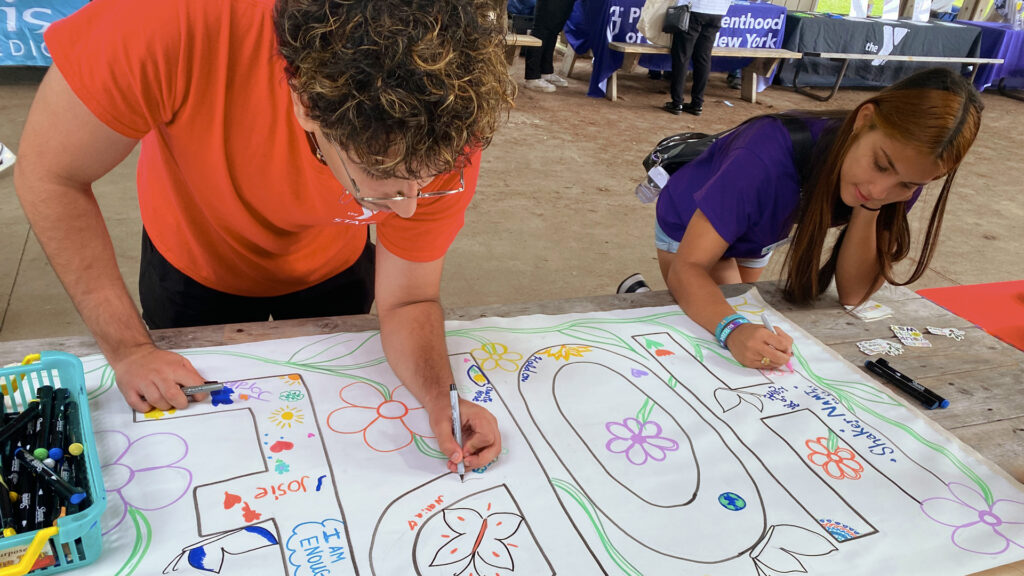
I properly met Michael Easterbrook, Executive Director at the Mount Ida Preservation Association at La Perla Restaurant and Country Inn while participating in a ‘speed dating‘ format, professional networking event of Rensselaer County arts and cultural professionals. As you know, I frequently like to feature folks who have made major transitions from traditional corporate gigs to mission oriented endeavors. We really got real and practical discussing values and trade off considerations here. If your considering a move yourself, this is a must read. Also, Mt Ida is just slaying on the programming front…so there’s that as well!
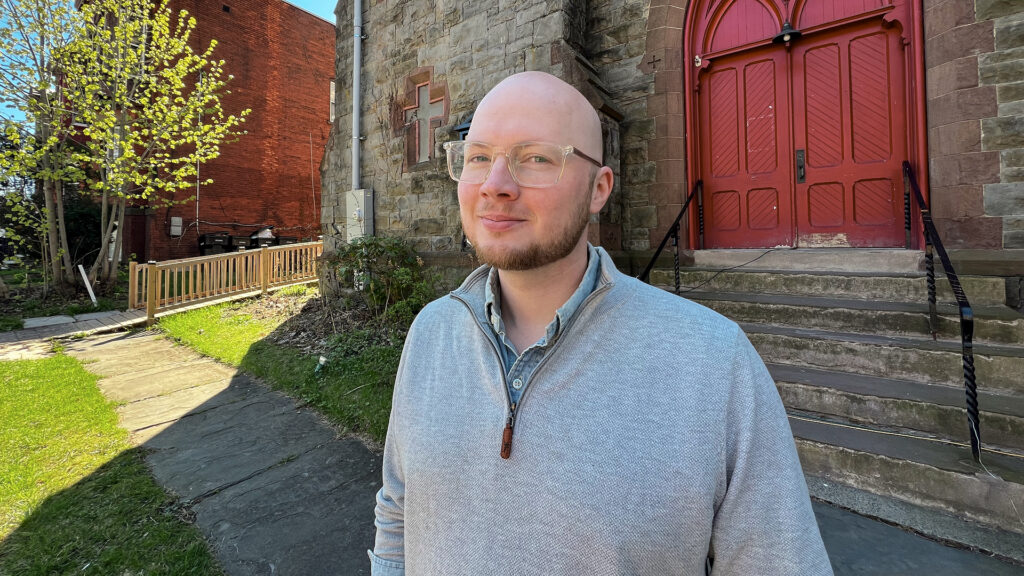
Please state your name, organization and title. Can you share about your educational and career background as well?
My name is Michael Easterbrook and I am the Executive Director at Mount Ida Preservation Association. I have a B.S. in Chemical Engineering (Focus in Bio-Engineering) and Minor in Engineering Entrepreneurship from The Pennsylvania State University. I worked for 8 years as a process controls and validation engineer for a bio-pharmaceutical company. I’ve spent last 2 years as Executive Director for Mount Ida.
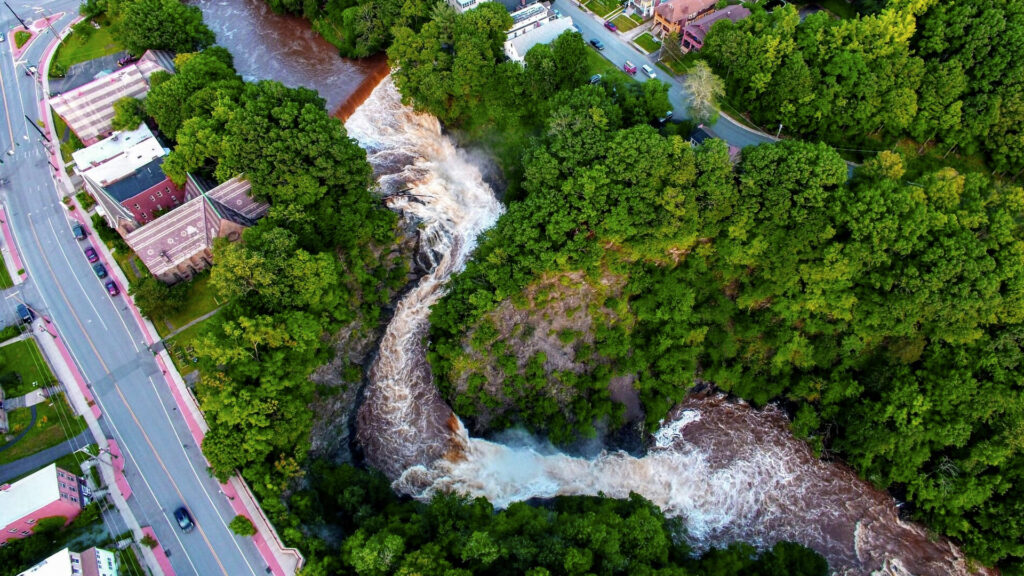
Photo: Provided
What is a typical day in the life look like for you?
My days are very different, but mornings I try to keep relatively consistent. They consist of making pour-over coffee – 2 cups – the 2nd weaker cup is for the next day while I am waiting for today’s water to boil, watering our indoor plants, taking out the compost and watering our outdoor plants, feeding the cats and the less glamorous scooping of litter, a load of laundry goes in the wash, a quick tidy of the kitchen and living room. If I am efficient I try to squeeze in a bit of writing before starting my “work” day. The process takes ~2 hours, and starts somewhere between 6:30 and 8:30 AM.
My working days have a lovely amount of variety. To the extent that my schedule allows I like to take my e-bike downtown to a coffee shop to do computer work: which includes email communications, reconciling the books, applying to grants, generating policy or procedure documents, volunteer coordination, digital set-up and marketing work for the events i.e. (creating ticket links, adjusting graphics, Facebook events, Instagram posts, uploading to our website). This computer work is interspersed with my favorite part of my work – making connections and planning through meetings! I usually have several one on one style meetings each week, where I get to meet someone new over lunch or coffee, or dig deeper into an existing relationship. It’s almost always exciting to learn about the interesting and unique work folks are making happen in the capital region, and coordinating how it might connect to or through Mount Ida.
My computer work day ends around 4 – 6 PM. Many times I am headed to a group meeting, or to set-up for an event. Evenings are either supporting/enjoying an event, or enjoying an evening and meal at home with my wife.
Late evening, I move laundry to the dryer, and prep the next load for the wash. I wind down with a little bit video gaming, reading a graphic novel from Cromulent Comics or poetry I’ve nabbed from Papermoon before bed.
What types of programming and activities are happening at Mt Ida?
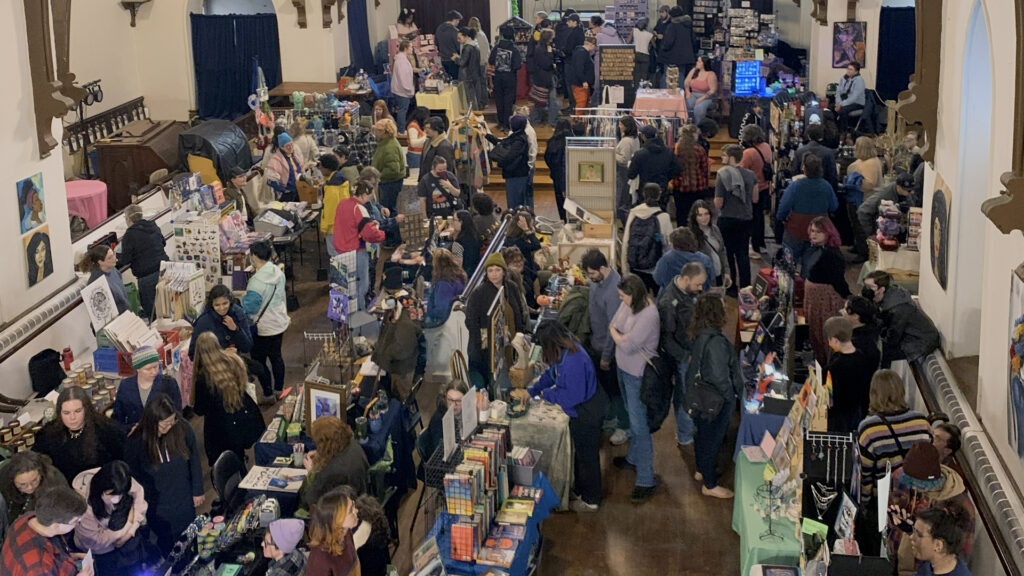
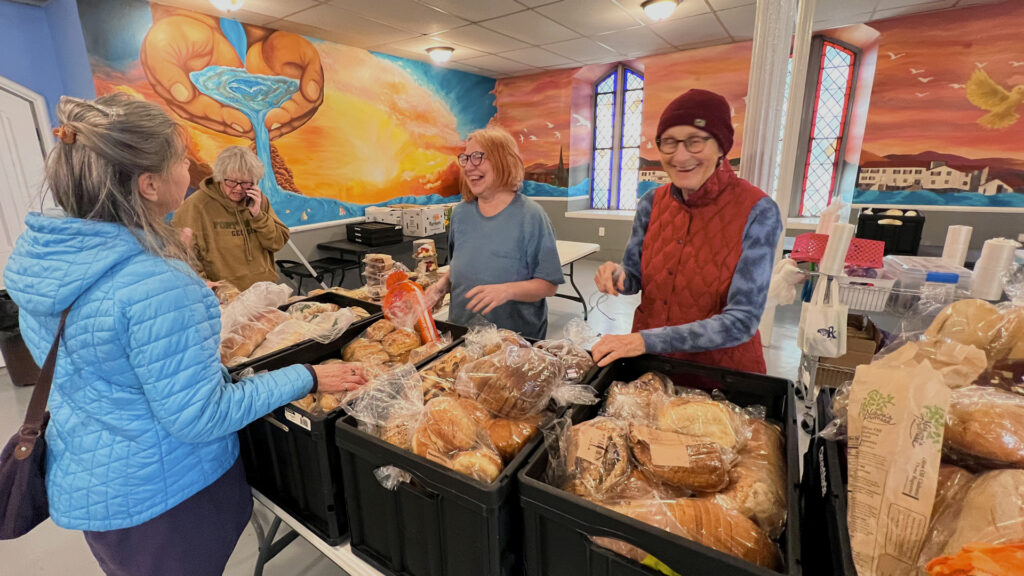
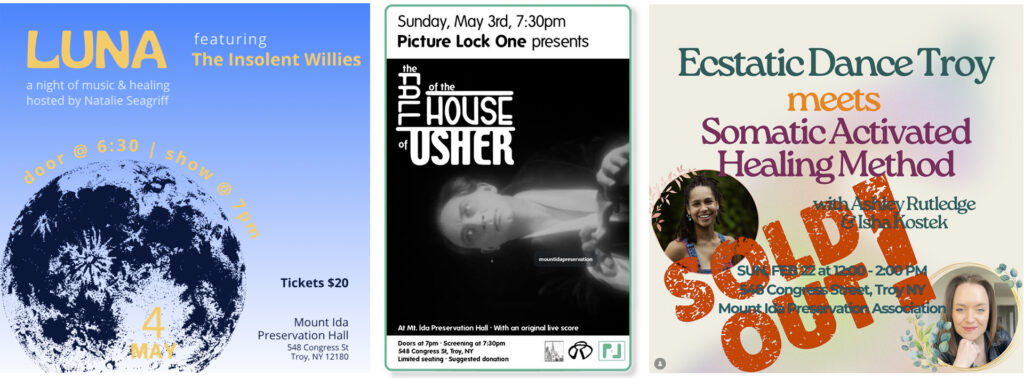
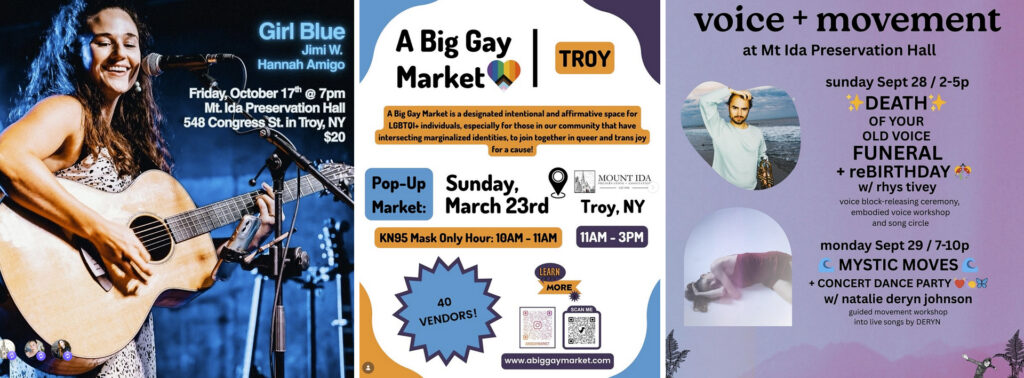
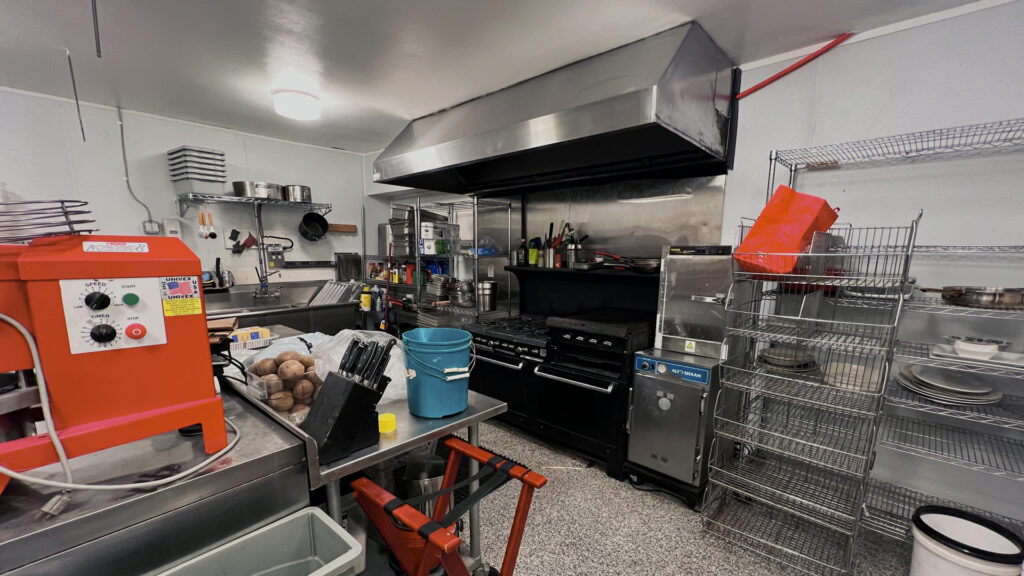
We have a diverse variety of activities happening here. Certainly lots of performance including the LUNA Music series, poetry reading, marketplace events and even on occasion…circus performance! Creative health and wellness events are also starting to play a larger part of the regular activity happening in the building including a consistent Estatic Dance event. There is also, theatrical / plays being rehearsed and performed in the space. We have a commercial kitchen we are in the process of bringing online for a rental program to support local entrepreneurial enterprise and finally, we are a food distribution point (Mt Ida Food Pantry) for those in need and hold regular community brunch events on site. I imagine I am forgetting a few things here but you get the idea…lots!
You left a promising career as a chemist at a well known company. What made you decide to jump ship and take on (actually create!) this project? How have you had to adapt in your daily life to do so? Financially, family-wise?
I didn’t know I was going to pursue the work I am now, when I left my job in bio-pharma, I left for many small reasons. Between 2021 and 2022, my wife moved in with me, we took on a major renovation, and planning our wedding. We were living out of boxes, and neither of us had the energy after work to physically or mentally unpack and organize our new life together. So in part, I left to tackle unpacking and settling us into living together. My job was primarily a desk job, I designed experiments to ensure our commercial manufacturing processes worked as intended, and I then wrote reports summarizing that data. These reports were essential to the regulatory process, but at the end of the day – the best case scenario for these reports is that someone in the FDA reads them and agrees with the conclusions, and never asks about it. So in part, I left that job because my work didn’t feel rewarding. I also felt the shifts in society and politics shaping the backdrop of my world. There were so many other small reasons, but those three ring loudest: take time to work on my home, do something that felt more rewarding, and to develop my personal world view.
It was a scary decision to leave, because I wasn’t going on to the next thing. I was just leaving. I had a plan to take care of some things, but I had no idea what I’d do after that, how I was going to make a living; what doors I was closing.
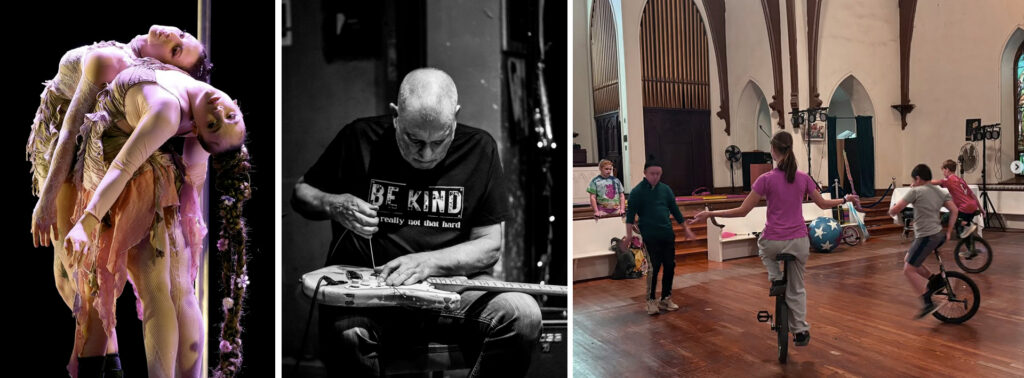
Photo: Provided
The path has revealed itself in little ways since that decision to leave. Working on our home, revealed the way taking the time to care for your space improves your daily joy. Working on developing a world view, after much reading and research revealed to me how important connected community is to my politics. Working on discovering what felt like rewarding work led me to deepening my role at Mount Ida.
Now Mount Ida is a way for me to pursue these things: improving a space in my neighborhood, creating a connected community as means of expressing my politics – its work that feels meaningful and rewarding in a way that is refreshing. Strangely its just as stressful as the job I left, maybe more so, but the meaning and philosophical alignment make it worth it.
I don’t want to make it sound like a have it figured out though. There is still much of the balance to figure out. Financially I make a tiny fraction of what I was making. I was lucky to have saved a lot money during my career to support us through these past couple years, and I am lucky my wife is able to financially carry most of our expenses, but eventually the money I am to able to be paid through Mount Ida will have to grow for it be something that’s financially sustainable for us.
My wife has been incredibly supportive through the entire process and encouraged me every step of the way, but we’ve certainly had to have conversations about how we each feel about our respective contributions to the household. I’ve taken on more responsibilities at home, in trade for the extra flexibility I have with my less traditional employment and lower income. We check in with each other more, to make sure we are both still comfortable with the balance we’ve arranged.
At the start, we were very careful, and took a pretty fine comb to our finances. We cancelled subscriptions, and restricted our spending. In the end, strangely, it feels like our lifestyle didn’t change that much, and we’ve loosened up since. Every so often we need to reel in spending again after getting a little too comfortable, but it feels healthy in a way to check-in with ourselves financially and evaluate what what’s really important for us to spend money on.
How would you describe where the organization is currently at and where you would like to see it in the next couple years? What’s that roadmap look like?
Mount Ida is putting itself on the map, learning how to operate through experience, and building financial sustainability. Over the past two years, we’ve worked out the logistic capability and structure for hosting various events at our historic church space. In the process Mount Ida has made a little name for itself with a recent feature in Metroland, a nomination for alternative venue of the year, and a couple of stories in CBS 6 and the Times Union.
To sustain an active roster of art programing, there is the challenge cleanly defining our behind-scenes workflows so that we can bring in new staff and volunteers, and create an easy to follow and exciting experience for them! A big part of those workflows will also be marketing; developing reliable channels to get the word out about what’s happening at Mount Ida. While revenue from events sustains Mount Ida through the Fall and Spring Seasons, We are also preparing to open year-around programs that will generate some regular revenue: namely a rental commercial kitchen and healing arts class program.
Once we have operational stability down, we’ll be looking to leverage our work to tackle the bigger projects on the property; repairing, restoring, and improving the building. The dream will be to one day create a public access overlook deck to take advantage of our view of Poestenkill Gorge. That project will complete the vision of a community and art center that we can proud to have in the Mount Ida Neighborhood and for the City of Troy!
Anything in the immediate future you have going on you would like to share? Recent wins?
Keep an eye out for our May program, which will be running every weekend. Our Mother’s Day Brunch with Chef Larry Schepici (Previous Restaurant Affiliations include: Jacks Oyster House, the Brown Derby, Saratoga National and Tosca Grill / Illium Cafe) will be a 5-star grand buffet dining experience, and is an important fundraiser for us on Sunday May 10th. The Luna Series will continue through the summer on the Monday closest the full moon (1st Mondays), and our open mic will continue through the summer on 1st Tuesdays of the month.
WEB: mountidatroy.org | IG: @mtidapreservation