• Skip to primary navigation
  • Skip to main content

ACE

Upstate Alliance for the Creative Economy

  • HOME
  • ABOUT
  • NEWSLETTER
  • SUBSCRIBE
  • JOBS
  • Show Search
Hide Search

creative placemaking

The Museum Association of New York : The Tie That Binds – A Conversation with Erika Sanger

March 23, 2023 By Corey Aldrich

Please state your name, title and what it is you do for the organization.

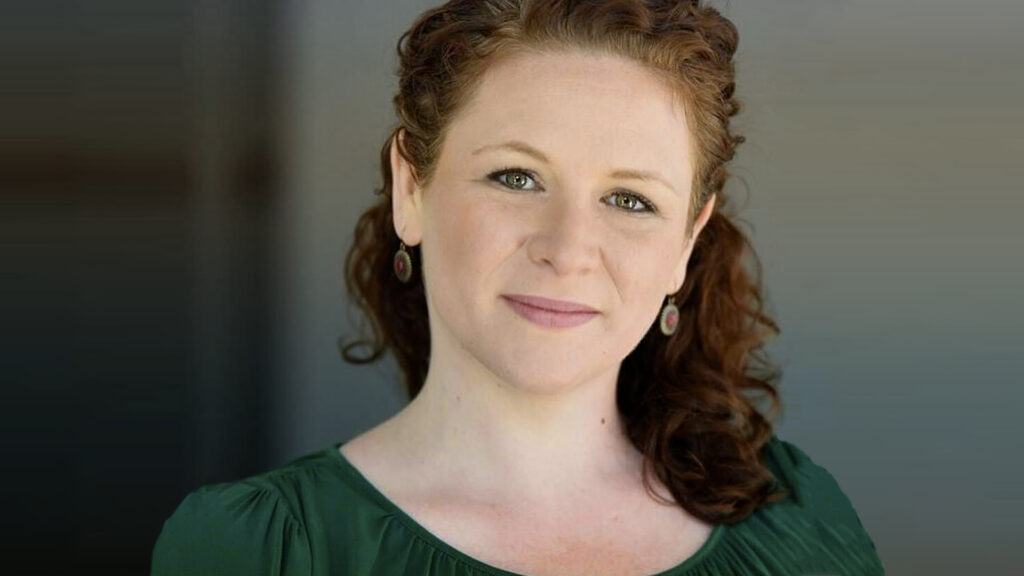
My name is Erika Sanger and I am the Executive Director of the Museum Association of New York. In this role, I am the leading ambassador and advocate for museums and cultural institutions in New York State. I work with the board and staff to deepen connections with members and constituents; seek new opportunities for programs and funding; maintain, support, and develop relationships with members and stakeholders including museum professionals, industry partners, state and federal funding agencies, private foundations, local, regional, and federal government officials, and leaders of peer institutions and arts organizations. I was honored last year by the American Alliance of Museums with the 2022 Advocacy Leadership Award for my work on behalf of museums in New York and across the nation.

The Museum Institute at Great Camp Sagamore | Leadership Learning Retreat 2021 | Photo: Provided

Can you share a bit about your background?

I joined the Museum Association of New York in August of 2016 after serving twelve years as the Director of Education at the Albany Institute of History and Art. There, I provided vision for the development of programs for adults, children, schools, and families, focusing on object-based learning and digital initiatives. I led the institute’s “digital renaissance,” most notably with the launch of a new website and creation of interpretative strategies around hand-held digital devices and interactive media.

I gained my work experience and leadership skills through positions held at renowned arts and cultural institutions including the International Center of Photography, the Jewish Museum, the New-York Historical Society, the Brooklyn Museum, and the Asheville Art Museum in Asheville, NC. I also served as Director of Development at Penland School of Crafts in NC, where I was actively engaged in the region’s artist community and participated in the design and implementation of heritage tourism initiatives and campaigns for capital and endowment funds.

I’ve developed program assessments with Harvard University’s Project Zero, the North Carolina Center for the Advancement of Teaching, and with the education department at the University at Albany. Programs produced under my direction have received funding from state and federal agencies, including the Humanities and Arts Councils of the states of New York and North Carolina, the Institute for Museum and Library Services and the National Endowments for the Arts and Humanities.

I received a BFA from Clark University and an MA from NYU’s Steinhardt School of Culture, Education, and Human Development.

MANY Annual Conference | Photo: Provided

Can you tell us what a typical ‘day in the life‘ for you is?

I frequently say that this job is like riding a roller coaster! We host an April annual conference, professional development programs are produced across the state all year, the legislative calendar of the state and federal governments dictates our advocacy work, and our virtual programs reached over 1,600 people in 48 US States and 8 other nations in 2022. On any given day I may work on a grant application, have a board committee meeting, advise a member on a project or program, and work with our accountant on the organization’s finances. In 2022, we adopted a new strategic plan, revised our by-laws and personnel policy, and changed the board of directors’ terms to align with the organization’s fiscal year.
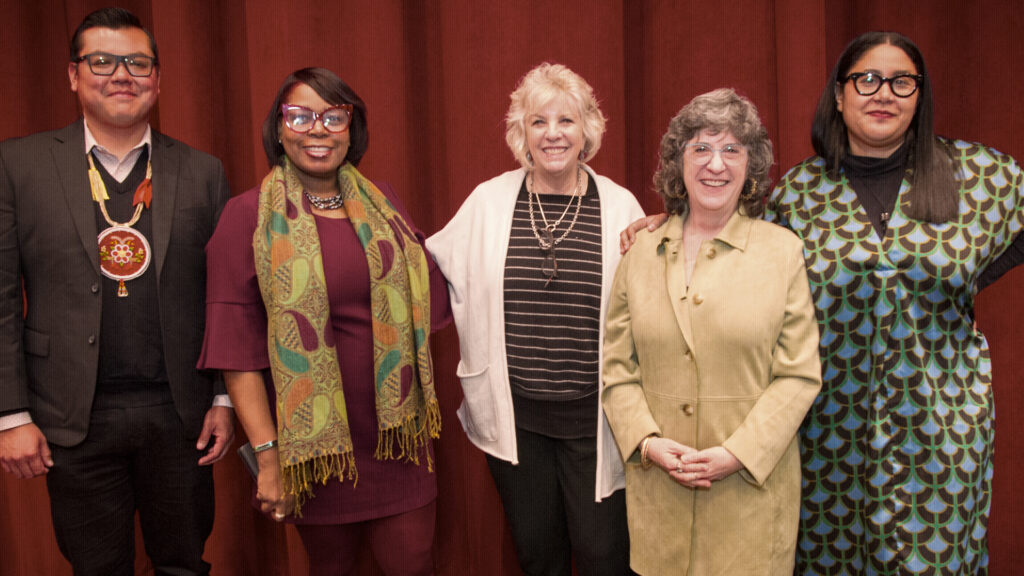
Jamie Jacobs : The Rock Foundation | Georgette Grier-Key – Executive Director and Curator : Eastville Community Historical Society | Didi Barrett – NYS Assembly Member (D-106) | Erika Sanger – Executive Director : Museum Association of NY | Chloe Hayward – Director of Education : Studio Museum in Harlem Photo: Provided
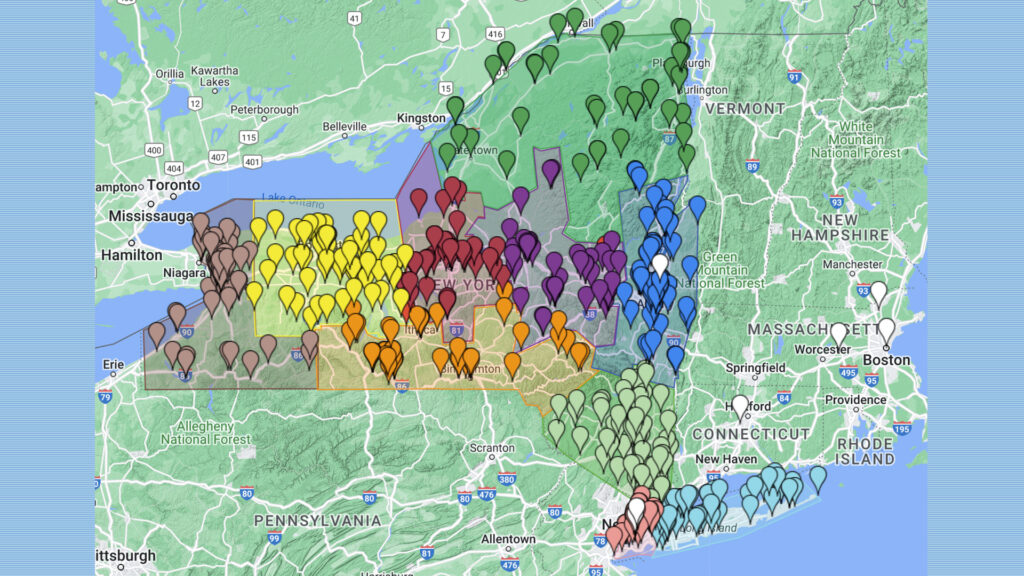
Museum Association of New York Membership Map

Can you tell us a bit about the mission and focus of MANY? How many members do you have and what types of institutions / organizations are in the group?

The mission of the Museum Association of New York is to help shape a better future for museums and museum professionals by uplifting best practices and building organizational capacity through advocacy, training, and networking opportunities. We closed 2022 with 730 members, a 6% increase over 2021 and in the first quarter of 2023, have gained 25 more. The largest number of our members are in the Capital Region and New York City, but we have members located in every region of the state, from every discipline and every budget size from all volunteer organizations to museums with budgets that exceed $10 million. Our website has a great map with each organizational member identified and most people would recognize many of our members.
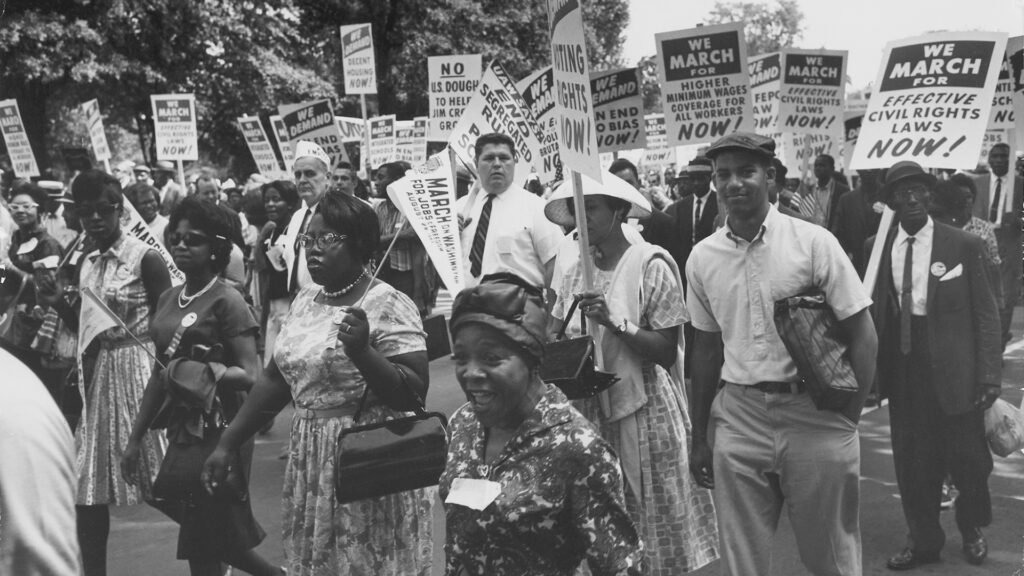
March on Washington for Jobs and Freedom | August 28, 1963 by Rowland Scherman
Courtesy of National Archives and Records Administration

What is something you are currently working on that your excited about or that you feel we should know about?

As our nation approaches the 250th anniversary of the signing of the Declaration of Independence, we know that museums are searching for ways to engage their communities with connections to the history of our nation. They are seeking ways to tell multi-vocal stories of our past, to embrace all the people who live in their communities regardless of race, religion, or nation of origin.

The Museum Association of New York is New York’s representative to the Museums on Main Street program of the Smithsonian Institution’s Traveling Exhibition Service. In that capacity we are traveling their exhibition Voices and Votes: Democracy in America to twelve New York museums to help them prepare for the semi-quincentennial, aka America 250. This traveling exhibition includes historical and contemporary photographs; educational and archival video; engaging multimedia interactives, and historical objects like campaign souvenirs, voter memorabilia, and protest material.

Each museum will display the Smithsonian exhibition and produce a small exhibition drawn from their own collection that relates to their community’s role in the development and advancement of Democracy in America, explores a Voices and Votes theme, or tells the story of how people in their community created positive change for our nation. The local exhibitions may be installed in the museum, or in a community partner space like a library or school, or the Voices and Votes exhibition could be installed in a community partner space and the local exhibition in the museum. The application deadline is approaching and we know selecting the exhibition host sites will be a real challenge!

Additionally, The Museum Study Act passed the New York State legislature unanimously (minus one!) in 2022 with overwhelming support from several state agencies. The Governor’s veto noted that the legislature would need to appropriate funds for it to be signed. Actions to that end are already in motion.

EDITORS NOTE: Erika’s comments on The Museum Study Act
STEAM + A = Creative Activism : A Conversation with Kristen Holler

January 19, 2023 By Corey Aldrich

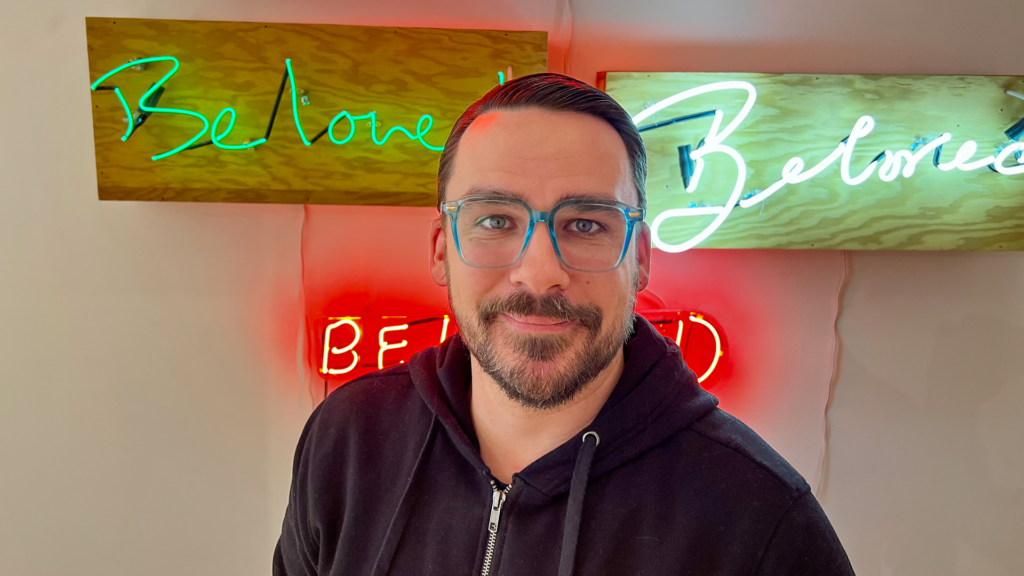
I first met Kristen Holler in her role at the Albany Barn. I have had the opportunity to work with her on projects there and in Schenectady at the Electric City Barn involving ACE! and my own production work with my company 2440 Design Studio. So when I was included on an email from Steve Pierce announcing her new position as Executive Director at the Sanctuary for Independent Media, I immediately knew that this could be a tremendous match for her and the organization. Focused and tireless, Kristen has a deep arts and community background. Though fresh on the job, I wanted to be a part of launching an awareness about her transition and have her share a quick update with us all about the amazing STEAM based approach that the Sanctuary is bringing to a neighborhood community and beyond.

Kristen Holler : Executive Director at The Sanctuary for Independent Media | Photo: Provided

Can you tell us a bit of your background and what you did before this?

Prior to coming to the Sanctuary for Independent Media I was the Executive Director of Albany Barn – a nonprofit org that supports artist development through a wide variety of technical assistance and subsidized/shared resource programs – from 2013 until 2022. In that time I helped to drive the opening of Electric City Barn in Schenectady, and served as a project manager for the Capital Walls public art initiative in collaboration with Albany Center Gallery. My professional background has been almost exclusively in the nonprofit space, but has been a combination of direct service and administrative roles across housing, employment, health, and arts organizations.

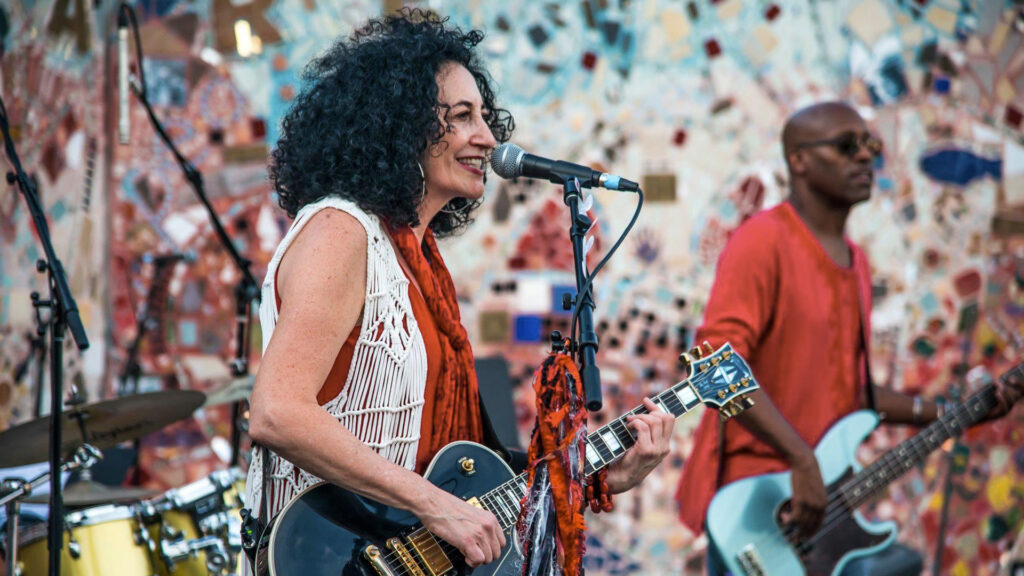
Live Performance at Freedom Square | Photo: Provided

The Sanctuary is so many things – from performance art, to science to activism…can you give us an idea of what the main areas of focus will be for you and why this position was attractive to you?

I think the thing that resonates most for me is that although the Sanctuary ‘is so many things,’ each of those things is linked back to the pursuit of social justice, and the use of creativity and independent expression as tools in that pursuit. I had the pleasure of working with and learning from Steve Pierce and Branda Miller – two of the organization’s founders – in my time at The Barn.

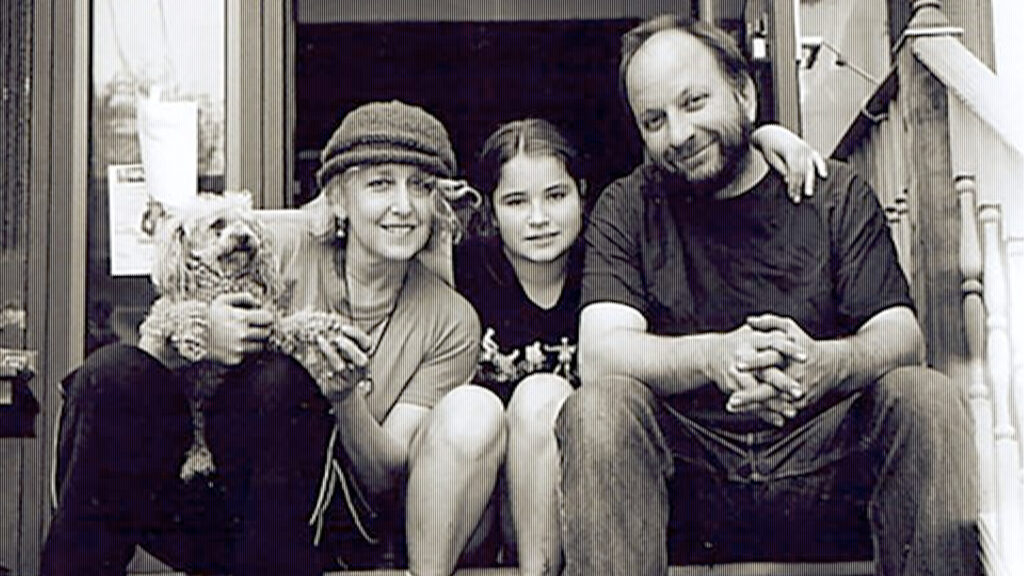
Branda Miller and Steve Pierce sitting with daughter Masha, and dog, Rose Fang. | Photo: Provided

It is an honor to step into this beautiful space that they’ve created, to build upon their legacy. My focus will be strengthening continuity and sustainability across the varied initiatives and programs and to provide strategic leadership in a time of transition.

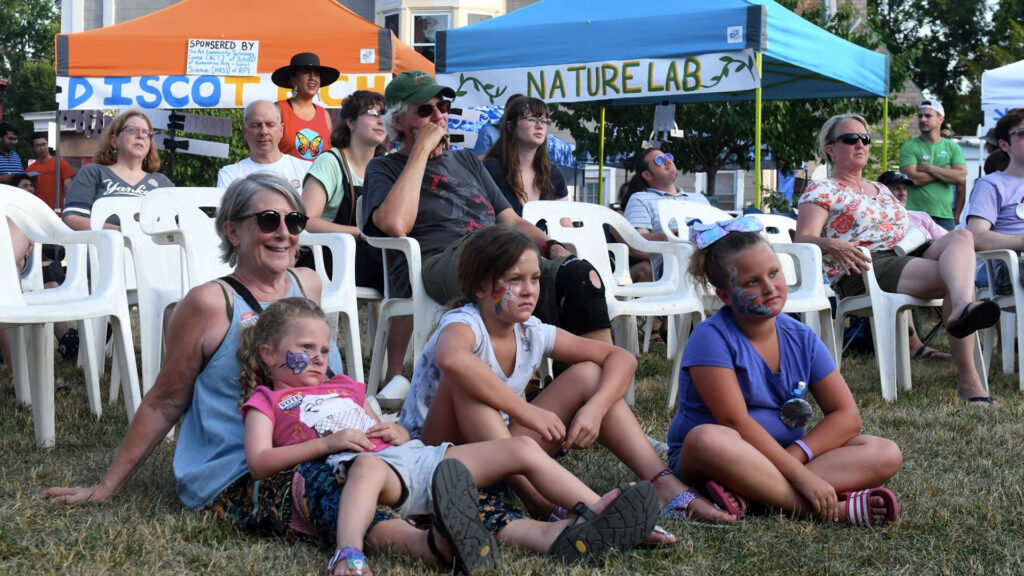
Event Audience at Sanctuary for Independent Media. | Photo: Provided
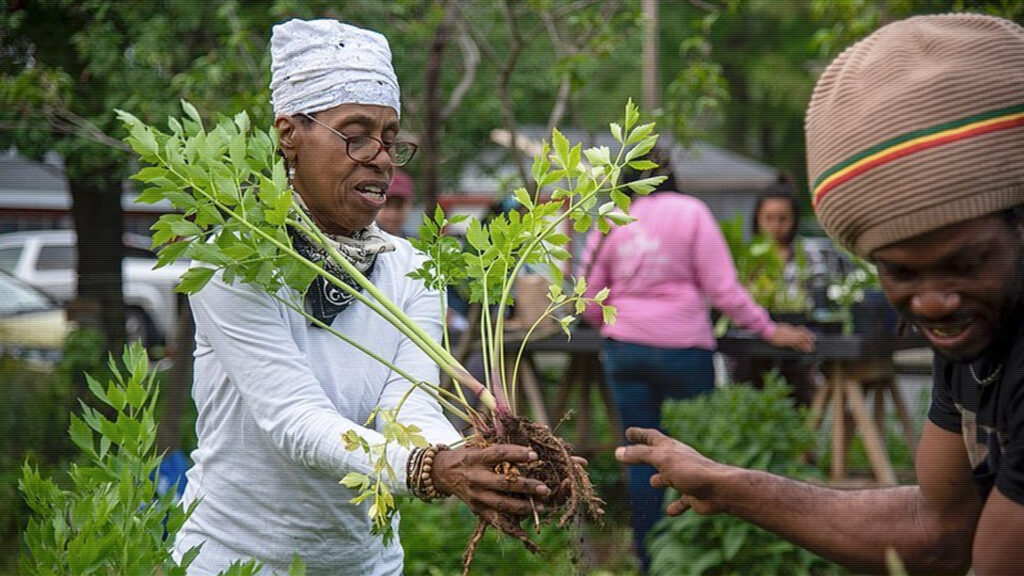
Collard City Growers participants work the permaculture garden. | Photo: Provided

Can you share with us some meaningful ways in which the Sanctuary is making a difference in the lives of those who are in the neighborhood and beyond?

The Sanctuary’s varied programming really provides something for everyone, and the community of individuals who have created and driven this organization forward for the past 20+ years have shown a true dedication to remaining independent from corporate control and responsive to community input.

Collard City Growers participants work the permaculture garden. | Photo: Provided

One of the major ways that The Sanctuary has impacted the immediate neighborhood is through investment in vacant lots and buildings, reactivating them for community use including Freedom Square – a public performance and gathering space; Collard City Growers – a food justice, arts, and permaculture project; NATURE Lab – a community science lab; and People’s Health Sanctuary – a community-led mutual aid health initiative. Another space where I think The Sanctuary has had real impact is in creating STEAM programming where the arts, sciences, and media are not silos, but an intersection of related disciplines where the arts are tools for scientific discovery, the sciences are a tools for creative expression, and media is the vehicle for sharing the process and the outcomes in ways that are accessible to a wider audience. (Editors Note: This!!)

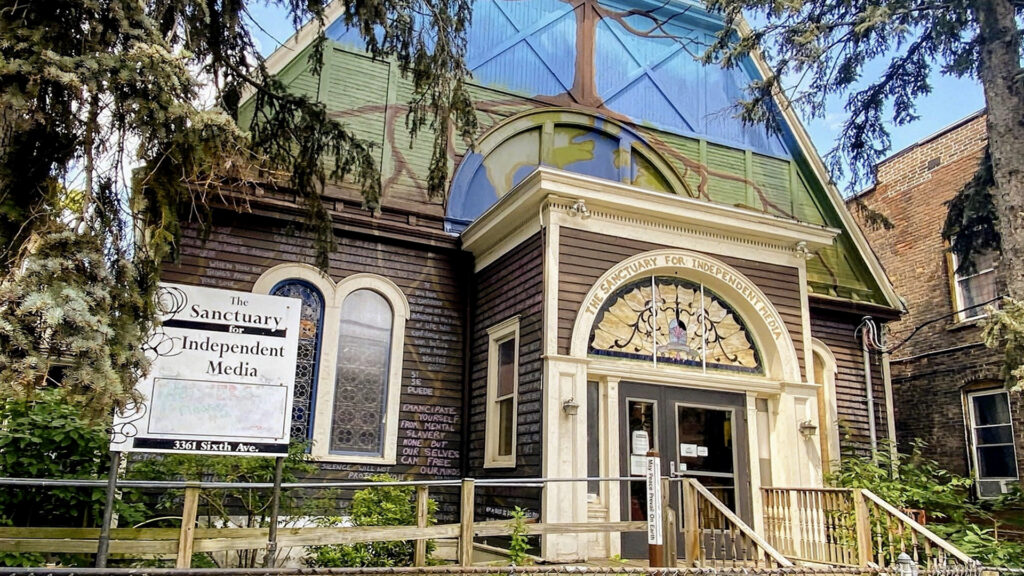
The Sanctuary for Independent Media Main Entrance. | Photo: Provided

There has also been a consistent effort to develop and maintain strong community relationships with individuals and other organizations through these connections. The Sanctuary has helped to get important community-led initiatives into the media – including stories that depict a more positive image of the N. Central Troy community. Outside of the immediate neighborhood The Sanctuary’s media content and performance series have drawn visitors virtually and in person from other states and countries.

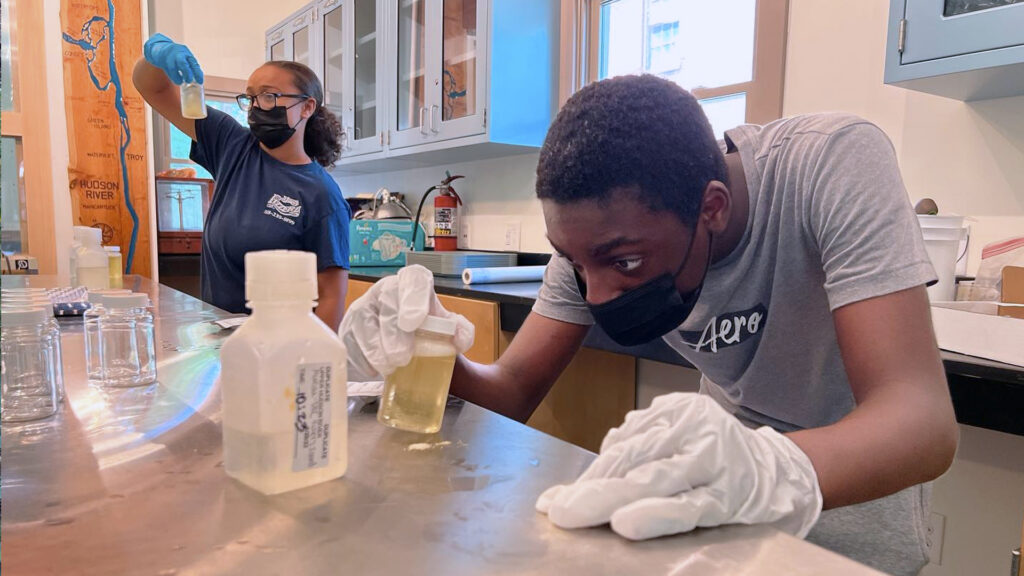
Nature Lab (Water Justice Project) participants testing Hudson River water samples. | Photo: Provided

What are the primary funding sources for the organization?

The organization is funded largely by individual donors and sustaining contributors – particularly Sanctuary Radio and Sanctuary TV. Additional funding is provided by NYSCA, DEC, NEA, McCarthy Charities, Howard & Bush Foundation, and The Community Foundation for the Greater Capital Region.

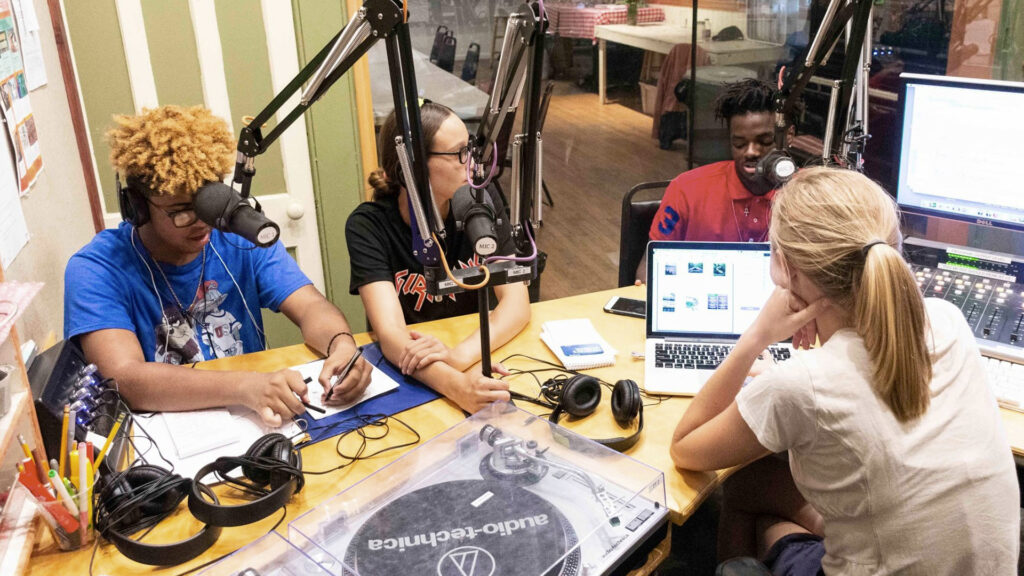
Developing story based narratives at Sanctuary Radio. | Photo: Provided

Anything coming up on the horizon we should be aware of or keep on the lookout for?

People can tune into Hudson Mohawk Magazine daily at 7am, 9am, and 6pm for independent coverage of local news and topics impacting our Region. The People’s Health Sanctuary will have a series of open houses in the winter and early spring that are in the final stage of scheduling. The Sanctuary will continue with its signature annual events including Freedom Fest in the summer and Story Harvest in the fall. Information on upcoming events can always be found on our website.

Freedom Square entrance at the Sanctuary for Independent Media. | Photo: Provided

WEB: mediasanctuary.org

FREE TICKETS to the Grammy Nominated Danish String Quartet!*

January 19, 2023 By Maureen Sager

The Danish String Quartet | Photo: Provided

This month we are partnering with the Friends of Chamber Music of Troy to make available a block of tickets to a rare Capital Region performance by the Grammy nominated Danish String Quartet. Availability is first come first serve and limited so jump on this ASAP if your interested. There is a two tickets per person limit.

* Ok, its not totally FREE, the ticket processor has a mandatory fee of $ .70, so you will be set back $1.40 for two tickets. Original ticket cost is $35 per ($70 for two) so, its as close to FREE as we could get! To get the discount, click the link below and when procuring the tickets Enter Discount Code: ACE – That will recalculate the cost. Reserved tickets will be a the Will Call window.

TO SECURE YOUR TICKET NOW CLICK HERE

With arrangements of Nordic folk music and a sound described as “capable of intense blend” and “extreme dynamic variation” (Gramophone), the Danish String Quartet (Frederik Øland – violin, Rune Tonsgaard Sørensen – violin, Asbjørn Nørgaard – viola, and Fredrik Schøyen Sjölin – cello) comes to Albany with stylistic diversity and admiration for creative interpretations of classical music.

“This is one of the best quartets before the public today.”
Robert BatteyThe Washington Post

“They could be grounded in their tone or mystical. They allowed time to stand still, and they could assume the pose of excitingly aggressive rockers. They did it all.”
Mark Swed The Los Angeles Times

When: Saturday, January 28, 2023 at 3:00 PM

Location:
Page Hall | University at Albany | Campus 135 Western Avenue Albany, NY 12203

STUDENT ALERT: FREE Tickets to College Student’s with Valid ID

Community Based Design Aspirations : The Albany Riverfront Collaborative

December 20, 2022 By Corey Aldrich

I was approached about the ‘Albany Riverfront Collaborative‘ by an architect friend, Scott Townsend of SWBR. He reached out to me asking if I was aware of the project and wondering if ACE! would be interested in playing a role in the growing chorus of voices that have an interest in participatory collaboration on what is surely one of the most potentially impactful projects for the riverfront in downtown Albany in decades. As the project is entering an important community feedback phase in the following months, it felt right to amplify the exciting opportunity presented to stakeholders associated with the City of Albany riverfront. To get a little more insight I reached out to Jodi Smits Anderson (AIA, LEED-AP BD+C, Well-AP), a managing principle at Einhorn Yafee Prescott (Albany) who happens to be spending a lot of time engaging interested folks about a collaborative design process.

Jodi Smits Anderson – Member at Albany Riverfront Collaborative | Photo: Corey Aldrich

Can you tell me a bit about the project? What is it trying to accomplish and why now?

The core of the project is reimagining the City of Albany’s riverfront. Albany’s upstate sister cities, Syracuse, Rochester, and Buffalo, have all been implementing significant changes to their outdated urban highway structures. ARC (Albany Riverfront Collaborative) founders came together to 1) help people see that we can make powerful change to uplift our communities and improve access to the Hudson River, 2) build relationships to gain support for this change with regional leaders and elected officials, and 3) design aspirational goals that guide the current project and future work – doing so together, with no exceptions!

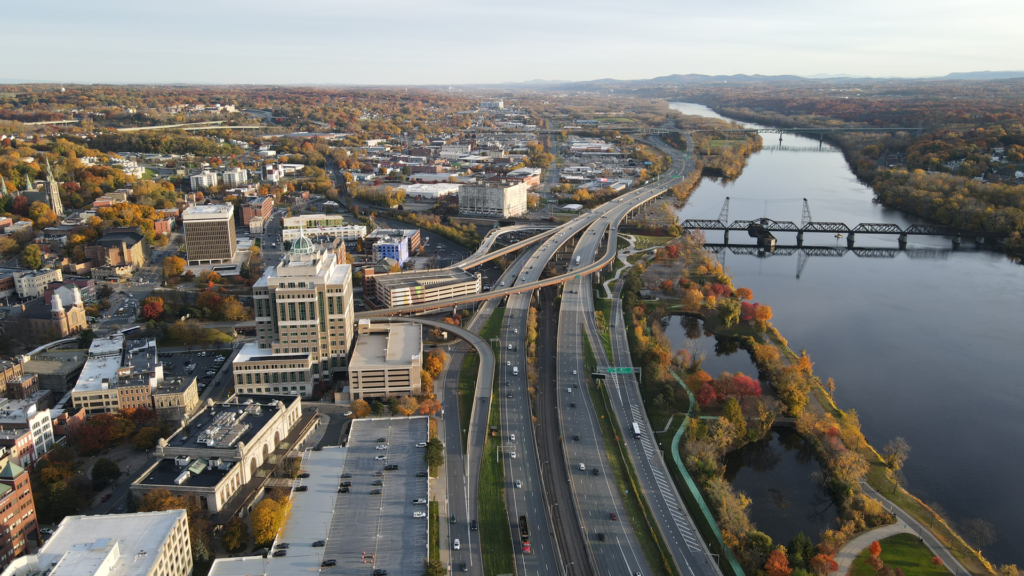
Albany Riverfront Current | Photo: Jonah Michel of @AroundAlbany

The best time to influence a project’s scope is prior to the actual design process, through discovery of what is possible. Once design is completed, the only tools available to inform the work tend to be confrontational ones: lawsuits, criticism, protest, etc. The consultants for the project are set to begin designing late winter/early spring of 2023, and collaborative feedback during the process is vital to achieving goals of equity and inclusion.

Three redesign concepts are currently on the table for I-787: 1) A highway cap consisting of parkland that connects the city to the river above the fast-moving traffic; 2) an urban canal system that brings the river into the city while restoring water-leveling locks, creating marinas, and generating local interest and tourism (similar to that of the Providence River Walk in Rhode Island); and 3) an appropriately scaled boulevard that balances pedestrian, transportation, commercial, and community needs.

It is likely that the best design incorporates elements of all three, for each idea builds on different perspectives and priorities, from water management and environmental health to recreation and economic development.

Albany Riverfront Current | Photo: Provided
I-787 Beltway on the Riverfront | Photo: Provided

From a historical perspective, what affect has the I-787 corridor had on the City of Albany, specifically the people who lived / live in the areas impacted?

It is amazing to me how projects have ripple effects over time and space. I-787 and the highway interchanges, along with the Empire State Plaza itself, initially took out 98 acres of locally owned businesses, homes, and community places. This gutted the city and created a physical gap. The intention was to provide faster circulation for cars, offices for government, and to create an impressive skyline. Over time, this gap, this slice through town, has forged disparities in the economic levels of impacted communities and created a downtown that is primarily for workers who don’t live here. In addition, all the communities of Albany are distanced from the Hudson River, with only three access points, none of which are vibrant or welcoming.

Can you share some current financial aspects of the project and also community based goals being discussed?

There was a 2018 study completed by DOT for the Capital District Transportation Committee (CDTC) that clearly stated that creating a boulevard, located on either side of the railroad tracks, was a distinct possibility for further study and analysis. The budget this time is more than fifteen (15) times the funding for that study.

Specifically, the Department of Transportation (DOT) has $5 million dollars to reimagine the City of Albany’s riverfront to promote access to it while adapting to the Hudson’s current and future tidal rise, reconnecting neighborhoods, spurring economic activity, and creating opportunities for current and future residents.

Albany Riverfront Proposed Redesign Features | Photo: Provided

We’ve been hearing from communities including the Albany Downtown BID, South Albany, the Pastures, and North Albany among others. I, myself, live in Pine Hills and have worked downtown for 15 years, mostly biking and walking to and from the office. The visions of joy being shared through the work of the ARC center around access to Nature and removal of the great weight of concrete over people’s heads. There is a lot of concern over development and a way to do it without pricing our current residents out of the city. This is why local voices are vital. We also hear about slowing down traffic and increasing access points into the city. This last piece is particularly impactful because it can lead to economic growth – for all of the city. Studies show that this approach helps people spend more time and more money in cities, as they are more likely to be part of the community after work hours.

Can you tell us about the public and private stakeholders and cultural and community organizations who have signed on to help make this happen?

The list of stakeholders / partners is impressive. They include residents, neighborhood and community groups, for and not for profit organizations, businesses and government entities. The intent of the Albany Riverfront Collaborative has always been to be a connector. ARC’s goal is to facilitate a growing understanding for all the communities of Albany, including commuters and visitors. That we all have a right and a responsibility in the vision for the city. We want elementary school kids to write about the Hudson, and college students to do the carbon calculations on the plans. We want people to propose legislation to clean and heal the Hudson, and all the streams we have buried in Albany. We support Radix Center‘s urban gardens and the South End Butterfly Sanctuary pollinating them. Local artists and local advocates can agree about the need for a shared, co-created, inclusive, climate smart, and healthy future. CDTA and the local neighborhood associations can inform the plans, and you and I can love our city. That’s the potential we all can see and work for.

Where can folks go to get more information?

You can check out our website and follow us on social media. We are currently looking for more people with a vested interest in the long term development of the City of Albany to connect with the process so please, reach out if you have an interest!

WEB: albanyriverfrontcollaborative.com
IG / FB: @albanyriverfrontcollaborative

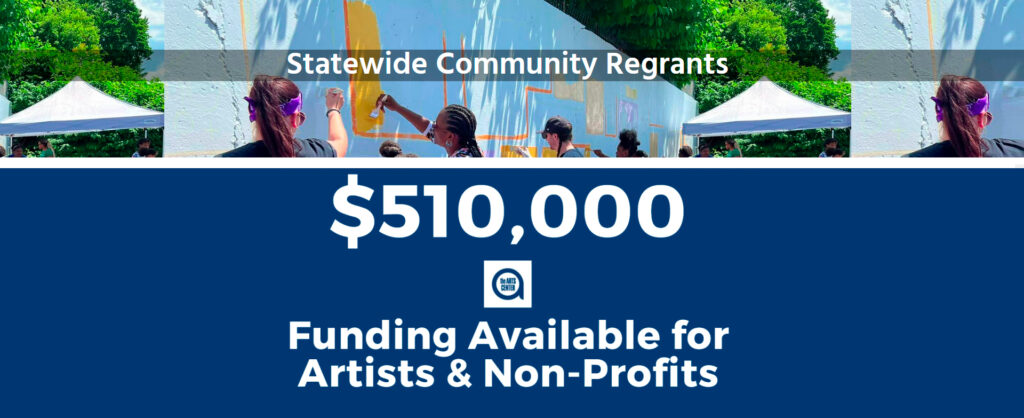
Joseph is Doling Out $510K in Statewide Community Regrant Funds : Find Out How to Get Yours

December 19, 2022 By Maureen Sager

ACE! connected with Joseph Mastroianni (Vice President of Programming / Statewide Community Regrants Coordinator) of the Arts Center of the Capital Region to find out more about the large pot of money that is being made available to artists and non profits in a two phase round of funding awards. Read on below to find out more about how to submit and qualify.

Joseph Mastroianni – VP of Programs / SCR Grants Coordinator | Photo: Provided

What is the Statewide Community Regrants program?

The Statewide Community Regrants program is an initiative of the New York State Council on the Arts (NYSCA) and administered by local arts organizations in New York’s 62 counties.

“The SCR program, fosters the continuing development of arts and cultural resources in response to the needs of local communities in each of New York’s counties. The SCR program invests NYSCA funds to serve all communities and people who comprise New York’s citizens and visitors. SCR sites are a network of non-profit organizations that serve local and regional cultural organizations and artists through three categories of support: Community Arts, Arts Education, and Individual Artists.”

The Arts Center represents Albany, Schenectady, and Rensselaer Counties in the SCR program. In 2023, thanks to a generous one time increase in funding, we will award $510,000 in two rounds.

How much money is available this round?

In Round One, we will distribute $200,000. In Round Two, we will distribute $300,000. Additionally, $10,000 will be available for rolling mini-grants.

Who is eligible?

The SCR program has four categories: Community Arts, Arts Education, Individual Artists, and Pop Up Mini Grants.

In Community Arts, eligible applicants must be or be in partnership with a 501 ©3 nonprofit organization in Albany, Schenectady, or Rensselaer Counties. This category is for public art and fostering creative communities.

In Arts Education, eligible applicants must be either artists over age 18 and in partnership with a community organization, or community organizations. 501©3 status is not required in this category, but all proposed projects must have an educational component, whether in-school or after school.

In Individual Artists, eligible applicants must be artists 18 years of age or over and reside in Albany, Rensselaer, or Schenectady Counties. Projects should all be original work.

In Pop Up Mini Grants, eligible applicants are artists over age 18 or 501©3 organizations based in Albany, Schenectady, or Rensselaer Counties. Mini Grants are for small-scale projects and do not have to include an educational component.

Artists who work in any or all media are encouraged to apply; there is no priority.

Downtown Schenectady Improvement | Photo: Provided

What types of projects are prioritized in the funding?

All projects must have some type of community impact component and there are funding caps for each grant type.

In Community Arts, the maximum award is $5000. In Arts Education and Individual Artist, the cap is $2500. Artists may apply to all three categories if they are eligible; the maximum award any single artist or arts organization will receive is $5000.

Downtown Schenectady Improvement Mural | Photo: Provided

How do I learn more about applying?

We have grant seminars and office hours! At our virtual grant seminars, I’ll go over each type of grant available, so bring your creative ideas and ask questions! At the office hours, I’ll be able to answer very individualized questions about your projects and the application process. Remaining grant seminars are December 20, and January 5, all from 4-5 pm. They are free, but you do have to register to get the zoom link.

REGISTER HERE

Office Hours are Thursdays from 3-4 pm, starting January 12. Office hours may be over the phone, google meet, or email. No registration is required.

Electric City Arts – Jazz on Jay | Photo: Provided

Anything else we have missed we should know about?

Important dates!

ROUND ONE APPLICATION : Opens January 6 and closes March 1. Panel Review will be April 1, and awards will be announced on May 15. Projects must happen between June 1 and December 31 2023.

ROUND TWO APPLICATION : Opens on April 6 and closes on June 1. Panel Review will be July 6, and awards will be announced August 15. Projects must occur between September 1 and December 31 2023.


  • « Go to Previous Page
  • Page 1
  • Interim pages omitted …
  • Page 8
  • Page 9
  • Page 10
  • Page 11
  • Page 12
  • Interim pages omitted …
  • Page 35
  • Go to Next Page »

Creative Economy Updates and Other Good Stuff!

STAY CONNECTED!

  • Facebook
  • Instagram
  • Twitter
Copyright © 2020 THE UPSTATE ALLIANCE FOR THE CREATIVE ECONOMY

info@upstatecreative.org | 41 State Street, Albany, NY 12207

Design by Reach Creative