• Skip to primary navigation
  • Skip to main content

ACE

Upstate Alliance for the Creative Economy

  • HOME
  • ABOUT
  • NEWSLETTER
  • SUBSCRIBE
  • JOBS
  • Show Search
Hide Search

Funding

LARAC ABSORBS GLENS FALLS ARTS DISTRICT, DRIVING DOWNTOWN ECONOMIC DEVELOPMENT

March 2, 2026 By Corey Aldrich

You may remember, back in August 2022 when ACE! put together a street fest / creative economy panel discussion at the Park Theater. We had some coverage at the time examining the interesting structure downtown Glens Falls had for arts and cultural support. (Glens Falls: A Winning Team Sharing Secrets to Success). Fast forward a couple of years and progress continues to be made collaboratively with the Downtown Arts District and its distinguished members in a newer arrangement that sees LARAC (Lower Adirondack Regional Arts Council) as the oversight entity. I connected with Phil Casabona, Executive Director at LARAC for an update.

Please state your name, organization and title. Can you add a bit about your background experientially and educationally?

My name is Philip Casabona and I am the Executive Director + Festival Director + Gallery Curator for LARAC, the Lower Adirondack Regional Arts Council, a mission driven, non-profit arts organization in Glens Falls, NY. Upon graduating SUNY Oneonta in 2009 with a BFA with a concentration in Photography, like many young people my age at that time, I immediately walked into my dream job making money faster than I could count it…oh wait, that’s the parallel universe me. I graduated college with the excitement of pursuing the arts, professionally, in some form. It was a longer road than expected, with a handful of torturous, non-art related jobs, but all teaching me something that has led to my current position. In 2012 at the age of 25, my wife a, who was my girlfriend at the time, and I, moved to Astoria, Queens, for a year. There I worked for a high-end clothing retailer, in their annex location in Tribeca, as their “Inventory Manager“. I was responsible for all locations day to day inventory, worked alongside the buyer’s department, as well as opened new store locations in other cities, like Boston, Atlanta, and a few others. This position, along with other managerial roles I had since I was 16, unknowingly taught me skills that would be most valuable in my current positions.

I have been with LARAC for 12 years, starting prior to that as a volunteer. Then, having support from my friend and the Gallery Curator at the time, I applied for an open part time position as LARAC’s Festival Coordinator, which I did for a number of years, before going full time and taking on the task of Gallery Curator. As LARAC struggled to navigate Covid-19, we managed to keep our doors open and our staff employed. When the opportunity came up to replace our previous ED, I entered the race. I have been acting Executive Director for the past four years as well.

LARAC Mural Art | Image: Provided

Can you fill us in a bit about the mission of LARAC? Annual budget, number of employees? Also, I understand you expanded recently by absorbing the GF Downtown Arts District into your fold. Can you share a little bit about the history of that and what that means for LARAC and the artists you serve?

LARAC is a mission-based organization with a very simply mission. We are here to support artists and creatives, local, regional, and beyond, and nourish the positive cultural impact they make on our community. Financially, as a SCR site through NYSCA, we are able to support artists and organizations in Warren and Washington Counties. I am part of a three person staff, including fulltime employee Kori Albrecht, LARAC’sCommunity Outreach + Grants Director, and part time employee Diane Swanson, LARAC’s Program’s Director. The three of us are standing on the shoulders of giants that helped grow LARAC from a volunteer organization to a paid staff with a building that we own. We are beholden to our members and our community for keeping us in operation. As of 2025, we are operating on an annual budget of $360,000. This includes the $100,000 worth of NYSCA funding that Kori distributes to grantees within the counties we support.

Glens Falls Arts District Downtown Bike Racks | Image: Corey Aldrich

In 2025, LARAC also became the umbrella non-profit organization for the Glens Falls Arts District. GFAD, is a committee of local arts related non-profits that have been moving the needle, contributing as economic driving forces, and sculpting the landscape of the City of Glens Falls for decades. I firmly believe the arts are the foundation of Glens Falls. Recently the City, the Counties, and the region have begun to view us in the same light. Glens Falls is such a unique city. We are only roughly 15,000 people, yet we have such a strong arts scene. Thus, the AD was born. A collective effort to help solidify DRI funding from NYS, which GF was awarded 10 years ago. In the past few years, we have seen all the planning of that DRI to the tune of $10 million, come to fruition. The infrastructure efforts on South Street are accompanied by the public art, which is where the AD came into play! The AD consists of LARAC, the Park Theater, The Hyde Collection, the Charles R. Wood Theater, the Glens Falls Symphony Orchestra, the World Awareness Children’s Museum, the Chapman Museum, the Crandall Public Library, the Adirondack Theater Festival, North Country Arts, and The Shirt Factory. All arts entities in the city limits work together to beautify our city, encourage arts interaction by local and visiting populations, drive economic value to our city, and help each other all stay viable. These efforts have helped strengthen all of our relationships with each other and with the governing body of the City of Glens Falls, the EDC, and Warren and Washington Counties.

LARAC becoming the umbrella non-profit of the AD means the AD answers to the LARAC Board of Directors. However, what it really means is that it gives the AD a new opportunity to continue working together to positively impact our city. With the DRI initiative complete, we now have a new avenue to look for, and secure funding for future projects and have a collective voice stronger than any one of us does alone. This inherently helps LARAC further our mission of supporting our local and regional artists.

LARAC’s June Arts Festival 2025 in Glens Falls NY | Image: Lake George Regional Chamber of Commerce

I really like your approach to getting your members art into hands of the general public. Between your full-time retail store and events like the annual LARAC ARTS FEST, how have you been able to leverage your relationship with the city and local businesses to advantage your members?

Part of our mission, in more detail, is to help artists become financially stable, grow their passion and abilities into potential income streams and help them start to take the next steps to becoming part-time or full-time professional artists. Helping artists get seen, whether it is in our gallery, our shop, our festivals, or our live music stages at the festivals…these are all avenues to get them in front of the general public.

Coincidentally, these same avenues to get the artist in front of the public also work as a platform to showcase and educate the public on the different forms of artistic expression. A venue to show our patrons obtainable local art, creating an environment for them to support these creatives. One of the biggest and most recognizable LARAC events that does this and truly showcases our wonderful relationship with the City and Warren County is our Annual LARAC June Arts Festival. An Annual event that started in 1972, this year will be our 56th event and will showcase over 165 artists, 10 non-profits, and 8 food trucks, all juried in from across the country to sell their handmade goods. June 13 – 14, 2026, LARAC will bring 15,000+ people from all over to the City of GF, creating the single biggest weekend economic driver event in the city and county. This event is made possible by our relationship with the City of Glens Falls, Warren County Tourism, and the local business which directly and positively impacts our members and our community.

Gallery Shop at LARAC in Glens Falls NY | Image: Corey Aldrich

Speaking of the city…you mentioned a group you are a part of called MOSAIC that includes the city and the IDA as I recollect. Can you tell us more about this group and where you see that going. It sounded like some really innovative stuff!

As I mentioned earlier, it is amazing what the city had going for it prior to intentional efforts to collaborate. In the recent present, as the organizations within the AD started working together in a calculated effort to improve our individual organizations by strengthening ourselves as a collective and beautifying the city, some wonderful opportunities have come up. Doors started to open in places we didn’t see coming. We started to build and strengthen relationships with our governing bodies and other entities that see the value in our efforts. One of those people, recently, has been Jim Siplon, the President and CEO of the Warren County Economic Development Corp (EDC). Jim and his office have created a collective group, many faces of the AD, as well as others from outside GF. This includes members of the IDA and leaders of non-profit groups and organization in Washington County who share a table and create a safe space to build ideas. Jim sees the value of the arts in GF and the potential we have as a springboard for positive growth and economic and cultural impact. Together we are working on ideas to unify and rally for future funding.

There is an inherent and immeasurable value in the positive impact of the arts and the culture it encourages. It is an effort worth our time, and LARAC, the AD, and MOSAIC understand this assignment.

LARAC Member Art Gallery Examples | Image: Provided

EXTRA CREDIT: Anything you would like to plug and additional things you would like to share beyond above?

LARAC is for everyone, join us in our Gallery, at our Festivals, and in our city.

WEB: larac.org | IG: @larac_arts

ArtsNYS UPDATE | State of the State: Budget Edition

March 2, 2026 By Corey Aldrich

Elizabeth Lane – Executive Director at ArtsNYS | Image: Provided

New York State is in the heart of budget season. The Governor has proposed a largely steady overall spending plan, with a major watch item: the Financial Plan assumes roughly a 10% drop in federal receipts.

At the same time, the Executive Budget is proposing a ~35.2% cut to the New York State Council on the Arts (NYSCA) budget compared to the FY26 Enacted budget. Of noter, this is on par with the Executive Recommendation from last year as well.

That makes this next phase especially important, because it’s where each branch of the Legislature responds to the Executive Budget by releasing its own budget recommendations to get to a One-House Budget. This all is supposed to happen before April 1, the start of the 2027 State Fiscal Year.

Our main focus right now is securing increased statewide investment in NYSCA at $210 Million, a 26.8% increase from FY26 Enacted budget. This includes:

$100M Aid to Localities (NYSCA’s Primary Grantmaking : Support for Organizations, Support for Individuals, Statewide Community Regrants, and more)

$100M Arts & Cultural Facilities Improvement Program (ACFIP) – NYSCA’s Capital Grants Program

$10M Stabilization – NYSCA/NYFA Reserve Grant Program

The $210M ask does not include an additional ~$8M for NYSCA operations.

The nitty gritty numbers:

WHAT YOU CAN DO NOW!

  1. SAVE THE DATE: Arts Rally in Albany : Tuesday, March 24
    New Yorkers for Culture & Arts, Senator José M. Serrano, and statewide partners including ArtsNYS and a myriad of others are planning an arts and culture rally to support arts funding and arts education at the Capital on Tuesday, March 24 (details and exact timing coming soon). (EDITORS NOTE: Keep an eye out for a special ACE! Newsletter update with more details)
  2. Talk to or Meet with Your Legislators and the Governor’s Office about the NYSCA $210M ask. Plus, later this week, ArtsNYS will share a customizable form letter that you can personalize and send directly to your State Senator, Assemblymember, and the Governor.
  3. Arts Education Codification Bill Support:
    We are supporting legislation to require instruction in arts and music education to be incorporated into curriculums for all public school students. S.6318A / A.6490B. Please CHECK whether your Senator and Assemblymember are sponsors. If not, ask them to sign on!
  4. Other Legislation We’re Tracking
    We’re monitoring bills related to workforce development, cultural districts, nonprofit sustainability, and the broader creative economy. Check Out our BILL TRACKER.

STAY CONNECTED
If there are emerging challenges or opportunities in the Capital Region’s Creative Economy that we should be lifting up, please tell us. ArtsNYS’s advocacy priorities are shaped by local input.

To reach us: CONTACT ArtsNYS

Thanks for showing up for the Capital Region and for New York’s Creative Economy!

WEB: artsnys.org

1UpState GAME EXPO IS BACK FOR YEAR 2 with Expanded Programming and Participation

October 9, 2024 By Corey Aldrich

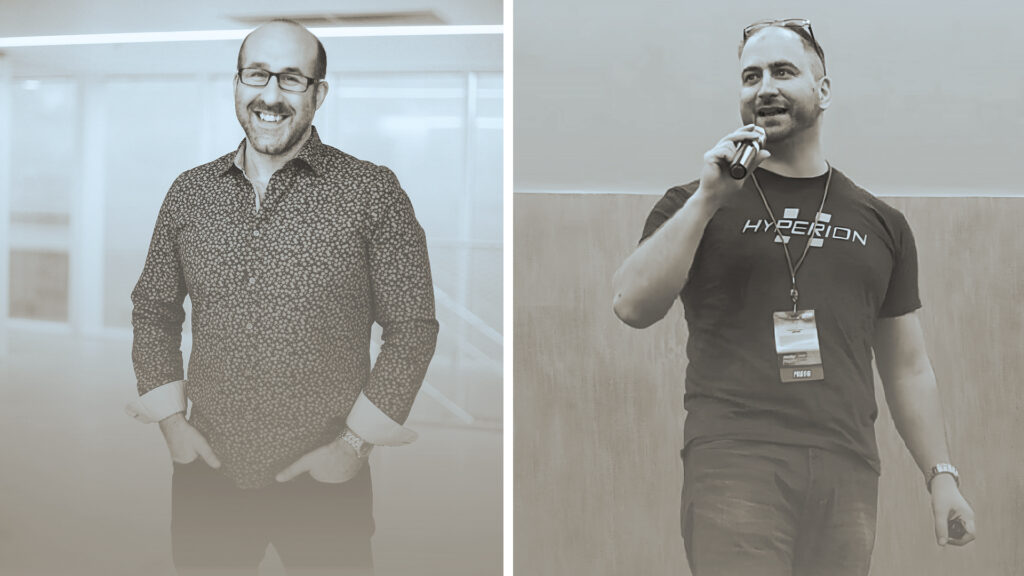
Super excited to be helping to get the word out on this exciting and growing video gaming conference. Expo Founder Anthony Rossi reached out to ACE! and Discover Albany when 1UpState was just a long shot idea about a year in advance of the 2023 inaugural event. His passion was contagious and he was building excitement in small to mid-sized regional studios and regional educational institutions for his idea. Last year was a great success and the vibe was on point. This year is building on that progress with great vendors, presenters and a headline sponsorship from Warner Bros. Games. I spoke with Anthony and this years keynote speaker Jason Dela Rocca to get a better idea of what we can expect and how our region can better position itself in the gaming industry.

Jason Dela Rocca : Investor, Game Funding Advisor and Ecosystem Strategist / Event Keynote
Anthony Rossi : Co-Producer and Organizer at 1UpState | Photo(s): Provided

Can you both share / sketch out a bit about your background and how you came to be involved in the gaming industry?

ANTHONY: My current favorite joke is that “I have been playing Final Fantasy since before it had a number in the title!” So really, I grew up with gaming as a hobby and just simply never gave it up. After I graduated college, I started to dip into what would be known now as being a “Content Creator“, with my most endeavor being a podcaster under the title, “Videogame Crosstalk” where I would interview people who work in the tech or science industry or involved in the gaming community. As for the gaming industry in my current capacity, it really started when I posed the question to the community of the Tech Valley Game Space as to whether or not people would want to put together a larger local showcase event. Turns out one had been started, but never gained enough traction to be brought into being. They graciously invited me into the group to try to revive it, off we went! I currently work in Project Management as my day job, so for the entire process of organizing 1UpState my role is purely to be the organizer. This is what allowed me to view the endeavor as a whole, break down the aspects into manageable parts, and direct those who do have a deeper understanding in game development to guide decisions to better serve our audience.

JASON: I’ve been in the game industry for nearly 30 years! In the mid-90s there were no game schools or degrees, barely a book or two on making games, and the Internet barely existed. It always seemed like games were made by robots in Tokyo.

My education is a mix of business and tech, but I never really had the pure game making skills to actually make games. So, I have mostly worked in a supporting role, helping build community and support structures that enable game developers to succeed. I was the Executive Director of the IGDA (International Game Developers Association) for 9 years. I co-founded the first venture-backed game incubator in the world, called Execution Labs. We invested in 25 indie game studios and nurtured them to make awesome games. I also do a bunch of advisory/consulting work with governments around the world on how best to invest, grow and support their local game ecosystem.

All that said, I do have a few credits to my name. One of my first credits was a “Special Thanks” in the original Baldur’s Gate back in 1998!

Anthony, you have a pretty demanding day job, what made you decide to invest the time and effort to create 1UpState? I know it’s pretty time-consuming planning an event of this scale!

ANTHONY: I wanted it to be done RIGHT. When you go to enough of them, you begin to see the commonalities of their setup and design, and what does or does not work. As gaming has become more popular, I noticed organizers were still treated gaming as an activity for children while completely ignoring the fact that people are holding on to gaming as their personal downtime hobby later in life, and that games have matured into a full art form of their own.

As for the time aspect, the main thing to understand is that I am not organizing this by myself. I am working with a full team to help organize all of this! Internally, I have been working with Jamey Stevenson, Chris Spahn, and Lilly McAvoy. Additionally, I am working with Richard Lin of Agora Media, Dane Jennings for sponsorship solicitation, Andrew Bugenis for videography, and of course the amazing staff of the Albany Capital Center to manage all the other many, MANY details! And of course, the many volunteers to help work the event itself to make sure the exhibitors have what they need and that everything runs smoothly.

What would you say are some of the challenges to creating critical mass in a region that is trying to build a sustainable gaming economy?

JASON: One of the big challenges is properly supporting/nurturing entrepreneurship. Many regions are full of talented and passionate game makers, but they often remain on the sidelines, tinkering away as hobbyists or weekend warriors. That’s wonderful and great to see. But, how do you enable those folks (at least the ones that want to) make the leap to becoming professional game makers and earning a living?

This is compounded by the fact that most schools teaching games do not offer any business/marketing related courses, and generally try to funnel graduates to entry level jobs at big studios…. often out of state. So, when a region doesn’t have a large employer base, the schools are reinforcing brain drain rather than enabling entrepreneurship and pushing graduates to create new studios… effectively making their own jobs!

Last year seemed pretty successful for a 1st year initiative. I found the programming to be diverse and inclusive. How is this year shaping up? What can folks expect experientially if they attend the conference?

ANTHONY: 1UpState is a “bridge” between the consumer focused convention style event, such as the various Comic-Cons or Geek Fests, and the professional Conferences. This will be the key point to keep in mind as you plan your attendance to the event. After you pass by the registration tables, the main hall will be several rows of exhibitors. These exhibitors will be mainly small, local game developers, whether they are showcasing the game that they have built by themselves, with a small team, or they may be a student team from a local university. There will also be other supporting organizations that helped bring 1UpState into its current state, such as Tech Valley Game Space, Empire State Development, Retro Game Con, and others. And finally, since everyone enjoys them, there will be a few crafters putting up their gaming centric wares for sale.

As for panel discussions, there will be a variety of topics covered, and they will mostly be 30min micro-talks. Topics covered will be more developmental focused, intended for those between the beginner/student to intermediate level game developer. This way the topics are accessible to those who are interested in game development while still being interesting enough for those who have some experience on their resume. We also pay special attention to diversity and representation when accepting panel and speaker applications. We want to be sure that our selection of speakers and topics matches the representation of the gaming community, even if it means declining some pretty great sounding applications.

At the current time, we plan to have about 38 exhibitor tables and 9 panel sessions, including a Keynote speaker. There will also be concessions during the duration of the event and a “Quiet Room” where attendees can take a break from the lights and noises without having to leave the venue.

Anything you particularly excited about this year?

ANTHONY: Absolutely! Aside from some of the amazing speakers, we are also adding two very special items to the program! First, we will be having a small business workshop conducted by Destiny Watkins from the Community Loan Fund of the Capital Region. The workshop will focus on understanding business finances and setting yourself up as a business entity. This will help those who are interested in starting their own game development studio or company to set themselves up for success from the beginning. The other item we have will be a separate play-testing area for board game developers. In the back of Meeting Room 2C, there will be a set of tables set up and managed by a local board gaming group, Spielbany. Here, attendees will be able to play board games that are currently being created and provide feedback to the designers themselves, in real time, as they play!

Jason, what recommendations would you make to folks like Anthony and the 1UpState team who are trying to build that synergy?

JASON: Keep pushing! Consistency is critical. Look for opportunities to always mix in business/marketing in the content. Game makers love to talk about their craft — and that’s important — but we need chances to feed them their business broccoli as well 😉 Further, case studies are always inspiring. Bringing in folks that have made that leap, to share their stories, to advise and inspire others. It becomes more relatable than just a grizzled veteran like me sharing wisdom.

Ultimately, it requires the 1UpState team to think deeply about what the local community needs to succeed, and then try to fill those gaps as much as possible.

Is there still time for folks to get involved? What is the best way for individuals to find out more about the schedule and programming?

ANTHONY: At this point, we are simply finalizing the last remaining bits and pieces of the event and sending info out to have our program designed and printed. All information is being added to our main webpage, 1upstate.com, which also includes links to all of our socials. We’ll be making announcements as things get finalized, so be on the lookout for those and more!

Eli Dvorkin ‘Sparks’ Justification for Investment in Upstate Arts and Culture

September 11, 2024 By Corey Aldrich

I first heard about the Creative Spark report last year when I was asked to provide some feedback on the state of the creative economy as part of an outreach effort to collect feedback from arts and cultural folks across the region to include in the report. Once it was released I was excited to meet Eli Dvorkin from the Center for Urban Futures at a panel discussion sponsored by Creatives Rebuild NY at the Albany Institute of History and Art and subsequently at an industry presentation on specific stats from the Capital Region. I linked up with him for some feedback on those Capital Region numbers and got a hold of that days presentation to share.

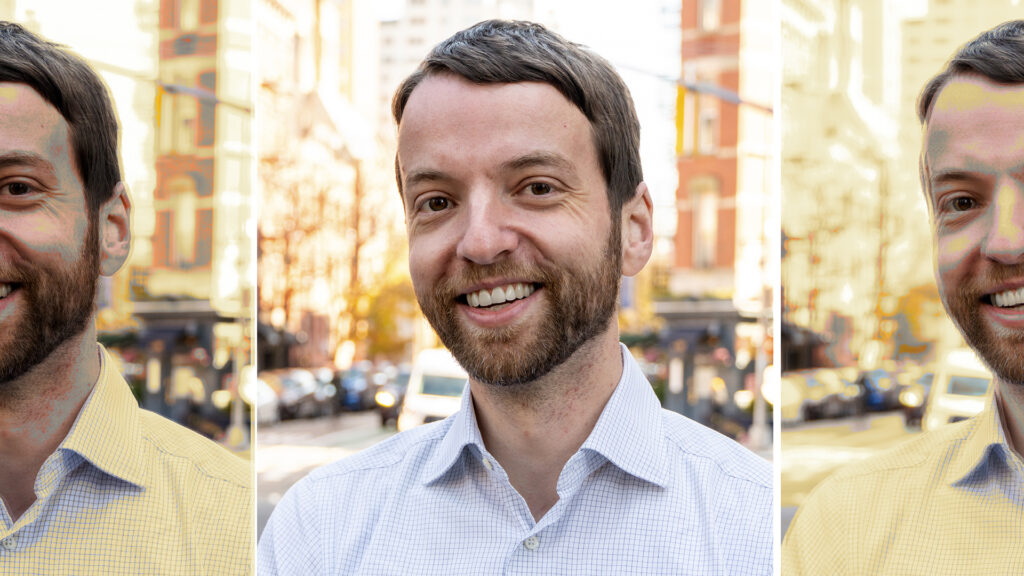
Eli Dvorkin : Editorial and Policy Director at Center for an Urban Future | Photo Credit: Provided

Could you please state your name, title, organization and some background about your previous experience. Also, what drives you to do what you do?

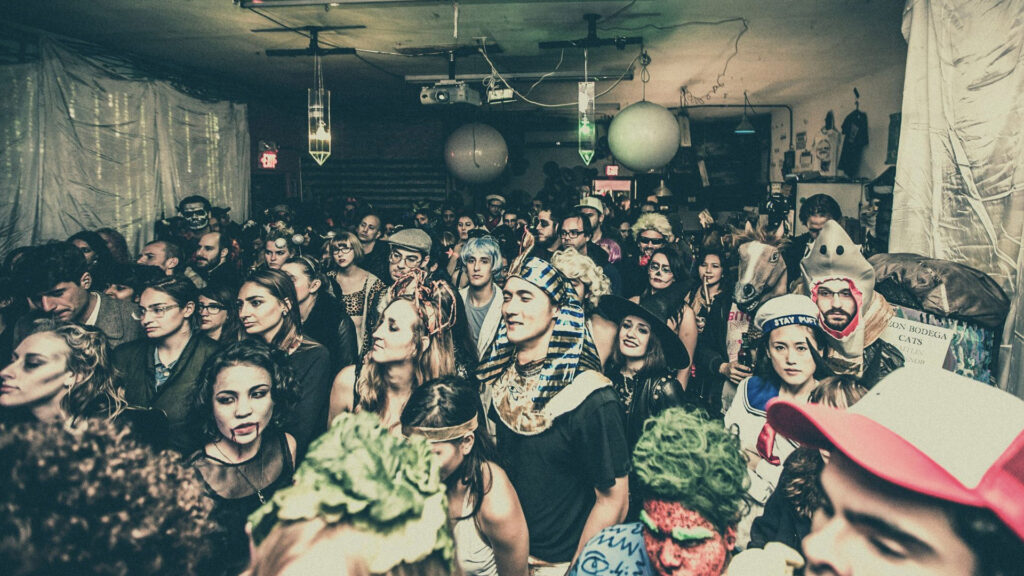
My name is Eli Dvorkin and I’m the Editorial and Policy Director at the Center for an Urban Future (CUF), an independent, nonprofit policy research think tank focused on creating a stronger and more equitable economy across New York. I joined the organization as CUF’s first managing editor in 2016 and I’ve been leading CUF’s research and policy work since 2018. I’ve worked in between the arts and policy worlds for many years. I started out as an arts and culture journalist, organized two traveling art exhibitions across North America, worked as an early employee at Kickstarter, and co-founded Silent Barn, one of New York City’s longest-running and most prolific DIY venues. Prior to joining CUF, I was a staff editor at the Council on Foreign Relations, where I was almost certainly the only employee who came home from work, exchanged a suit for a ripped band t-shirt, and then headed out at 10pm to fix the broken toilet at a sold-out punk show. I’d say I’m driven by the goal of expanding access to opportunity for New Yorkers from under-resourced communities and helping to spark policy changes that make our cities more livable, vibrant, and equitable.

The Silent Barn | Event Circa 2014 | Photo Credit: Dylan Johnson (Facebook)
The Silent Barn | Event Circa 2014 | Photo Credit: Unknown (Facebook)

Earlier this year, I saw you at a presentation at the Albany Institute for History and Art where you were partnered up with Creative Rebuild New York for a panel discussion about the work they have been doing. Can you explain a bit about your synergistic connection in that project and about the UPSTATE’S CREATIVE SPARK report? Why do you think this report is so timely?

The Center for an Urban Future has a long track record of publishing deeply researched and highly readable reports that shine a light on the increasingly critical role that the arts and the broader creative sector in New York’s economy, create greater awareness of the steep challenges facing New York’s working artists, arts organizations, and creative entrepreneurs, and put forward concrete and achievable recommendations for policymakers to more effectively support and sustain a thriving arts and creative sector. Last year, with support from Rochester Area Community Foundation, we were able to publish a new report, ‘Upstate’s Creative Spark’, that provided a first-of-its-kind look at the growing role of the arts as a catalyst for more vibrant local economies across all of upstate New York. We then partnered with Creatives Rebuild New York for a policy forum in Albany that built on the key recommendation of the report: that New York State has a major, untapped opportunity to more fully integrate the arts into a statewide economic development strategy, one that invests in culture from the ground up and creates the conditions for local economies to thrive.

I’m really pleased and humbled that this work is having a significant impact: for instance, three new proposals drawn directly from our report were enacted as part of the FY 2025 state budget (creating the state’s first artist residency program in state agencies; expanding state support for public art projects, and directing the state’s tourism marketing agency to ramp up regional marketing support for artists and arts organizations.)

Source: Upstate’s Creative Spark – Arts Allies of the Capital Region | Courtesy Center for an Urban Future

The time is right for these ideas for several reasons. First, even as artists and arts organizations have been the decisive factor in turning around decades of population declines, revitalizing downtowns, and sparking new business formation in cities across the state, it’s striking that less than 5 percent of the state’s major economic development grants typically flow to arts- and culture-related projects. That needs to change. Second, while the state’s arts and culture sector has in many ways led New York’s broader recovery from the pandemic — rekindling tourism, bringing locals back into their downtowns, and fostering communal healing during a very traumatic period — the arts sector itself is still hurting. Presenting organizations are grappling with smaller audiences and higher costs. Traditional funding sources are stretched painfully thin. And as the work of Creatives Rebuild has shown, far too many artists — especially Black artists and other artists of color — are living in a state of financial precarity. The status quo is not sustainable.

The metrics for the Capital Region are so supportive of the value propositions and ROI for public arts investment, individual artist support and investment in the creative economy in general. Why do you think we struggle so much in Upstate to convince public figures and corporations of not only the need but also the outsized benefits that are realized with a more robust support of arts and cultural programming and infrastructure?

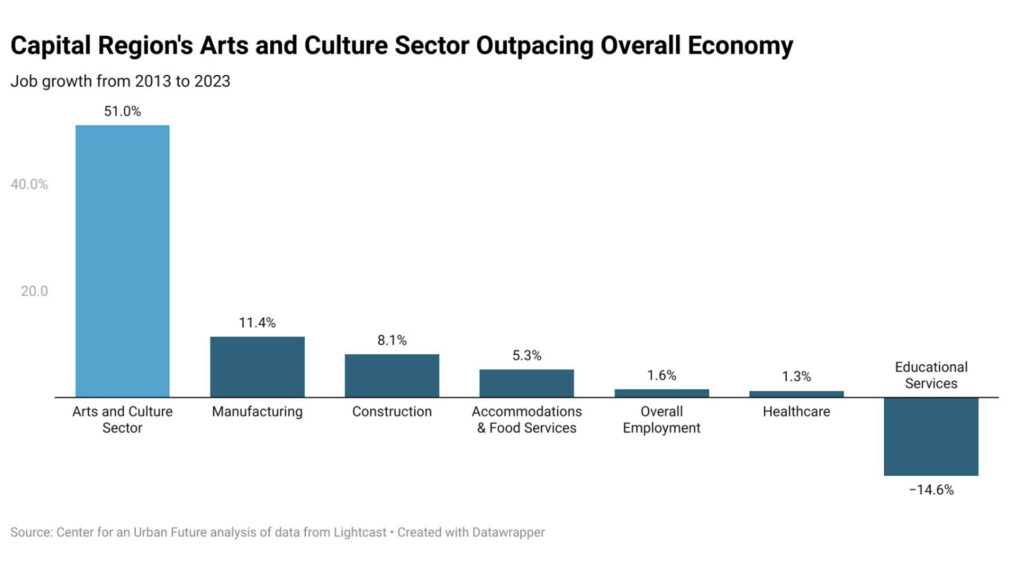
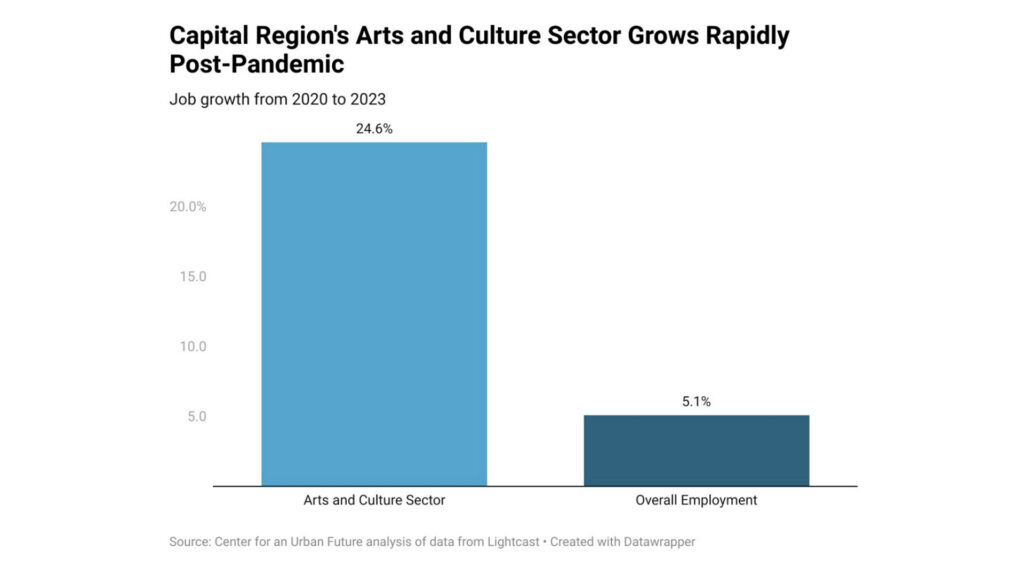
Increasingly, I do think more elected officials, economic developers, and business leaders are starting to get it, but a lot more work is needed. It starts with building a convincing case that the arts isn’t some sort of niche amenity, it’s the lifeblood of thriving local economies and the secret ingredient that enables cities of all sizes to flourish. As our report shows, employment in the arts and culture sector across upstate New York surged 35 percent from 2009 to 2019, nearly 10 times the overall rate of employment growth. Likewise, the number of working artists in upstate New York increased by 26.5 percent between 2011 and 2021 — at a time when the overall under-65 population declined. This creative spark is breathing new life into downtowns, leading to the creation of new restaurants, coffee shops, and other small businesses, and giving young people a reason to stay in their communities and put down roots. What local officials need to realize is that a thriving cultural sector creates the conditions necessary for all other economic activity to succeed. And that requires fresh thinking that prioritizes investments in equitable cultural infrastructure as part of an overall economic development strategy in upstate regions — just as officials would invest in any other essential infrastructure in order to spur job growth.

I know that in addition to population and job growth in the creative sectors, friction points were revealed in your research. What would you say are the biggest challenges that we face in continuing to build on the current momentum in the creative economy in the Capital Region? Any suggestions on where we should be focusing to help alleviate or improve those areas?

The most powerful economic advantage is attracting and retaining talented, creative, and entrepreneurial people — and people want to live in culturally vibrant communities. More than any economic development incentive or tax break, the key to strengthening the Capital Region’s economy lies in ensuring that people want to live, work, and play here. And nothing is more effective at achieving that then bolstering the arts and culture sector. The creative economy thrives in places with strong arts infrastructure — that’s where so many creatives get their inspiration. But there are some major challenges, too, especially as revenues and wages rise far more slowly than costs. The city of Albany and the eight counties in the Capital Region need to work together to direct economic development investments toward arts and culture projects. The region’s arts organizations can’t scrape by on state grant dollars and philanthropic support, and far too few small and mid-sized organizations have the capital or resources needed to level up. The Capital Region needs a regional economic development strategy that integrates the arts, culture, and creative entrepreneurship into every decision, tool, and funding opportunity.

To See the Full Upstate’s Creative Spark: How the Arts Is Catalyzing Economic Vitality Across Upstate New York

To See Upstate’s Creative Spark: Art’s Allies of the Capital Region (Capital Region Specific Presentation)

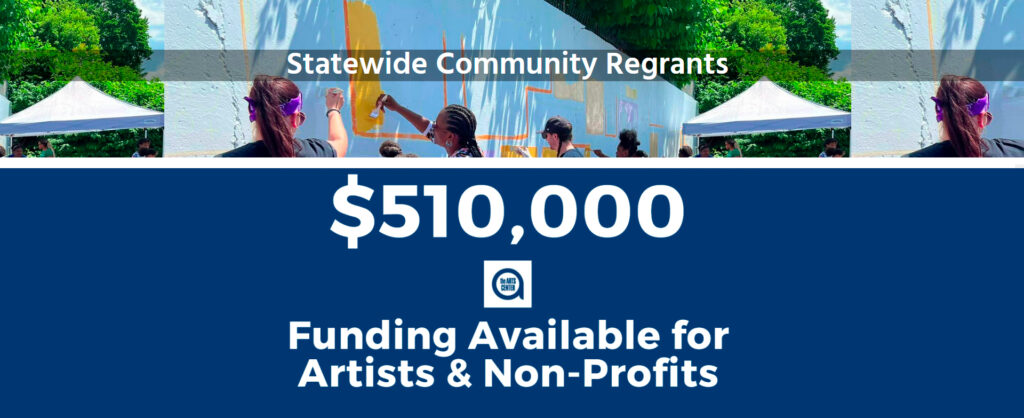
Joseph is Doling Out $510K in Statewide Community Regrant Funds : Find Out How to Get Yours

December 19, 2022 By Maureen Sager

ACE! connected with Joseph Mastroianni (Vice President of Programming / Statewide Community Regrants Coordinator) of the Arts Center of the Capital Region to find out more about the large pot of money that is being made available to artists and non profits in a two phase round of funding awards. Read on below to find out more about how to submit and qualify.

Joseph Mastroianni – VP of Programs / SCR Grants Coordinator | Photo: Provided

What is the Statewide Community Regrants program?

The Statewide Community Regrants program is an initiative of the New York State Council on the Arts (NYSCA) and administered by local arts organizations in New York’s 62 counties.

“The SCR program, fosters the continuing development of arts and cultural resources in response to the needs of local communities in each of New York’s counties. The SCR program invests NYSCA funds to serve all communities and people who comprise New York’s citizens and visitors. SCR sites are a network of non-profit organizations that serve local and regional cultural organizations and artists through three categories of support: Community Arts, Arts Education, and Individual Artists.”

The Arts Center represents Albany, Schenectady, and Rensselaer Counties in the SCR program. In 2023, thanks to a generous one time increase in funding, we will award $510,000 in two rounds.

How much money is available this round?

In Round One, we will distribute $200,000. In Round Two, we will distribute $300,000. Additionally, $10,000 will be available for rolling mini-grants.

Who is eligible?

The SCR program has four categories: Community Arts, Arts Education, Individual Artists, and Pop Up Mini Grants.

In Community Arts, eligible applicants must be or be in partnership with a 501 ©3 nonprofit organization in Albany, Schenectady, or Rensselaer Counties. This category is for public art and fostering creative communities.

In Arts Education, eligible applicants must be either artists over age 18 and in partnership with a community organization, or community organizations. 501©3 status is not required in this category, but all proposed projects must have an educational component, whether in-school or after school.

In Individual Artists, eligible applicants must be artists 18 years of age or over and reside in Albany, Rensselaer, or Schenectady Counties. Projects should all be original work.

In Pop Up Mini Grants, eligible applicants are artists over age 18 or 501©3 organizations based in Albany, Schenectady, or Rensselaer Counties. Mini Grants are for small-scale projects and do not have to include an educational component.

Artists who work in any or all media are encouraged to apply; there is no priority.

Downtown Schenectady Improvement | Photo: Provided

What types of projects are prioritized in the funding?

All projects must have some type of community impact component and there are funding caps for each grant type.

In Community Arts, the maximum award is $5000. In Arts Education and Individual Artist, the cap is $2500. Artists may apply to all three categories if they are eligible; the maximum award any single artist or arts organization will receive is $5000.

Downtown Schenectady Improvement Mural | Photo: Provided

How do I learn more about applying?

We have grant seminars and office hours! At our virtual grant seminars, I’ll go over each type of grant available, so bring your creative ideas and ask questions! At the office hours, I’ll be able to answer very individualized questions about your projects and the application process. Remaining grant seminars are December 20, and January 5, all from 4-5 pm. They are free, but you do have to register to get the zoom link.

REGISTER HERE

Office Hours are Thursdays from 3-4 pm, starting January 12. Office hours may be over the phone, google meet, or email. No registration is required.

Electric City Arts – Jazz on Jay | Photo: Provided

Anything else we have missed we should know about?

Important dates!

ROUND ONE APPLICATION : Opens January 6 and closes March 1. Panel Review will be April 1, and awards will be announced on May 15. Projects must happen between June 1 and December 31 2023.

ROUND TWO APPLICATION : Opens on April 6 and closes on June 1. Panel Review will be July 6, and awards will be announced August 15. Projects must occur between September 1 and December 31 2023.


  • Page 1
  • Page 2
  • Go to Next Page »

Creative Economy Updates and Other Good Stuff!

STAY CONNECTED!

  • Facebook
  • Instagram
  • Twitter
Copyright © 2020 THE UPSTATE ALLIANCE FOR THE CREATIVE ECONOMY

info@upstatecreative.org | 41 State Street, Albany, NY 12207

Design by Reach Creative