• Skip to primary navigation
  • Skip to main content

ACE

Upstate Alliance for the Creative Economy

  • HOME
  • ABOUT
  • NEWSLETTER
  • SUBSCRIBE
  • JOBS
  • Show Search
Hide Search

Performing Arts

Experimental Creativity as a Form of Inquiry w/ Exec Director Dena Beard

January 26, 2026 By Corey Aldrich

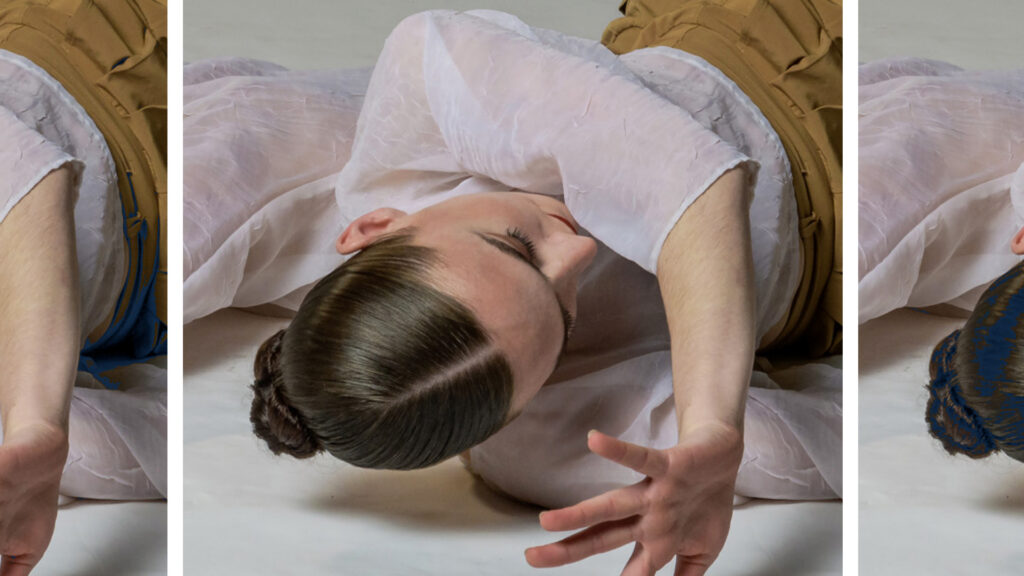
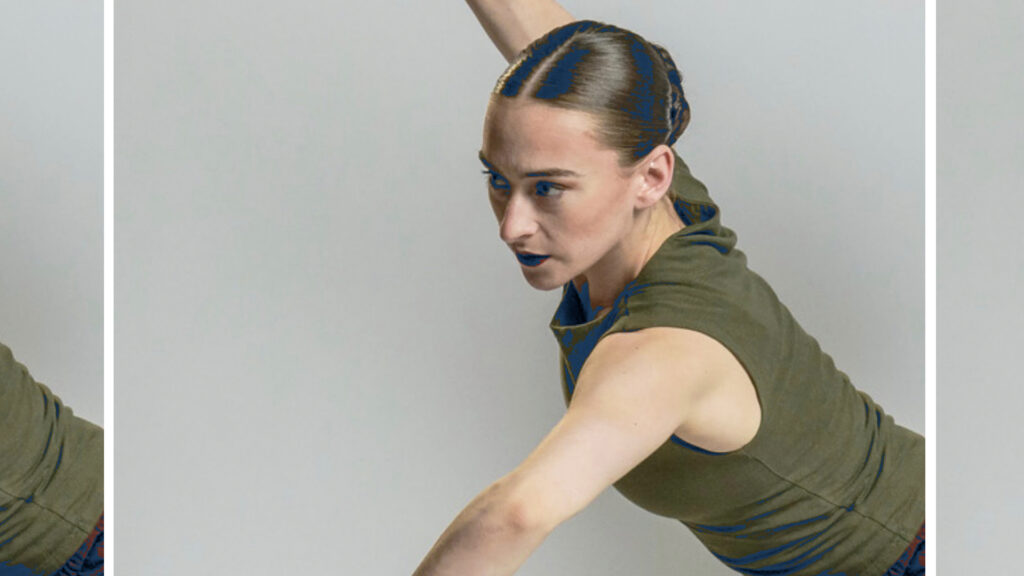
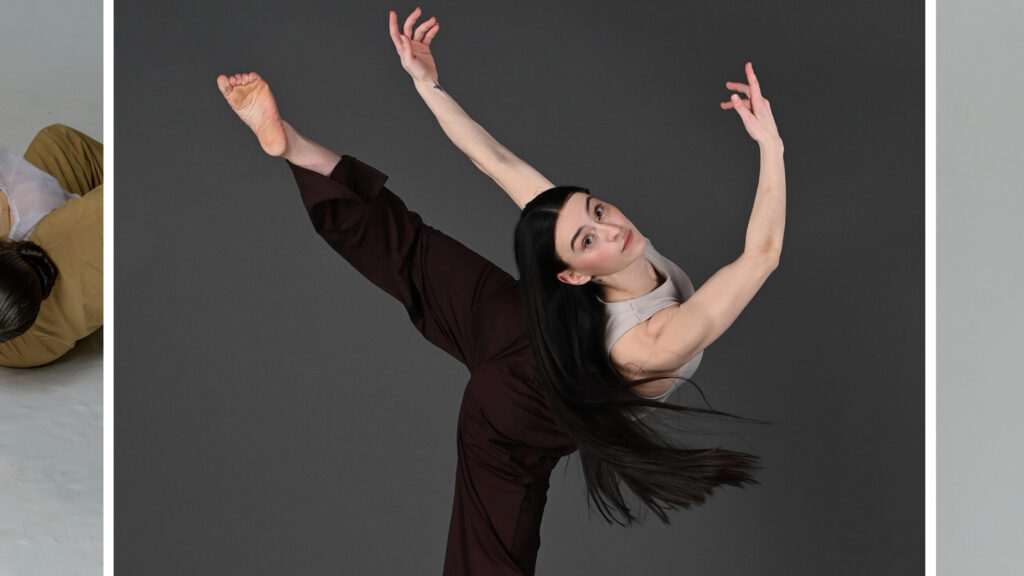
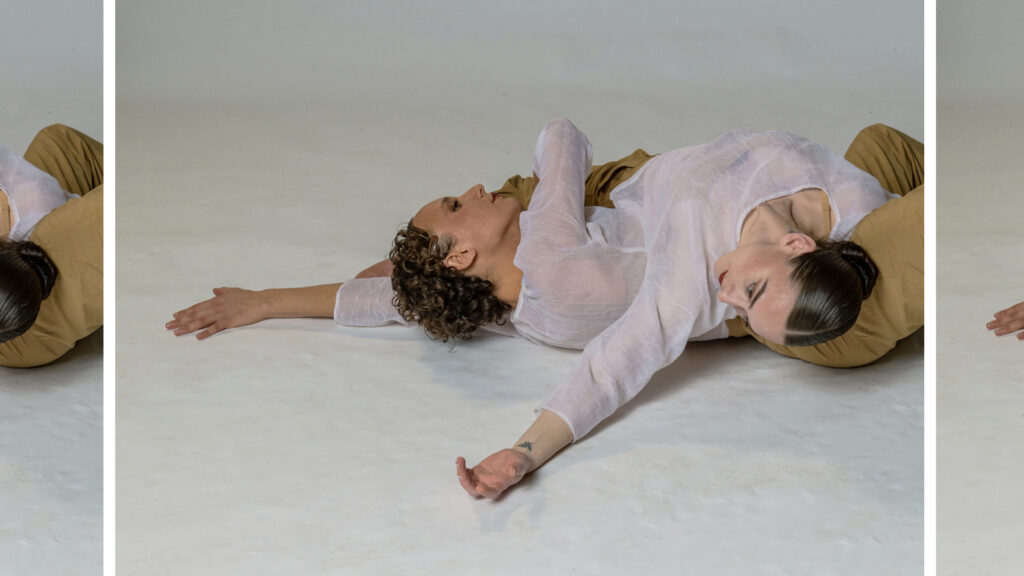
Long known as an organizational asset for resident artists and campus related endeavors, there is a new focus on finding ways to incorporate EMPAC (At Rensselaer Polytechnic Institute in Troy) into the fabric of the downtown Troy community and beyond. Find out what is in process and in store from a recent conversation with newish Executive Director, Dena Beard.

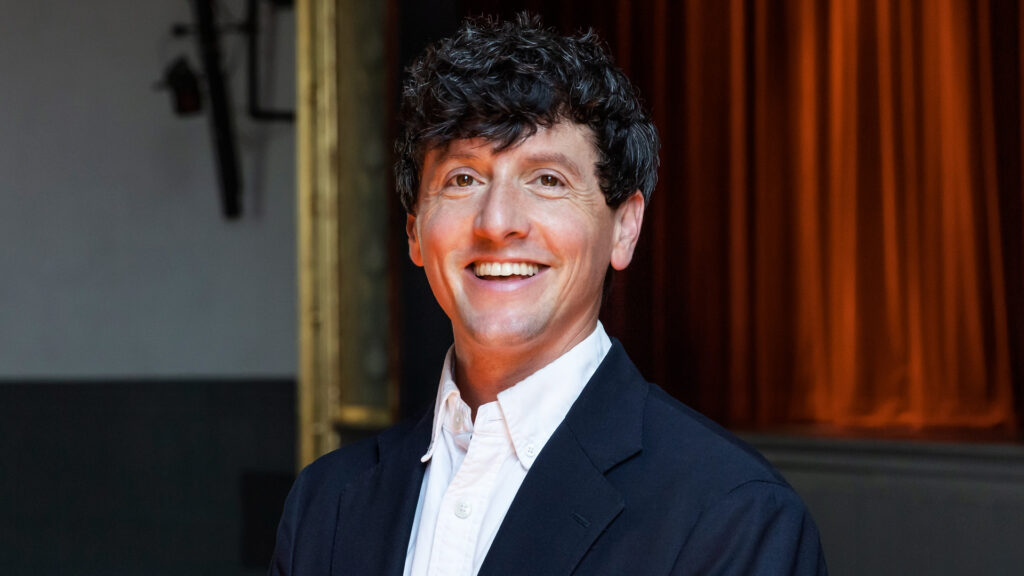
Dena Beard : Executive Director at EMPAC in Troy NY | Photo : Emma Marie Chiang

Please state your name, organization and position. Can you share a bit about your experiential / academic background?

I’m Dena Beard, Executive Director of the Curtis R. Priem Experimental Media and Performing Arts Center (EMPAC) at Rensselaer Polytechnic Institute, where I support artistic projects that challenge habituated forms of perception and invite new modes of engagement—across performance, sound, time-based media, and research-driven art.

Before coming to EMPAC, I served as Director of the Leonard & Claire Tow Center for the Performing Arts at Brooklyn College and spent nearly a decade as Executive Director of The Lab in San Francisco, working on projects rooted in experimental music, performance, and cross-disciplinary practice. Earlier in my career, I worked as Assistant Curator at the UC Berkeley Art Museum and Pacific Film Archive.

Across these roles, my focus has been on creating conditions for artists to work rigorously and experimentally, while also building organizations that are legible, humane, and porous—places where process is visible and audiences feel invited into how work is made, not just asked to consume finished products. I’ve been shaped by how powerfully art can activate space, community, and imagination. That’s why I do this.

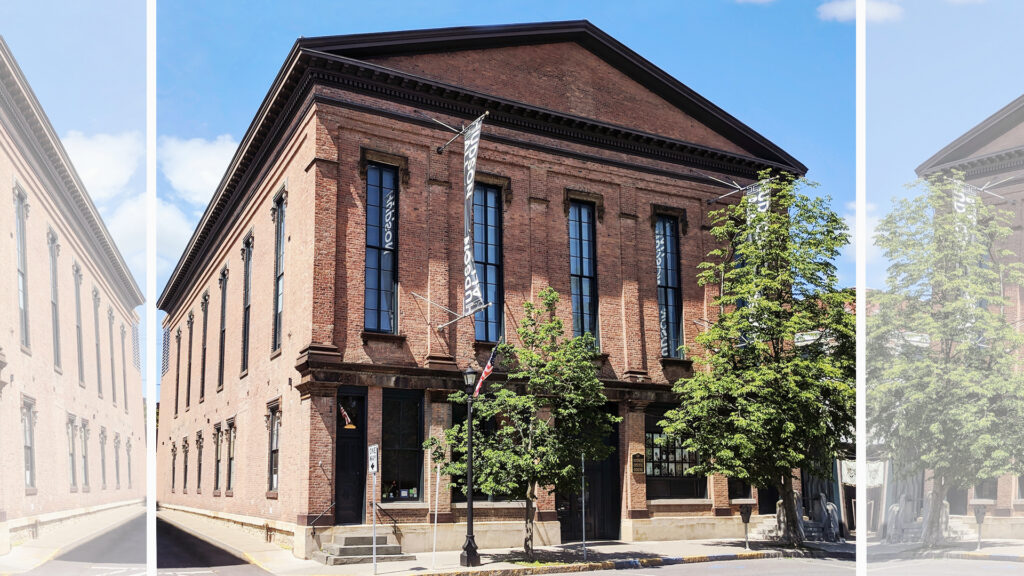
EMPAC : Studio 1 at Rensselaer Polytech Institute in Troy NY | Photo : Provided

You have an interesting diversity in institutional leadership between your time on the west coast with THE LAB in San Francisco and in NYC at Brooklyn College’s Leonard & Claire Tow Center for the Performing Arts. What made you decide to take on EMPAC and how is that background informing you in your approach?

EMPAC is unlike any other arts institution in the country. RPI made a once-in-a-generation investment in experimental art, research, and technology—and that ambition is real, not rhetorical. Over the years, EMPAC has supported more than 700 artists whose works now circulate internationally and enter major museum collections. What drew me here was the opportunity to steward a program that operates simultaneously as a performance venue, a research laboratory, and a civic space in Troy.

My prior work taught me that institutional frameworks can either obscure creativity or make space for it. At The Lab, we foregrounded artists’ ways of seeing and making, creating conditions for experimentation rather than containing work within predictable program structures. That included commissioning artists meaningfully, offering $25K to $150K and forms of support still rare in the field: healthcare, legal representation, full access to space. What emerged was an adaptive ecosystem: when artists were trusted, they shared resources and reshaped the organization itself.

At the Tow Center, I worked within a large public academic institution, supporting Brooklyn College’s Conservatory of Music and Department of Theater while bringing local and international artists into deep conversation with students and New York publics. That work taught me how to bridge academic environments and professional artistic practice without flattening either.

Coming to EMPAC was about merging these two approaches, one rooted in generosity and adaptability, the other accountable to a complex academic institution and a broader public. My goal isn’t to change EMPAC’s identity, but to make its extraordinary work more legible, more durable, and more connected to the people who live and work in Troy and across the Capital Region.

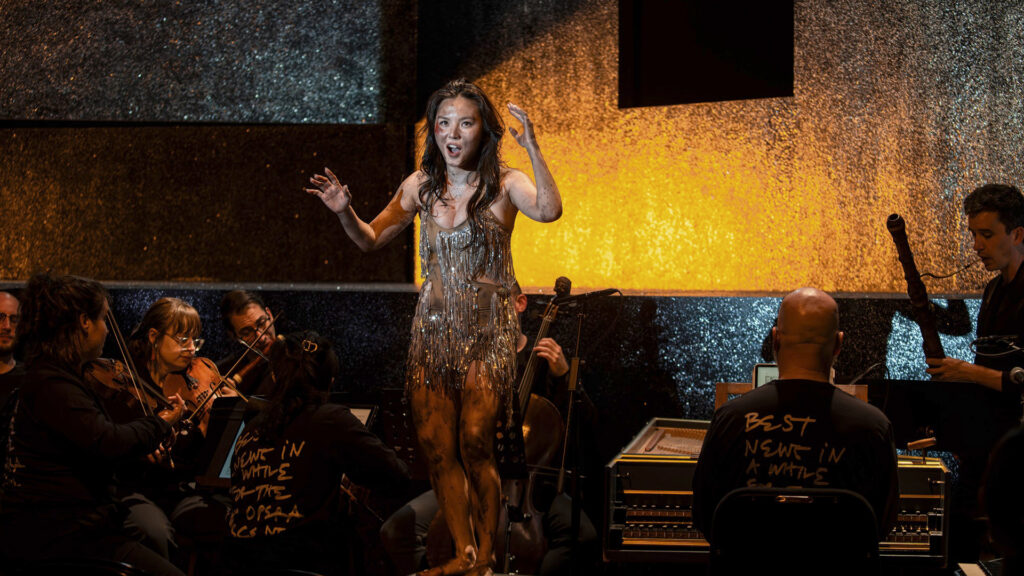
EMPAC : TOPOS Remote Peformance at the Gasholder Bldg in Troy NY | Photo : Patrick Dodson

EMPAC has been largely misunderstood by the public historically. I see you have been working on raising awareness not only about what it is but also finding ways to bridge the gap, creating a more inclusive interaction with the regional arts community and general public. Why do you feel that is important for the institution? What challenges are your facing in the implementation of that approach?

EMPAC was founded on the idea that art and research aren’t separate activities—that experimental creativity is a form of inquiry, and that technological innovation often requires imaginative leaps we don’t always recognize as artistic. Nearly two decades in, that premise still holds. The question now is how EMPAC carries this work forward in ways that offer models of imagination and resilience to people living in this region.

EMPAC has sometimes been perceived as opaque or inaccessible—not because the work isn’t compelling, but because the processes behind it haven’t always been visible. I think experimental work benefits from context, from gracious welcome, and from trust.

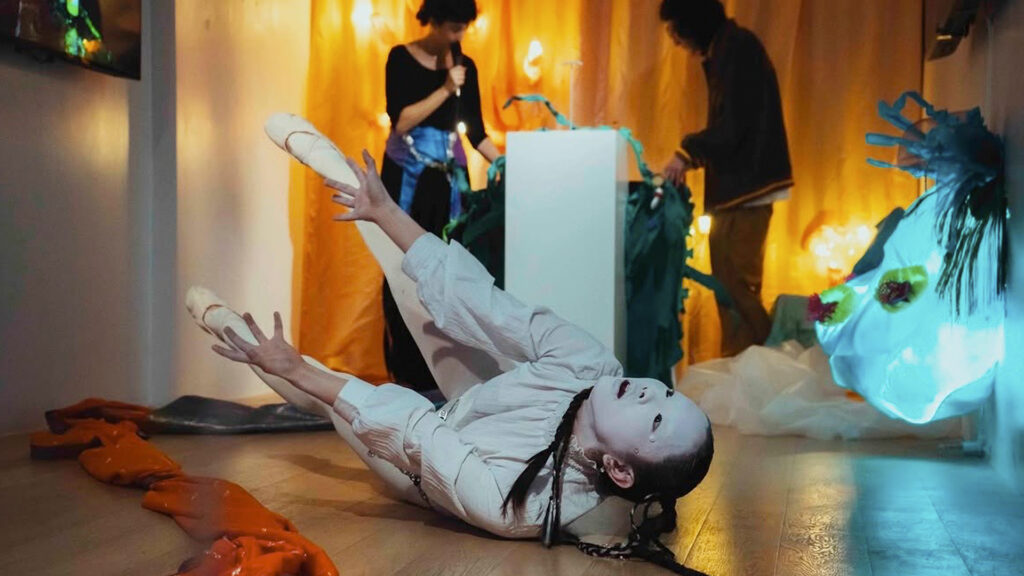
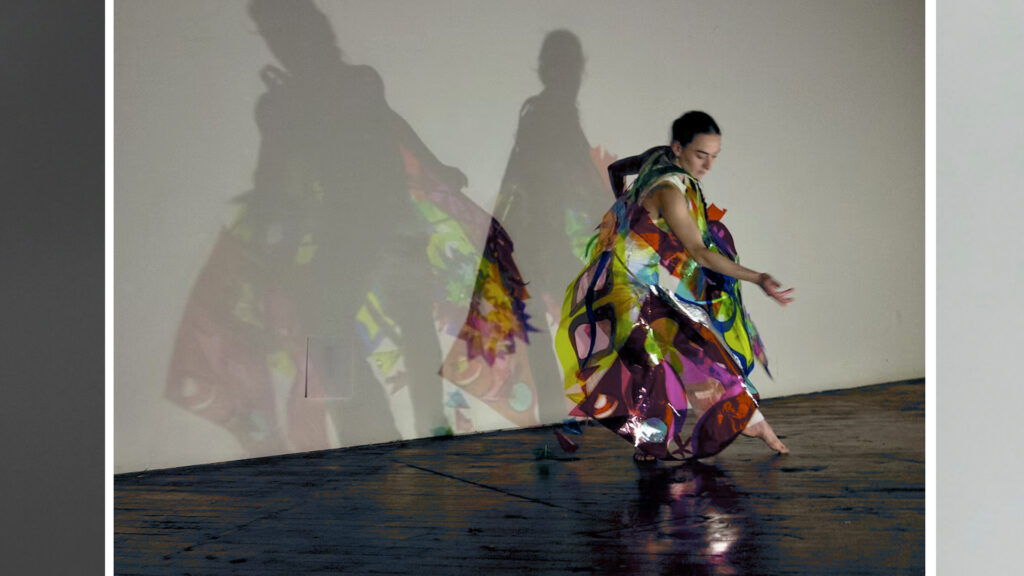
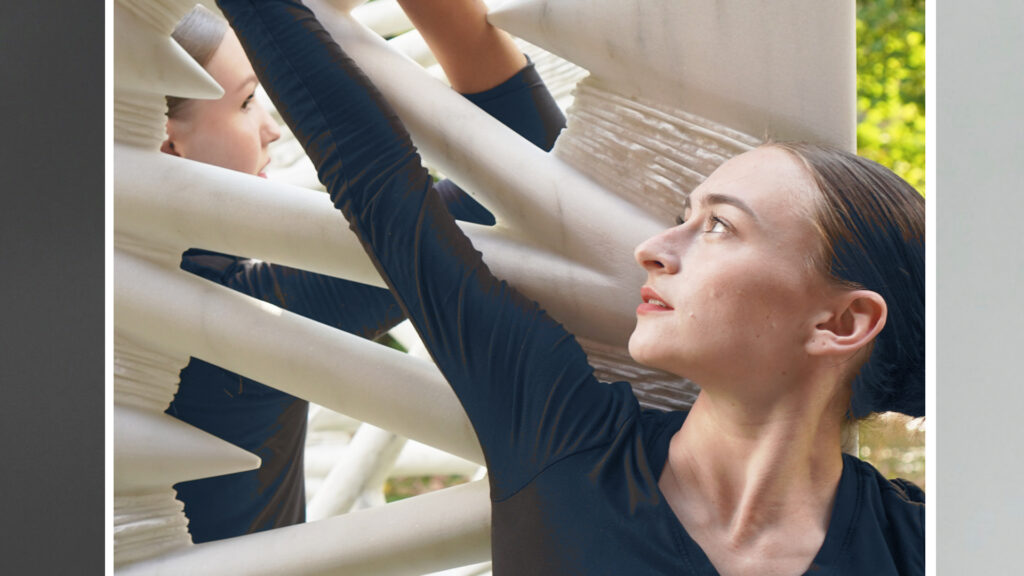
Hanae Utamura Performs at EMPAC in Troy, NY | Photo: Tara Holmes

For me, accessibility doesn’t mean simplifying the work. It means offering tangible points of entry: clear language, open doors, a public space for informal gathering—for food and drink, for conversation, for being together. Anyone who comes here should feel it’s their public park, a place to meet friends, go on a date, step away from screens for an hour, or even just take a nap between commitment

The challenge is doing this without flattening complexity. The initial capital funding for EMPAC expired more than a decade ago, and today over 80% of staff time and resources currently support campus projects. We’re figuring out how to offer more to the broader public without overextending staff or compromising EMPAC’s standing in the arts. That requires careful pacing, discipline, and a willingness to listen—to students, to artists, and to our neighbors in Troy. It’s slow work, but it’s essential if EMPAC is going to function not just as a laboratory and campus auditorium, but as a cultural anchor for the Capital Region.

Victoria Shen and Mariam Rezaei Performance at EMPAC in Troy NY | Photo : Michael Valiquette

What’s a typical day in the life look like for you?

There’s no such thing as a typical day, which probably explains why I love this work!

A day might include a technical walk-through with engineers and artists, a budget or infrastructure meeting with RPI leadership, a rehearsal, a conversation with faculty, and a late-night performance. In between, I’m thinking about long-term strategy: how EMPAC’s research mission aligns with RPI’s, how we care for a very complex building, and how we support a brilliant staff who are doing deeply specialized and deeply weird work.

A lot of my time is spent translating: between artistic and technical languages, between academic culture and public-facing programming, between ambition and sustainability. It’s demanding, but incredibly generative.

Leslie Cuyjet in Ephemeral Organ Festival at EMPAC in Troy NY | Photo : Michael Valiquette.jpg

SHAMELESS PLUG: Anything on the horizon that you have planned that you would like to share?

Absolutely. EMPAC is entering a really exciting phase.

This year we’re hosting three festivals that invite audiences from Troy and across the region into different ways of experiencing contemporary work: staging grounds (February 20–28), focused on time-based visual art; Corpus (April 23–25), dedicated to dance and movement-based practices; and Topos (September 3–5), centered on music. Each festival premieres new work we’ve produced alongside projects we’re eager for audiences to encounter—sometimes at early, evolving stages.

We’re also developing Interface, a more informal series designed to bring people into EMPAC through conversation, experimentation, and social exchange, hopefully with a drink in hand.

EMPAC is very much a living instrument, and I’m excited to invite more people to play it with us.

The Revolution WILL BE…In Person!

January 26, 2026 By Corey Aldrich

2026 is really kicking off with a bang. ACE! was on location for the grand re-opening of three major regional institutional arts organizations including The Egg (Albany), Saratoga Arts (Saratoga) and a new and expanded space for Albany Center Gallery (Albany). This represents some major investment in our region in community arts, culture and entertainment, and helps drive the Capital Region as a creative economy hub for work and play with an investment to the tune of well over $20M collectively. Find out what each organization was able to add and refresh with their reset and how that will impact future forward programming for our region.

THE EGG | YOUR EGG IS SERVED (ALBANY NY)

The Egg Staff Celebrates at the Grand Re-Opening Event | Photo: Megan Mumford

After a six month closure, state and local leaders cut the ribbon this month for a $19.5M renovation at The Egg. Though the project predates Governor Kathy Hochul’s $400m Championing of Albany’s Potential initiative, it complements the overall mission and direction being mapped out for Albany by her office.

The Egg : Crowd Shot at the Grand Re-Opening Event | Photo: Elissa Ebersold
The Egg : Dancing to DJ Hollywood at the Grand Re-Opening Event | Photo: Elissa Ebersold

The Egg is a performing arts center located in Albany, N.Y.’s Empire State Plaza. An unmistakable feature of the capital city’s skyline, the venue houses two theatres encased in a domed, egg-like concrete structure that took 12 years to construct and was completed in 1978. The Egg presents music, art, theatre, comedy, dance, and family entertainment year-round.

“The Egg is a meeting place for New Yorkers and visitors looking to immerse themselves in the thriving creative industries that are integral to our state’s bold identity,” Governor Kathy Hochul said. “As part of Downtown Albany’s revitalization, this long-awaited renovation modernizes one of the Capital Region’s most distinct cultural landmarks. This new chapter of The Egg showcases the value of spaces where the arts and culture converge...”

OGS (New York State Office of General Services) oversaw a project that modernized the interior of the building while honoring its original design and mission. Work included replacing seating and carpeting throughout both the Kitty Carlisle Hart and Lewis A. Swyer theatres and all public areas; installing a state-of-the-art, fully automated LED theatrical lighting system; and adding new dimmable LED house lighting that better showcases the building’s unique architecture.

The Egg : Hart Lobby Before Renovation | Photo: Megan Mumford
The Egg : Hart Lobby After Renovation | Photo: Megan Mumford

“The Egg is a place where art happens with no straight lines, and these renovations make it possible for us to serve Albany and all of New York in a bigger way. We are deeply grateful to Governor Hochul for believing in this building and making this investment in the arts possible ” said Diane Eber :Executive Director The Egg

The renovation also expands accessible seating in both theatres, upgrades restrooms, and adds an induction loop assistive listening system to improve the experience for guests who use hearing aids or cochlear implants. Public spaces have been refreshed with restored mid-century finishes and new custom furniture designed to complement The Egg’s ellipsoidal structure, aligning the interior with the boldness of the exterior for the first time since the venue opened in 1978.

“Updating The Egg reaffirms the importance of the arts scene in the Capital Region and supports our efforts to reconnect Downtown with its residents and visitors. ” Senator Patricia A. Fahy

The Egg : New Seating and Carpet | Photo: Megan Mumford

The renovation supports a renewed vision for The Egg as a statewide performing arts center and destination, where the building itself is an integral part of the artistic experience. The upgrades will enable more complex productions, improve comfort and accessibility for audiences, and ensure the venue can continue to serve as a gathering place for decades to come.

“When people come to visit our great City of Albany, The Egg is the first building they see on our skyline. This exciting renovation helps to solidify this structure as an icon of our downtown, and I am thrilled to celebrate its completion. ” Albany Mayor Dorcey Applyrs

WEB: theegg.org | IG: @theegg | ADDRESS: EMPIRE STATE PLAZA

ALBANY CENTER GALLERY | MORE ART EVERYWHERE (ALBANY NY)

Albany Center Gallery : Ribbon Cutting Event for the New Digs | Photo: Provided

Located in the old Pizza 54 space on North Pearl Street (Known by many back in the day as Pizza Timmy’s!). Albany Center Gallery has significantly expanded their space from 1700 sqft at their previous location to 6600 sqft. The new space features offices, storage, a kitchen, a larger education space that can also be used as a secondary gallery, and a large street front main gallery that currently is showcasing over 200 works in it’s annual member show.

Jankow Companies oversaw the fit up in conjunction with Platt Construction. This was partially funded with a grant from Capitalize Albany for build out costs. Additional funds to underwrite the move where funded via specific donations and / or were covered via a specified funding campaign.

Albany Center Gallery : New Location Opening Night Crowd | Photo: Michael Joyce

“With more space, we are able to support more artists, present more ambitious exhibitions, and bring even more of the community together under one roof. Our new home at 48 North Pearl Street allows us to expand our programs, activate the gallery with evening events, and create dynamic, welcoming experiences where art becomes part of everyday life in downtown Albany.” stated Tony Iadicicco, Executive Director at Albany Center Gallery “It’s a big step forward for ACG and for the artists and community we serve. As we move forward, we remain committed to our mission, uplifting, showcasing, and advocating for the creative community while ‘Bringing Art Everywhere.’”

Albany Mayor Dr. Dorcey Applyrs marked January 16, 2026 as “Albany Center Gallery Day” inaugurating the day in City of Albany history.

Albany Center Gallery : Tony Iadicicco Executive Director | Photo: Corey Aldrich

WEB: albanycentergallery.org | IG: @albanycentergallery
ADDRESS: 48 N. PEARL ST.

SARATOGA ARTS | YOUR COMMUNITY ARTS CENTER (SARATOGA SPRINGS NY)

Saratoga Arts : Re-Opens After Upgrades | Photo: Spencer Sherry

I recently caught up with Amy Bloom, Executive Director at Saratoga Arts in Saratoga Springs, NY for an update on their renovation efforts. They just finished up a $2M+ space renovation / upgrade and recently re-opened to the public after a 6 month build out period. Funding sources included $1M from the City of Saratoga Springs, $766K through a capital grant from NYSCA (New York State Council of the Arts) with the remainder fundraised by Saratoga Arts’ board members, donors and a few other local foundations.

The renovation has resulted in several key improvements – a new gallery with programmable, energy efficient lighting, 2 renovated bathrooms, an upgraded theater (including a sound booth and new projector/sound equipment), and replacement windows throughout much of the building — in particular the curtain wall (The windows that face the carousel in the back of the building).

Saratoga Arts : Shown Allan Weatherwax (Board President), Amy Bloom (Executive Director) and Spencer Sherry (Grants and Community Outreach Coordinator) | Photo: Corey Aldrich

On the lower level you will find new lighting and ceilings throughout most of the classrooms, including a door from the main classroom providing direct access to Congress Park. To follow, a patio will be installed in collaboration with the City of Saratoga, slated later in spring 2026. The printmaking studio has new plumbing and a new sink was added in the smaller classroom. Additional improvements include upgraded wifi (especially on the lower level where there was none prior), a new boiler, new gutters, and electrical panels throughout much of the building.

“As a supporter of Saratoga Arts for over 30 years, NYSCA is proud to be a part of this extensive renovation project, which has created a multi-use facility to serve thousands of visitors. This new sustainable space will serve as a catalyst for creativity and collaboration for the entire region. Congratulations to the entire Saratoga Arts team, we look forward to decades more of your innovative and accessible programming.” Erika Mallin : Executive Director of NYSCA (New York State Council of the Arts)

Per Amy, the renovations will significantly improve Saratoga Arts ability to fulfill their programmatic mission to the community and provide an enhanced experience for community engagement.

WEB: saratogaarts.org | IG: @saratogaarts | ADDRESS: 320 BROADWAY

Kyra D. Gaunt PhD is Unapologetically Pushing Back and Taking Space

October 8, 2025 By Corey Aldrich

I recently attended an event hosted by the The New York Writers Institute with author Keach Hagey regarding her recent book on Sam Altman, The Optimist. Though I am not convinced of Sam’s motives I was pleasantly surprised at a post event dinner (that Paul Grandal and Elisabeth Gray were kind enough to include me in), to meet SUNY Albany’s AI and Society Fellow Kyra D. Gaunt PhD. Her perspectives on the AI tool set, her research on specific biases in the music industry, and in the roots of culturally driven video editing practices intrigued me so, I just had to find out more about this dynamic personality and pick her brain about the universe of things she has poured herself into.

Kyra D. Gaunt, PhD : University at Albany, SUNY | Image: Provided

Please state your name, current position(s) / organization(s). Can you also give us a bit of your educational background and personal path as well?

My name is Kyra D. Gaunt, PhD. I am an Associate Professor of Ethnomusicology in Music, Women’s, Gender, and Sexuality Studies (WGSS), and Sociology.

Going to a community college, I never expected to become a professor. I am a proud graduate of the University of Michigan in Ann Arbor, where I received my PhD in ethnomusicology specializing in black girlhood studies and hip hop as music. All of my previous degrees are in classical voice. I started pursuing a Doctorate of Musical Arts while studying with the famed tenor, George Shirley. I am a singer, songwriter and jazz improvisational vocalist. I released an album in 2007 titled Be the True Revolution, named after a line from the poem When I Die (1970) by Nikki Giovanni.

I’m originally from Rockville Maryland from a community founded in 1891 called Linkin Park. My great great grandfather was a freedom seeker from Portsmouth, Virginia, escaping the free labor slavery camps in 1855. He changed his name from Robert Irving to Sheridan Ford and landed in Springfield, Massachusetts where my grandfather and his two brothers were from before they moved to the DC Maryland area. My great great grandmother also escaped from enslavement dressed as a man around the same time and migrated to Springfield, Massachusetts as well.

I only learned this in 2014 cause it’s the kind of knowledge that isn’t passed down by word of mouth in most African-American families. So my ancestors trace their history back nine generations: see here.

You can find more information about my work on the TED Fellows Blog.

Kyra D. Gaunt, PhD : University at Albany, SUNY | Image: Provided

You have so much going on! Its hard to pick where to focus. That said, one of the areas that I have interest in is your writing. Can you talk a bit about that and how you came to be published? Are you still active as a writer?

When I was still young and naïve (a fledgling 19!), I had my diary invaded by my mother‘s boyfriend at the very moment I was coming-of-age sexually. I’ve never shared this publicly, but it’s what inspires my current research project for a book that will come out next year titled PLAYED: How Music, Mutes and Monetizes Black Girls on YouTube.

I suffered 20 years of stage fright. My love language became procrastination! (lol) Writers block of one form or another followed. I thought academia wasn’t for me and left to get my MRS Degree. After a 5 year adjunct with TED I ended up landing here at University at Albany.

What has helped me find my voice has been my art and my artistry, my exploration of being true to the ancestral voice inside me that loves to sing and dance. Be silly and to teach others to free their voice. The root of my trauma has been emotional manipulation, so my work is often about that from research to teaching. If you ask me what I do as a teacher, I tell people that I teach emerging adults to own their own greatness, and their intellectual, emotional and social fitness.

Kyra D. Gaunt, PhD : University at Albany, SUNY | Image: Provided

One of the areas you explore as an ethnomusicalogist and professor is music videos on youtube, specifically in the area of black girlhood and musical blackness. You cover a number of areas but one was of specific interest to me. Can you share a bit about what ‘supercuts‘ are and maybe elaborate on that as a feminist practice that has a genesis that has been largely overlooked historically, and why it matters? Also, do you see a larger meaning or influence of this style of editing specifically in our current, larger cultural and political context as a communications style / tool?

I have a featured Vlog on my YouTube channel about the history of ‘supercuts.’ Most people don’t know that the vidding community of girls and women, invented the idea of ‘supercuts’ something that has taken over video culture since 2007. Vidding is when amateur content creators remix clips from their favorite songs and television shows together into an emotional narrative. It’s an underground scene that’s over 40 years in the making. As frequently is the case, the contributions of the most marginalized communities gets co-opted or gentrified by mainstream entities for profit, and the real influencers are left behind. The vidding community was primarily white and Latina. I’ve tried in my collaborative research with undergrads to change that. I prioritize emotional and effective labor with my students, who are emerging adults. In academia we focus a lot on STEM and book knowledge but not on helping students learn to have greater empathy for themselves and others. When we do that, we have more empathy for black girls and brown girls and disabled girls and other marginalized girls whose lives are often not represented by headlines about the harms of social media that have been in the news the last few years, even to the point of leading to congressional hearings. The black girl is the most disrespected user in the precarious and unregulated spaces of online content creation for kids and youth.

The aesthetic found in the female vidding community are similar aesthetics to most communities, but particularly the African aesthetic found from remix culture to dub culture and music. I argue with my first book that these aesthetics come from black girls game songs from hand club, games cheers and double dutch jump rope play. It’s the musicianship of gaming that is the hidden obvious as we like to say as ethnographers.

Still from TED TALK by Kyra D. Gaunt, PhD : University at Albany, SUNY | Image: Provided

You are also an ‘AI and Society’ Fellow at SUNY Albany. When we met, you had an interesting perspective on AI and how educators should consider approaching the tool with regards to student use…care to revisit that?

I found a new home thanks to Elizabeth Gray in the AI & Society Research Center at University at Albany. Most people on campus are pretty conservative about technology because our infrastructure really doesn’t help us explore new media and new emerging technologies. I recently spent two weeks writing a proposal for a Guggenheim fellowship in which I explore how the nonverbal sonic aspects of musical blackness cannot be read by AI’s large language models (LLM).

‘They tend to be text and visual based, but even when they do and code voice like Siri or Alexa, how do they translate in eyes and oops of African musical aesthetics?‘

I transcribed that last sentence by audio and you see what it produced. Let me transcribe that with human ingenuity: How does AI translate the aahs, the umms, the James Brown screams and field hollers, the Cardi B rolled kitten r’s or the moans from spirituals to jazz without a micro archive to develop systems of artificial intelligence consistent with ways of thinking, feeling, believing and behaving that are not from the term forms of knowledge associated with WEIRD nations (White, English Speaking, Industrialized, Rich Democracies).

I want to study with what Legacy Russell calls Glitch Feminism. The ghosts in the machine of artificial intelligence, the missing links, the faux pas that signal that you can’t read blackness. It begs the question: Does AI have any black and female friends? Like the old saying goes, ‘there’s truth in jest.’ Unless we have more ethnomusicologists interpreting non-western cultures in LLMs, more of us doing work with supercomputers like what’s available at the University at Albany, and having those systems made available to scholars like me – – a black women, brown women, people with disabilities, neurodivergents – the true revolution will be lost and left to only the most privileged in WEIRD Nations as we move into the age of post human AI intelligence. We are inhabiting the world that Octavia Butler imagined in ‘Parable of the Sower’. And I for one, will will do my best not to let that happen. I may be 63 years old and not considered somebody who is interested in new technology just because of my age. But my wisdom and ancestors who speak through me have so much more to offer than many of my students at a public university who have not been educated to trust their own thinking, take liberties and have compassion for people who are ‘not like us.’ (to riff off last summers Kendrick Lamar hit)

Presentation Board with Kyra D. Gaunt, PhD : University at Albany, SUNY | Image: Provided

In 2018 you had a TED video called “How the Jump Rope Got Its Rhythm” that has a total of over 7M views with translations in 29 languages. While covering the history of jumping rope and its importance as a tool of young female identity you also discussed how that playground practice then moved on to influence popular culture, specifically with black artists. Care to share a bit about this? I was intrigued by the concept of ‘Kinetic Orality‘ as a tool for memory. Please elaborate!

Kinetic orality and aurality is our first technology, both musical and otherwise. Hearing is the first sensory cognitive organ to develop in the womb. Nonverbal communication is our first language, it’s why in my opinion you should teach kids sign language before they can speak. There’s a gene in our DNA that prevents us from being able to say certain things with our tongue until a certain age. It’s just part of human development. However, kids can start to speak before they learn English by using sign language. We communicate all kinds of emotional knowledge and effective information by eye contact, tone, voice, facial expressions, gesture, timing, body posture, intensity, and our reactions to other human beings around us. Neuroscientist Daniel Siegel says that this is how you build an integrated brain in a child or in an adult. How does AI do this without hormones, without all of those factors of an integrated brain so that it can reproduce knowledge that I’d identify as African or African-American in tone, feel, touch and other sensibilities? Not just literate and visual communication?

Kinetic orality lives through the embodied action and percussion in games like telephone that we all remember from childhood. Black girls game songs have that added dimension of rhythmic intricacy and contrast expressed in polyrhythms, complexity and touch. We share hormones that keep us alive through touch, through hugs, through smiles and through laughter. AI doesn’t know how to tell a good black joke is my bet. It doesn’t know how to give sass and clap back to boys and men who think they can turn you into a joke or a punch line, whether it’s the Charlie Kirk‘s or the Drake’s of the world. Whether it’s the bullies or the sexual predators.

Kinetic orality is a term invented by Cornell West from 1989. He called it, the passionate physicality and embodied communication we used to survive and dream of freedom. I call it a technology, our first. Socio-biologists believe that music is our first technology. It’s what let us to walk upright to be able to sing a lullaby to a child swaddled on your back while you’re foraging or hunting. It led to how we language beyond the present to tell stories about the past and the future. Musical tone speech became the languages we all speak. Sets of pops and hisses as neuropsychologist Lera Boroditsky says turns into thousands of different languages among a single human race sharing 99.8% of the same DNA.

Embodied scripts of epigenetic or ancestral memory as behavior becomes part of our learned ways of being musical blackness. The earliest formation of a black popular music culture learned by kids, taught by girls, happens at a very young age; girls are taste makers of Black popular culture but they receive no royalties for them because they are children, they are female and they aren’t literate yet.

Kyra D. Gaunt, PhD : University at Albany, SUNY | Image: Provided

Finally, you also a singer songwriter in the jazz genre. How often do you gig and where can we find some of your music?

Right now I’m writing a memoir which I call a vocal memoir due to the fact that it’s based around several micro stories regarding my teaching after receiving hate mail my first year in the profession back in 1997, pertaining to various dimensions of my song life. A spiritual accompanies a story about why isn’t there a chapter on love in an anthropology textbook. The first song I ever wrote about meeting my dad at age 40 is accompanied by a story about daddy’s and daughters in the black community and the way people talk about deadbeat dads and won’t forgive the human experience. It’s my one woman show called Education Liberation: A Vocal Memoir. The tag is, ‘I know why the caged bird won’t sing.’

I performed it at University at Albany twice. The last time was in 2022. I sit in at a jazz jam sessions when I can, but now that I have arrived at having tenure, I can do more of the things I love. I’ve been cultivating the idea of doing an Albany First Friday event where I sing, tell stories and read poetry in the cozy lounge at the Argus Hotel in downtown Albany…

You can find my CD on all major platforms from iTunes to Spotify. But if you want me to make a few coins, then buy it on CDBaby. I love doing small gigs, parties or celebrations and I’m also a voice over artist. People love the voice that I was born with. I did the last national campaign for Planned Parenthood before Roe v. Wade was overturned. In fact, it was my first voice over gig ever.

AMY GRIFFIN CREATES A THIRD SPACE FOR PUBLIC GATHERING

August 26, 2025 By Corey Aldrich

If you have ever had the privilege to work with Amy Griffin, you know what I do…that she is probably the most easy going, kind and light hearted person that you could hope to meet. Underneath the surface – a talented, creative and highly collaborative arts professional that is really finding her stride in her current role as Director at the Opalka Gallery in Albany. After years of working with her on one of my all-time favorite projects, it felt like high time to sing her praises a bit and share her ideas with the community at large.

Amy Griffin : Director at Opalka Gallery in Albany, New York | Image: Provided

Please state your name, title and organization. Can you also tell us a bit about your history including education, other jobs of note and other special accolades?

My name is Amy Griffin. I am currently the Director at the Opalka Gallery on the Russell Sage College campus in Albany, New York.

The road to Opalka Gallery was long and winding. I got my MFA from Hunter College in Photography and worked in publishing, teaching, and the NYC archives. From there I did college teaching. I also worked at the NY State Museum in the exhibitions department and wrote about art for the Times Union. I’ve been here for 10 years and moved into the Director position 3 years ago.

Seance Exhibit Gallery Performance with the Ellen Sinopoli Dance Company | Image: Provided

Can you share a bit about your mission at the Opalka Gallery? Maybe a little bit about how the program integrates into academic campus life and the general public.

We are always trying to raise the profile of the gallery to welcome the community in as much as possible, while supporting artists. We want people to feel comfortable coming to check out exhibitions and to participate in our free events, even if they don’t think they know much about art. There’s a lot of interest in “third spaces” and that’s what we want to be for the community–a place that’s not home or work but you don’t have to spend money. This goes for students, as well. Russell Sage‘s Albany campus is small–we want the students here to have a place to go for fun events or just to get away to some place quiet during the day. We also offer free music on most First Fridays, in addition to our September Pop-Up Beer Gardens and we’ll have a free map-making station in our fall exhibition. We’ve been offering a free kids’ art workshop each semester, organized and taught by Russell Sage College Masters of Art Teaching students. We also employ college work study students–so, we have lots of ways that we interact with both the college community and the community at large.

Music Performance at the Osi Audu : The Self in African Art Exhibition | Image: Provided

On the gallery side, would you share a bit about your curatorial philosophy? I have seen some amazing shows there, most recently the Osi Audu : The Self in African Art. I seem to remember there being an interesting back story on how you made that one come to life.

 Diversity matters–that includes the types of shows we do and the medium of the work we show. We’re committed to bringing in engaging contemporary art and design from all over, while also supporting the regional art community. We wouldn’t want to do all group shows of local artists or only painting shows from painters outside the region. We mix it up, looking for excellent work that can be linked to the programs and curriculum here at the college, as well as engaging the broader community. For the Osi Audu show, Pierre Brooks, a collector of African art, stopped by the gallery a few times, invited me to check out his collection down in Greene County. Since we emphasize contemporary art, I hadn’t thought of a way to work with Brooks and his collection until I came across the work of Osi, a painter based near Kingston who makes abstract paintings in direct response to African art pieces and then it all came together!

PechaKucha at the Opalka Gallery in Albany New York | Image: Provided

I know you are also running some other public facing programming as well such as PechaKucha and the annual Pop Up Beer Garden and Neighborhood Block Party (Note: ACE! has been a promotional partner of this series for several years now) How do you see that type of programming fitting into your strategic goals for the gallery?

These kinds of events are perfect for our strategic goals because they’re community-building events that bring people into the gallery who might not necessarily choose to come see an art exhibition. They help expand our reach and also support the creative economy, which, I don’t have to tell you at ACE!, supports the local general economy. For a PechaKucha event, we might get close to 150 people–those people typically are then looking for a place for dinner or drinks afterward.

The 2025 Screenprint Biennial at the Opalka Gallery in Albany New York | Image: Provided

Care to share a bit of the personal challenges and rewards of the job? Any mid term or long term goals you are looking to accomplish there?

I love seeing a crowd here for an exhibition reception or other event–it feels good to be helping make Albany a dynamic place to be. 

The challenge is, as with any art/non-profit job, that we always feel like we are short on staff. We always want to do more and more but that translates into more and more work and more money! We’d love to have an expanded gallery education program, for instance, or add more events. One smaller scale goal is to expand our Artist Registry. Right now, it’s just a page on our website–artists can upload their name, medium, and website URL and then curators can potentially use it to find artists. But my goal is to build it out to be a searchable database not unlike what White Columns in NYC has done–only tailored for artists based in the region.

Shameless Plug: What are you excited about that we should be putting on our calendar?

In addition to “Compass Roses: Maps by Artists–Albany“ which opens on Sept. 2, we’re in the thick of planning for our fall Pop-Up Beer Gardens–the first 3 Fridays in September! In addition to our whole slate of fall programming of course! 

WEB: opalka.sage.edu
IG: @opalka_gallery | FB: @opalkagallery

The Pedigreed Couple Bringing World Class Performance and Education to Saratoga Springs, New York

July 8, 2025 By Corey Aldrich

My good friends over at Saratoga Arts were kind enough to provide tickets to the Sunday (06.15) performance of the Mostly Modern Festival at the Arthur Zankel Music Center on the Skidmore Campus, so I decided to drop by and check it out. In the past I have worked on projects with the Albany Symphony, Musicians of Malwyck and the Friends of Chamber Music to name a few so I have had a reasonable exposure to quality classical performance work. That said, I was not prepared for the resplendent beauty that I was privy to that day! The highlight being the world premier of Journey of a Dragonfly by Composer and MMF Co-Director Robert Paterson. It was a tour de force that felt like I had witnessed a new and unfamiliar format that left me hungry for more. (That and a great after party at the Surrey Williamson Inn!) I caught up with Victoria and Robert to better understand their organization and to ask how they are able to make this ambitious level of annual programming possible, with its attendant challenges, not only in Saratoga but with a sister festival in the Netherlands as well.

Robert and Victoria Paterson : Founders and Co-Directors at Mostly Modern Festival | Image: Lisa Marie Mazzucco
Robert and Victoria Paterson : Founders and Co-Directors at Mostly Modern Festival
Image: Lisa Marie Mazzucco

Please state your individual name(s), titles and give me a little bit about your background.

Victoria Paterson, General Director, Violinist and Co-Founder of Mostly Modern Projects. I am a violinist who is equally comfortable with classical, pop, and the healing arts. I have performed everywhere from Carnegie Hall, Birdland, and Madison Square Garden to Late Night with Seth Meyers and The Today Show. I am the General Director of Mostly Modern Projects where I hire musicians year-round, delivering vital programs to the community via senior centers, hospitals, and Alzheimer’s patients, as well as ‘rush hour’ & ‘lunchtime’ programs in public spaces and parks all over New York State. I lead the ever-popular FAB5 with a great line-up of live shows. My career spans a 20-years on Broadway, including full-time 1st violin positions for Lincoln Center’s My Fair Lady, The Palace Theater’s Sunset Boulevard and West Side Story, Lunt-Fontanne’s The Addams Family, and Off-Broadway : Heathers and The Thing about Men. I love collaborating with my husband and award-winning American composer, Robert Paterson. We celebrate his music with life-long projects, including the Mostly Modern Festival in Saratoga Springs, New York as well as the European edition, Mostly Modern The Netherlands.

Robert Paterson, Artistic Director, Composer and Co-Founder of Mostly Modern Projects. As an American composer, I strive to embody the diversity and breadth of New York State. Born in Buffalo, NY, I spent over a decade in Rochester and Ithaca, more than twenty years in New York City, and now live in Saratoga Springs, near the Adirondacks. My goal is to create colorful music that embraces everything from the environment to goddesses, online dating to mathematics. I had the privilege of being named Composer of The Year by the Classical Recording Foundation at Carnegie Hall. I was the winner of the Alfred I. DuPont Award, and my opera Three Way won the Grammy® under Best Classical Producer of the Year. I am honored to often get recognized as Best of the Year pick on National Public Radio where my orchestral tone poems, Dark Mountains and Triple Concerto, regularly air on NPR’s Performance Today. Three Way premiered with the Nashville Opera, Brooklyn Academy of Music, and across the United States. The Oratorio Society of New York, Minnesota Orchestra, Louisville Orchestra, Buffalo Philharmonic, Albany Pro Musica, Albany Symphony Dogs of Desire, Musica Sacra, Austin Symphony, Vermont Symphony, and ensembles worldwide also perform my music. I am a lifelong vegan and an advocate for animals and the environment, celebrating the natural world with seminal works such as Triple Concerto, A New Eaarth, Listen, and I Go Among Trees.

Mostly Modern Ensemble | Image: Lindsey Fish

Can you share the history of the project? What was the genesis of the Mostly Modern Music Festival? How about the mission? Is this an annual event based at the Zankel only?

ROBERT: From the outset, our goal has been to continually reassess the world of classical music, to reinvent it as a vibrant art form for the 21st century and beyond. Mostly Modern Projects (MMP) is dedicated to shining a spotlight on music by (mostly) living composers. We founded MMP in 2005, initially as a new music ensemble in New York City, with the critically acclaimed American Modern Ensemble (AME). AME’s mission is to “turn classical music programming on its head,” programming mostly and usually entirely by living composers. To this day, AME showcases and celebrates living composers, featuring world premieres in engaging and fun-filled concerts. Around the same time, we launched Lumiere Records, a classical label featuring string quartet music with broad market appeal, and then American Modern Recordings, a house boutique label focusing on music by living composers.

Mostly Modern Festival | Image: Provided

In 2018, Mostly Modern Festival (MMF) was founded in Saratoga Springs, New York. Each June, it takes place on the campus of Skidmore College at the Arthur Zankel Music Center. Quickly becoming the “Aspen of the East“, MMF hosts the MMF Institute, an educational experience for 200 instrumentalists, singers, composers, and conductors. Each year, people from all over the world descend on Saratoga Springs for the unique MMF experience. MMF’s international reputation began in 2021 when MMF The Netherlands was launched. MMF NL is held every April in historic Holland in Middelburg, Zeeland.

Mostly Modern Festival 2023 in the Netherlands | Image: Provided

Putting on a multiday, symphonic classical festival is a challenging endeavor on many fronts. How are you paying the bills? Is this mostly grant funded?

VICTORIA: The Mostly Modern Festival was founded in 2018 in Saratoga Springs, NY and takes place at the Arthur Zankel Music Center. It is an expensive endeavor indeed- I had an audience member say at the last MM Orchestra concert that she saw about $1,000,000 on that stage: 80 world class musicians, their instruments, especially the Steinways, the harp, all those precious violins and stringed instruments which can run about $10,000- $100,000 +, all the winds and the brass, all the percussion instruments. We pay top conductor fees and principal fees in our field to lead the orchestra with side-by-side learning with students who are all in their 20’s on average. It is a magnificent site and sound to behold, and yes, it is expensive. The hall and facilities at Skidmore College are world-class and top-of-the line in acoustics, sound and overall aesthetics and beauty. The price tag to rent the Arthur Zankel Music Center for 3 weeks is expensive. As of 2025, Mostly Modern is not affiliated with Skidmore. Mostly Modern is not presented by Skidmore College: it is a straight rental agreement, just as the New York City Ballet and Philadelphia Orchestra rent their facilities for the summer for housing, meals etc.

We pay the bills with tuition income, generous patrons, our board, local and national partners, as well as private foundations and public grants. Historically we receive funding from the NEA and NYSCA. Mostly Modern did not get those two grants in the 2025 current cycle. This was a loss of about $75,000. 2025 also brought on students who had far less money to cover tuition, so Mostly Modern awarded more tuition-free scholarships than ever before. Our goal is to have an endowed student education fund to ensure tuition-free scholarships for our 110 students (based on need, as well as merit) which will also help ensure 40 faculty salaries every summer. Student education fund goal: $2,000,000 by 2027. 

Good news in 2025: local support really stepped in and shout out to local partners: Adirondack Trust Company, Stewart’s-Dake Foundation and Phinney Design Group.

Good news in 2025: We have a new collaboration with Yaddo. Mostly Modern performs and celebrates one Yaddo composer every summer, culminating with a performance at the Arthur Zankel Music Center. Big thanks to President of Yaddo, Elaina Richardson!

Mostly Modern Festival 2025 Audience | Image: Provided

I was excited to be there for the debut of your piece JOURNEY OF A DRAGONFLY and was really excited about the format and the story-based narrative style. Can you tell us more about this piece…the process, how long where you working on this one? What was your motivation? What was it like to hear that performed in front of an audience for the first time?

ROBERT: I first started conceiving, outlining, and composing Journey of a Dragonfly twenty years ago, while I was in-residence at Aaron Copland‘s house. (Each season, the Copland House offers residencies at his house for a few select composers from around the world.) Knowing that I didn’t have a premiere lined up, or even the right orchestra conductor, I put that piece aside, and worked on a handful of commissions I had at the time. The conductor I wanted for the premiere of this piece was JoAnn Falletta. Since I love her conducting, and aspects of the piece are inspired by an area near Niagara Falls near Buffalo, I felt like I really needed to wait until I had a chance to work with her in order to finish the piece. Fast-forward twenty years later, we now have JoAnn as a guest conductor at Mostly Modern Festival, and I felt the time was right to complete this work. This piece is dedicated to JoAnn and MMF’s fifth season, and to the Mostly Modern Orchestra in-residence at MMF.

The format of the work is highly-programmatic, meaning, it has a story and a narrative ‘program‘ woven throughout the work, about a dragonfly that explores the world above, finds a portal to hell, sneaks into the Devil family’s house, is captured by the Devil child, and finally escapes back to the world above. The story is so descriptive that we decided to show each scene as super-titles above the stage so the audience could follow along. Although the piece is meant as a concert piece, it is also designed to be animated, so kind of the reverse process to how it’s usually done in the world of film. Usually, a film comes first, and the music is added at the end. With this piece, the music already exists, so the animation can be designed around the music. It took me one month to complete the first ten minutes at the Copland House, and another two to three months to complete the remaining twenty-five minutes.

Hearing this work for the first time was certainly cathartic! I feel like I’ve literally waited twenty years to hear it realized for the first time. It was definitely a little scary: with a piece that large, you want to make sure the audience is captivated the entire time, and fortunately, I received a lot of wonderful comments after the premiere, so I think I succeeded!

Mostly Modern Orchestra with Andrew Crust | Image: Provided

I noticed that your web address is MOSTLYMODERNPROJECTS…what else do you have going on we should know about?

VICTORIA: Mostly Modern Projects is a 501c3 non-profit music organization that runs and brings music to everyone year round. This summer brings more community and parks concerts than ever: here is our lineup

Special shout out…3 Yaddo events entitled Wine & Roses featuring Mostly Modern’s FAB5, July 17, July 31 and August 14.

Left to Right: Victoria, Corey, Danielle and Amara yuck it up at the 2025 Mostly Modern Festival
after party at the Surrey Williamson Inn in Saratoga Springs. | Image: Provided

Extra Credit: Anything else you would like to share or plug while you have the talking stick?

VICTORIA: Seeking new board members for Mostly Modern Projects who live in Saratoga Springs and/or the upstate New York region – the lift is light and the benefits are robust!

Mostly Modern delivers vital and incredible music through concerts, festivals, outreach and community engagement all year round. Help us continue to provide this valuable platform for an ecosystem of classical performance artists, students and those who love the craft!

WEB: mostlymodernfestival.org | IG: @mostlymodernfestival | FB: @facebook

  • Page 1
  • Page 2
  • Page 3
  • Interim pages omitted …
  • Page 10
  • Go to Next Page »

Creative Economy Updates and Other Good Stuff!

STAY CONNECTED!

  • Facebook
  • Instagram
  • Twitter
Copyright © 2020 THE UPSTATE ALLIANCE FOR THE CREATIVE ECONOMY

info@upstatecreative.org | 41 State Street, Albany, NY 12207

Design by Reach Creative