• Skip to primary navigation
  • Skip to main content

ACE

Upstate Alliance for the Creative Economy

  • HOME
  • ABOUT
  • NEWSLETTER
  • SUBSCRIBE
  • JOBS
  • Show Search
Hide Search

ACE FEATURED

Denver Based Musicians Vibe on a ‘Creative Pulse’ in Upstate New York

March 20, 2025 By Corey Aldrich

Late to the party, I just recently discovered this gem of performance space that opened up in early 2024 when I had the opportunity to see the amazing Buggy Jive open for the intellectual and well read storytellers, Nathan Meltz and the House of Tomorrow there. Transplants from Denver, Alana and Niek Velvis decided to land here in Upstate, Troy specifically, due to the creative pulse they felt on the street and the ‘unique mix of history, grit, and artistry, with a growing music and arts scene.’ Approachable and community minded, these creative entrepreneurs have made a space for local and regional indie artists to call home. Oh, and they have respectable baked goods, beer and coffee offerings!

Niek and Alana Velvis : Owners at Mojo’s Cafe and Gallery in Troy, New York | Photo: Provided

Please state your name and title. Also, can you share a bit of your backstory?

We’re Alana and Niek Velvis, the owners of MoJo’s Cafe & Gallery in Troy, NY. At our core, we’re musicians who love playing—that’s what brought us together, and it’s what drives most everything we do.

Alana: I am a classically trained percussionist, with years of experience as a session drummer, nationally touring musician, and recording engineer. I’ve played in a wide range of projects, but find myself especially drawn to the second line rhythms and deep funk traditions of New Orleans. I also handle accounting and keeping everything at MoJo’s running smoothly behind the scenes.

Niek: I am a bassist, recording engineer, and entrepreneur with a background in law and business development. Since 2012, I have focused on working with startups while staying active as a musician. My passion in building physical and virtual spaces that allow artists to create freely came to fruition in 2018, which was a start of what led to building MoJo’s here in Troy.

Music has always been at the center of our lives, and MoJo’s was built from that foundation.

Backyard Stage Vibes at Mojo’s in Troy, New York | Photo: Provided

What was behind your choice in locating in the capital region / Troy? Also, I believe I remember you saying originally you did not plan to open a venue like this…how did it all come about?

We moved to Troy because of a pull to the creative pulse we felt here. For us, the city has a unique mix of history, grit, and artistry, with a growing music and arts scene that felt like the right place to help contribute to something special while remaining authentic to our own journey.

Before moving to Troy, we owned and operated a recording studio in Denver. Recording, engineering, and producing music were a huge part of our lives, and when we made the move to New York, we brought most of the studio gear with us, thinking we’d continue focusing on recording and production. And then, we found the space!

When we walked into what is now MoJo’s, some lightbulbs turned on for us. The layout and the energy felt like the perfect place. Instead of just being a recording space, we saw the potential for a venue, an art gallery, and a gathering place for musicians and artists, so we dove in and MoJo’s became the live extension of what we had already been doing in the studio.

Interior Shot at Mojo’s Cafe and Gallery in Troy, New York | Photo: Provided

From the start, MoJo’s was envisioned as a music venue and art gallery first. The focus has always been on hosting live music and showcasing visual artists. The coffee side of things was the next logical step for us, inspired by the bones of the space and a desire to provide sober-friendly offerings for gallery and show attendees. Building out the coffee portion naturally led to opening the café during the daytime hours, and as the creative energy flowed, we started developing custom coffee offerings with Gipfel Coffee, who roasts all of MoJo’s coffee selections.

You’re right about the plan developing in real time, and we’re grateful for not keeping our feet as there’s never any telling where we’ll be swept off to next.

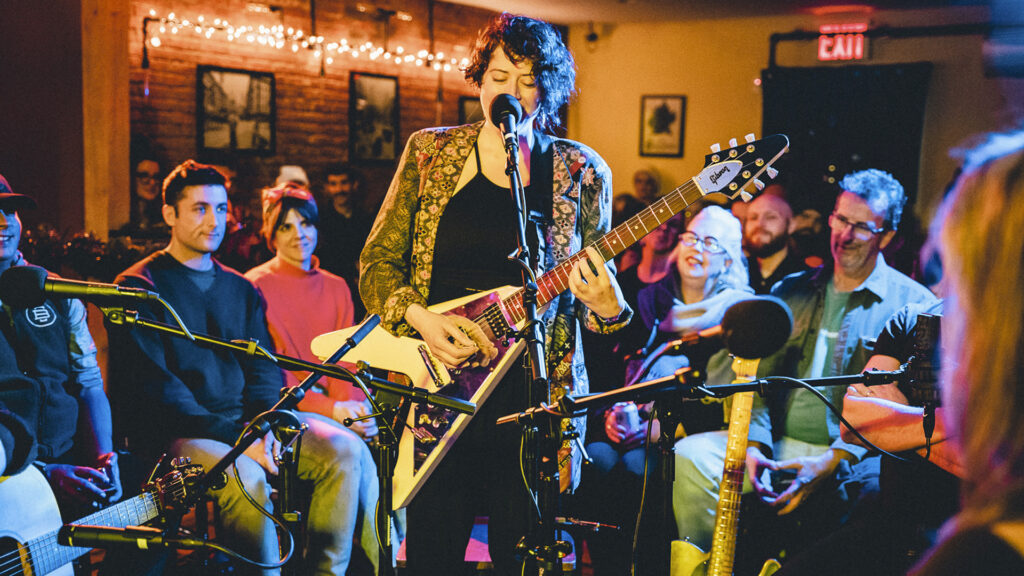
Buggy Jive – Live at Mojo’s Cafe and Gallery in Troy, New York | Photo: Corey Aldrich

Live music is a cornerstone of a vibrant city / community but is notoriously hard to make work economically…especially if you’re trying to compensate artist fairly. Can you share a bit about that side? How are you keeping the rent paid and making that all work?

This is a continuous challenge. Independent music spaces are fragile, especially when you’re committed to artist compensation. The reality is, ticket sales alone don’t cover costs, not in a room of our size. So for us, the key has been diversification. We treat MoJo’s as a multi-layered business with the cafe operating as a 3rd-Space during the day for food and beverage, Private Event Bookings, Art Sales, Custom Coffee Roasts, and Ticketed events.

Beyond that, it takes community commitment, which we are growing organically every day. We book shows for fans, so we work hard to curate a memorable sensory experience directed at an audience that values live music and understands that keeping a space like this alive requires active participation before, during, and after the show.

It’s also about efficiency for running a lean operation, keeping overhead low, and building relationships with artists and vendors where mutual support goes both ways.

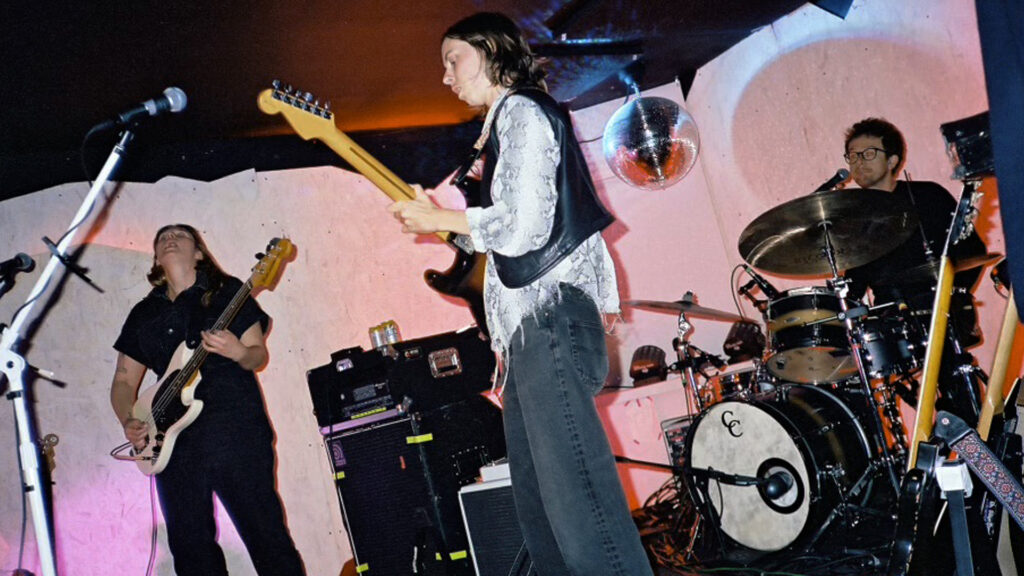
Afternoon Music Break with groop.lab’s DJ Denada | Photo: Provided

Do you have any general comments that you would like to share regarding what we should be doing to ensure that this level of musical ecosystem is sustainable and thriving?

  1. A thriving music scene starts with a dedicated and engaged audience. Show up often, even when you don’t know the performer. Live music and art aren’t nostalgic occasions, they should be part of your daily and weekly routines. The strength of a local music scene depends on people who are curious, open, and willing to experience something new. And when you do? Talk about it. Share what moved you, what surprised you, what made you think. Word of mouth builds culture, and the way we speak about music shapes the way our community values it.
  2. Musicians and artists need to talk about one another as if we are each other’s heroes. Build up your fellow artists, speak about them as if you’re their biggest fan. The love and beauty you speak of is palpable and contagious. When people feel how much love you have for your fellow artists and musicians, they’ll become fans themselves, start going to shows, and spread that energy further. We can actively choose how we frame our community through our language.  Your mindset is yours alone, yet when out in public, you are actively shaping the culture you are a part of. Don’t talk down about each other, lift each other up like the heroes we all are.
  3. Respect process over product. Art and music are all part of a larger ecosystem where artists are manifesting their creative process in real time. Don’t judge a single performance as a finished statement. Artists are evolving, growing, and experimenting live, and the audience, you(!) are a real part of it! One experience at a show should never dictate whether you go to another, so keep showing up.
     
  4. City and State Governments need to recognize the value of music and art spaces as cultural institutions through direct policy support. A municipality that boasts being a music and arts hub just because artists have chosen to live there while lacking direct policy to support music and art is just all smoke and mirrors.
Preshow Vibes at Mojo’s Cafe and Gallery in Troy, New York | Photo: Provided

EXTRA CREDIT: Anything you have coming up or are excited about that you would like to share?

This weekend show is not to be missed, if you haven’t heard Joseph Biss play guitar and sing yet, make it a priority for your Saturday, the musicianship is incredible.

Saturday, March 22nd – Joseph Biss w/s/g Alicia Macier VanScoy
$10 adv / $12 at the door | Doors: 6PM | Show: 7PM

Both nights will bring something special to the room—come through and be part of it.

WEB: mojoscafegallery.com | IG: @mojoscafegallery

Kayden Avery Fitzgerald : A Journey to Creative Practice(s)

February 20, 2025 By Corey Aldrich

As with many who are working full time in the creative economy, Kayden Avery Fitzgerald has a very round about path that he has explored to get to where he is today. The story felt familiar to me in that there were so many stops along the way, each informing a different aspect that led to their ultimate destination. I was especially surprised to find out Kayden had worked with a couple of companies I had in the past including Industrial Safety Supply Company Protective Industrial Products where I managed a large sales territory for a couple of years and previous Professional Dominatrix and Boudoir Photography Studio Owner Mistress Couple who brought me on for a guest room interior design project.

Kayden Avery Fitzgerald : Independent Artist and Craftsman | Image: Provided

Please state your name, job title(s) and share a bit about past work history and education. Are you a full-time creative?

My name is Kayden Avery Fitzgerald. I am an independent artist and craftsman; making hardwood furniture, indoor and outdoor signs, homewares, and cabinetry. Additionally, my current job titles include Woodworker and Historic Window Restoration Assistant with Flow Historic Windows, and Woodworking Instructor with the Arts Center of the Capital Region.

My past work history is vast and a bit all over the place. I was accepted to The College of Saint Rose but I deferred for a year because I enlisted in the Army National Guard at age 17 and served six years as a Motor Transport Operator. I was doing that and also working as a yard jockey with a CDL, working in the food industry and getting my BFA in Graphic Design. I interned at Engine7Design and Discover Albany, and worked as a Graphic Designer at the Albany Business Review. These were all incredible opportunities that fueled the energy and love I have for the Capital Region. I left ABR to work on rustic flooring production at a company formerly known as Square Nail Rustics in Glens Falls. That’s where I realized I liked working with wood, and wanted to learn more.

Kayden Restoring a Window Frame | Image: Provided

Can you tell us a bit more about how you transitioned from a graphic designer to a woodworking craftsperson / window restoration professional?

I took a job in Chatham at a custom woodworking shop but that was unsustainable, so I returned to the graphic design field when I was hired as a Graphic Designer for Protective Industrial Products, a global PPE company based out of Latham. Learning about the products I was designing marketing collateral for and prepping logos for placement on things like hardhats, safety vests and gloves was a cool segway into OSHA and safety ratings for various PPE. Prepping the logos for embroidery, screen printing, heat transfer, and other processes gave me a strong foundation in asset preparation that I was able to carry into my own CNC (computer numerical control) and laser engraving work.

After that, I was an HVLP (high volume, low pressure) spray finisher and production assistant at Alexander Butcher Block. I left Alexander Butcher Block to focus on my small business while I worked part-time at the Troy Public Library, Lansingburgh Branch. The library was fulfilling while allowing me the time to focus on custom woodwork and design like outdoor signs for local clients and businesses. I also participated in a handful of curated maker’s markets and pop-ups across the Capital Region, including A Big Gay Market, LARAC 40U40, and OpenBaar Market. These markets were actually where I met Leon of Flow Historic Windows. Leon eventually offered me the opportunity to apprentice under him, learning the trade of historic window preservation. I absolutely love it! It’s fun to bring my existing woodworking skillset into historic restoration, and gain more trade knowledge while bringing windows back to back life and comfort back into people’s homes. Seeing previous repairs that have been done over the years and knowing that my repairs and restoration will be part of what helps it keep on doing its job for another 100 years is a very cool thing.

KF Woodworking and Designs : Business Signage Examples | Image: Provided

I noticed you also are teaching as well…can you share a little bit about your motivation to pursue that that?

Yes! I am going to be teaching woodworking courses at the Arts Center of the Capital Region in 2025! As a trans man, navigating the trade environments and finding spaces to learn and grow has been an interesting experience. If I can foster a place where I can share the knowledge, skills, empowerment, and joy that woodworking brings, to those who don’t feel safe in traditional trade environments, then I’ll be doing something right.

KF Woodworking and Design : Custom Tables | Image: Provided

With the advent of AI design tools, there is a lot of concern about the future for graphic design, in fact design in general as a profession. Can you share some of your thoughts on that?

I think AI is a risk to the future of a lot careers. Whether it be design, administrative, manufacturing, etc. AI analyzes data and regurgitates; it can’t empathize the way humans can, and I think that’s a downfall. In terms of woodworking, I see how AI could be a helpful tool for streamlining design and production processes. I personally don’t use it because of the environmental impact it has, and the fact it takes the human touch out of it. I use technology where it makes sense for me and my craft. I design and make things because I enjoy the steps and interacting with the material on a personal level, and that’s where I find the joy. I use a combination of hand tools, power tools, a CNC and/or laser machine, depending on the task and goal.

KF Woodworking and Design : Product Samples | Images: Provided

What advice would you give someone just graduating to help guide them to find a way to sustain themselves with their creative practice?

This is going to sound cliche, but my past experiences have taught me that following my curiosities, staying open, and being willing to step toward my dreams is worth it. It has taken five years to get to where I am today. Consistency, being flexible, and staying willing to change trajectory when I need to have been massively helpful in my success. Remaining endlessly curious, finding mentors, and connecting with folks in the creative industry has also been invaluable; providing me with opportunities I never would have found otherwise.

JK Woodworking and Design : Custom Nightstand | Image: Provided

Anything coming up we should know about?

This year I’m focusing on an exploratory box series, as well as some personal projects to fuel my inspiration. The box series has been a lot of fun because it is going to be my first full body of work. I’m working on ways to incorporate more free artistic exploration into my practice moving forward.

I also have a handful of classes coming up at the Arts Center of the Capital Region in Troy, starting in the Spring of 2025! Make a set of coasters, a joiners mallet, or a luminary style wooden lantern with me! If you want to stay updated on class opportunities, check out what I’m making, and see all my goofy antics, give me a follow on Instagram!

WEB: www.kaydenfitzgerald.com | IG: @KF.woodwork

Eli Dvorkin ‘Sparks’ Justification for Investment in Upstate Arts and Culture

September 11, 2024 By Corey Aldrich

I first heard about the Creative Spark report last year when I was asked to provide some feedback on the state of the creative economy as part of an outreach effort to collect feedback from arts and cultural folks across the region to include in the report. Once it was released I was excited to meet Eli Dvorkin from the Center for Urban Futures at a panel discussion sponsored by Creatives Rebuild NY at the Albany Institute of History and Art and subsequently at an industry presentation on specific stats from the Capital Region. I linked up with him for some feedback on those Capital Region numbers and got a hold of that days presentation to share.
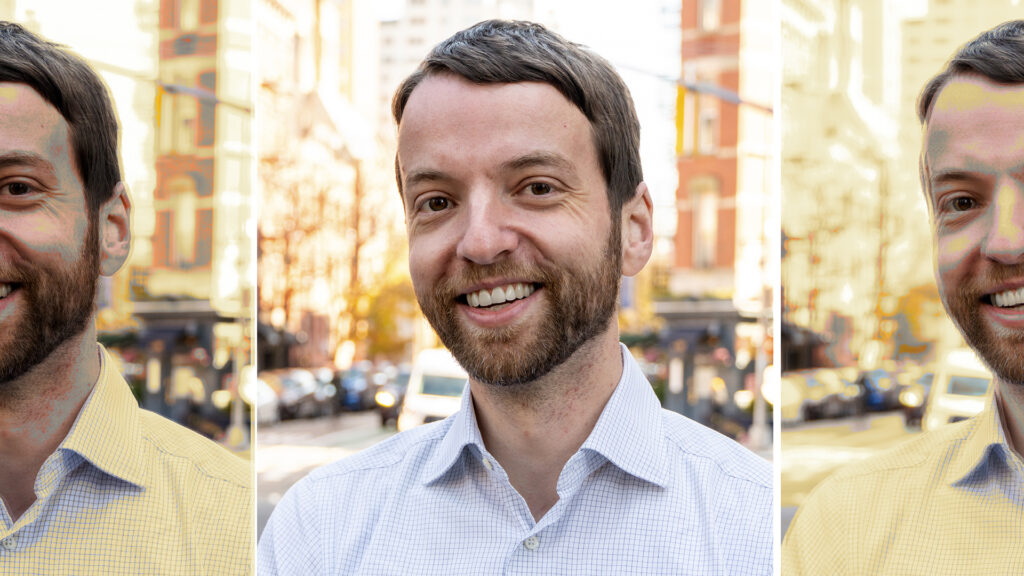
Eli Dvorkin : Editorial and Policy Director at Center for an Urban Future | Photo Credit: Provided

Could you please state your name, title, organization and some background about your previous experience. Also, what drives you to do what you do?

My name is Eli Dvorkin and I’m the Editorial and Policy Director at the Center for an Urban Future (CUF), an independent, nonprofit policy research think tank focused on creating a stronger and more equitable economy across New York. I joined the organization as CUF’s first managing editor in 2016 and I’ve been leading CUF’s research and policy work since 2018. I’ve worked in between the arts and policy worlds for many years. I started out as an arts and culture journalist, organized two traveling art exhibitions across North America, worked as an early employee at Kickstarter, and co-founded Silent Barn, one of New York City’s longest-running and most prolific DIY venues. Prior to joining CUF, I was a staff editor at the Council on Foreign Relations, where I was almost certainly the only employee who came home from work, exchanged a suit for a ripped band t-shirt, and then headed out at 10pm to fix the broken toilet at a sold-out punk show. I’d say I’m driven by the goal of expanding access to opportunity for New Yorkers from under-resourced communities and helping to spark policy changes that make our cities more livable, vibrant, and equitable.
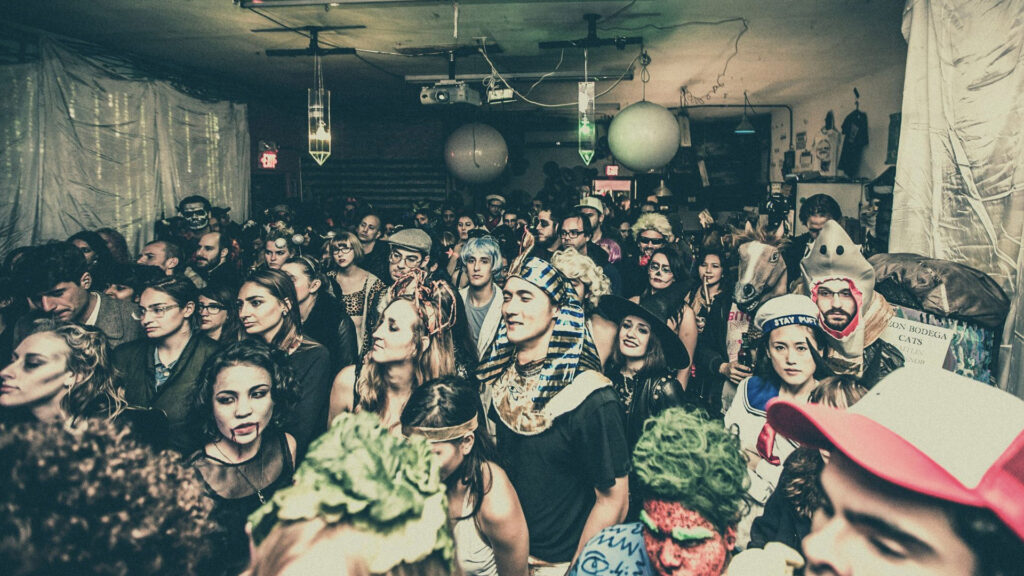
The Silent Barn | Event Circa 2014 | Photo Credit: Dylan Johnson (Facebook)
The Silent Barn | Event Circa 2014 | Photo Credit: Unknown (Facebook)

Earlier this year, I saw you at a presentation at the Albany Institute for History and Art where you were partnered up with Creative Rebuild New York for a panel discussion about the work they have been doing. Can you explain a bit about your synergistic connection in that project and about the UPSTATE’S CREATIVE SPARK report? Why do you think this report is so timely?

The Center for an Urban Future has a long track record of publishing deeply researched and highly readable reports that shine a light on the increasingly critical role that the arts and the broader creative sector in New York’s economy, create greater awareness of the steep challenges facing New York’s working artists, arts organizations, and creative entrepreneurs, and put forward concrete and achievable recommendations for policymakers to more effectively support and sustain a thriving arts and creative sector. Last year, with support from Rochester Area Community Foundation, we were able to publish a new report, ‘Upstate’s Creative Spark’, that provided a first-of-its-kind look at the growing role of the arts as a catalyst for more vibrant local economies across all of upstate New York. We then partnered with Creatives Rebuild New York for a policy forum in Albany that built on the key recommendation of the report: that New York State has a major, untapped opportunity to more fully integrate the arts into a statewide economic development strategy, one that invests in culture from the ground up and creates the conditions for local economies to thrive.
I’m really pleased and humbled that this work is having a significant impact: for instance, three new proposals drawn directly from our report were enacted as part of the FY 2025 state budget (creating the state’s first artist residency program in state agencies; expanding state support for public art projects, and directing the state’s tourism marketing agency to ramp up regional marketing support for artists and arts organizations.)

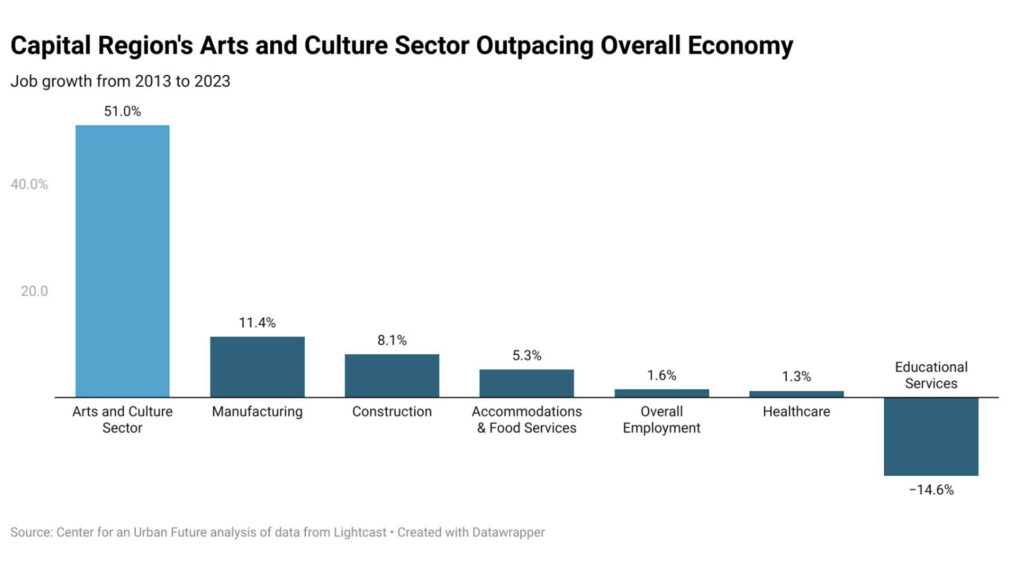
Source: Upstate’s Creative Spark – Arts Allies of the Capital Region | Courtesy Center for an Urban Future

The time is right for these ideas for several reasons. First, even as artists and arts organizations have been the decisive factor in turning around decades of population declines, revitalizing downtowns, and sparking new business formation in cities across the state, it’s striking that less than 5 percent of the state’s major economic development grants typically flow to arts- and culture-related projects. That needs to change. Second, while the state’s arts and culture sector has in many ways led New York’s broader recovery from the pandemic — rekindling tourism, bringing locals back into their downtowns, and fostering communal healing during a very traumatic period — the arts sector itself is still hurting. Presenting organizations are grappling with smaller audiences and higher costs. Traditional funding sources are stretched painfully thin. And as the work of Creatives Rebuild has shown, far too many artists — especially Black artists and other artists of color — are living in a state of financial precarity. The status quo is not sustainable.

The metrics for the Capital Region are so supportive of the value propositions and ROI for public arts investment, individual artist support and investment in the creative economy in general. Why do you think we struggle so much in Upstate to convince public figures and corporations of not only the need but also the outsized benefits that are realized with a more robust support of arts and cultural programming and infrastructure?

Increasingly, I do think more elected officials, economic developers, and business leaders are starting to get it, but a lot more work is needed. It starts with building a convincing case that the arts isn’t some sort of niche amenity, it’s the lifeblood of thriving local economies and the secret ingredient that enables cities of all sizes to flourish. As our report shows, employment in the arts and culture sector across upstate New York surged 35 percent from 2009 to 2019, nearly 10 times the overall rate of employment growth. Likewise, the number of working artists in upstate New York increased by 26.5 percent between 2011 and 2021 — at a time when the overall under-65 population declined. This creative spark is breathing new life into downtowns, leading to the creation of new restaurants, coffee shops, and other small businesses, and giving young people a reason to stay in their communities and put down roots. What local officials need to realize is that a thriving cultural sector creates the conditions necessary for all other economic activity to succeed. And that requires fresh thinking that prioritizes investments in equitable cultural infrastructure as part of an overall economic development strategy in upstate regions — just as officials would invest in any other essential infrastructure in order to spur job growth.
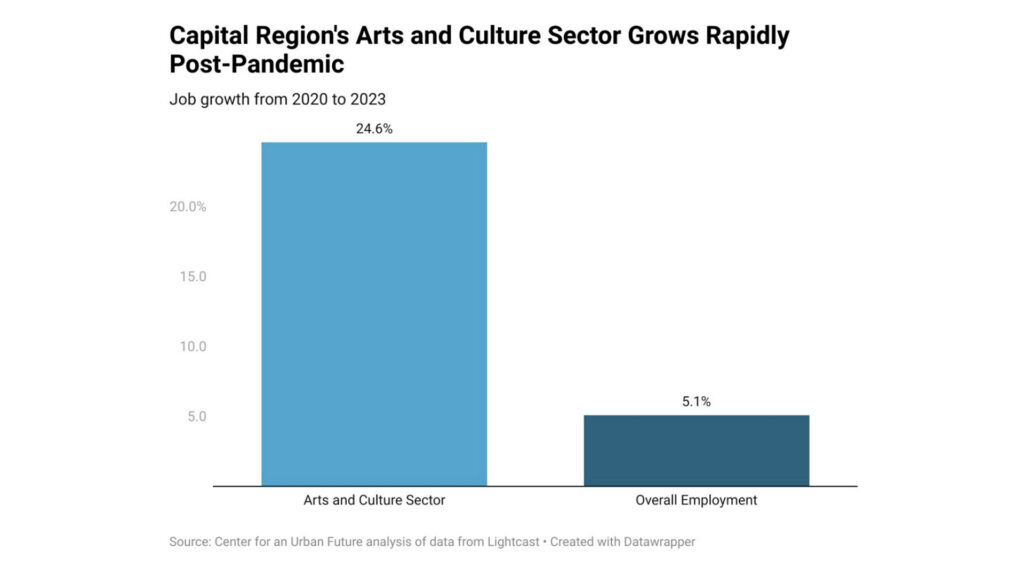
I know that in addition to population and job growth in the creative sectors, friction points were revealed in your research. What would you say are the biggest challenges that we face in continuing to build on the current momentum in the creative economy in the Capital Region? Any suggestions on where we should be focusing to help alleviate or improve those areas?

The most powerful economic advantage is attracting and retaining talented, creative, and entrepreneurial people — and people want to live in culturally vibrant communities. More than any economic development incentive or tax break, the key to strengthening the Capital Region’s economy lies in ensuring that people want to live, work, and play here. And nothing is more effective at achieving that then bolstering the arts and culture sector. The creative economy thrives in places with strong arts infrastructure — that’s where so many creatives get their inspiration. But there are some major challenges, too, especially as revenues and wages rise far more slowly than costs. The city of Albany and the eight counties in the Capital Region need to work together to direct economic development investments toward arts and culture projects. The region’s arts organizations can’t scrape by on state grant dollars and philanthropic support, and far too few small and mid-sized organizations have the capital or resources needed to level up. The Capital Region needs a regional economic development strategy that integrates the arts, culture, and creative entrepreneurship into every decision, tool, and funding opportunity.

To See the Full Upstate’s Creative Spark: How the Arts Is Catalyzing Economic Vitality Across Upstate New York

To See Upstate’s Creative Spark: Art’s Allies of the Capital Region (Capital Region Specific Presentation)
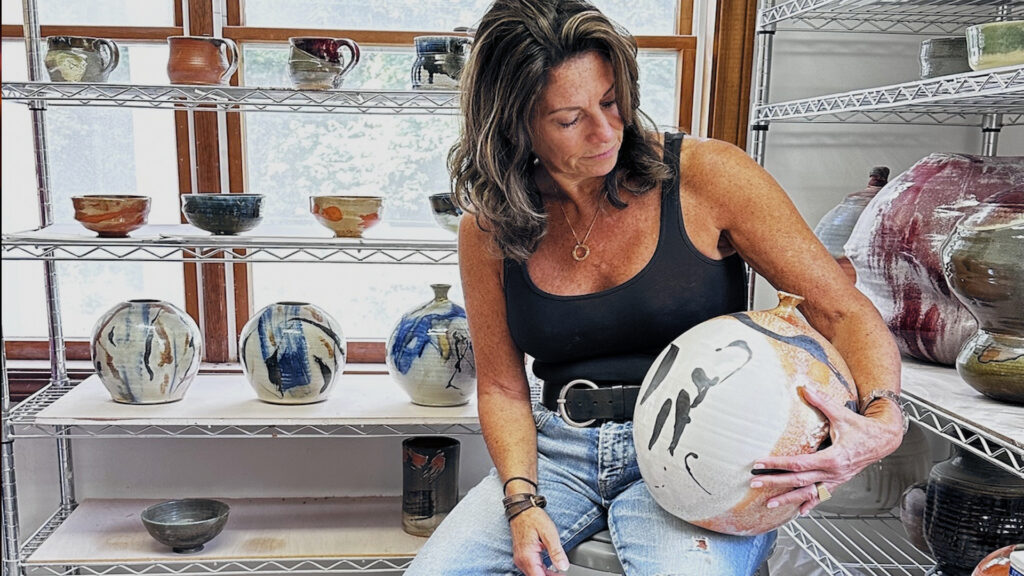
Jill Fishon-Kovachick is Sculpting Success at Saratoga Clay Arts

June 6, 2024 By Corey Aldrich

I discovered Saratoga Clay Arts through my good friend Ping Xu who is a member there (Also a board member at Saratoga Arts). She kept telling me that I had to see the amazing facilities and community that she was a part of. Well, I have to say…she was right on all counts. What Founder and Executive Director Jill Fishon Kovachick has been able to cultivate is not just an oasis of creativity and an incredibly well equipped makers space but a connected and growing community that many have come to call home.

Please state your name, organization and what you do.

My name is Jill Fishon-Kovachick and the name of my center is the Saratoga Clay Arts Center. I am the Executive Director. I started working with Clay at eleven years of age at Bucks Rock Camp in New Milford Connecticut. I was a camper and became a counselor and found Clay as my medium. From there I went to Skidmore College where I received my BS Degree is Art Education. I studied under Regis Brodie. My love for clay has been my passion for most of my life and continues to be important to me and to be able to teach it to our community fills my heart.

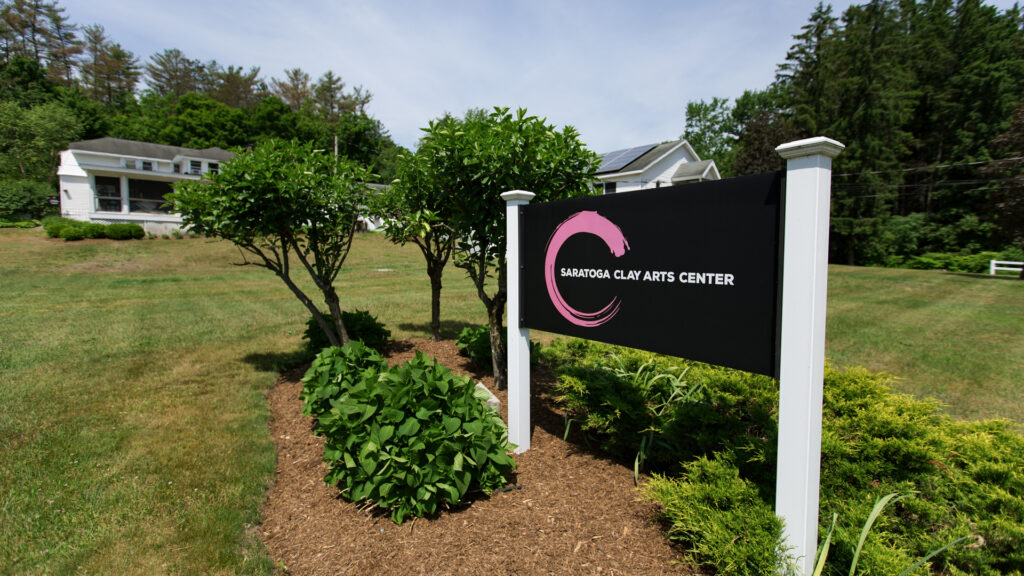
Entrance Sign at Saratoga Clay Arts | Image: Corey Aldrich

Can you tell us about what is happening at the Saratoga Clay Arts and what your mission is? The campus is so beautiful, I really love the vibe there!

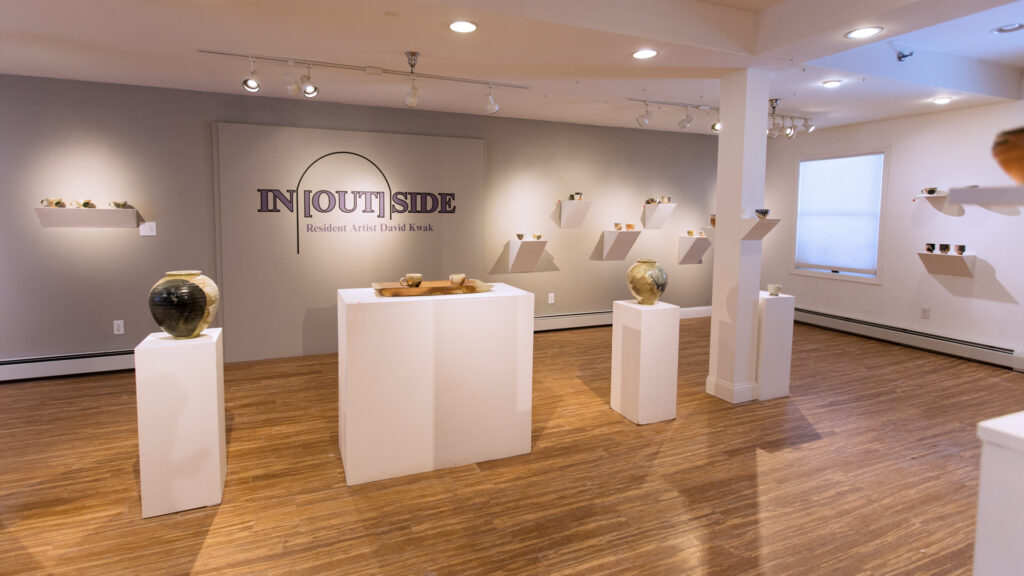
Our mission is all about community and to inspire people of all ages. We educate people all about clay. From the hand-building process to the potters wheel. We also have many different types of kilns and glazes. There is also a gallery on site called the Schacht Gallery, which I named after my Grandmother who’s maiden name was Schacht. The gallery brings in local and national artists. We want to expose people of all generations to what it means to work with clay. The gallery broadens people’s understanding of what can be done with clay – in all ways.

Schacht Gallery at Saratoga Clay Arts in Saratoga Springs, NY | Image: Corey Aldrich
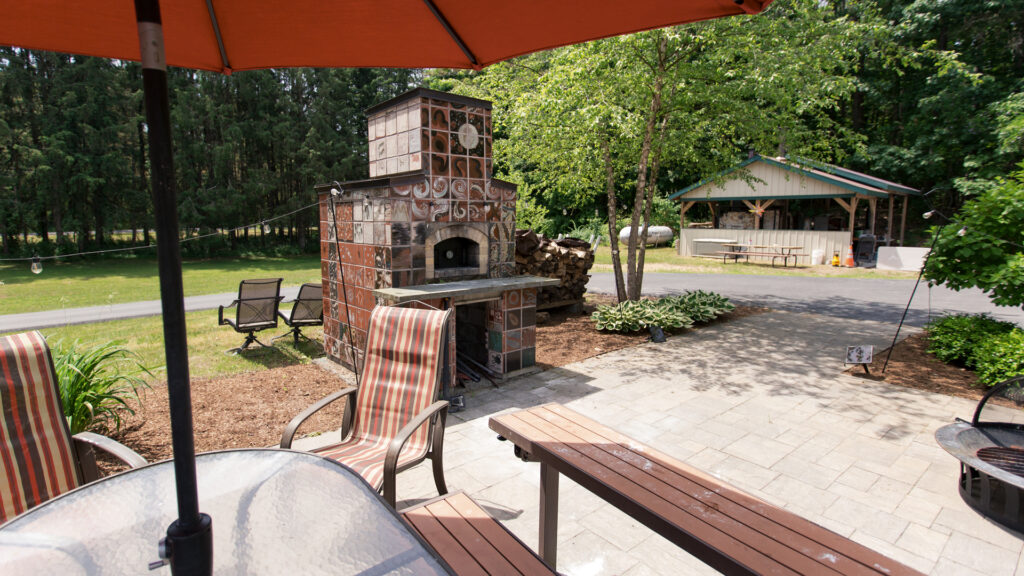
Outdoor Patio Area at Saratoga Clay Arts in Saratoga Springs, NY | Image: Corey Aldrich

What does a typical day look like for you on location?

My typical day is wearing many different hats at SCAC. From teaching to answering phones to paying bills and then of course finding time to work on my own work.

Hands On Soda Firing and Throwing Workshop with Matt Long at Saratoga Clay Arts | Image: Corey Aldrich

A lot of organizations with an educational program end up going the not for profit route. Why did you decide to structure as a for profit company?

I ended up making SCAC a private business because I had to react fast to create it. I had been working at Skidmore for Special Programs for 17 years. There I taught a night class for the outside community. Skidmore had decided to delete the night classes for ceramics so the people taking classes needed a place to work. This required me to move quickly to bring everyone to the center. There was no time to set up a not-for-profit. We all needed a place to work – immediately. I bought our current building in foreclosure. I know I made the right decisions as the center has been busier then I ever dreamed could happen.

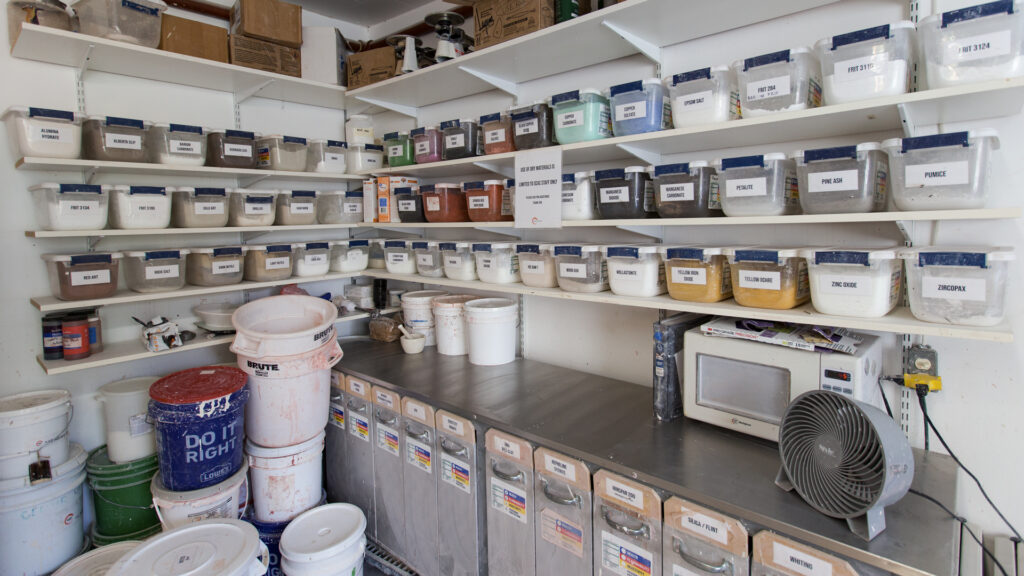
Materials Pantry at Saratoga Clay Arts | Image: Corey Aldrich
Saratoga Clay Arts has 7 Electric Kilns on Campus (4 Seen Here) | Image: Corey Aldrich

Can you talk a little bit about the economics of the business? I know running a pottery shop requires some serious equipment and infrastructure investment.

We opened in 2011. I was fortunate enough to be able to purchase the building and the equipment to get things going. The business did need some financial backing to cover the equipment side though. Since then we have been raising money through our annual fundraiser which is called the Chili Bowl. We give some of our proceeds to a local organization called To Life which is helping people with breast cancer. and to the Wilton Food Pantry. The local restaurants have participated and have been incredibly generous in donating their donations for the event. It’s a chili cook off and competition and is an amazing and fun event. This of course is in addition to our class and program fees.

EDITORS NOTE: In addition to 7 electric kilns of various types, Saratoga Clay Arts has a large high-fire gas kiln, a salt kiln, a soda kiln, a raku kiln and a pit fire smoker.

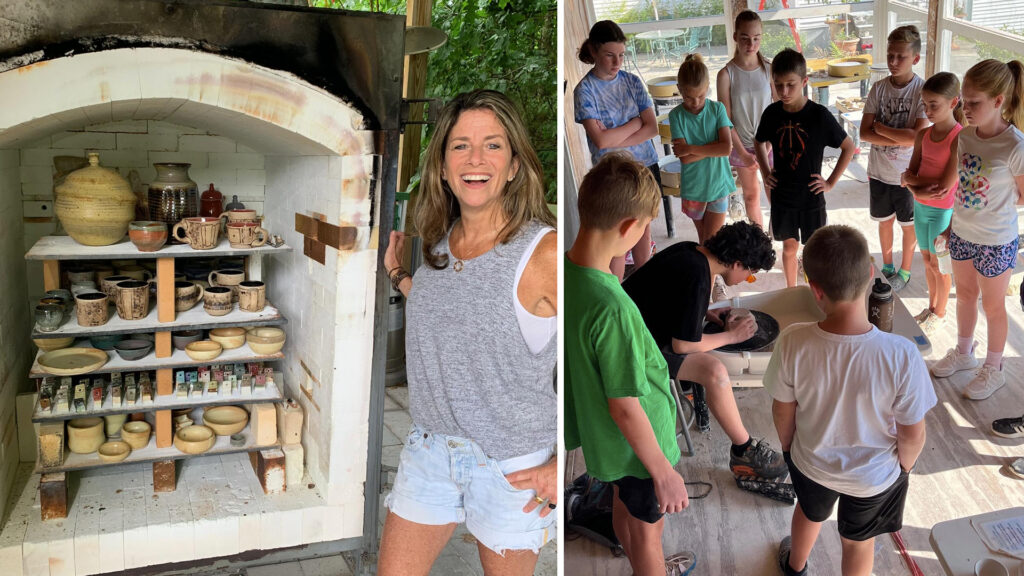
Jill at the Kiln | Youth Programming at Saratoga Clay Arts | Image: Provided
Mark Tarabula – Studio Manager at Saratoga Clay Arts in Saratoga Springs, NY | Image: Corey Aldrich

Running a business can be so demanding, how do you balance that with your own artistic practice?

Running a business is incredibly demanding and I have had to give up some valuable time in making my own work to do but it, but it was worth it. The center is such a great place. Since opening and being available all the time I have hired some amazing people. I have a Studio Manager Mark Tarabula , an Artistic Director Leigh Taylor Mickelson and a Marketing and Engagement Community Coordinator Lyndee Deal. This allows me to be able to to focus more on my work. We also have up to 4 Artists in Residence at any given time who teach classes and work for the center in exchange for studio use. Additionally, we hire interns who learn from us and find their direction in clay. They help teach classes and learn the dynamics of running a center.

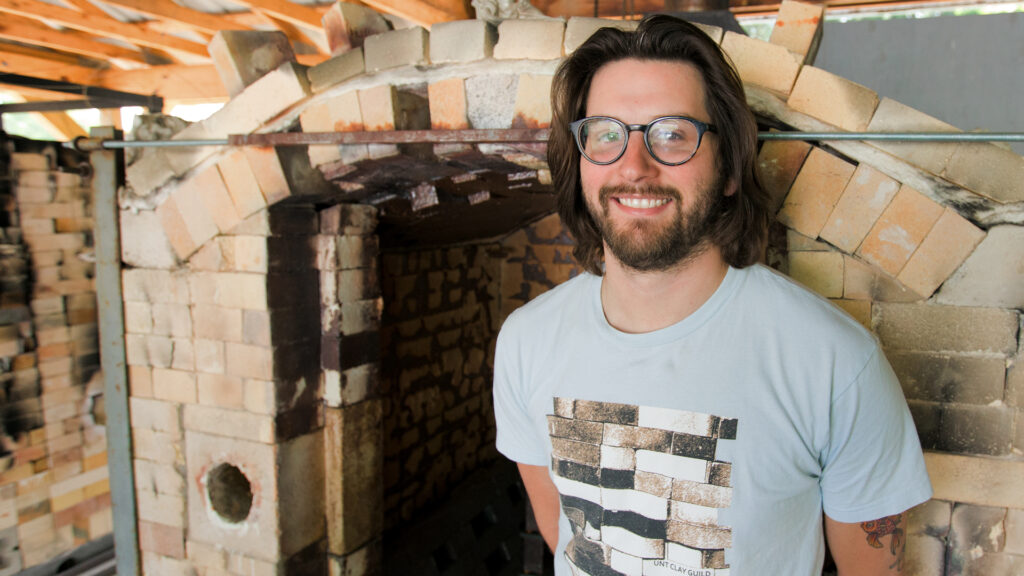
David Kwak – Resident Artist at Saratoga Clay Arts in Saratoga Springs, NY | Image: Corey Aldrich
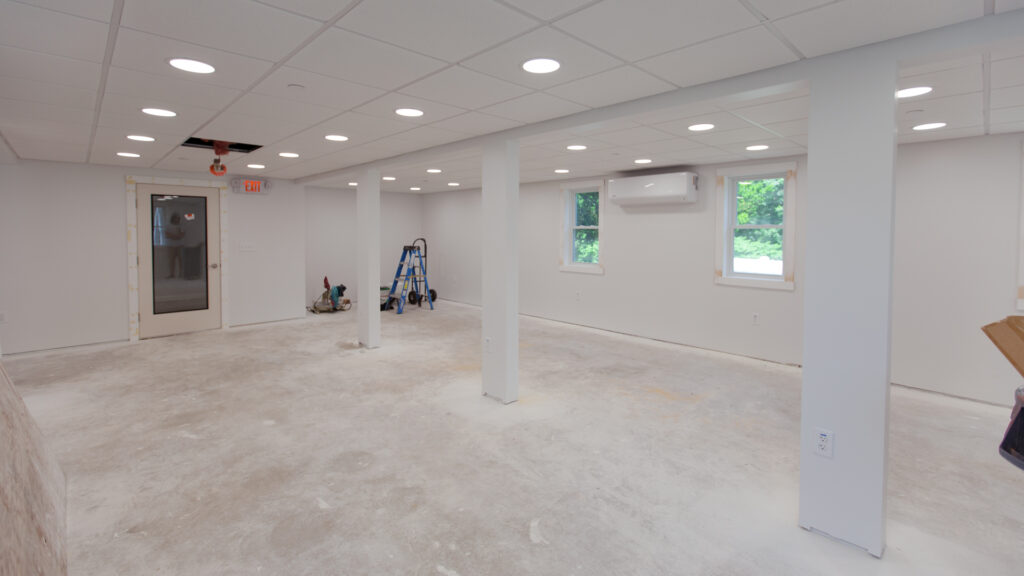
Under Construction : New Classroom Space at Saratoga Clay Arts in Saratoga Springs, NY | Image: Corey Aldrich

Bonus question: Anything coming up on the horizon you would like to tell us about, programming to promote?

Some exciting news on the horizon… we are almost finished renovating the basement and have created another beautiful classroom and more studio rentals. We plan for that to be open in June which will allow us to have more room to grow and more classes being offered. Additionally, this will allow us to promote more private parties and corporate clay events.

Fresh Out of the Kiln at Saratoga Clay Arts | Image: Provided

PINT SIZED and NO FUN: A Tale of 3 Cities with Entrepreneur August Rosa

April 2, 2024 By Corey Aldrich

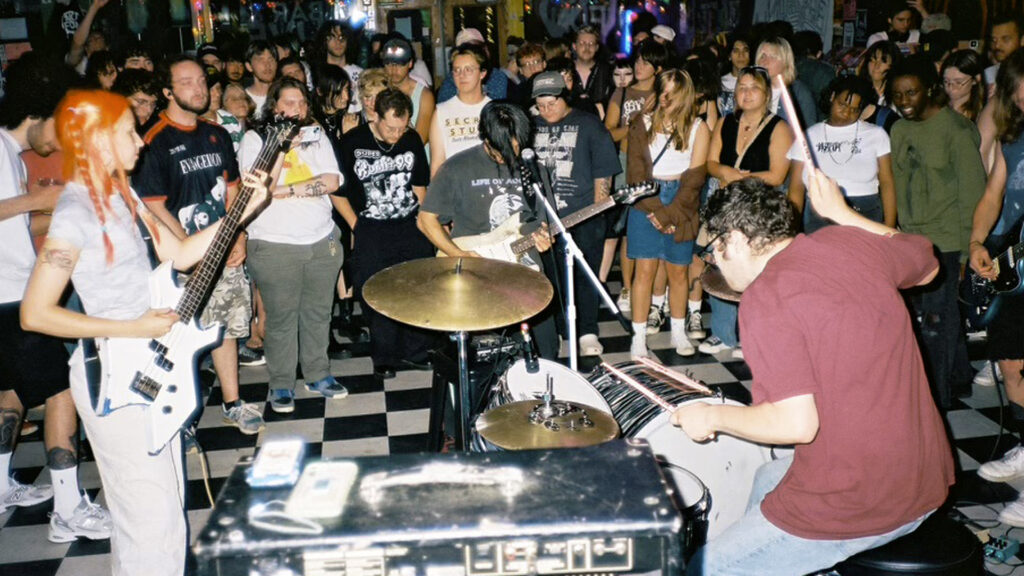
Having been to several shows at August Rosa‘s most recent venue, (including Hand Habits, Tiawan based Mong Tong, the Algonquin Pow Wow Medicine Singers with Yonatan Gat, and then there was that cool ass DAEDELUS show) it always impresses me the incredible variety of all types of music that can be experienced there. I was aware of his Albany and Saratoga PINT SIZED craft beer based locations and have tippled a drink or two in Albany specifically. What really excites me though, is the visceral music programming and developing community based around NO FUN.

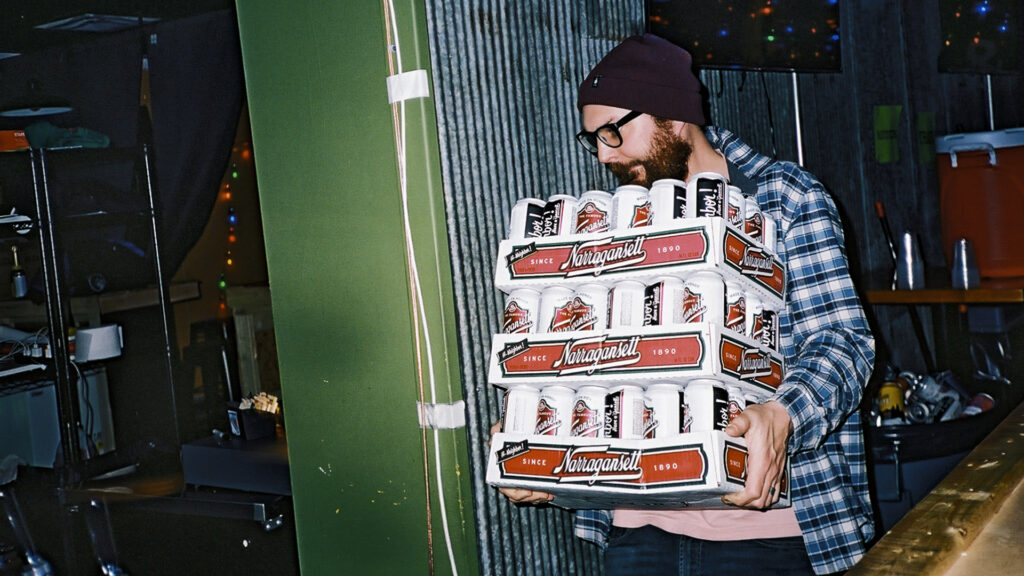
August Rosa : Pre-Show Load In at No Fun in Troy, New York | Image: Patrick Dodson

Please state your name, professional and educational background. Also, can you elaborate a bit on the three locations that you are currently operating?

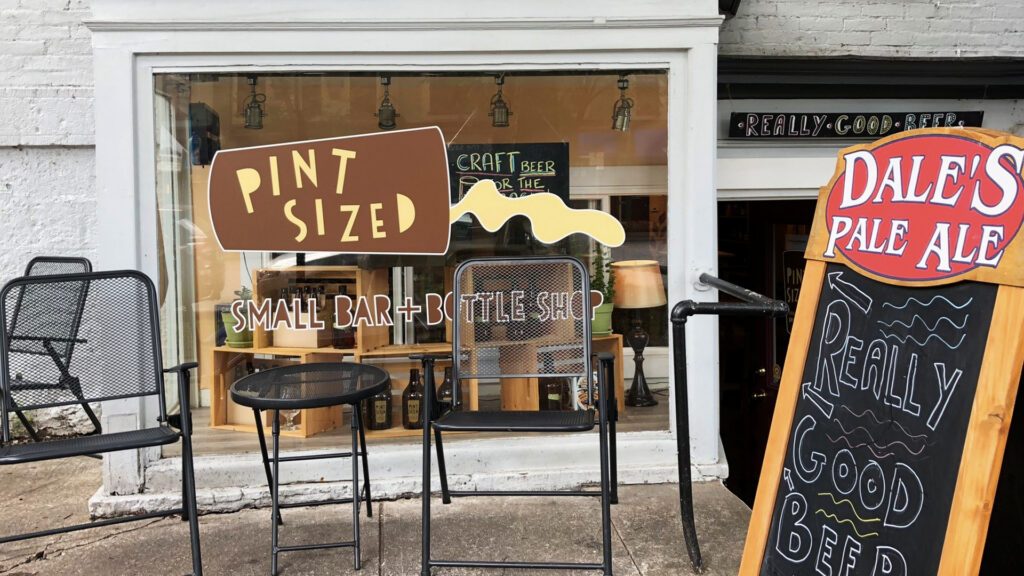
Why hello Corey Aldrich. My name is August Rosa I am Owner and Operator of Pint Sized in downtown Saratoga Springs on Broadway and Albany on Lark Street. Most of my time is spent at No Fun in Troy nowadays my third location. I was briefly involved in a wine bar called Post on Lark Street as well with some of my best friends that I used to be in a band with (Aficionado). It is going to be 10 years of being an entrepreneur on July 4th 2024! Prior to diving into business ownership I did marketing for MASS MoCA and the Downtown Albany Business Improvement District. I had really great bosses at both of those jobs that were patient with me as a creative… but incredibly lazy and objectively bad employee. No joke…having run businesses now for close to 10 years and understanding the full scope of how things work from the ground up, I believe I would kick ass at any job as long as it wasn’t boring. I went to the College of Saint Rose (RIP) with a major in Communications and a minor in Music Industry for undergrad and then got my MBA at SUNY Albany. I also was welcomed into the band Sun Natives on bass guitar by TJ and Brandon which is a nice outlet that is a purely creative outlet much needed void of any business interference.

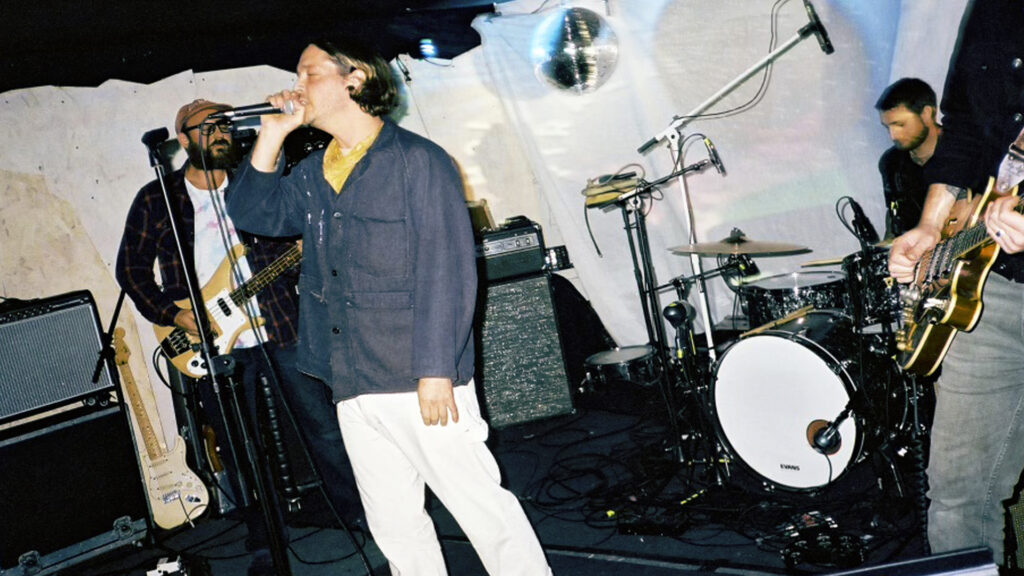
August Rosa Plays Bass with the Sun Natives at No Fun in Troy, New York | Image: Patrick Dodson
Pint Sized Storefront in Saratoga Springs, New York | Image: Provided

Can you talk a bit about the difference between NO FUN in Troy and the PINT SIZED locations Albany and Saratoga?

The focus at NO FUN is what happens on the stage and not what is in the coolers. Pint Sized are craft beer centric bars that at any time have over 100 different options to choose from. Prior to opening NO FUN I would often throw events that were not conducive to the spaces. They are called Pint Sized for a reason. Our Saratoga location might be 400 square feet of usable space for patrons. We one time had an 11 person band there. It was ridiculous, extremely fun and packed out… but truly ridiculous. We still do events like karaoke and trivia at the Pint Sized locations but have shifted our live music attention to No Fun where we have a great sound system and the space to throw very sick shows.

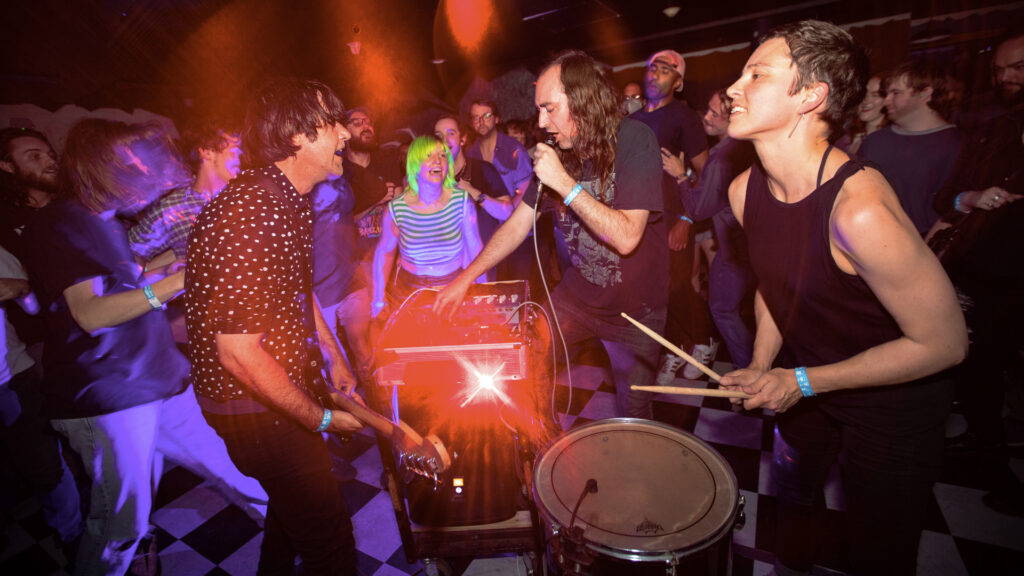
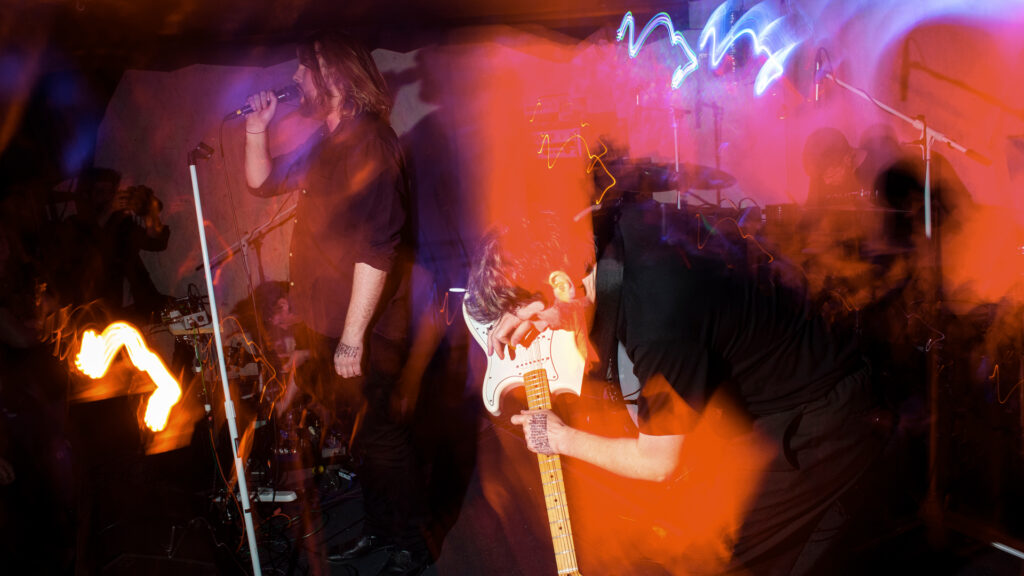
A Place to Bury Strangers Live at No Fun in Troy, New York | Image: Patrick Dodson

Can you share a bit about what your motivation was to open and what your current vision is for NO FUN?

I was constantly finding myself having to go to a big music festival to knock out a ton of bands I wanted to see or travel to the major metros for the type of music I am interested in. I like the weird stuff and felt there was a void in the area for that stuff. The only thing filling that in my opinion was the programming Super Dark Collective brings to Desperate Annie’s (Saratoga) as well as basement shows. I wanted to create a space that was slightly bigger (not too big!) that everyone would feel comfortable going to so I could bring some bigger bands in the area and not have to travel for the stuff that I like the most. I believe No Fun is the absolute perfect size for the type of stuff we like to present. Feels good with 50 heads and feels really good as it approaches 200 heads.

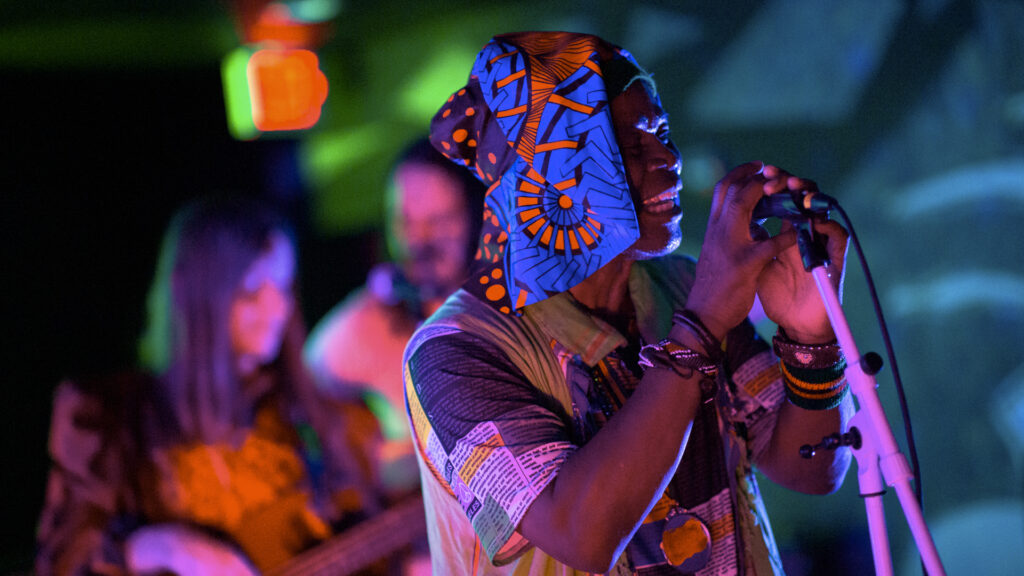
WITCH (Zambia) Live at No Fun in Troy, New York | Image: Patrick Dodson

My favorite places to play / see shows are more DIY in nature… be it a basement or an art space. I wanted No Fun to not have a shred of corporate feel and vibe like you were at a show at your friends house while at the same time functioning professionally as a legitimate licensed business. Places I drew inspiration for the project include Death By Audio, Glasslands Gallery, 285 Kent… there were a million places like this in NYC that absolutely ruled, Valentines of course is a big inspiration (What’s up Howard?!) and the many house show spaces that have popped up throughout the region the past 20 years I have lived here. One of my favorite shows I played in the area was a vacant apartment that still had power and an unlocked door. We legit just brought a shitty PA system into the place, plugged in and packed the house. This was back when Facebook worked and was cool and an event listing could drum up 100 plus folks in an hour or two.

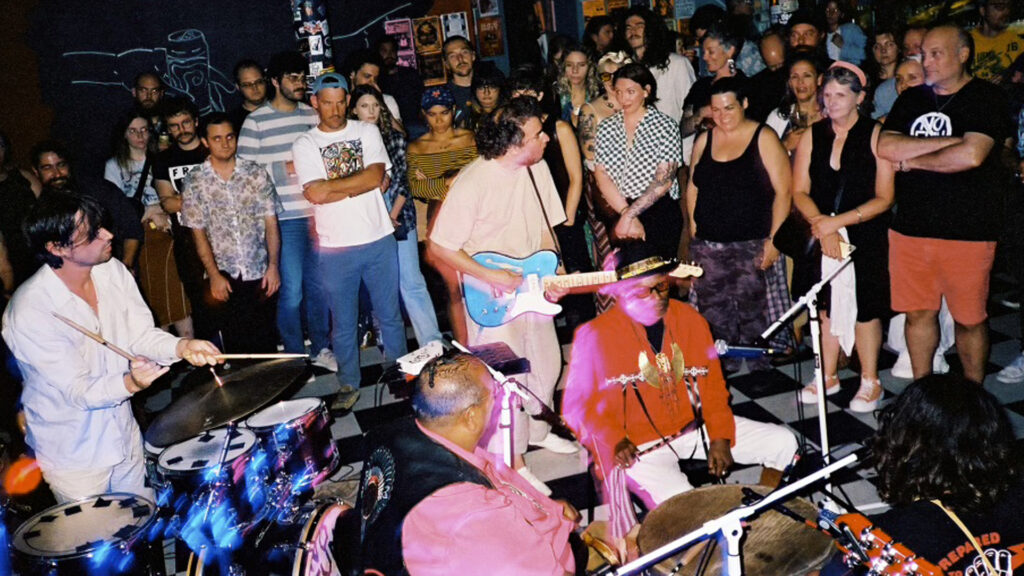
Algonquin Pow Wow Medicine Singers with Yonatan Gat Live at No Fun in Troy, New York
Image: Patrick Dodson

Having been to several shows there (including Hand Habits, Tiawan based Mong Tong, the Algonquin Pow Wow Medicine Singers with Yonatan Gat, and then there was that cool ass DAEDELUS show) it always impresses me the incredible variety of all types of music that one can experience there. How do you manage to keep such a strong schedule and number of bands coming through?

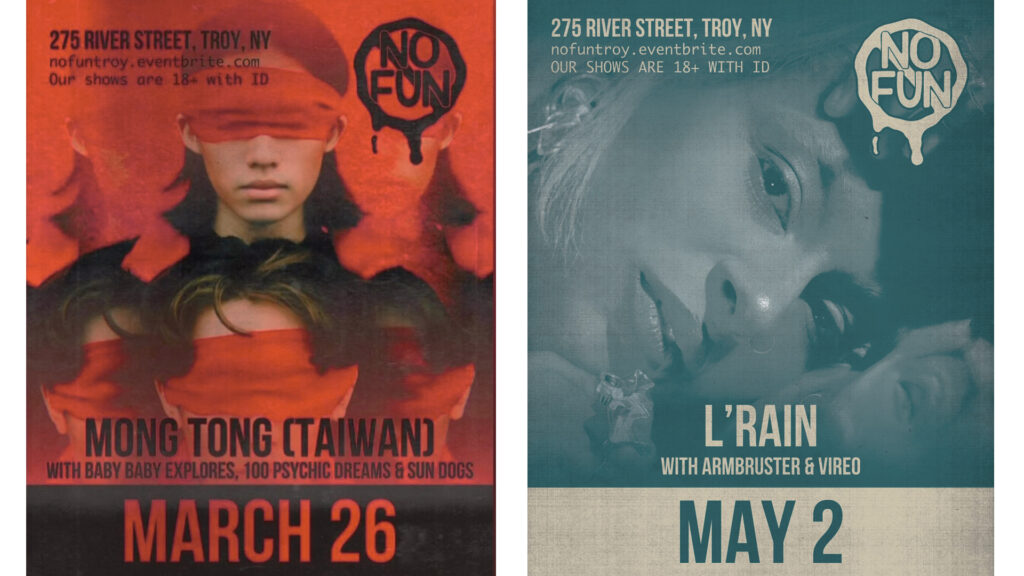
It honestly happened faster than I thought. In the beginning I was bugging agents and bands all the time and not getting responses. Over time we proved ourselves and have developed some really great relationships that align exactly with the type of stuff I like to book – psych rock, post punk, world music… typically weirder and oftentimes louder stuff. I have brought in some acts that I have listened to forever and legit look up to like A Place To Bury Strangers, Ted Leo, No Age, Delicate Steve, Dan Deacon!!! (Chk Chk Chk), Gilla Band and our good friend Meg Duffy with Hand Habits to name a few. Some of the most rewarding acts were global in nature including Imarhan (Algeria), Medicine Singers (Algonquin Pow Wow), Acid Mothers Temple (Japan), WITCH (Zambia) and Mong Tong (Taiwan) which just happened.

Gutting a Body of Water Live at No Fun in Troy, New York | Image: Patrick Dodson
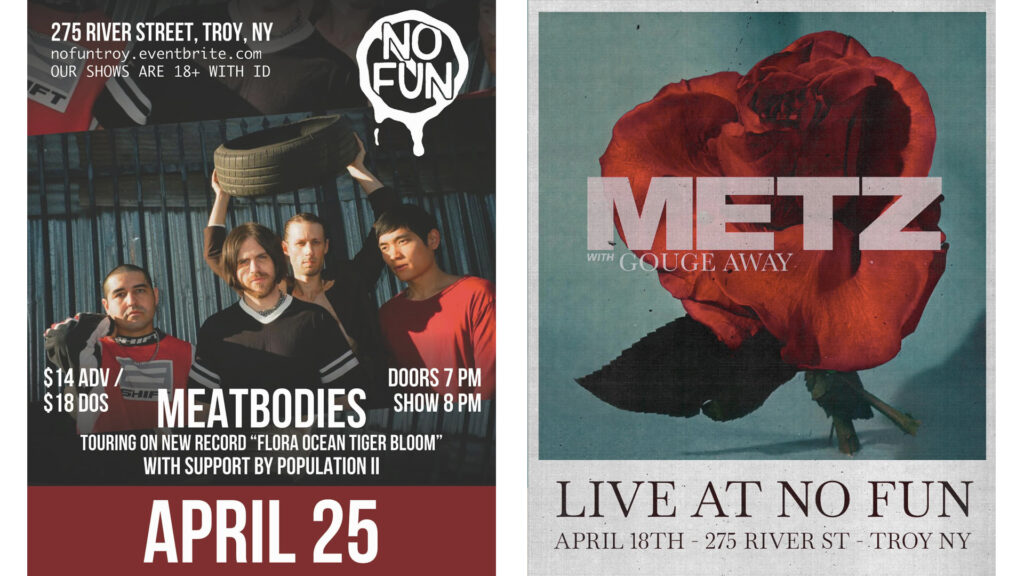
No Fun in Troy, New York Concert Posters | Image: Provided

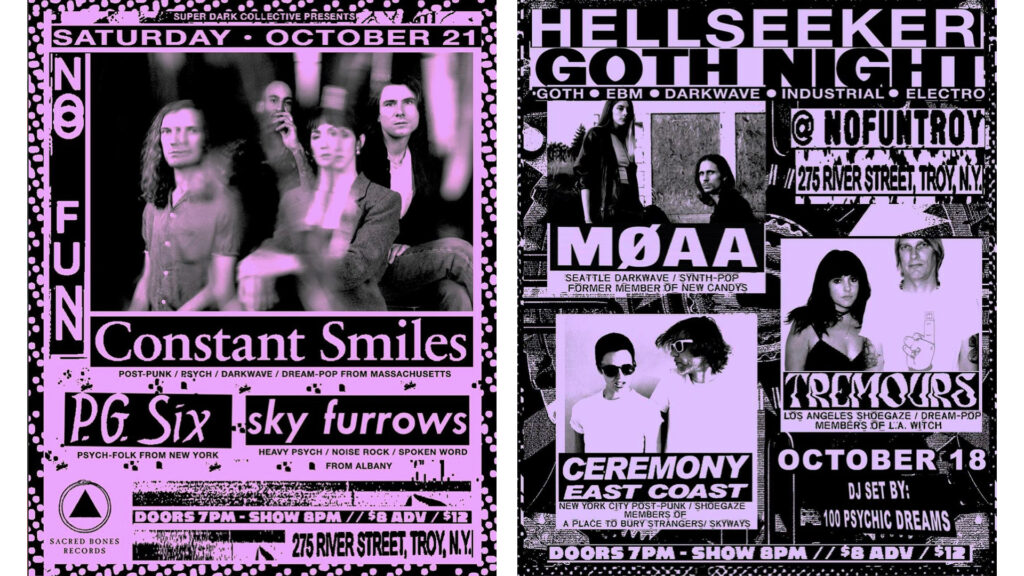
Our programming is very kinetic and we are on track to do over 250 shows close to if not over 1000 bands this year! It is not a solo effort by any means and wouldn’t be possible without working with some of the area’s most innovative curators / presenters. There is a really solid group of folks who present at the space including Super Dark Collective (Shane Sanchez is our Booking Manager), Hey Greasy, Byrdhouse Records, Bee Side Cassettes, Albany Hardcore…There are a bunch more and bands who bring their release shows and ideas to us but these are some of the more regular presenters.

No Fun in Troy, New York Concert Posters | Image: Provided

The economics and logistics of running a business can be intense, especially a live music venue open multiple days per week. Can you share a bit about your day to day and how you’re keeping the bands and rent paid?

It truly sucks! Please buy tickets in advance. Not just at No Fun but to any place you go to see shows. I cannot stress how helpful it is. It gives agents strong ticket counts so they have confidence in spaces and bring more sick shows to the area. It also helps us to prepare properly for crowd size. And…you also save a few bucks!!!

A big goal of mine is to keep my mental health in check with this thing. I am not going to lie, this project is not easy and projects like this can end at any time. There are definitely moments where I want to stop doing it. All that being said, it is in a very strong place right now and financially viable. I am always focused on keeping momentum going to keep the bills paid up. Unfortunately it comes at the cost of not being able to shut it off. I really am going to have to figure that out sooner than later.

Hand Habits Live at No Fun in Troy, New York | Image: Patrick Dodson

Anything you have coming up you would like to share with our audience to keep them in the loop? Long term plans etc?

There are honestly too many to list. Just go to nofuntroy.eventbrite.com and pick something at random. All of the shows are great and deserve a crowd. I highlight the vibe of each show in the descriptions in just a few words. The whole purpose of the project is to have folks engage with new experiences. I see a lot of folks that go to the same show over and over again which is frustrating. I really do notice the folks that take the effort to get out of their comfort zone and that is the most fulfilling element of the project in my opinion. Those folks know who they are and I cannot thank them enough as they are the driving force that keeps me interested in doing it.

Upcoming 2024 Shows at No Fun in Troy, New York | Image: Provided

I would prefer having twenty people see something new and unexpected that they will remember their whole life over a sold out event with people who just go to the same exact shows all the time. Also it would be cool if people over the age of 30 stopped acting like they are in retirement mode. I pretty much stop engaging with individuals once they say they are too old to do stuff. I don’t care to be around folks with that mentality. It’s depressing and I see too much of it. All of my ads at this point target 21-30. Please take advantage of your life while you are still here.

K that’s enough of my bullish!t. Go to shows!!!

Gilla Band Live at No Fun in Troy, New York | Image: Patrick Dodson
  • « Go to Previous Page
  • Page 1
  • Page 2
  • Page 3
  • Page 4
  • Interim pages omitted …
  • Page 14
  • Go to Next Page »

Creative Economy Updates and Other Good Stuff!

STAY CONNECTED!

  • Facebook
  • Instagram
  • Twitter
Copyright © 2020 THE UPSTATE ALLIANCE FOR THE CREATIVE ECONOMY

info@upstatecreative.org | 41 State Street, Albany, NY 12207

Design by Reach Creative