• Skip to primary navigation
  • Skip to main content

ACE

Upstate Alliance for the Creative Economy

  • HOME
  • ABOUT
  • NEWSLETTER
  • SUBSCRIBE
  • JOBS
  • Show Search
Hide Search

ACE

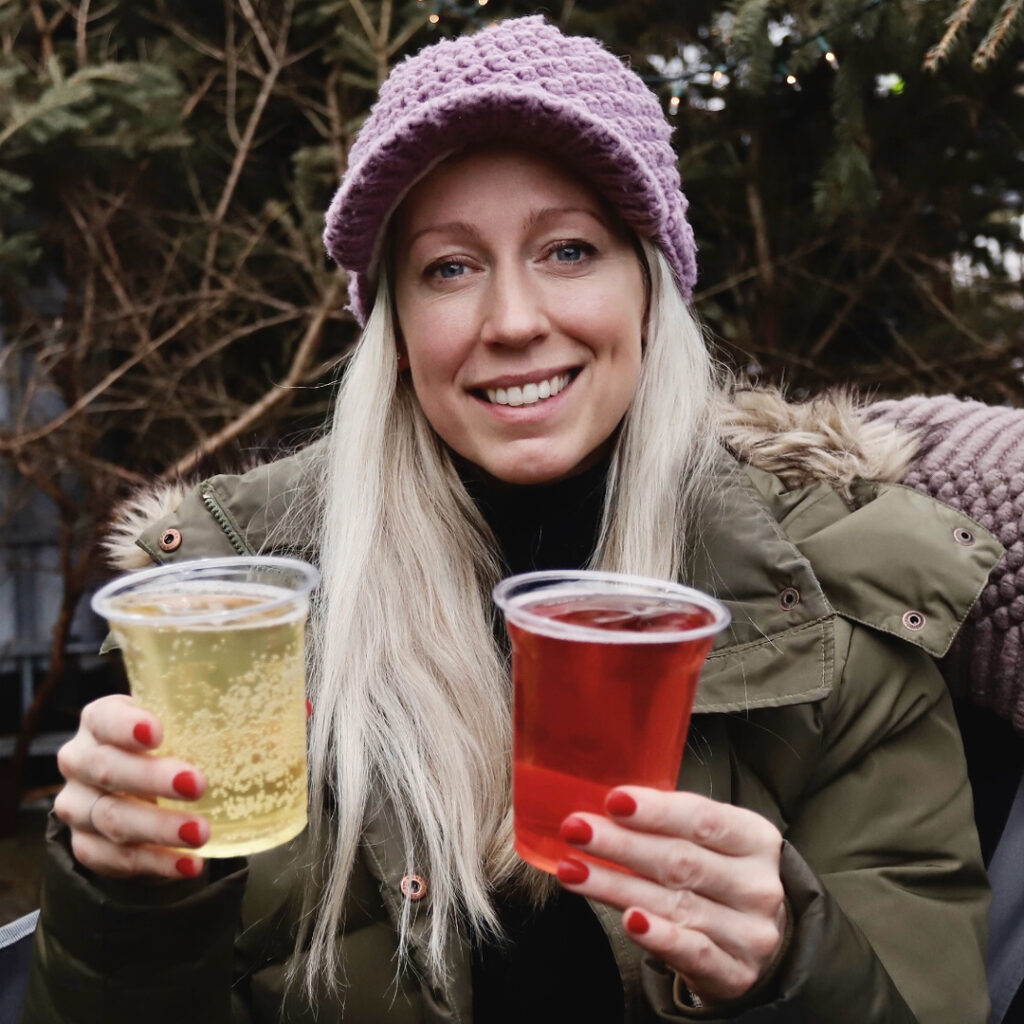
Dishing Out the Deets with Susie Davidson Powell

January 27, 2022 By Corey Aldrich

Pretty sure I met Susie Davidson Powell while enjoying a glass of wine at The Confectionary in Troy a few years ago. Since then, I have had opportunity to hit the road with her and get a front row seat on what its like to enjoy the food life from the drivers seat…and also the passenger seat – in her Porche 911 Targa 4S. Yup, she rolls in style!

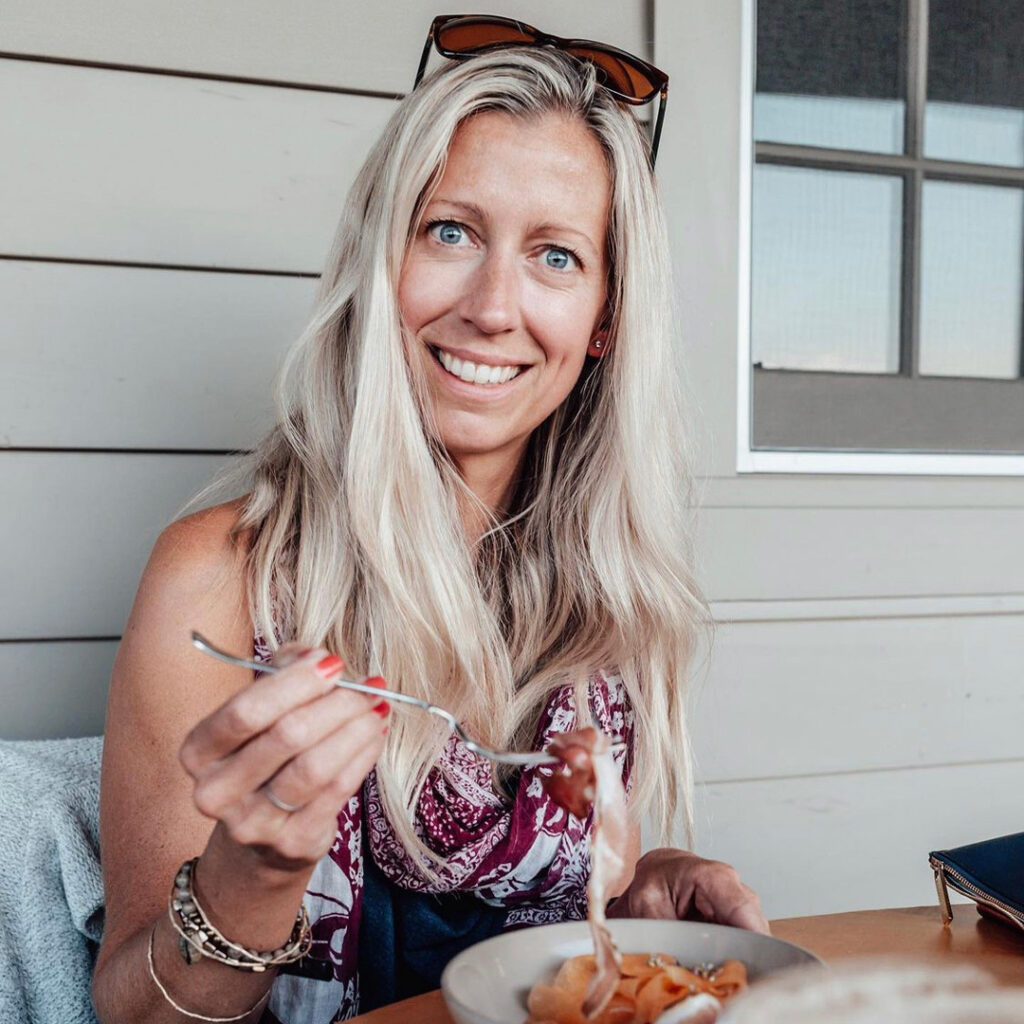
Susie Davidson Powell


Many would think that you have a dream job! What is it exactly that you do and for how long have you been doing it?

I’ve been writing about food and drink in the Hudson Valley for close to a decade, first when I moved to Columbia County after living in the city, and then in the Capital Region. I’ve been the Times Union dining critic since 2014, so I write weekly restaurant reviews, critic’s notebook features, The Food Life (a trend-focused digital subscriber newsletter) and a monthly cocktail column. I also co-founded thefoodlife.co for Hearst and wrote and filmed Kitchen Raid, a 6-week armchair travel, cooking and recipe subscription focused on pro tips and kitchen ingredients to make fast plates and amazing cocktails. But it’s not as glamorous as people think…

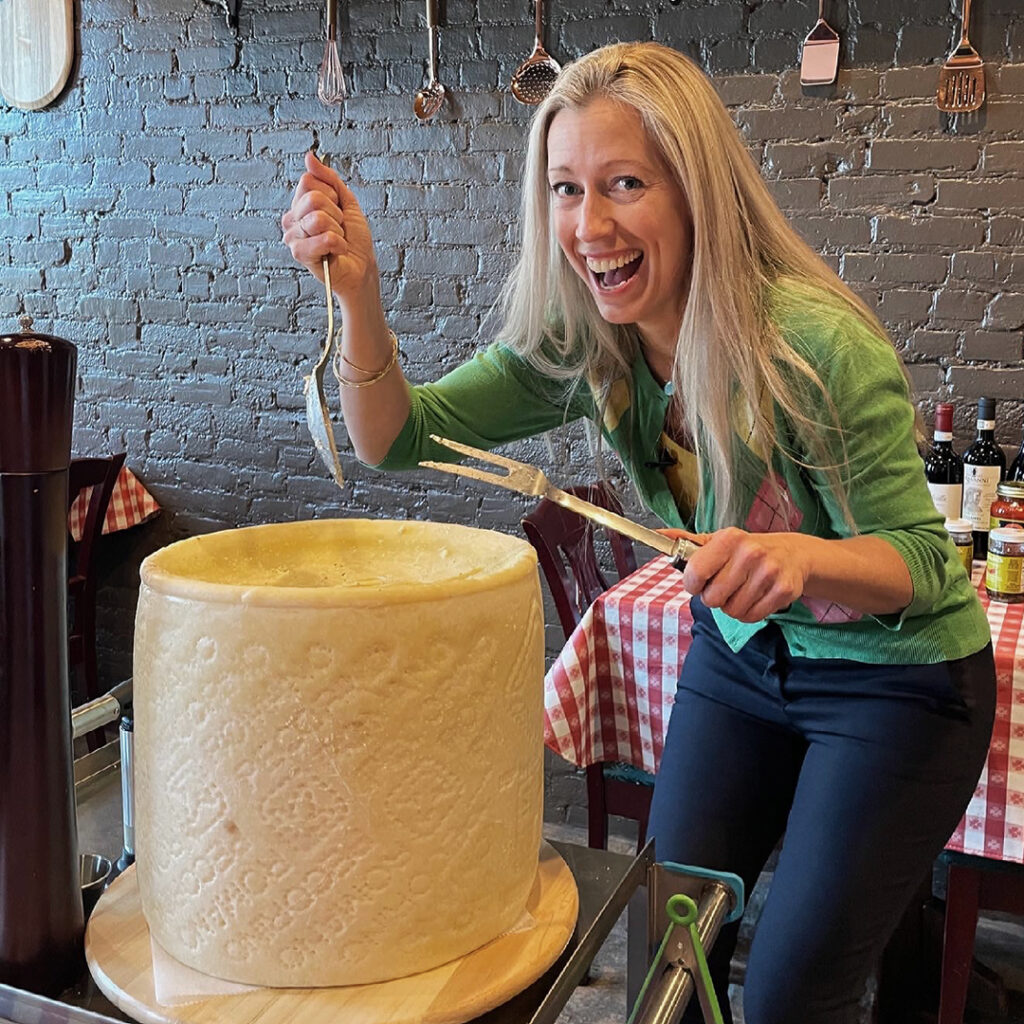
Susie Davidson Powell with cheese

How did you end up getting into this business? Was this part of your original career path or did you develop this over time?

Not at all! I grew up outside London, England, and was always traveling through Europe, later working in Poland and on a Greek Island. Throughout uni and grad school, I worked as a bartender and cocktail waitress, server and occasional kitchen help. This was a great eye opener in terms of the industry and chef and customer behavior.

I came to Albany, New York to attend grad school. I worked as a research program director and stayed in publishing/curricula development for several years. I’m so grateful for that experience. I’d be out on the road for weeks, eating my way from L.A. to El Paso or D.C. to Roswell, NM. A real culinary education. After moving with my family to Columbia County, NY, I wrote a weekly newspaper column about country life and started covering the growing farm-to-table scene around 2003 just as Swoon opened on Warren Street, Hudson, and not long after the 9/11 exodus Upstate. The rest is history.

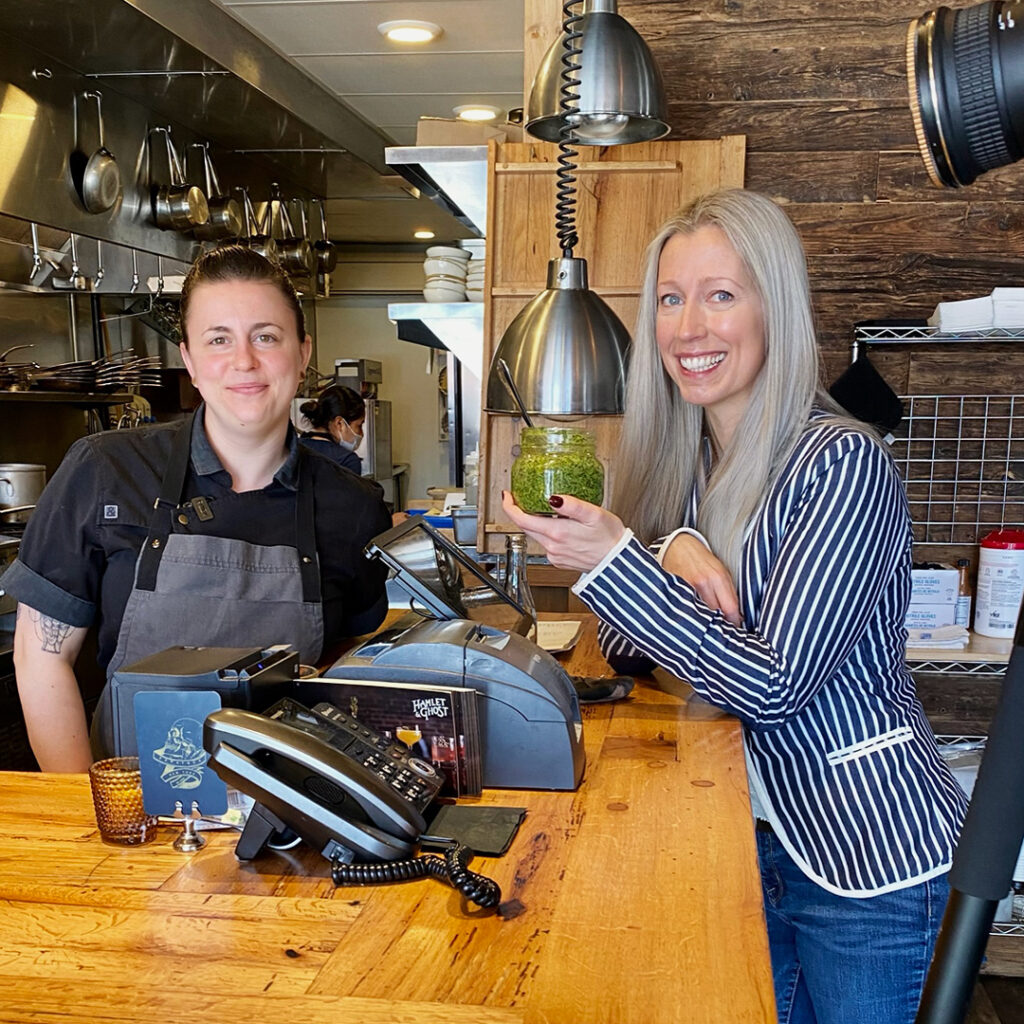
Susie Davidson Powell

What does your job look like on a daily basis? I mean, from a practical perspective beyond all the glamour parts! Ok, maybe some glamour stuff also…

I’m constantly tracking new openings, following chef moves between restaurants, and driving – anywhere from Hudson or Woodstock to the Adirondacks – in search of food. I visit new restaurants once or twice each week and circle back for breakfast, lunch or take out a few times a week. I spend a lot of time on background research too, reviewing current and past menus, and setting up interviews. All this before I get to write. One review with travel, eating, and writing time can take 10 to 15 hours. But I do get invited to talk about food-and-drink on radio and TV and I’m often sent wines and spirits to try. That’s the only glamour part!

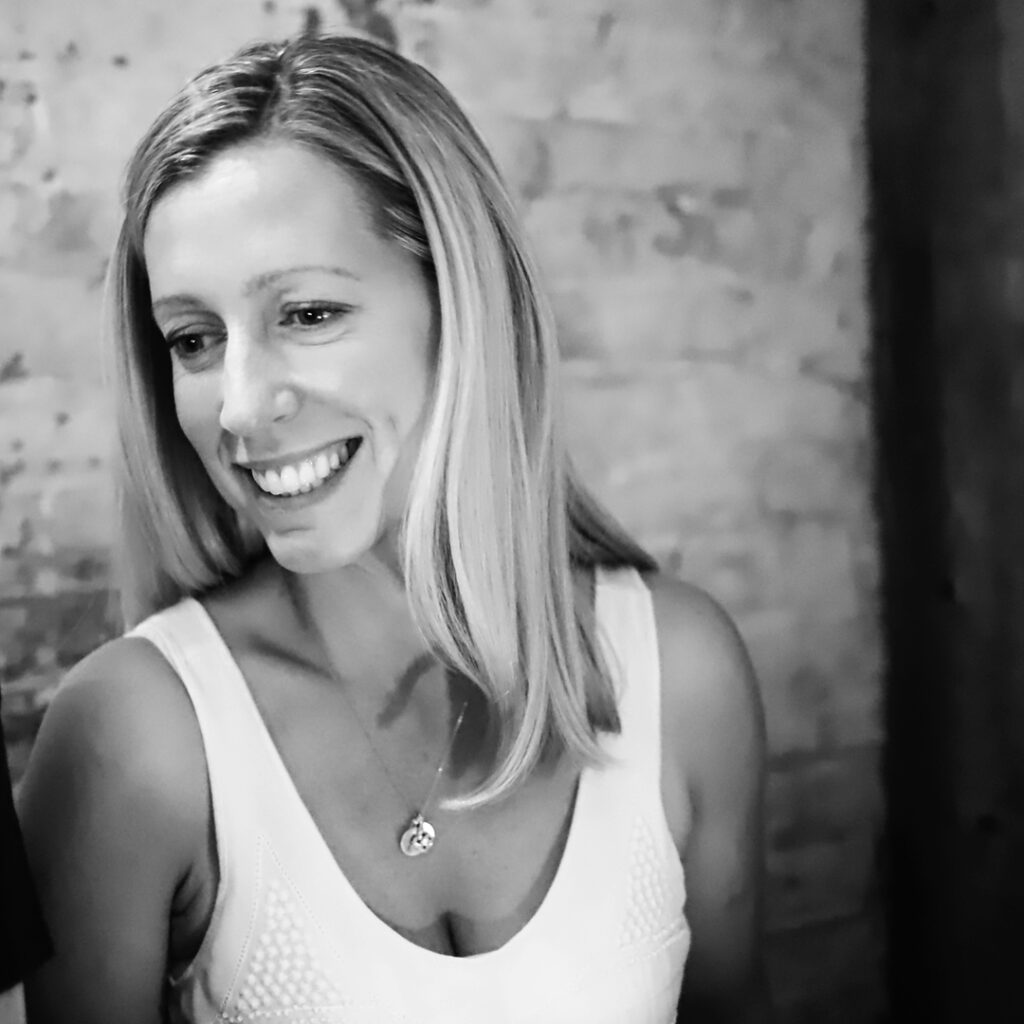
Susie Davidson Powell b&W

How has your job changed in the last couple of years with the complications of the pandemic? Any specific examples to share?

The pandemic was brutal on the industry. Heart breaking. Although there is a fine line between critics and restaurants, there is a relationship and respect.

I pivoted my coverage, writing about take out, drinks to-go, Black-owned eateries following the BLM protests, staff funds, and a series of behind-the-scenes Shutdown Dairies with restaurateurs and chefs. It felt important to show the struggle faced by industry people. Also, I rapidly compiled the first 50 restaurants that switched to take out in the initial lock down, which became the basis of a Times Union take out database. I’m proud of that.

I also ditched my anonymity and hosted online Food Life Lives, chatting with restaurateurs, sommeliers, farmers, even a DJ. We wanted to touch on what we were missing, what we could plate or pour at home, and how to recreate that feeling of being looked after that you have when you dine out. Before the pandemic, I used to host a lot of dinner parties and private wine or whiskey tasting events, so during the lock down I was asked to do a few via Zoom for the Times Union.

Susie Davidson Powell with beer

What are your goals for 2022? Anything additional that you would like to mention?

All the Covid delays have made me a little gun shy of setting timed goals but I have a drinks, dining and travel hospitality guide in the works called thedishing.com. You can sign up online for details about its launch!

EDITORS NOTE: Corey here, with a shameless plug. Susie with be bringing a non-alcoholic cocktail series to Arts Bar at the Arts Center of the Capital Region for the first quarter of 2022. The events, are held on Troy Night Out in downtown Troy on the 4th Friday of each month. The first will be on 01.28 from 6:00 to 8:00 at 265 River Street Troy. Come join us for art and a variety of non- and-alcohol based cocktails!

IG: @artsbartroy

Clowning Around with CCIAC Executive Director Aaron Marquise

January 5, 2022 By Maureen Sager

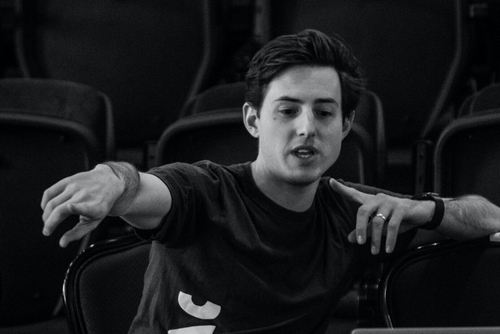
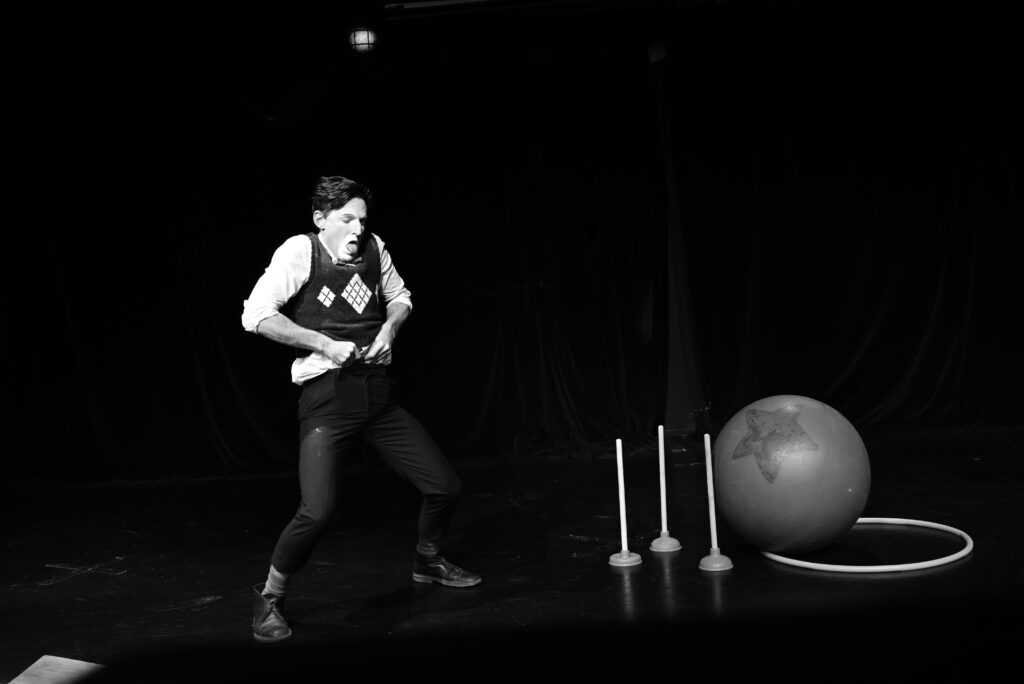
Just when you thought you knew everything about the 518… did you know that we’re on the brink of becoming one of world’s great homes for Clowndom? Aaron Marquise has worked internationally as a performer and clown, and now he’s working to bring the world — and its clowns — to the Capital Region. Read on to hear what drives his amazing vision.

Where are you from?

I’m originally from Round Lake, Exit 11! I left to study play writing and musical theater in New York for a year and half. Then, I moved up to Montreal to study contemporary circus in Montreal for four years. After that, I had the amazing opportunity to work in Switzerland, France, Germany and other places, sharing my time between Europe and the United States. I’ve been back in the area for the past few years now.

What’s the name of your company, and what do you do?

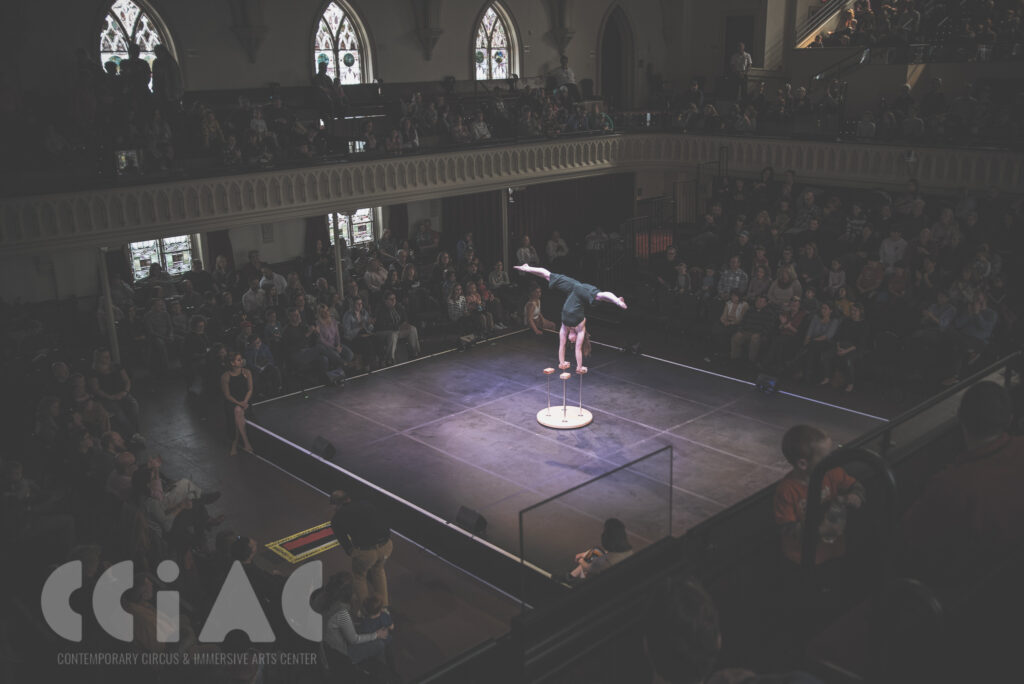
The company is Contemporary Circus and Immersive Arts Center (CCIAC). We promote, produce and present contemporary circus. Our vision is to link this incredible art form with American audiences, who have such an interesting relationship with the term “circus.” We want to redevelop people’s relationship with circus.

CCIAC’s performance at Universal Preservation Hall in Saratoga Springs, a week before lockdown, 2020

How and when did you know that circus – and starting this company — was what you wanted to do?

Growing up, I’d been to Ringling Brothers, and saw Cirque du Soleil in Florida, and thought, “Gosh, this is incredible, I wish I could do this.” But I never knew I could do this for a living, until I went to Montreal. We want to help audiences here experience the amazement and wow of the things that I saw at school, standing in the chapeteau (the French term for circus tent). I want to bring that to our area. We are completely unfamiliar with it.

Aaron’s favorite photo of himself in clown, taken during a performance of his solo show A.Lone, 2017

Is this what you imagined doing for a living, when you were a child?

I’m blessed because I’ve been in the performing arts almost my entire life. I always thought I’d be an actor on Broadway, and I always knew performing was what I’d do. Even as a kid on the playground, I was organizing productions of Peter Pan.  So I always had that skill set and desire, but the thought of being in circus — well, that part is new.

Was it hard, as a creative person, to learn how to run a business?

The business part of this was not something I ever saw myself doing. Creative producing has always been in my blood – that part is easy. But payroll and budgeting and marketing and strategic planning is new for me.

I find it so exciting, and I think I understand the long term vision of what we’re trying to do and how we’re going to do it. I’m learning every day. I’m not afraid to say what I don’t understand something, and when I need help.

I heard someone say that show business has two parts to it – it’s the show, and it’s the business. Yes, we can be really good artists, but we have to pay our bills.

What’s your “unique selling proposition”? What is CCIAC doing that no one else is?

No one was focusing on awards for just circus shows, like we see for the Tony Awards or the Oscars. Covid allowed us to do this economically, because the show could be presented digitally. We celebrated work from all around the world, without having to travel.

Clown Aaron Marquise
From CCIAC’s “Behind the Curtain” event in 2021

As a new dad, how do you balance your work and family obligations?

It’s not easy. But I’m a disciplined person, which I learned in school. I love getting up at 4:15 and working out and getting all of my emails done before my son wakes up. That’s where I thrive as a person.

That being said, not every day is like that. There are times where we’re having friends over, drinking a glass of wine, and I’m not into waking up early.

How did the “It’s All Circus” number come about?

I love the opening numbers for award shows, they’re my favorite. So when we were planning the digital ceremony, we thought, “Let’s write a great opening about  what circus can be. We wanted to define what it can be, but right now, in contemporary circus, it can be really anything or anywhere.  And we wanted a fun way to be able to talk about that.

Feeling the Music Go Through You – A Conversation with Sophia Subbayya Vastek

January 4, 2022 By Corey Aldrich

Memory is so unforgiving sometimes. As such, I don’t quite remember the first time I met Sophia Subbayya Vastek but I do remember somehow beginning to follow her on Instagram and WOW! She would post the most amazing performance snippets and honestly, I fell in love with her work. Then I find out she is deeply integrated into the music scene in Troy (specifically the Troy Music Hall) and that was enough for me, I just had to know more! As the interview unfolded, I realized I had found a kindred soul. Much of what she said resonated with me regarding mind set, performance spaces and shared experiences. So, lets get to it!

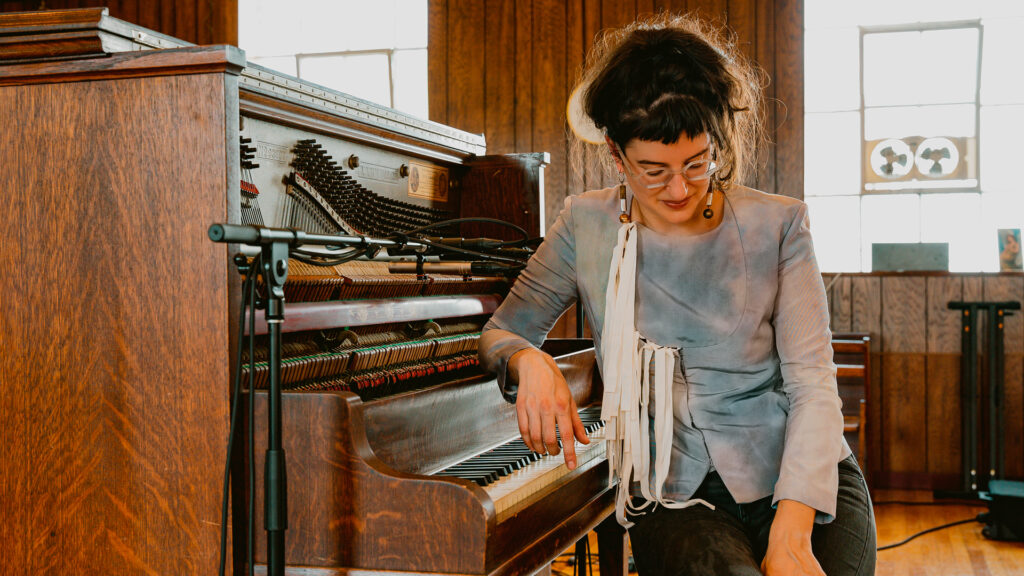
Sophia Vastek
Photo by Kiki Vassilikas

Please let us know a bit about your practice. Are you a full time performer? Do you have any other creative gigs you do to pay the bills?

I’m a musician (pianist and composer), educator, and producer/event organizer. And, I am a full-time musician. My days are all music-focused.

I’m glad you asked about paying the bills. I encounter a lot of resistance about discussing how creatives organize their finances. Ugh, there’s so much shame and baggage built up in the creative economy…. especially about money, which is a topic that I’ve been working to unpack for myself for years.

Before the pandemic, performing was a bigger part of my income. During the pandemic, my teaching studio grew to be a very important part of my life. This actually became a wonderful and liberating thing for me. I love teaching. Because of having a larger teaching studio, I’m now able to perform when I want, when it’s meaningful, and right. I spent so many years agonizing about whether I was performing enough and in the right venues. Fuck it. I realized that there are so many other aspects to my musicianship that I hadn’t been nurturing. I went full-tilt into exploring composing during the pandemic.

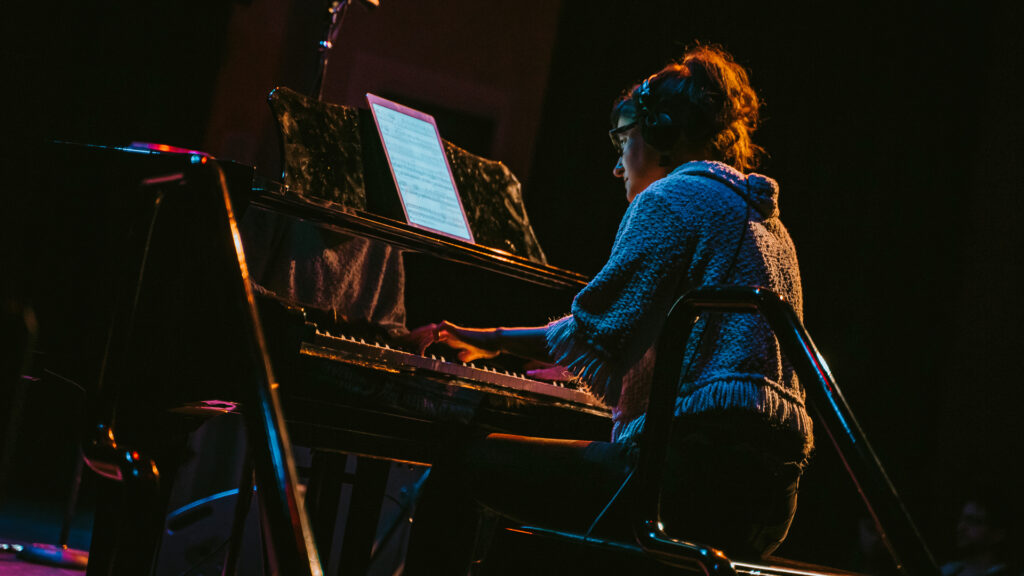
Sophia Vastek
Photo by Kiki Vassilikas

Can you talk a little about your approach to your own compositions and playing?

Playing the piano doesn’t mean a thing to me unless it’s part of a shared experience. Music is a truly magical thing that effects people both physically and ephemerally. It’s sound waves literally hitting your body! How magical is that? When I create music that gives voice to my own feelings, it will in turn give voice to something in someone else. The Gift by Lewis Hyde had a huge influence on my creativity. Seeing what we do as a gift is life-changing. When we put something out into the world, it’s no longer ours – it belongs to others – and that’s a very empowering and humbling concept.

Many people don’t realize that it takes painstaking time, work and care to create music and spaces that feel “right.” I look at what I do as engineering experiences. Whether it’s my own music and performing, or presenting another performance, I’m thinking about what that experience is going to be like for both the listener and performer. Like, how the sound system is going to interact with the acoustics in the space and how it’s going to reach a listener’s ear. You can have the most amazing performer or the most amazing music but if the experience isn’t right, it will fall flat. There are many variables that help create magical experiences beyond just the music itself.

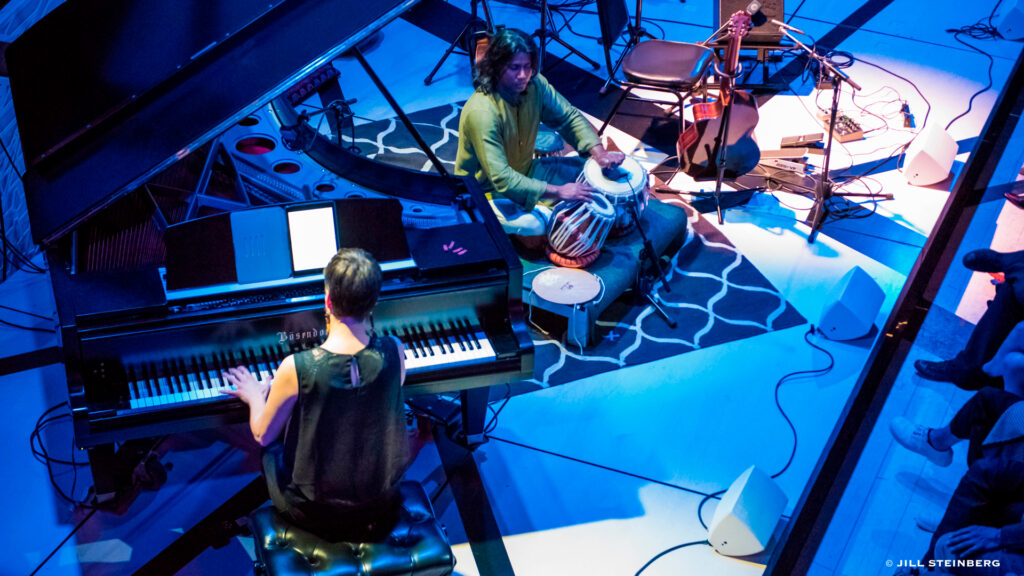
Sophia Vastek
Photo by Jill Steinberg

Can you talk a little about what brought you to Troy (Upstate) and where you were before that?

Before we got married, my husband Sam and I lived in New York City and then Baltimore for a while. We were involved with an artist residency program in the Capital Region and had been coming to the area for a few years.  Sam also did a residency at EMPAC. We really fell in love with Troy and decided to move here, because we wanted a more stable home base where we could put down roots. We love it here!

Sophia Vastek
Photo by Beth Mikalonis

I see that in addition to being a composer and performer that you produce events for venues with musicians as well. Can you tell us more about that…is that your 501c3 Organ Colossal?

I’ve run various music series’ in other cities, organized concerts, etc. It was a natural next step to put structure around what I’ve already been doing for a while. I founded ‘Organ Colossal’ with Sam. We produce and present concerts around town like the ‘Lift Series’ in collaboration with the Troy Music Hall. We’re a young organization, but we’ve got big plans for this coming year. We have the most amazing board of directors. There is a lot of thought and care that must go in to bringing people together and creating spaces that are equitable and caring. I can’t imagine doing this work without a team of people that bring different perspectives to the vision.

Sophia Vastek
Photo by Kiki Vassilikas

With the current state of affairs, live music which was coming back strong seems not be totally out of the woods with our ongoing health crisis. Do you have plans on how to deal with that to keep the flame alive?

I’m very optimistic. I don’t think keeping the flame alive is ever going to be the issue. It’s become clear that live music is as important as ever. I have to come back to music as a magic thing – what happens when people experience live music together is totally irreplaceable. Sound waves moving through bodies – your own body and the bodies next to you – create a bond of shared experience. We need these experiences to give voice to the deepest things that we feel that go unprocessed.

Sophia Vastek
Photo by Kiki Vassilikas

What else would you like to share? Anything we should know about coming up in the near future? Visions or goals?

My next album that is coming out mid-2022. It’s different from everything else that I’ve put out. It’s scary! This music represents a side of my creativity that I haven’t been able to give voice to until recently. I never gave myself the space to slow down and explore it. The new album is soft, intimate, and enveloping. It’s my own music, recorded on my piano with the best audio engineer in the state, my husband (I’m not biased!). Doing it in my home gave me the freedom to be as vulnerable as possible.

Organ Colossal is in the planning stages of some exciting new projects. We’re committed to creating accessible spaces for music, so we’re moving in a direction that involves more public, open-call work. The next concert on the Lift Series is coming up on on Feb. 23 is Warp Trio (a fantastic genre-bending chamber ensemble). After that, power trio Super 400 (regional superheros!) is slated for March 23. Follow our Instagram page or sign up to my mailing list to keep up to date on future shows and programming.

IG: @sophiavastek
WEB:  www.sophiavastek.com

IG: Organ Colossal: @organcolossal

ACE Culinary Road Trip: 5 Amazing Latin-Owned Restaurants!

December 7, 2021 By Maureen Sager

Oscar
Oscar at Oaxaquena Triqui, after eating grasshoppers

Welcome to our celebration of Latin-owned restaurants in the Capital Region! Schenectady-based, Honduran-born artist Oscar Bogran and I explored a range of restaurants that are deeply inspired by Latin American heritage and culture. We tried things we’d NEVER dreamed of eating, and met amazing women who are running successful businesses and employing dozens of people. Not many of them would call themselves “chefs.” (They’d likely say they’re the “cook”.) But rest assured, they’re hand making some of the most fantastic artisan food in the Capital Region, at price tags everyone can afford.

Click to read much more about each location:

Casa Latina, Salvadorean and Mexican Cuisine in Hudson

Lorraine and Oscar

Flores Family Restaurant, Salvadorean food in Schenectady

maria lloyd

Empanada Llama, Peruvian cuisine in Albany

Roast Chicken

Angel’s Latin Restaurant, Dominican Cuisine in Catskill

chicken mole

Oaxaquena Triqui, Oaxacan Cuisine in Albany

Griselda and her daughters, Oaxaquena Triqui

“Artisan food” is a term used to describe food produced by non-industrialised methods. It’s often handed down through generations but now in danger of being lost.

And here’s what you get when you eat each of these restaurants:

  • Authenticity — the owners and chefs are dedicated to sharing their rich culture through food. They talked to us about each and every dish, thrilled to share their stories.
  • Affordability — we didn’t spend over $15 per person at any of these restaurants, and often, we spent under $10.
  • Family Operated — every restaurant included family in their operation.
  • Minority and Women Ownership — all are owned by people who were born in Latin American countries, and four out of five are headed by women.
pupusas
Pupusas at Flores Family Restaurant

Our Tips for Exploring Latin American Restaurants:

  • Ask Lots of Questions — Everyone really enjoyed explaining their offerings. Additionally, we often found specialties that aren’t even included on the menu
  • Speak Spanish, If You Know Any — Oscar was able to draw out conversations better than I was, for sure! He was able to engage people who weren’t that comfortable with their English, and he helped me, too, because I’m not comfortable in Spanish.
  • Don’t Judge a Book By Its Cover — Many of these settings are very humble. The storefronts are not fancy, the interiors are utilitarian, and they might not be in the “best” section of these downtowns. However, the adventure will be super fun, and the food is fantastic. We guarantee it.

Cutting to the Hilt – The Craft of Blademaker Jordan LaMothe

December 5, 2021 By Corey Aldrich

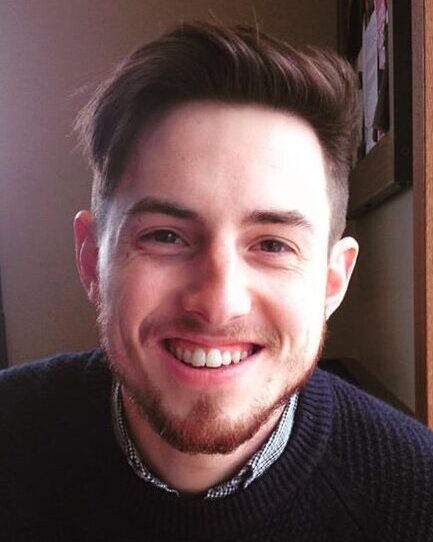
As sometimes happens, mid-summer I found myself in the middle of Averil Park, NY, sitting outside a yurt in front of a large, pallet-fueled fire pit with my good friends Chris and Josh. We were enjoying a little Japanese whiskey when someone I had not met before rolled up to the group. A quiet and contemplative man who when opened up, revealed a whole new world of artisan craft to me. Meet Jordan LaMothe, an artisan blade maker.

Jordan LaMothe

Please introduce yourself and tell us a little bit about your creative life and craft?

I am a blacksmith and knife-maker based in Hebron, NY, and I make all manner of blades from chef knives to swords. My work is a continual balancing of form and function; to make pieces that are both highly effective cutting tools and elegant, visually pleasing objects. When I make a knife, I start with raw bars of steel from the mill, forge weld different alloys to create an intricate pattern, and shape the blade with hammer and anvil. I then transform that forged blank into a cutting tool: hardening and tempering the steel, and grinding and sanding the blade to refine the shape and edge geometry. I then fit a handle to the blade, carefully selecting the material and sculpting it for the desired visual and ergonomic effect.

Hot blades

How did you get interested in knife making? What special education / skill did you need to acquire?

I began blacksmithing at the age of fourteen in order to make tools and hardware for use on the family farm. In two years, I made my first knife. I was captivated by the variety of creative processes involved: forging, grinding, machining, woodwork, leatherwork. So, I joined the American Bladesmith Society and dove into the craft, reading books and online forum posts, experimenting in my own shop. Then I started bringing my knives to accomplished bladesmiths for their critique.

Custom scultpted blade

I imagine you are doing custom work for a lot of folks in the food industry. Has the pandemic had an effect on your business?

I am fortunate that the pandemic has not affected my knife sales in any noticeable way. Many of my culinary knife clients are avid home chefs, and that market has done quite well with so many folks working from home. However, several of the classes I was scheduled to teach in 2020 and 2021 were cancelled due to the pandemic.

Custom blade

With the proliferation of mass production in your industry, how do you differentiate yourself?

People buy my work because it has a story, because they like the aesthetics of my work, and because they trust me to create tools that will perform well and last a long time. A mass-produced knife is a completely different product and a different marke. There are some terrific mass-produced knives, but generally people are looking for something “good enough” for their particular needs. When you purchase a knife from me, you receive a piece that is truly unique and personal—something no one else in the world has.

Two blades

What are your long term goals with your craft? What would you like to accomplish?

My current goal in my craft is to broaden the variety of techniques that I can apply to my pieces. I am interested in doing more work with precious metals as well as inlay and engraving. I also want to do more research and documentation of historical swords and daggers in order to make pieces that remain faithful to the long traditions from which they descend.

sword

Any thing you would like us to know about specifically? Any upcoming classes or exhibitions?

In 2022, I am going to be traveling to Rajasthan, India, on a Fulbright grant in order to study koftgari: a technique for applying gold and silver onto iron that has been used for hundreds of years to embellish sword and dagger hilts. I will resume teaching classes and attending shows once I return in 2023.

Damascus blade


EDITORS NOTE: For more information or to contact Jordan directly about commission work or classes hit him up on these website or social media platforms:
Web: www.jordanlamothe.com
IG: @jordanlamotheblades

  • « Go to Previous Page
  • Page 1
  • Interim pages omitted …
  • Page 16
  • Page 17
  • Page 18
  • Page 19
  • Page 20
  • Interim pages omitted …
  • Page 45
  • Go to Next Page »

Creative Economy Updates and Other Good Stuff!

STAY CONNECTED!

  • Facebook
  • Instagram
  • Twitter
Copyright © 2020 THE UPSTATE ALLIANCE FOR THE CREATIVE ECONOMY

info@upstatecreative.org | 41 State Street, Albany, NY 12207

Design by Reach Creative