• Skip to primary navigation
  • Skip to main content

ACE

Upstate Alliance for the Creative Economy

  • HOME
  • ABOUT
  • NEWSLETTER
  • SUBSCRIBE
  • JOBS
  • Show Search
Hide Search

Visual Arts and Handcrafted Products

Street Art / Graffiti as Gravity – Part II of III : Cities with ‘Speak Art’ Vibes

August 3, 2022 By Taliesin Thomas

This 3-part series on the dynamic nature of street art, graffiti, and murals—as both symbols of cultural consciousness and cultural commodities—highlights these genres as viable assets within the regional and global creative economy of today. In this second segment, the author considers the financial side of local art initiatives.

I am pleased to share this second segment in my three-part series concerning dialogues around street art, graffiti, and public art projects in the Capital Region. In the first segment, I discussed these topics from a Troy-townie perspective.

Mural art in North Central Troy, NY | Photo: Corey Aldrich

For this installment, I explored the mural-street-art-graffiti-scene from the financial side of the equation. We all know that art is also about “biz-naz” at every level, so how does the money make its way into the street as street art? To understand more, I turned my focus to the creative economies of Troy, Albany, and Glens Falls as a trifecta case study. Each of these cities boasts a unique vibe with respect to murals and public art projects. I was delighted to communicate with several esteemed arts professionals for greater insight, including Elizabeth Reiss, Executive Director of the Arts Center of the Capital Region; Tony Iadicicco, Executive Director of the Albany Center Gallery; Chad Robinovich, Artistic Director of New Works for Constellation Stage & Screen; and Casey Polomaine, Executive Director of the Albany Barn.

Each of these conversations was lively and informative; herein I comment on some of the facts that were presented to me. Chad Robinovich—a champion of Glens Falls and a member of the Glens Falls Arts District Committee—spoke passionately about community endeavors to “beautify a beautiful city” that is also his home. Chad discussed the ongoing efforts of the New York State’s Downtown Revitalization Initiative (DRI), an organization that serves as a cornerstone of the State’s economic development program.

While Glens Falls already has an established arts district area, the DRI has supported the existing infrastructure while expanding local arts programming. Chad clarified the DRI is not only solely about funding the arts, however, some of the total $10 million grant for Glens Falls was indeed used for public art initiatives.

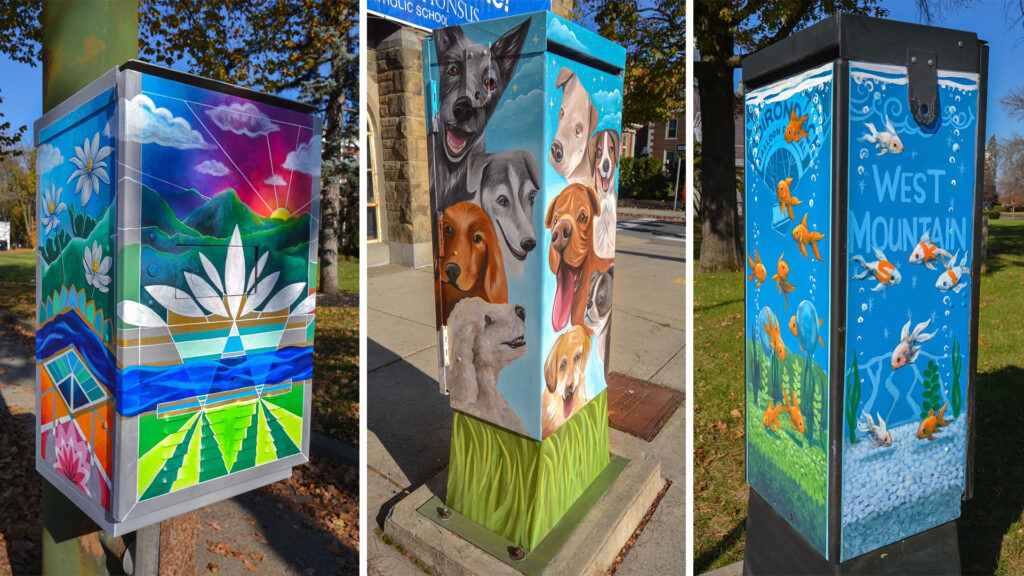
Painted electrical boxes in Glens Falls, NY | Images courtesy of Chad Robinovich

He also shared with me that a micro grant from the Touba Family Foundation resulted in a popular project that took place last year, where local artists—including Kevin Clark, Shelley Fairbanks, Leah Hofgesang, Stephanie Vaus, Rodney Bentley, Hannah Williams and Olga Aleksandrova—were awarded funds to paint electrical boxes around Glens Falls. He spoke sincerely about the impact of that project and how the community reacted so positively to the colorful designs, stating “a little bit goes a long way” with regard to the public reception for art.

During our call Chad spoke of Glens Falls as a place with a “speak art” vibe and he emphasized the “instant visual impact” of murals as a point of engagement. This year, the Glens Falls Arts District Committee put out a nationwide call for artists to apply for a large-scale mural project. Over the next two months, the committee will allocate approximately $75,000 to install three new mural designs around Glens Falls by artists Hannah Williams (Glens Falls, NY), Toni Ardizzone (Texas), and Jesse Melanson (Los Angeles, CA).

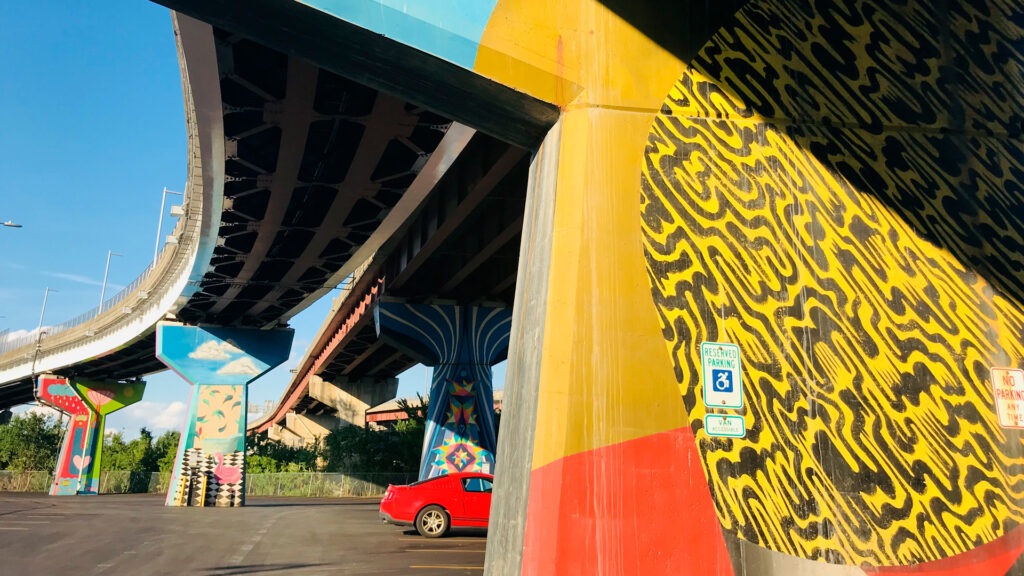
Murals off River Street near the Hudson River in Troy, NY | Photo: Taliesin Thomas

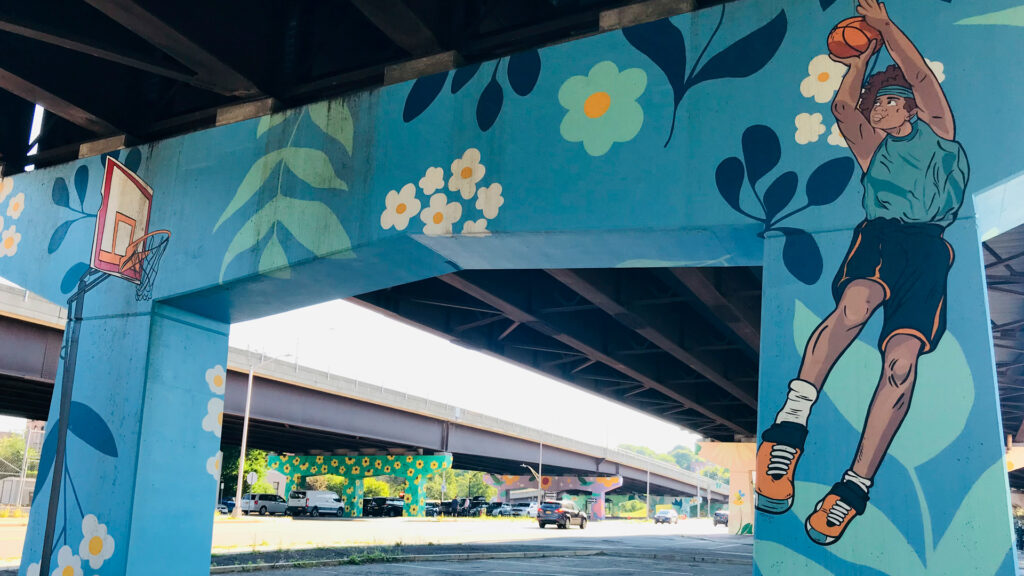
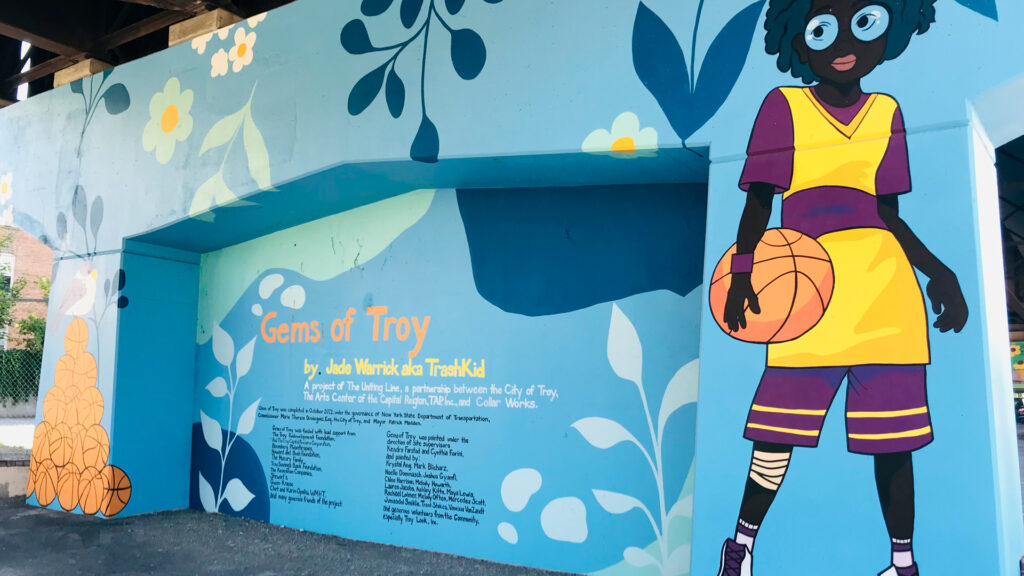
Turning to Troy, we encounter a thriving local energy at the Arts Center for the Capital Region (ACCR). Director Liz Reiss is a seasoned arts professional with diverse experience overseeing art in the public realm. During our conversation, she emphasized her belief that “art belongs to everyone” and that art functions as a tool for revitalization. Liz also spoke candidly about the challenge to obtain annual funding and she considers the role of the institution as the “translator” of art for the community. She carefully posed various questions with respect to the best use of funding: What needs help? Who is asking for that change? Who is most likely to benefit? Liz cited city murals as one of several modes that bring local artists further into the public realm and she lauded the resounding success of the Uniting Line, a project that received funds from Bloomberg’s “Asphalt Art” initiative. This highly visible series of murals features artwork by Jade Warrick. Originally from Los Angeles, Warrick is a Capital Region-based visual designer who focuses on bringing art and wellness programming into BIPOC and marginalized communities.

Uniting Line artworks by Jade Warrick, Troy NY | Photo: Taliesin Thomas

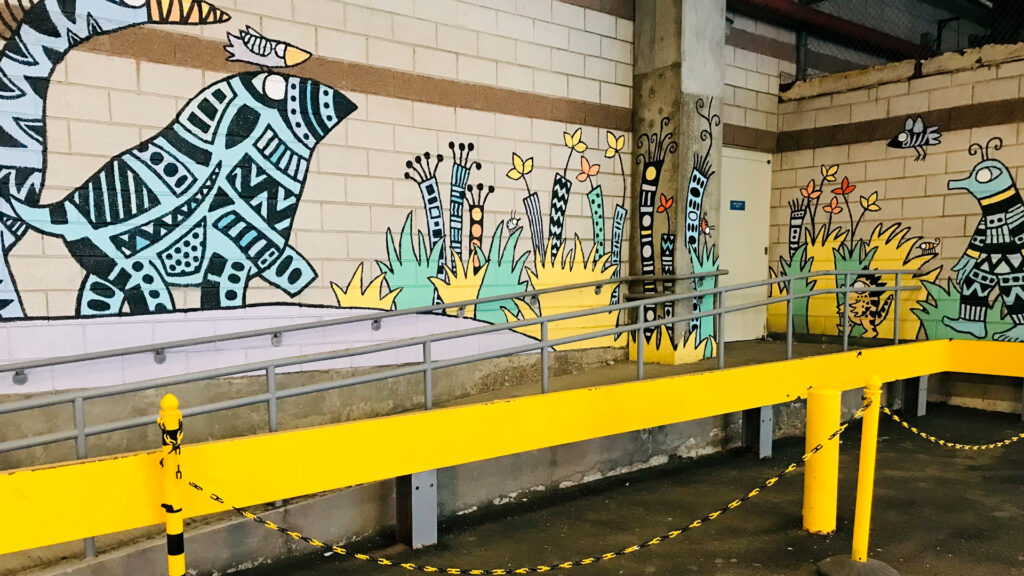
Since staring the program in 2018, Liz confirmed the ACCR has spent approximately $375,000 on various public art projects around Troy, including the Uniting Line, Franklin Alley, School 2, Troy to Troy Murals (the bulk of which was used for the Uniting Line). The ACCR is currently working to realize the Troy Glo project that will present a distinct category of public art—light sculptures—and will feature the work of architects and designers as part of these plans. Troy Glo will launch in December 2022 to coincide with the annual Troy Victoria Stroll.

Street art by Joe Iurato as part of the Frankly Alley project, Troy NY | Photo: Taliesin Thomas

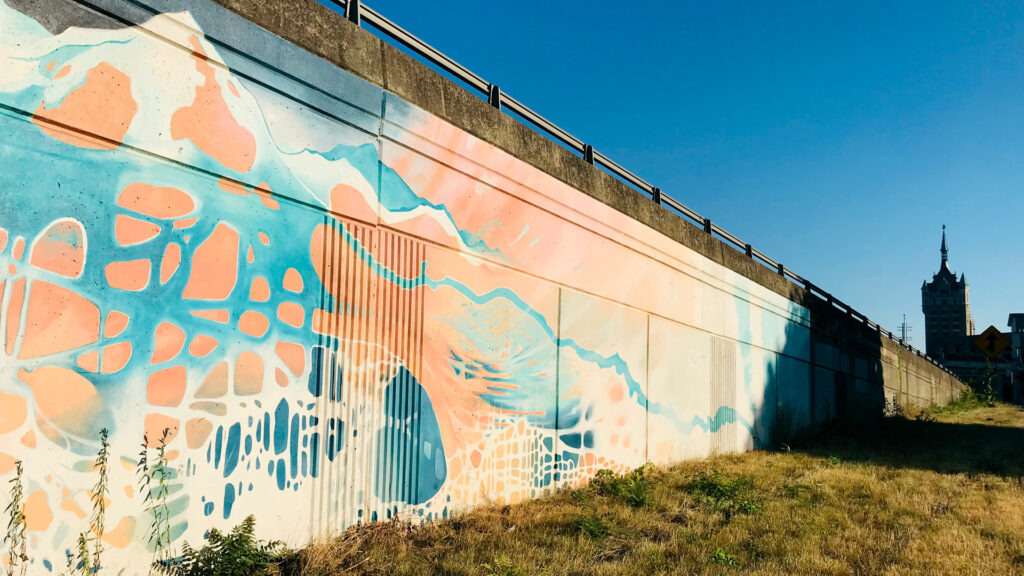
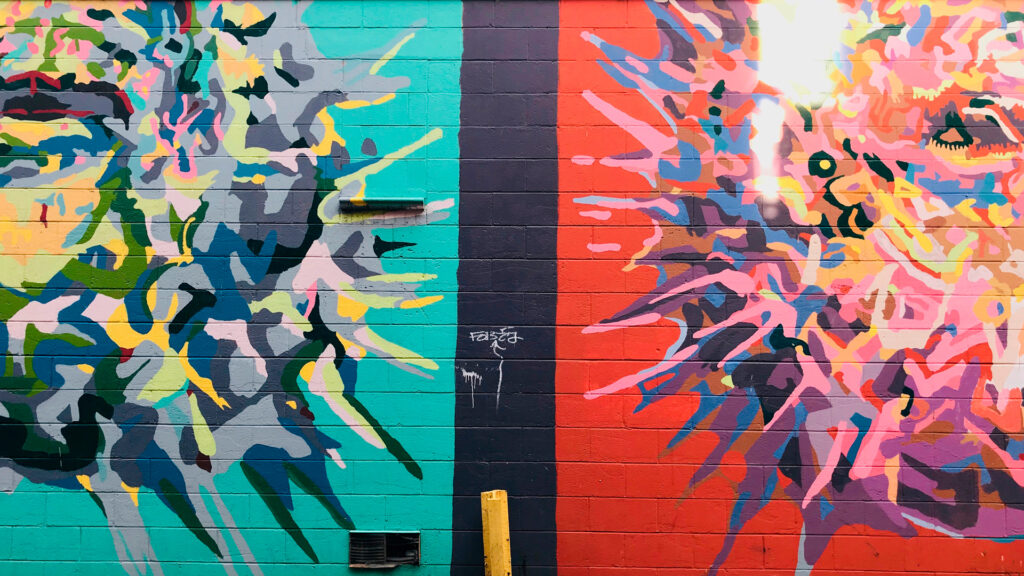
Next I connected with Casey Polomaine regarding her work with public art projects in Albany. She spoke of the great success of the Capital Walls project, a collaboration between Albany Barn, Albany Center Gallery, and the Albany Parking Authority. The Capital Walls murals aim to inspire all walks of life with buoyant works of art installed in various locations around downtown Albany. Programming designed to promote and educate the community about these artworks include walking tours (docent led and self-guided), bike tours in partnership with the Capital District Transportation Authority, and the Artful Albany podcasts with Discover Albany.

Capital Walls murals by (back to front) Rosy Sunshine, Vanessa Mastronardi,
Arzu Fallahi, and NDA in Albany, NY | Photo: Taliesin Thomas

Casey explained the ongoing efforts of the Capital Walls program, stating that the city is currently working to expand the program and is actively looking for new walls. She spoke of the sheer joy of public art that is made accessible to all and how the murals naturally “uplift your spirits” as works of art that break down barriers while also “putting money in the pockets of artists.”

Rounding out the trifecta focus, Tony Iadicicco provided additional information about Capital Walls. Started in 2016, the project now boasts 16 murals by local, regional, national, and international artists. Chosen from an open call, many of these artists are first time muralists while others are well-established. Tony indicated that each muralist was paired with an available, funded wall based on their style. Once selected, the muralist works closely with Tony and his team to create the work on-site. He indicated that over $150,000 in public art has been funded by Albany Parking Authority and an additional $72,000 was awarded to Albany Center Gallery as part of the DRI award (with additional partner Downtown Albany BID and Capital Walls partners).

Capital Walls mural by Rachel Baxter in Albany, NY | Photo: Taliesin Thomas

Albany Barn also received additional funds for the Schenectady DRI for murals to be installed in Schenectady, along with a Capital Walls mural in Schenectady on Albany Street (completed in 2021). In an email to me, Tony included these comments from Matthew Peter of the Albany Parking Authority: “the murals act as landmarks, promote walkability and tourism, and restore a sense of place … At the same time, the city is able to attract and promote local art and artists and support the local creative economy, creating a win/win situation for all involved.” On a recent summer afternoon, I toured the Capital Walls murals and it was indeed a thrill to encounter these magnificent murals, each one both inspired and inspiring. As these and other arts professionals attest, the “speak art” vibes of cities such as Troy, Albany, and Glens Falls are a vital part of the artistic energy and business goals of our region as a whole.

Capital Walls mural by Sylvie Kantorovitz in Albany, NY | Photo: Taliesin Thomas
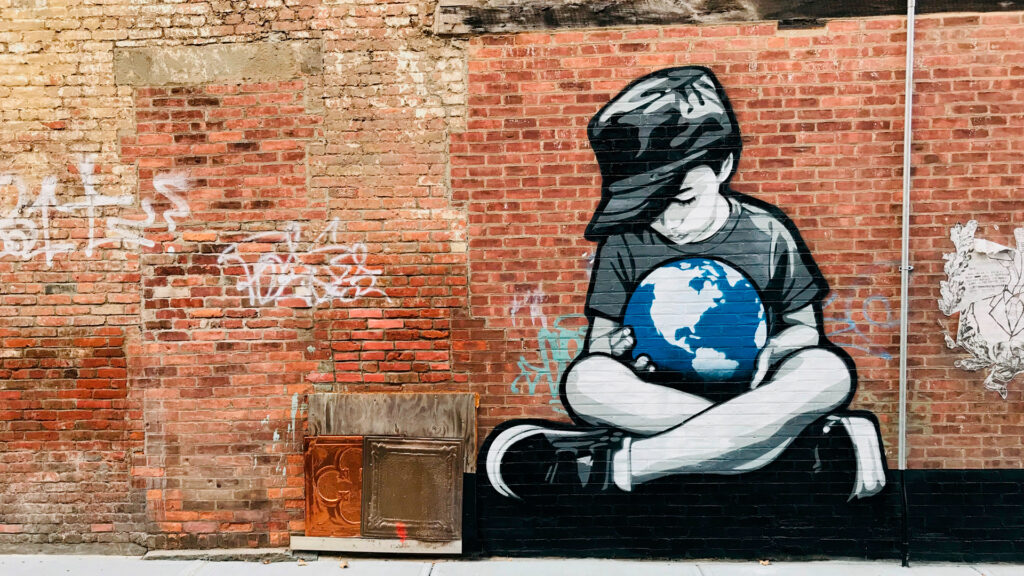
Street art in downtown Troy, NY | Photo: Taliesin Thomas

PART III: In the next installment, we consider the “macro level” of these topics and explore how art initiatives in Capital Region fit into the arts ecosystem on a national—and international—scale.


For more check out Part I of the series : Street Art / Graffiti as Gravity – Part I of III : A Townie Perspective


Taliesin Thomas, Ph.D. is an artist-philosopher, writer, lecturer, and collector based in Troy, NY. Since 2007, she is the founding director of AW Asia, NY and the collection manager of Art Issue Editions, NY—two private art collections that are the foundation for collaborations and projects with artists and museums worldwide. Thomas has lectured and published widely on contemporary art. She is the director of the Artist Training Initiative and a critic for the Critical Forum program at the Arts Center for the Capital Region, NY and she is a faculty member at School of Visual Arts, NY. Thomas studied studio art, aesthetics, theory, and philosophy at Bennington College, Columbia University, and The Institute for Doctoral Studies in the Visual Arts.

Street Art / Graffiti as Gravity – Part I of III : A Townie Perspective

May 8, 2022 By Taliesin Thomas

This 3-part series on the dynamic nature of street art and graffiti—as both a symbol of cultural consciousness and a cultural commodity—highlights these genres as viable assets within the regional and global creative economy today. In this opening segment, the author shares a townie perspective.

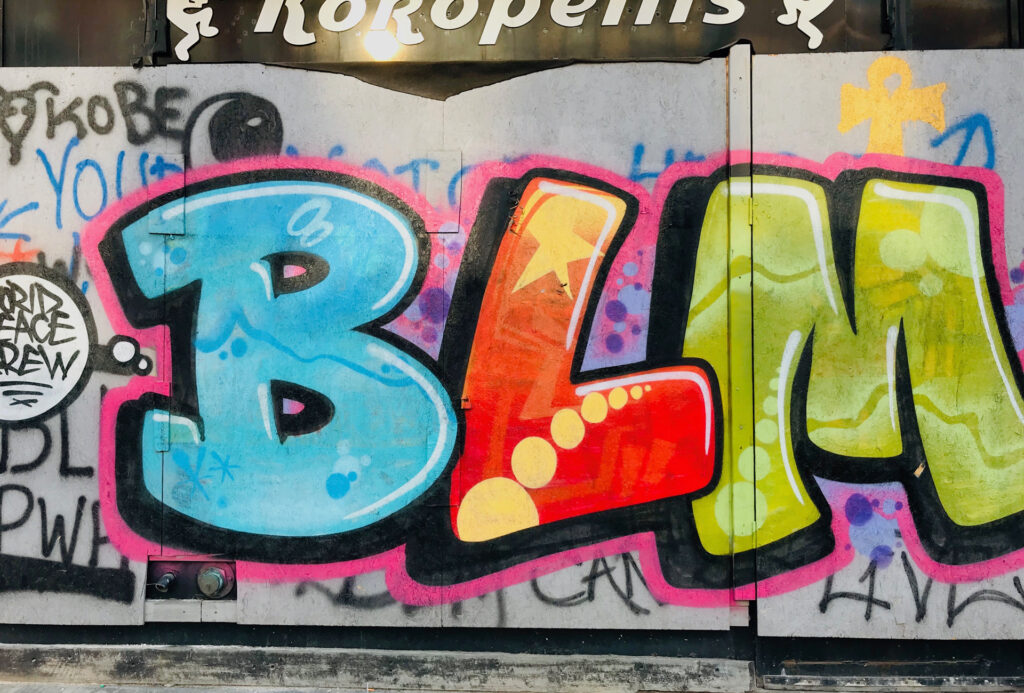
BLM Street Art in Troy NY
Black Lives Matter Mural Project | Photo: Taliesin Thomas

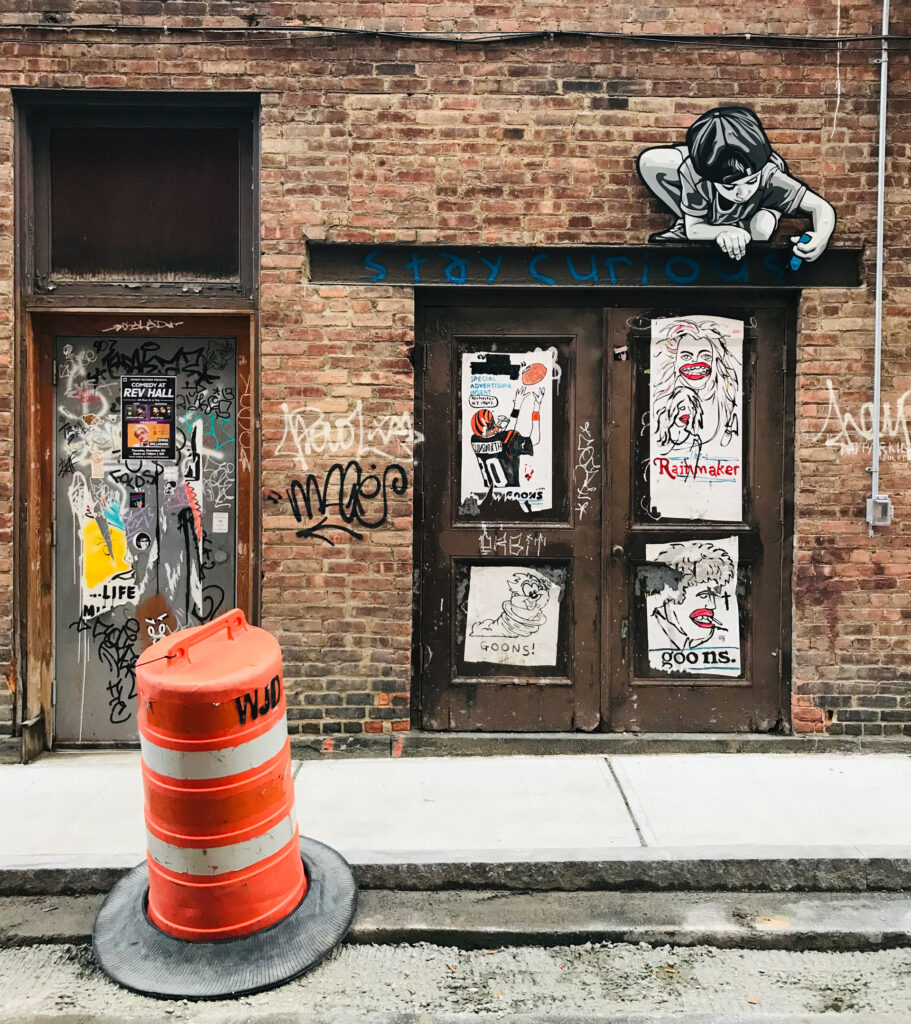
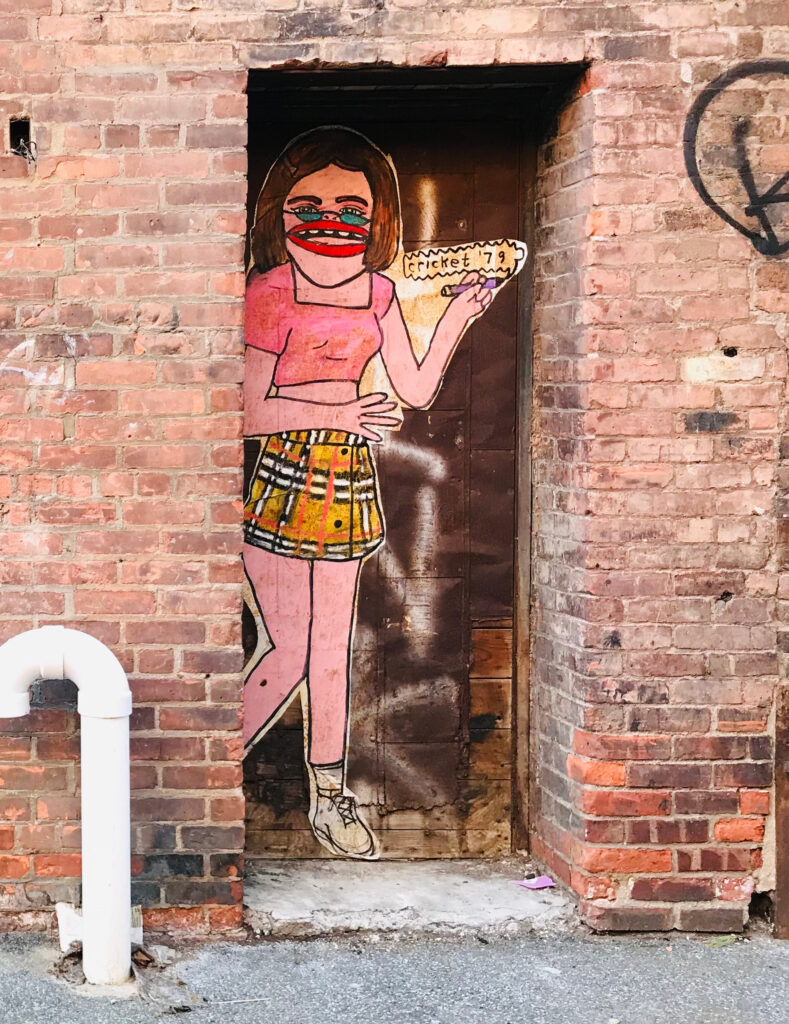
Troy, NY is a historic town built on the foundations of fortunes gained during a heightened gilded era of development in the United States. One can celebrate the charming vibes of this post-industrial town nestled along the mighty Hudson River. Troy boasts a reputation as an increasingly eclectic enclave north of Manhattan—and Albany further still—that is home to a diverse community and a thriving arts scene, including strong examples of street art and graffiti that one might encounter in any lively urban (or non-urban) locale anywhere in the world. This, I believe, reflects street art and graffiti’s role as a kind of gravity within society: it is a symbol of cultural consciousness and engagement with a community audience—it is also a cultural commodity within the larger context of a global creative economy. The brief footnote here: my use of the terms ‘street art’ and ‘graffiti’ are somewhat interchangeable, however, the distinction that I have observed during my years as an arts professional is that community planned and supported expressions of street art aim to contribute to the artistic life of a community with care and respect.

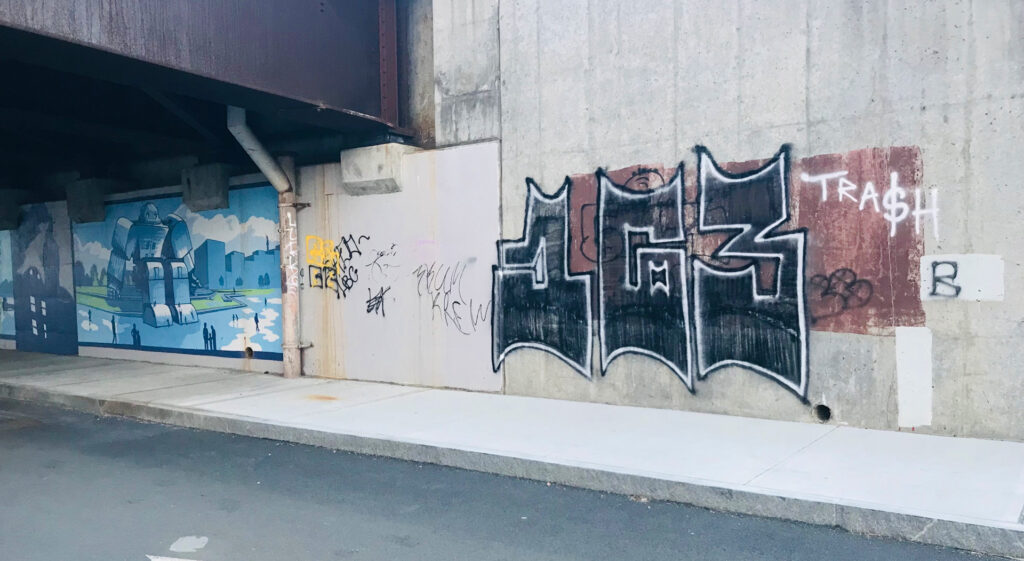
Troy NY Graffiti
Photo: Taliesin Thomas
Troy NY Graffitti
Photo: Taliesin Thomas
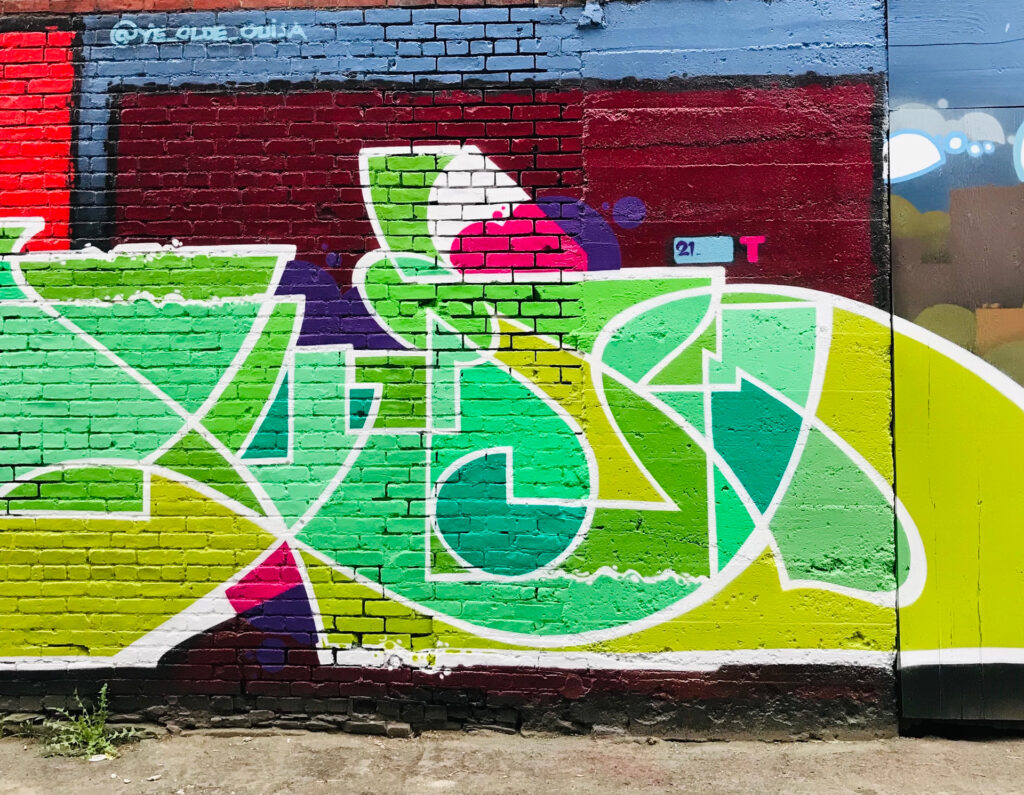
Troy NY Graffiti / Street Art
Photo: Taliesin Thomas

Nevertheless, I became familiar with Troy’s artistic milieu during the mid-1990s (having done my undergrad at nearby Bennington College) and I relocated from Brooklyn during the deepest summer days of the 2020 pandemic-era (a welcomed redux encounter with the Hudson Valley). It has been a joy to behold a healthy street art and graffiti scene flourishing around Troy since taking up residency in these old digs. Alas, one cannot ignore the unfortunate acts of vandalism caused by graffiti in certain contexts—on sacred public spaces and historic buildings—yet the intentional placement of vibrant street art and the reverential gestures of calculated bombing—when it does not incur outright destruction—are truly inspirational. If we consider nascent forms of art-making dating back to the basic Paleolithic line drawings found in the caves of southern France, for example, our collective desire to mark our human existence by way of the ‘I WAS HERE’ declaration is irrefutable. Those magnificently crafted 17,000-year-old drawings that consist of raw markings and swaths of color are, essentially, the earliest form of sizing up a barren wall and tagging it with some signature of presence. Such outstanding examples of prehistoric art naturally point in the direction of an artistic expression that has, over millennia, evolved into divergent forms of communication with a would-be audience, thus the birth of art as anywhere—and eventually art in the street.

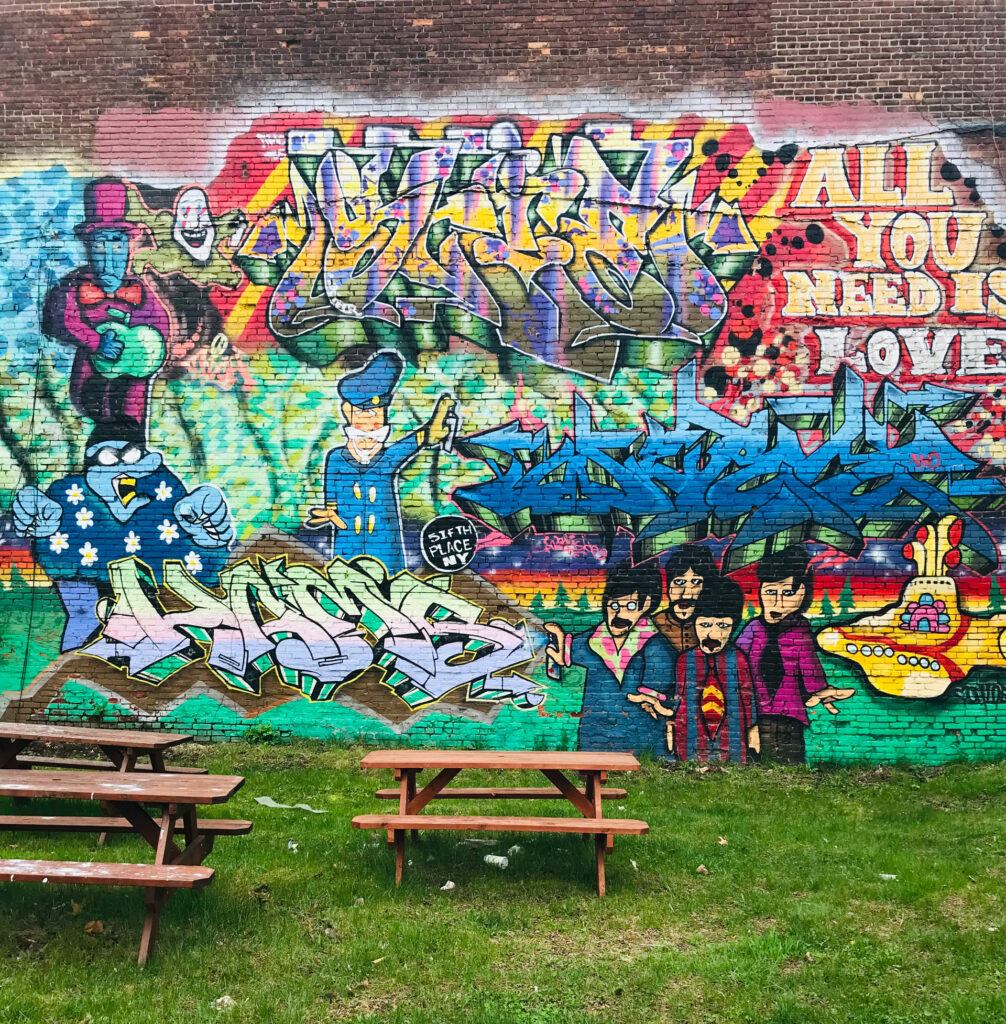
Troy NY Graffiti / Street Art
Photo: Taliesin Thomas
Troy NY Graffiti / Street Art
Franklyn Alley Project | Photo: Taliesin Thomas
Troy NY Graffiti / Street Art
Photo: Taliesin Thomas

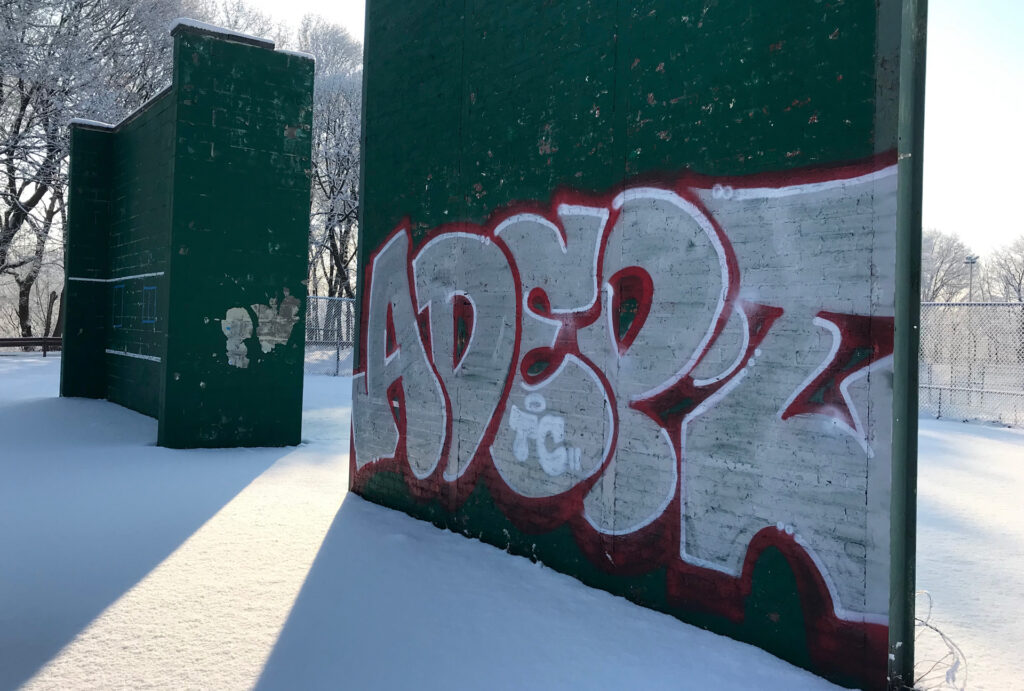
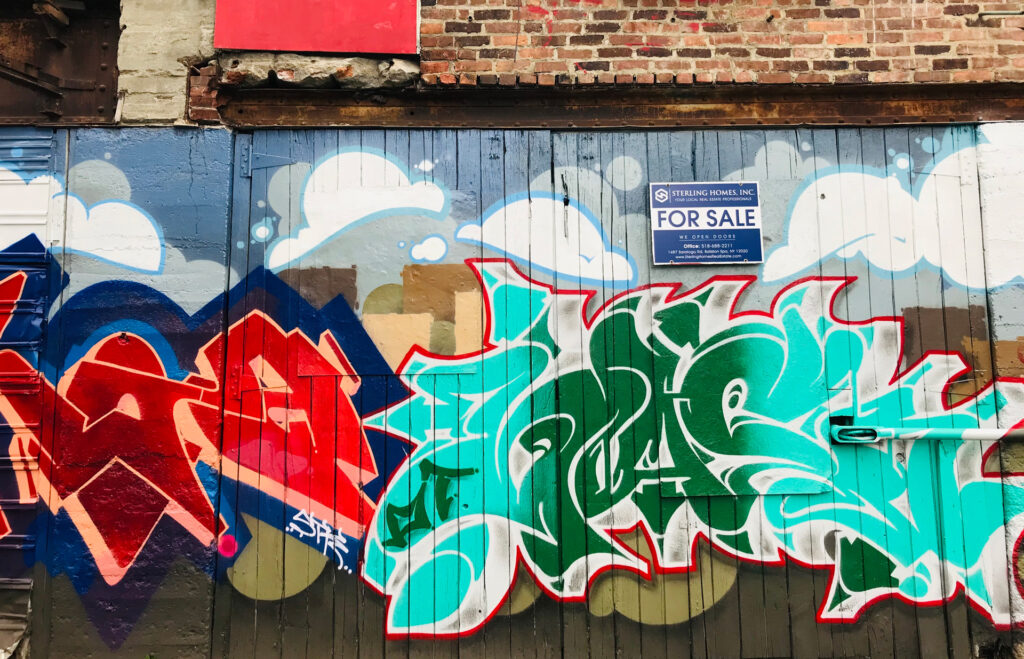
Our contemporary society is thriving with all categories of creative stimuli, and I think many of us are drawn to commodities and cultural contexts that provide a sense of connectivity. I would argue that the energy of great street art is unrivaled in this category—one is immediately brought in within the moment of stumbling upon it. The stylized tags, the brazen use of bold color, the oversized gestures, the symbolic code name of one’s chosen street alias, and the deft and dope use noxious aerosol paint are all aspects of graffiti to be celebrated. Although I will not further comment on acts of graffiti that cause outright damage, this is an inevitable facet of the conversation. We must welcome the ribald nature of the so-called ‘art-world-circus-show’ in all its unbridled medley, including the blatant criminality of certain practices on every level (street or no street as part of the equation).

Troy NY Graffiti / Street Art
Photo: Taliesin Thomas
Troy NY Graffiti / Street Art
Photo: Taliesin Thomas
Troy NY Graffiti / Street Art
Photo: Taliesin Thomas

Compelling works of street art and graffiti abound in towns and cities across the planet, proving that street artists and taggers are a prevalent international tribe with their own language, history, society, and sect. While many examples of street art and graffiti embody the anti-establishment tendencies that we associate with counterculture proclivities, this distinct sub-cult remains as one of the most compelling declarations of artistic identity in contemporary times. The multidimensional presentation of street art and graffiti as it prevails in Troy, NY provides a ‘townie perspective’ into the proliferating scale of the global genre today. I know we all look forward to seeing more uplifting displays of public art and street art in our town and in our world. In Troy, The Arts Center of the Capital Region along with several other Troy based institutions and residents are working to expand support for local artists through community arts initiatives that encourage local artists and taggers to step up their game in a way that kindles camaraderie and care in our beloved city.


PART II : In the next installment, we will explore the economies and community benefits of public mural programs.


Troy NY Graffiti / Street Art
Photo: Taliesin Thomas
Troy NY Graffiti / Street Art
Photo: Taliesin Thomas
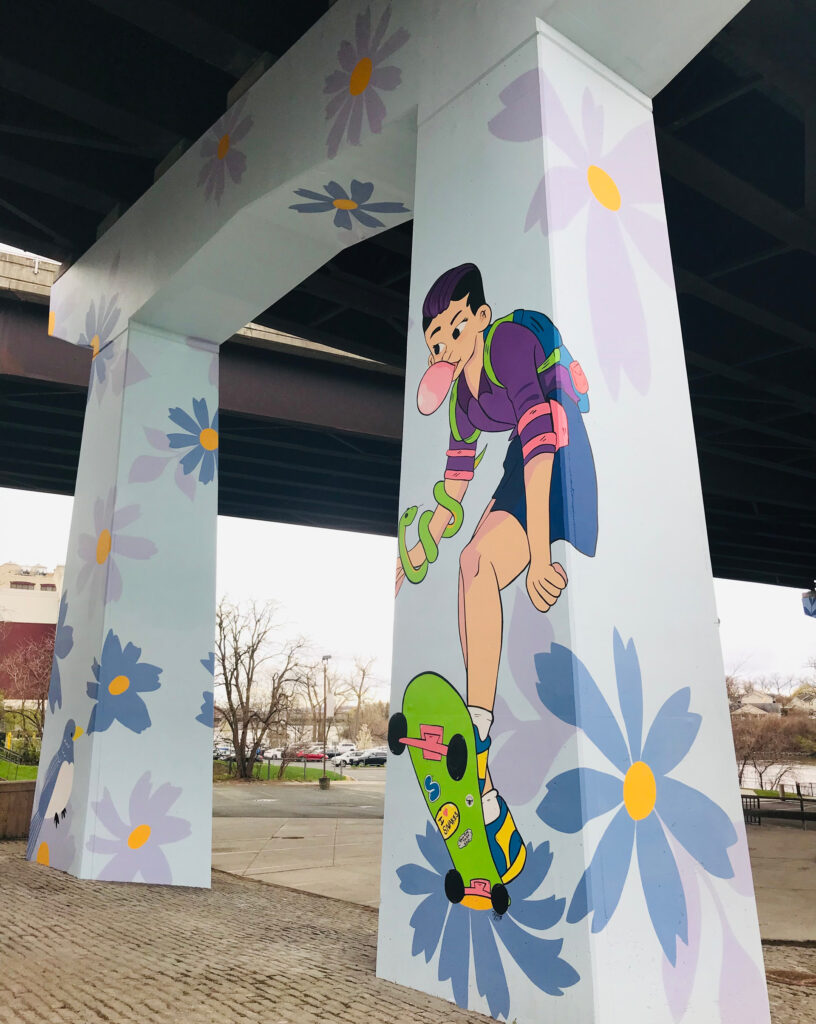
Troy NY Mural / Street Art
Uniting Line Project | Photo: Taliesin Thomas

Taliesin Thomas is an artist-philosopher, writer, and lecturer based in Troy, NY. Since 2007, she is the founding director of AW Asia, NY and the collection manager of Art Issue Editions, NY—two private art collections that are the foundation for collaborations and projects with artists and museums worldwide. Thomas has lectured and published widely on contemporary art. She is a faculty member at School of Visual Arts (SVA), NY and a visiting critic at the Arts Center for the Capital Region, NY. Thomas studied studio art, aesthetics, theory, and philosophy at Bennington College (BA), Columbia University (MA), and The Institute for Doctoral Studies in the Visual Arts (PhD).

SALEM ART WORKS : A Conversation with Pearl Cafritz – Executive Director

May 4, 2022 By Corey Aldrich

My first exposure to SAW was through the ‘Things To Do’ section in back of The Metroland (RIP). There was a listing for a quirky music festival called SAWFEST. I went, saw and heard and ever since, I have been a big fan of this amazing institution. I first met Pearl through previous ACE! Executive Director Maureen Sager. We did an event together and I came to appreciate just how much Pearl had to offer SAW and the region at large. And now…you too are on the inside track.

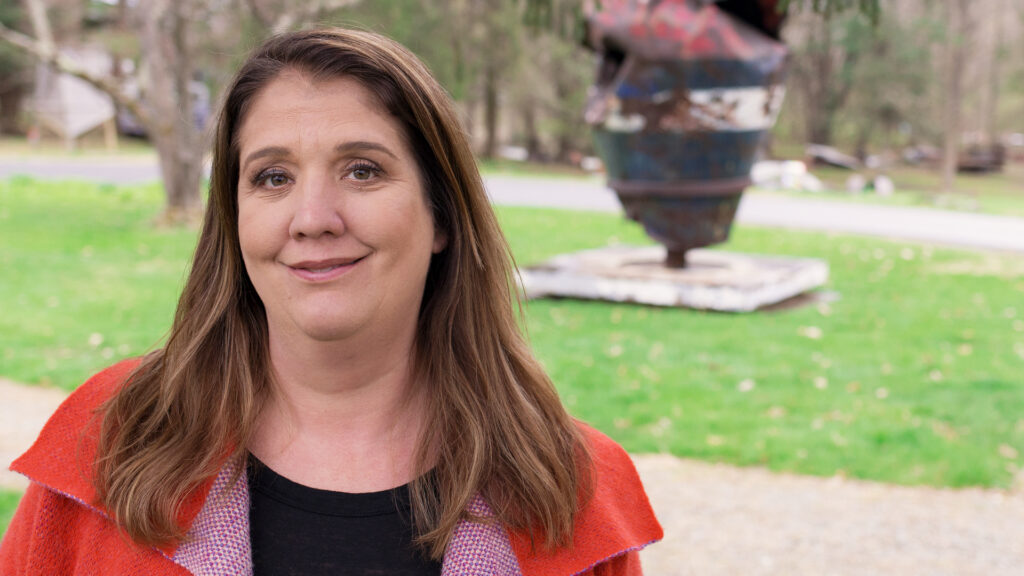
Pearl Cafritz, Executive Director at Salem Art Works
Photo: Corey Aldrich

Please state your name, title, and what you do at Salem Art Works (SAW). How many employees do you have on campus and what do they oversee?

I am Pearl Cafritz, Executive Director. I oversee administration, programs, and strategic planning. There are twelve staff currently. The administrative team is comprised of a Director of Programs, a Coordinator of Workshops, a Director of Development, and a Graphic Designer. The studios each have a director as well including: blacksmithing, ceramics, glass, foundry and welding. We also have a sculpture park manager, a young artist coordinator, a seasonal chef and housekeeper.

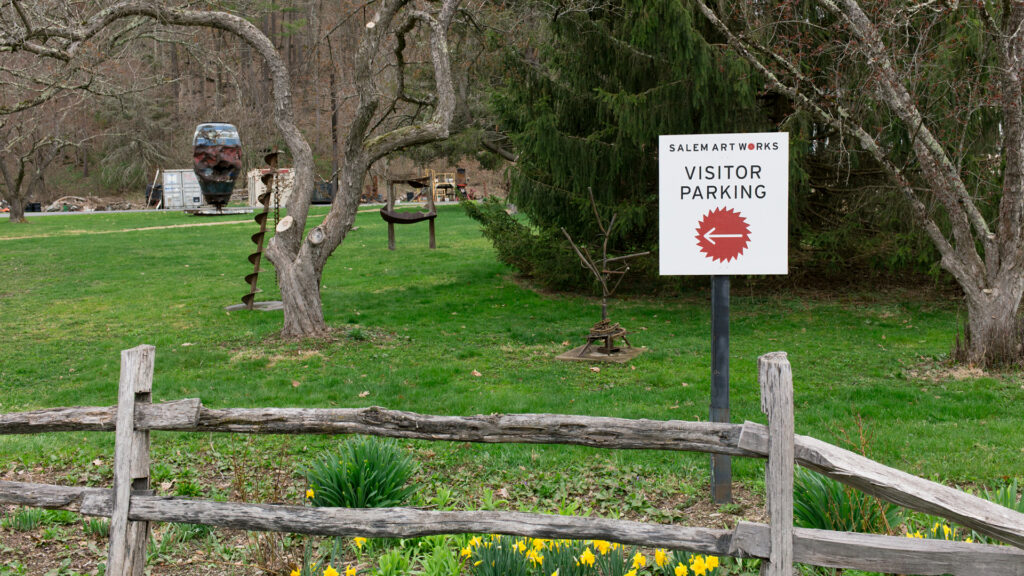
Entrance to Salem Art Works
Photo: Corey Aldrich

Can you share a little bit about your education and background pre-SAW. Curious about the other places you have worked and learned your expertise from.

Originally from Saratoga Springs, my journey to creative problem solving began while working at my family’s hardware store, Farmers Hardware. I earned my Bachelor of Fine Arts from The College of Saint Rose with a concentration in sculpture. My background in exhibit installation and art handling took me to museums like The Guggenheim, The American Museum of Natural History, The Cooper Hewitt, Smithsonian Design Museum, and The Whitney. Pursuing the contemporary division of art shipping allowed me to travel, oversee import / exports and coordinate crews installing at various art fairs including Basel Switzerland & Miami, Frieze London, and Venice Biennale. I had the privilege of working directly with Matthew Barney as a set builder for Cremaster 3 and assisted Kiki Smith at the International Center of Photography.

As an art world entrepreneur, I started my own art handling company inspired by the Art Basel scene in Miami, Florida.

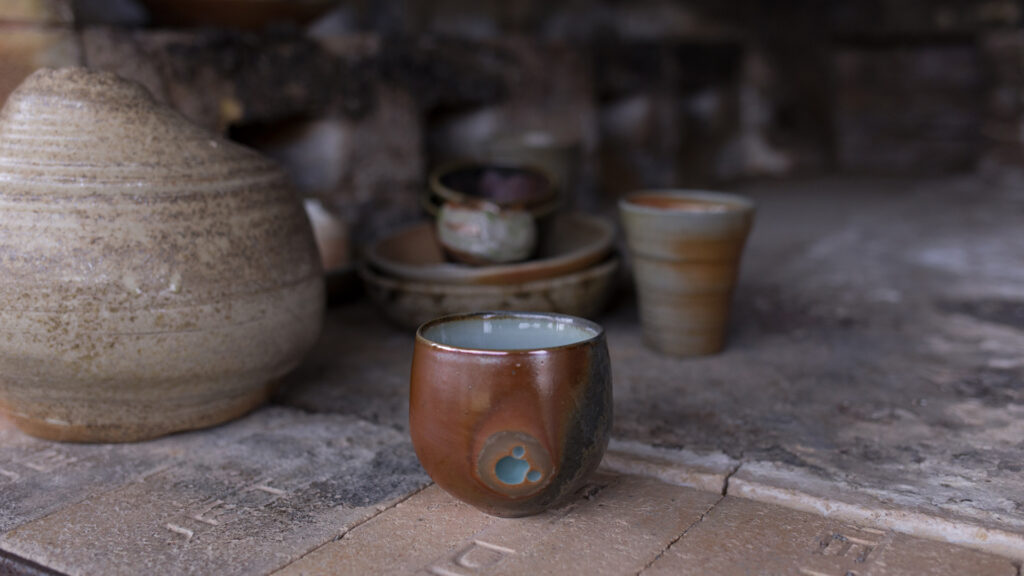
Salem ARt Works pieces from the ceramic kiln
From the Ceramic Kiln | Photo: Corey Aldrich

Can you tell us more about the mission and varied programming that you oversee?

The SAW mission is to provide a unique alternative arts learning and experimental environment for young, emerging, and established artists. In addition to a variety of artist residencies, SAW prides itself in its youth programming and workshop offerings. For example, In 2021 ‘Salem Teen Arts‘ taught 31 teens valuable art skills such as glass blowing, watercolor painting, acrylic painting, welding, pottery throwing, and welding.

Starting this year, we are offering a ‘Family Friendly Residency‘ which will allow families of teen artists to stay on campus and take advantage of workshop offerings. For the summer of 2022, we have families joining us from as far away as Washington state and Florida.

Over the past few seasons we have seen a dramatic increase in our workshop offerings. Our capital improvements have allowed us to winterize most of our shops, thus expanding our workshop schedules in a variety of disciplines including:

Blacksmithing, Welding, Making Natural Paints and Pigments, Painting, Retaining Wall Restoration, Woodturning and Stone carving

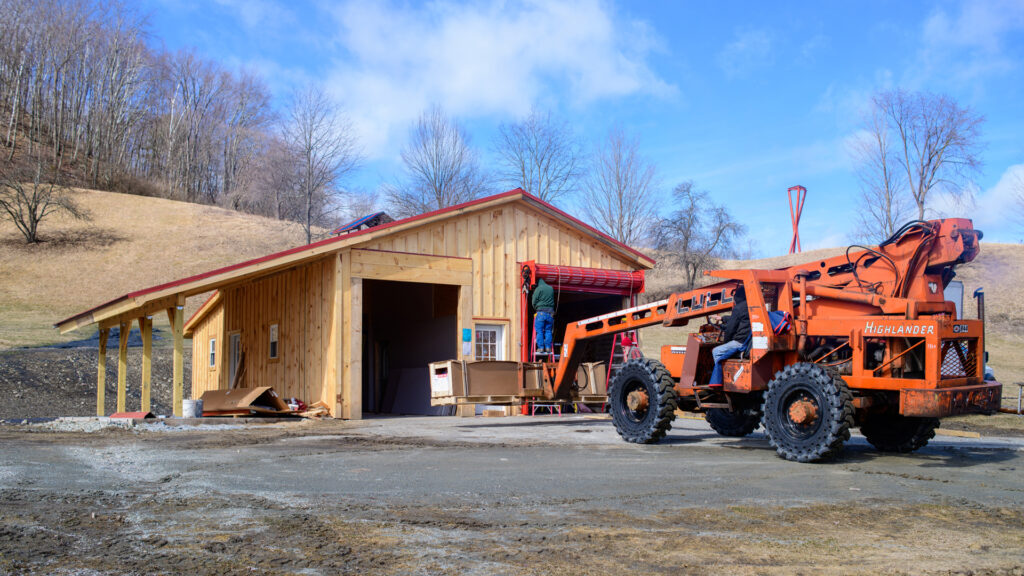
Barn Construction Shot
Barn Facility Upgrade | Photo: Michael Hatzel

How has COVID affected your programming and facilities over the last couple of years?

COVID imposed a variety of challenges on our operation, the result was an opportunity for re-examination of our procedures and processes. In March 2020, we temporarily postponed our the public programming scheduled for the 2020 season. Having this imposed breather allowed us to refine our administrative procedures, policies and programs. Additionally, we used this time to make several improvements to our facilities.

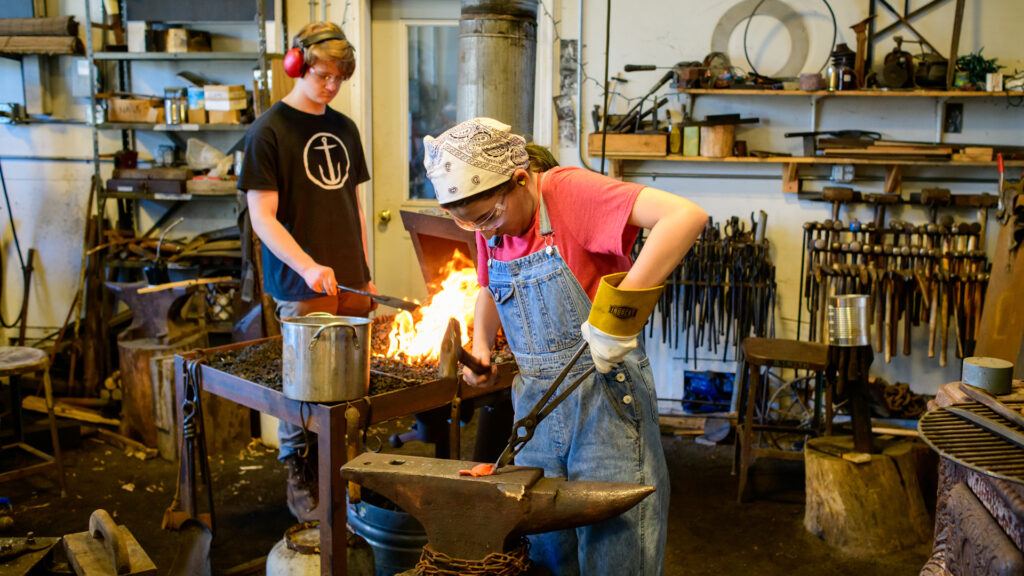
Image of teen boy and girl working in a blacksmithing shop.
Salem Teen Arts – Blacksmithing | Photo: Michael Hatzel
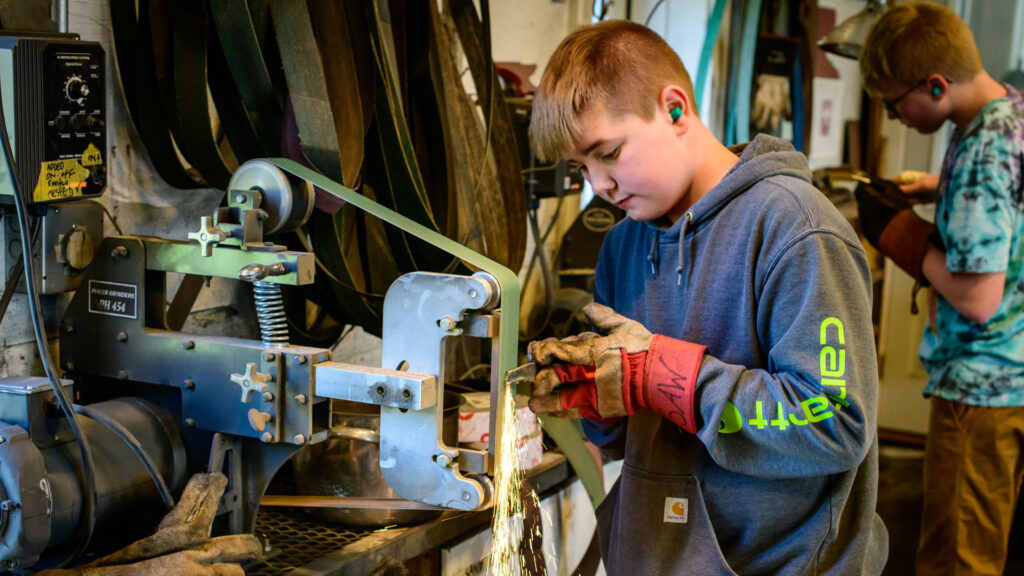
Young Student Grinding a Piece of Metal
Salem Teen Arts – Metal Shop | Photo: Michael Hatzel

It seems like SAW is an important part of the greater community at large in Salem and the immediate area. Can you talk a bit about your outside collaborations and partnerships?

I am actively seeking opportunities for our artists in residence as well as for local artists. Currently SAW has partnered with North Main Street Gallery, Railroad Station Gallery, North Bennington Outdoor Sculpture Park, HN Williams, Lower Adirondack Regional Arts Council, Kingsborough Community College, Southern Vermont Art Center, Elizabeth de C. Wilson Museum, Salem Historic Community Center, The Art Center of the Capital Region, Union College, Collar works, and MASS MoCA.

I also serve on the Salem Chamber of Commerce, our 4th of July Parade Committee, and have begun working with Jackos (A downtown Salem Restaurant/Gathering Space) to provide public programming which will begin this summer.

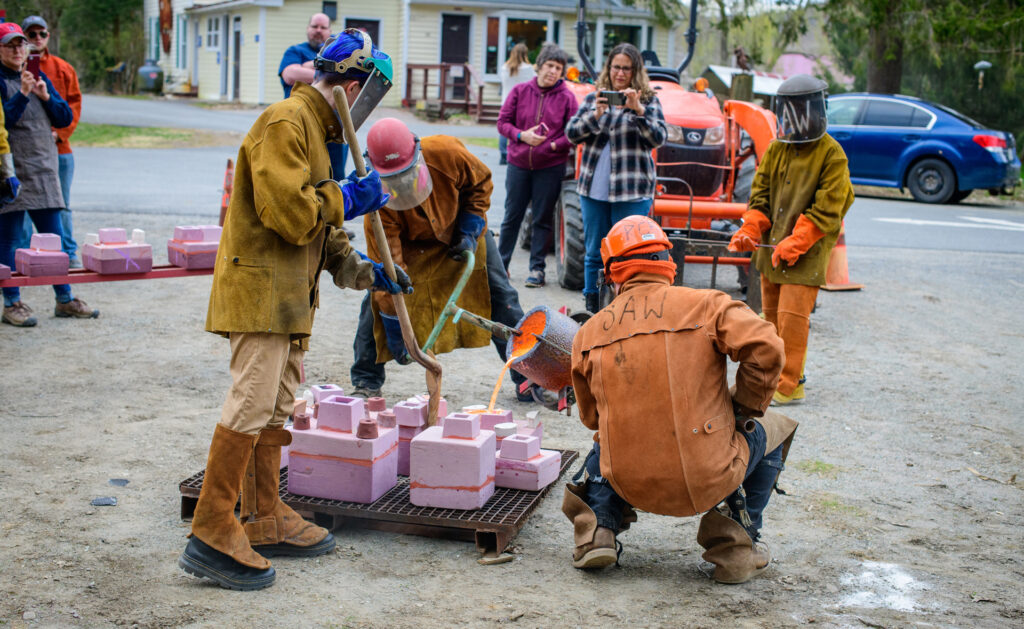
Students pouring molten iron into molds
Iron Pour with Hartwick College Students | Photo: Michael Hatzel
Student making an iron pour mold design
Mold Making for an Iron Pour | Photo: Michael Hatzel

Anything coming up that you are especially excited about that you would like to share?

Now in it’s 2nd year, the ‘NY/VT Regional Artist Residency‘ will host 10 artists who live and work in one of the two states and that have an income of $50,000 or less. This takes place from June 20th to July 5th. Artists will live and work at SAW for two weeks with a $500 unrestricted honorarium. Our goal with this residency is for the artists to see themselves as part of our region while generating new opportunities and growth.

Artwork created during the residency will be on view during a closing Artist Reception Friday, July 1st from 5-7 PM.

This is the 11th season of ‘salem2salem’, an international multi-disciplinary exchange between SAW and the Bodenseekreis (Cultural Department of Lake Constance in Salem Germany) which brings together 20 artists from August 8th to August 29th. The group will include 4 artists from Australia, 1 artist from Romania, 10 artists from Germany, and 5 artists from the USA. An open studio event with work created during the residency on Friday, August 19th from 5-7 PM will include live music, readings and fine art.

To join the mailing list, register for a program / class or to see the full program/workshop/event calendar drop by the website.


WEB: salemartworks.com | IG / FB: @salemartworks

Cutting to the Hilt – The Craft of Blademaker Jordan LaMothe

December 5, 2021 By Corey Aldrich

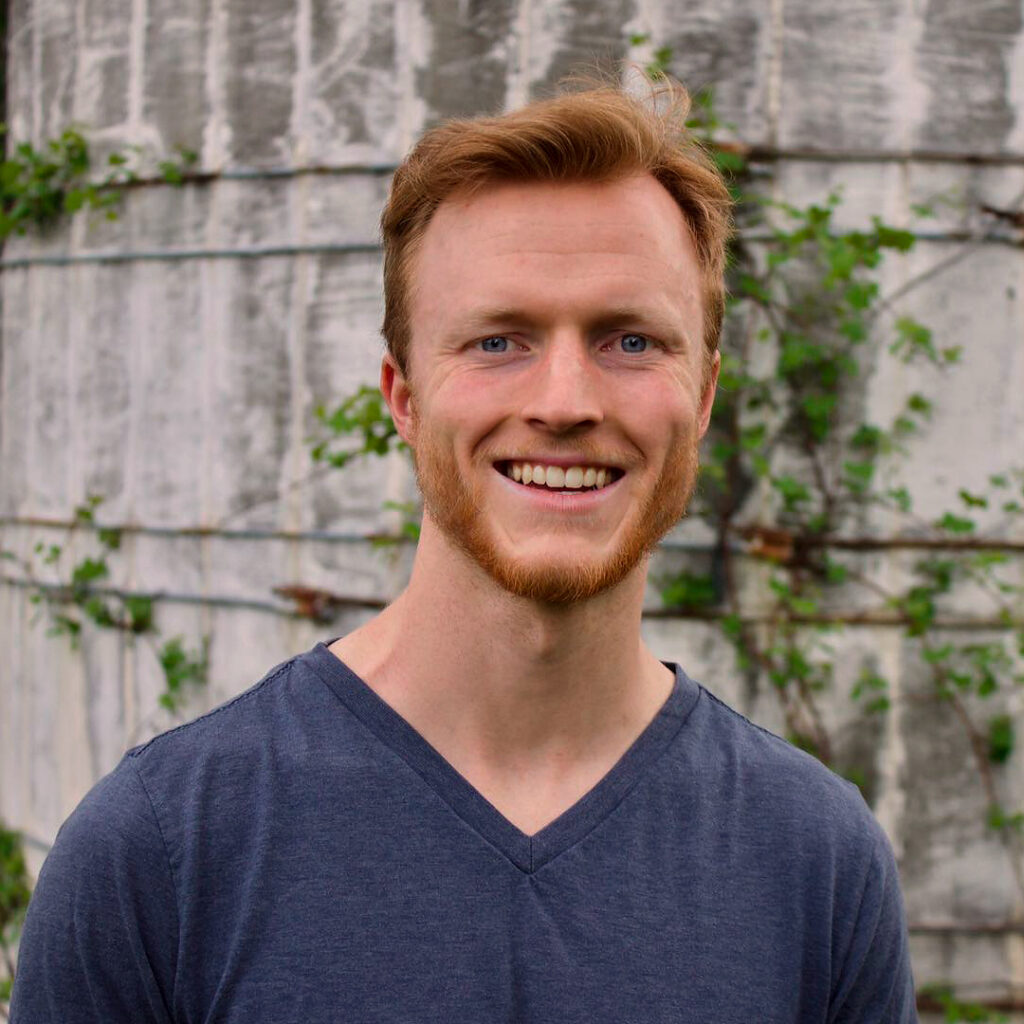
As sometimes happens, mid-summer I found myself in the middle of Averil Park, NY, sitting outside a yurt in front of a large, pallet-fueled fire pit with my good friends Chris and Josh. We were enjoying a little Japanese whiskey when someone I had not met before rolled up to the group. A quiet and contemplative man who when opened up, revealed a whole new world of artisan craft to me. Meet Jordan LaMothe, an artisan blade maker.

Jordan LaMothe

Please introduce yourself and tell us a little bit about your creative life and craft?

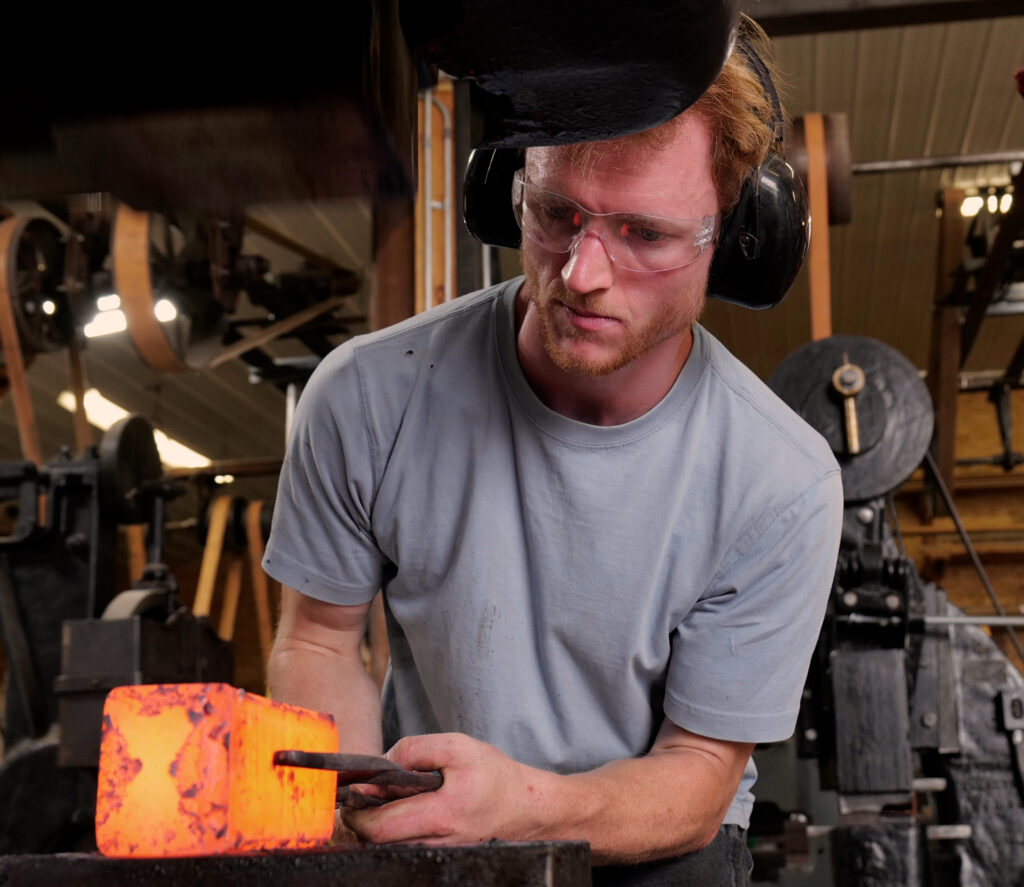
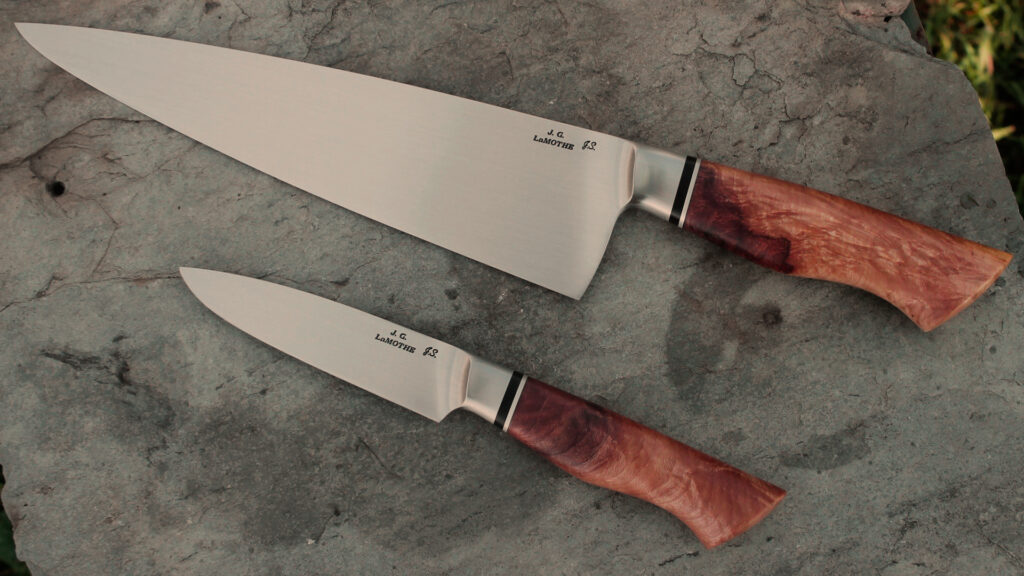
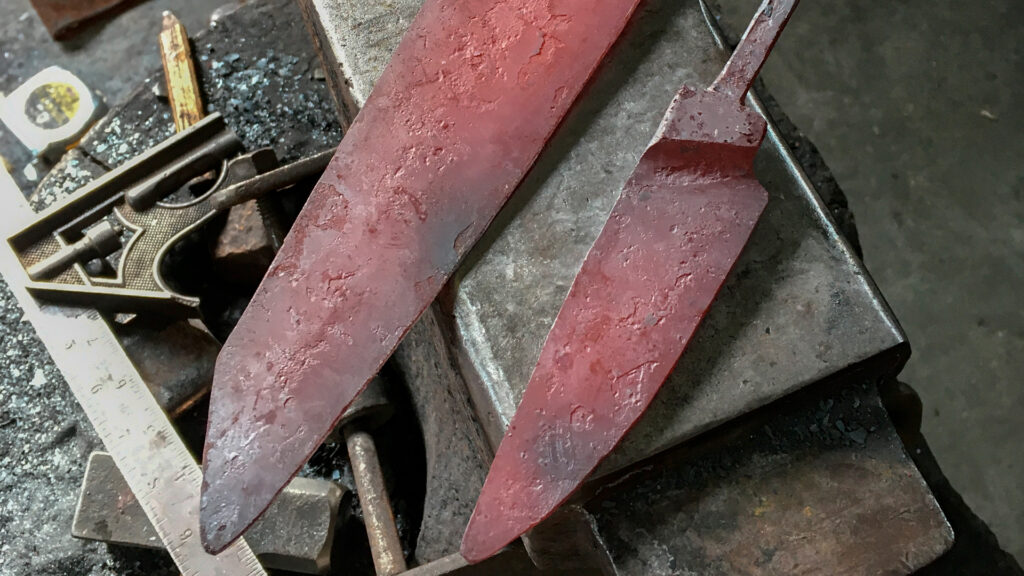
I am a blacksmith and knife-maker based in Hebron, NY, and I make all manner of blades from chef knives to swords. My work is a continual balancing of form and function; to make pieces that are both highly effective cutting tools and elegant, visually pleasing objects. When I make a knife, I start with raw bars of steel from the mill, forge weld different alloys to create an intricate pattern, and shape the blade with hammer and anvil. I then transform that forged blank into a cutting tool: hardening and tempering the steel, and grinding and sanding the blade to refine the shape and edge geometry. I then fit a handle to the blade, carefully selecting the material and sculpting it for the desired visual and ergonomic effect.

Hot blades

How did you get interested in knife making? What special education / skill did you need to acquire?

I began blacksmithing at the age of fourteen in order to make tools and hardware for use on the family farm. In two years, I made my first knife. I was captivated by the variety of creative processes involved: forging, grinding, machining, woodwork, leatherwork. So, I joined the American Bladesmith Society and dove into the craft, reading books and online forum posts, experimenting in my own shop. Then I started bringing my knives to accomplished bladesmiths for their critique.

Custom scultpted blade

I imagine you are doing custom work for a lot of folks in the food industry. Has the pandemic had an effect on your business?

I am fortunate that the pandemic has not affected my knife sales in any noticeable way. Many of my culinary knife clients are avid home chefs, and that market has done quite well with so many folks working from home. However, several of the classes I was scheduled to teach in 2020 and 2021 were cancelled due to the pandemic.

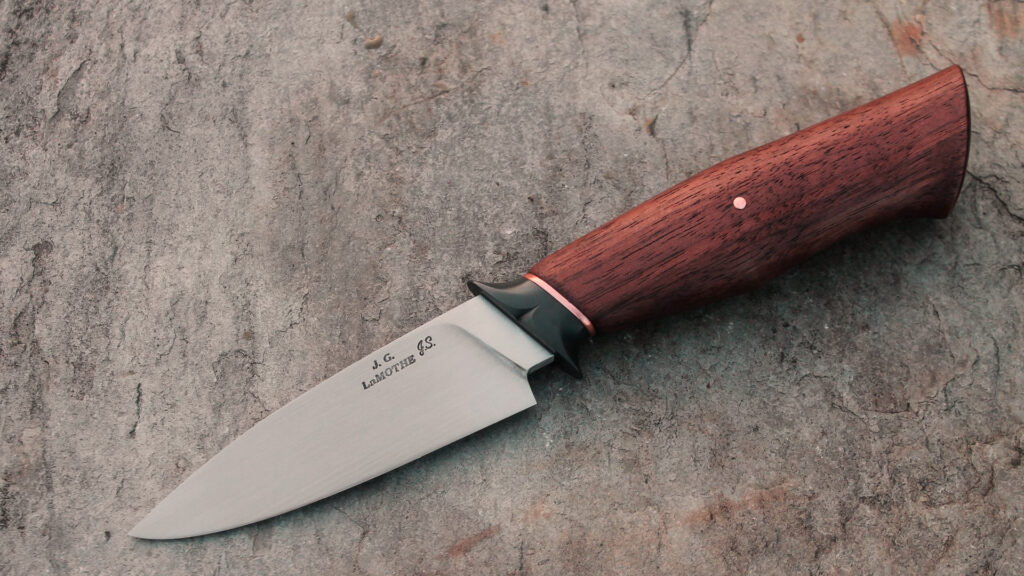
Custom blade

With the proliferation of mass production in your industry, how do you differentiate yourself?

People buy my work because it has a story, because they like the aesthetics of my work, and because they trust me to create tools that will perform well and last a long time. A mass-produced knife is a completely different product and a different marke. There are some terrific mass-produced knives, but generally people are looking for something “good enough” for their particular needs. When you purchase a knife from me, you receive a piece that is truly unique and personal—something no one else in the world has.

Two blades

What are your long term goals with your craft? What would you like to accomplish?

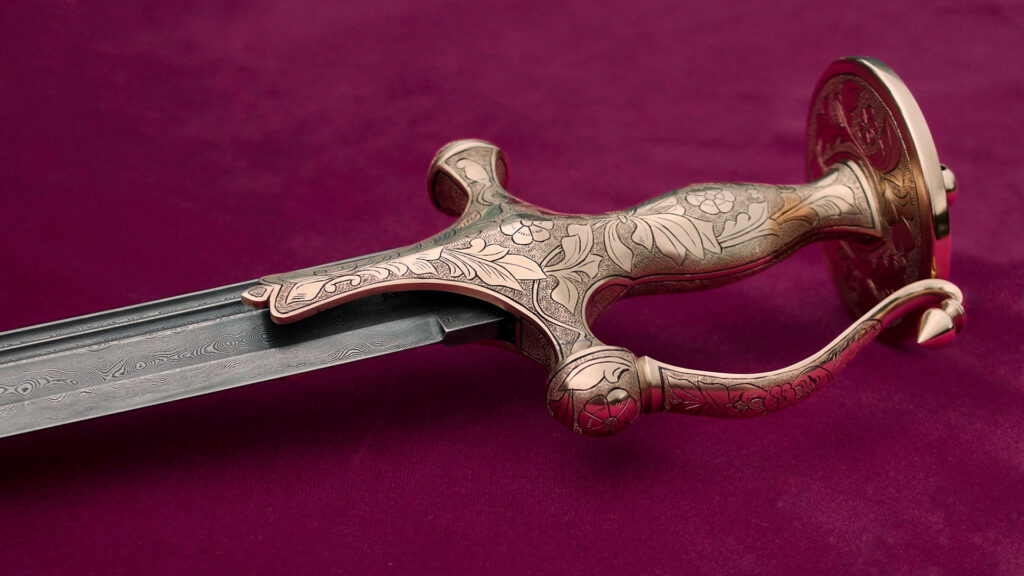
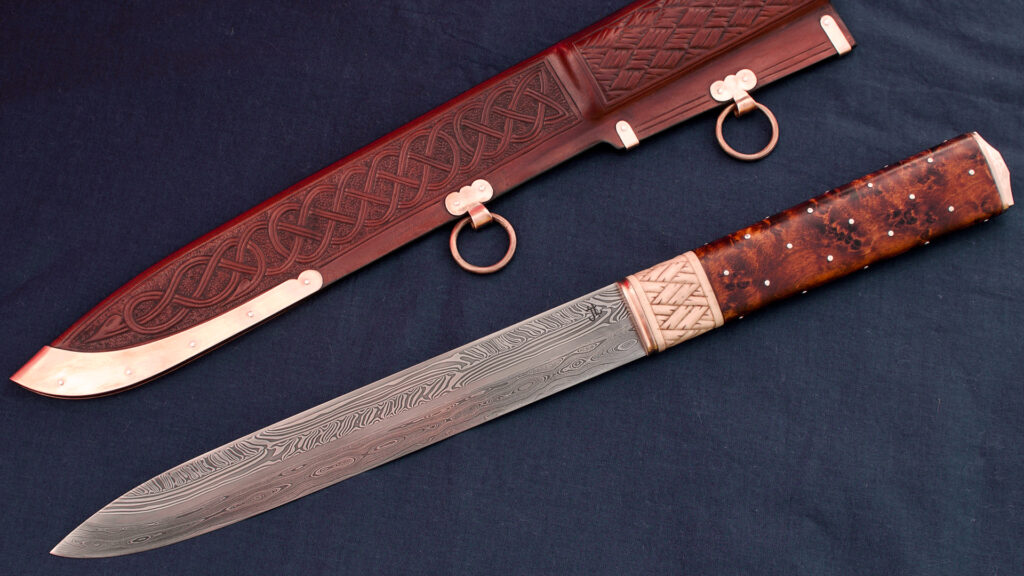
My current goal in my craft is to broaden the variety of techniques that I can apply to my pieces. I am interested in doing more work with precious metals as well as inlay and engraving. I also want to do more research and documentation of historical swords and daggers in order to make pieces that remain faithful to the long traditions from which they descend.

sword

Any thing you would like us to know about specifically? Any upcoming classes or exhibitions?

In 2022, I am going to be traveling to Rajasthan, India, on a Fulbright grant in order to study koftgari: a technique for applying gold and silver onto iron that has been used for hundreds of years to embellish sword and dagger hilts. I will resume teaching classes and attending shows once I return in 2023.

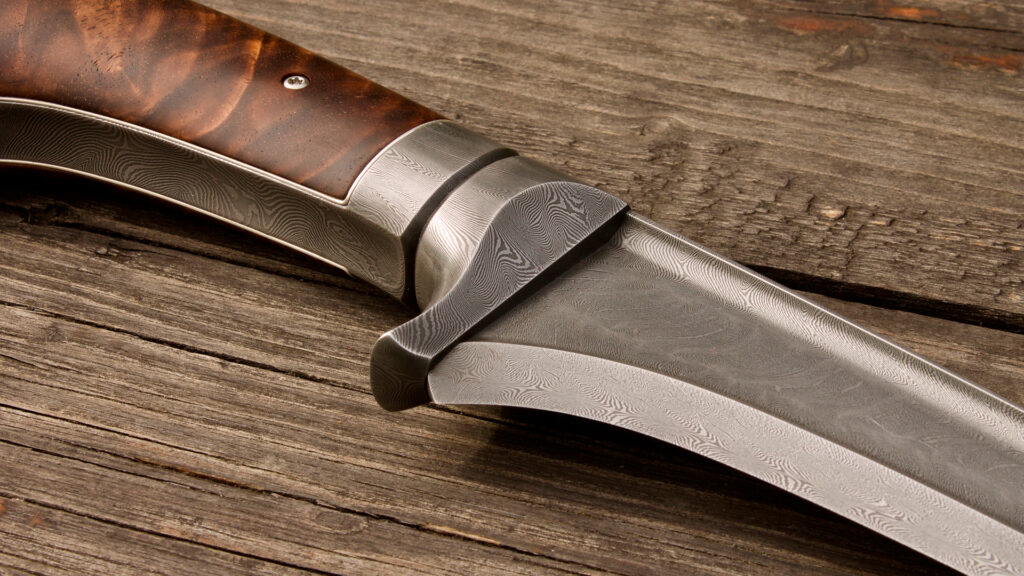
Damascus blade


EDITORS NOTE: For more information or to contact Jordan directly about commission work or classes hit him up on these website or social media platforms:
Web: www.jordanlamothe.com
IG: @jordanlamotheblades

Saratoga’s Beekman Street Arts District – It’s a Vibe

October 18, 2021 By Cassie Fiorenza

When you think of Saratoga Springs, you probably picture horses and the bustling Broadway. You’re not wrong, but there is so much more to this adorable “city in the country.” One such place is the Beekman Street Arts District. Boasting some of the best restaurants and coolest shops in Saratoga, Beekman is still a bit off the beaten path. Just a few blocks from Broadway, you’ll find a different vibe; unpretentious, artsy, creative, and a little weird – but in the best way.

The Arts District sits in Saratoga’s historic West Side (west of Broadway). This area was home to the Irish and Italian immigrants who worked on the Railroad (in fact, there’s a sign declaring this area “Dublin”), and African Americans when there weren’t many other places for them to go. Ask any Westsider and they’ll have memories of legendary pizzas and even some unsavory activities. About 20 years ago, however, this area was full of artists looking for a community, and they built one. If you’re looking for something different and authentic, come to Beekman. Here are just some of the highlights:

Collective 131

Collective 131, 74 Beekman Street

I started Collective 131 online in my Hoboken apartment (131 was my address) to feature women artists. When I moved back Upstate, I opened my first brick-and-mortar. I saw an ad for 74 Beekman and instantly felt like this was the right spot. The airy, light space was totally my vibe and I loved the authentic feel of Beekman Street. Here, you can find local and regional artists in a range of media and subjects — but all affordable. Our price range is around $20 to $300.  It’s also important to me to showcase women and minority makers. Aside from art, I LOVE fun stationery and thoughtful gifts, like our Schitt’s Creek birthday cards and ceramic ring dishes and tote bags.

Grateful Threads

Grateful Threads, 30 Beekman Street

The new kids on the block, Grateful Threads owners Noah and Hunter have a ridiculous inventory of vintage tees, jerseys, and hats. They have a huge online following, and people are flocking to their new brick-and-mortar for these awesome finds. They definitely bring a fun vibe to Beekman with their ever changing cardboard cut-outs out front like Shaq and Dale Earnhardt. Hunter loved the Beekman Street Art Fair in June, and hopes we can host more events like that during the year. 

The Vintage Shop

“Beekman is where the one-of-a-kind speciality shops are. It made more sense for me to be here than on Broadway.” Walking through Denise’s The Vintage Shop at 65 Beekman Street is like walking through time. Here you’ll find a trove of vintage designer clothes, accessories, and even a few oddities. Her forte is sourcing quality, maintained pieces, and she’s a perfectionist when it comes to cleaning. Think vintage Versace jeans, Ferragamo shoes, Pendleton sweaters, and so much more.

Little Darling Studios

Nicole Darling of Little Darling Studio

Nicole Darling is the tattoo artist behind Little Darling Studios. She opened her own studio and chose artsy Beekman Street for her location. “I absolutely love Beekman. Not only am I the owner of Little Darling Studios, I am a very unique tattoo artist and a wedding photographer,” says Nicole, so she fits in perfectly in the Arts District. Follow her Instagram to see her in action and her amazing creations. She also sells her own branded candles! 
Living Resources Arts 70 Beekman Gallery

Marcus Anderson, Living Resources Arts

This studio and gallery serves the community in so many ways. Part of the larger Living Resources organization, Marcus Anderson and his staff provides fine art instruction to students with disabilities. The artwork created is also on display at all times in the gallery. “It’s great to have a community art space for them to exhibit and work side by side with emerging and established artists from the community. The Arts District is important because we make one another stronger through teamwork,” says Marcus.
Eden Compton 

Eden Compton, courtesy Saratoga.com

A leading fixture of the arts district, Eden Compton has had her gallery and studio on Beekman Street for several years. Her first studio was at 74 Beekman (where Collective is now!), and she’s now at 73 – a lovely yellow building with an inviting porch. Her specialties are cityscapes, landscapes, and portraits, and Eden displays her own work for sale inside along with the art of other local and regional artists. She is also a skilled teacher, offering painting classes and workshops to art lovers of all ages and abilities. She can’t wait to regularly have shows and openings like in the good old days (pre-COVID).

“I love Beekman Street because of the warmth of the community. It feels like a neighborhood and is a lovely respite from the hustle and bustle of Broadway.”

Textile Studio

Beekman pioneers Frittelli & Lockwood

Cecilia Frittelli and Richard Lockwood are master textile artists. I could spend hours watching the duo weave on their traditional looms in this adorable studio on the corner of Beekman and Grand. They are some of the original pioneers of the Arts District, opening their studio in the early 2000s in this historic 1850 building on the West Side. Frittelli and Lockwood textiles are found all over the country at galleries and craft shops, including Saratoga’s own TOGA HERITAGE. They also sell apparel and accessories out of their studio and online. “After many years behind closed doors as a production studio, we welcomed being part of an arts community,” Cecilia said.

Kraverie

Korean BBQ and crepes might sound like an odd pair, but trust me, it works. Michael Gasser is the owner and he and his family have a long West Side history. “Come to Beekman and hit the Kraverie trifecta: Korean BBQ, craft beer, and live music,” says Michael. My personal favorites are the sweet and spicy gochujang chicken wings and the kimchi fried rice. And of course, finish your night with a delicious crepe.

The Local Pub and Teahouse

The Local, 142 Grand Street

It’s an Irish tradition to call the neighborhood pub “the local,” so this bar and restaurant fits perfectly in this historic “Dublin” area. “We pride ourselves on our draft diversity and quality,” say The Local Pub and Teahouse owners Jonathan Haynes and Michael Phinney. With its mix of traditional pub fare and a rotating tap, you’ll find a comfy place to sit with family, friends, and your loyal pup. A customer favorite is the classic Fish ‘n Chips. 

Principessa Elena Society and the Frederick Allen Lodge

The area’s history is preserved by the Principessa Elena Society and the Frederick Allen Lodge. Nicknamed the “Black Elks Club,” the Frederick Allen Lodge #609 is the local chapter of the Improved Benevolent and Protective Order of Elks of the World. The Lodge remains open for events, workshops, and other charitable initiatives. The Principessa Elena Society was founded in 1900 by Italian-American men to assist the Italian immigrants that came to Saratoga. Today, they support the community with charity and scholarships, and host Italian Friday Dinners. 

ABOUT ME

Cassie Fiorenza is the owner of Collective 131 on Beekman. Originally from Loudonville, Cassie and her husband moved upstate in 2020 and settled in Saratoga Springs.

  • « Go to Previous Page
  • Page 1
  • Interim pages omitted …
  • Page 6
  • Page 7
  • Page 8
  • Page 9
  • Page 10
  • Interim pages omitted …
  • Page 12
  • Go to Next Page »

Creative Economy Updates and Other Good Stuff!

STAY CONNECTED!

  • Facebook
  • Instagram
  • Twitter
Copyright © 2020 THE UPSTATE ALLIANCE FOR THE CREATIVE ECONOMY

info@upstatecreative.org | 41 State Street, Albany, NY 12207

Design by Reach Creative