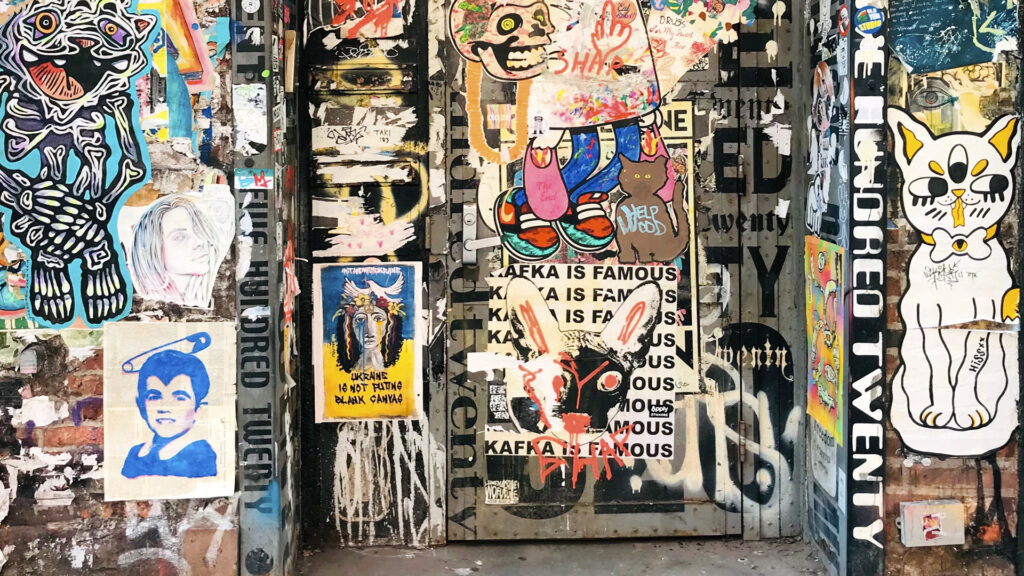
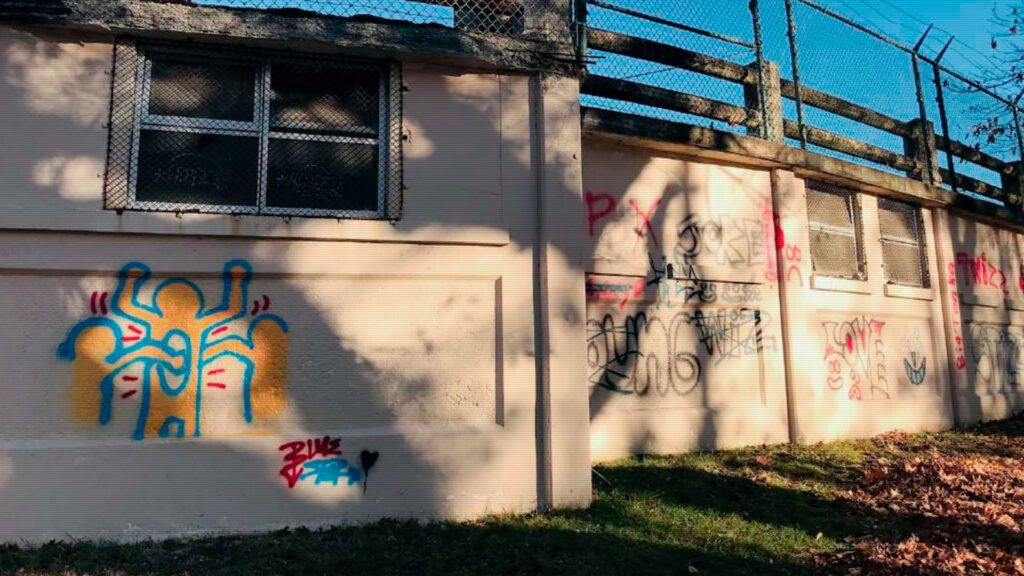
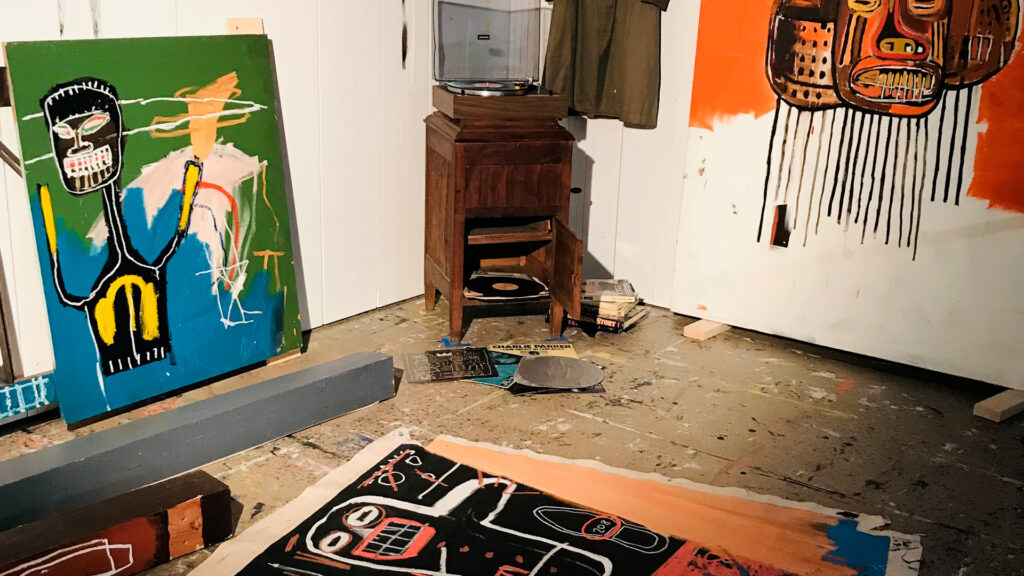
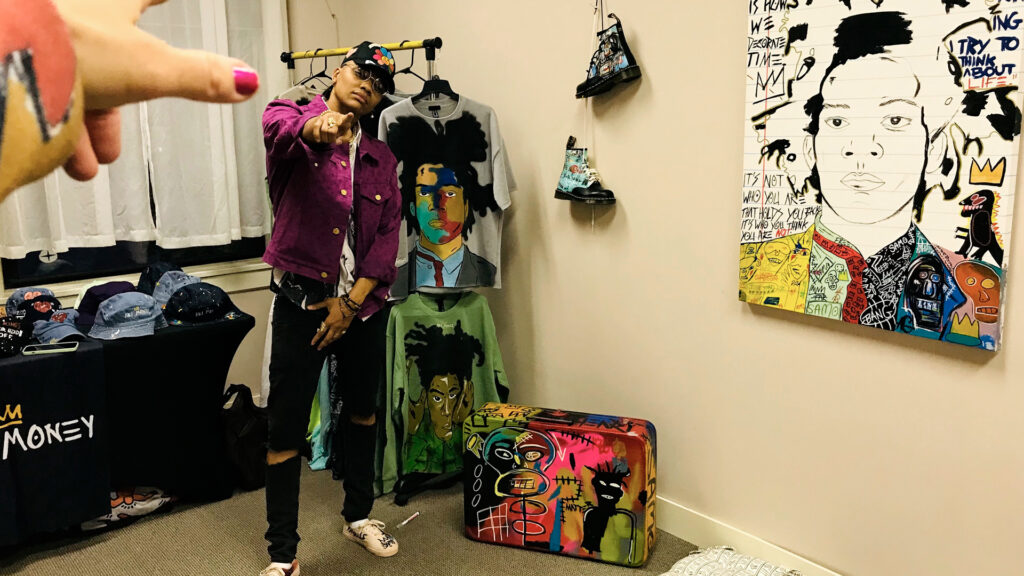
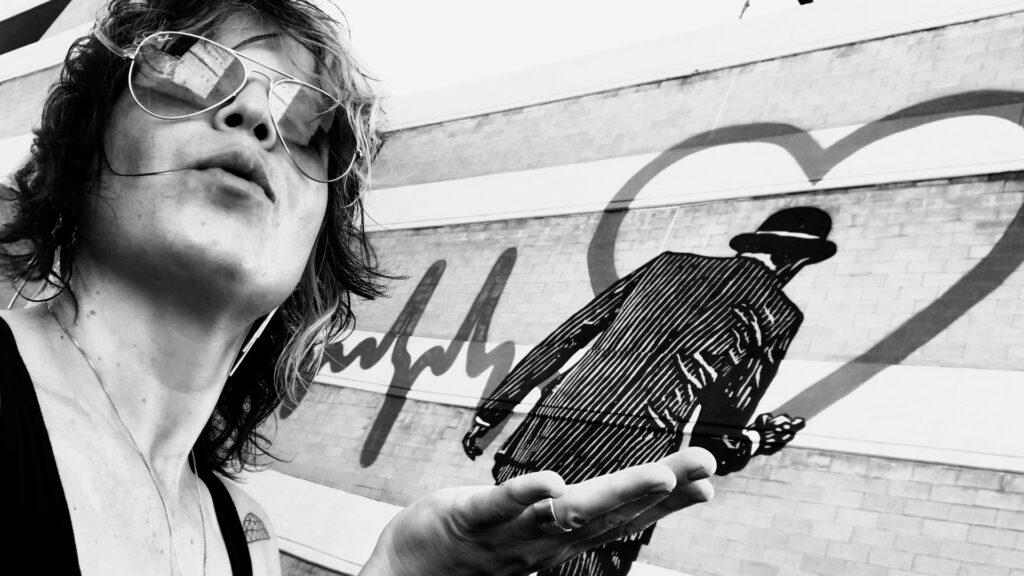
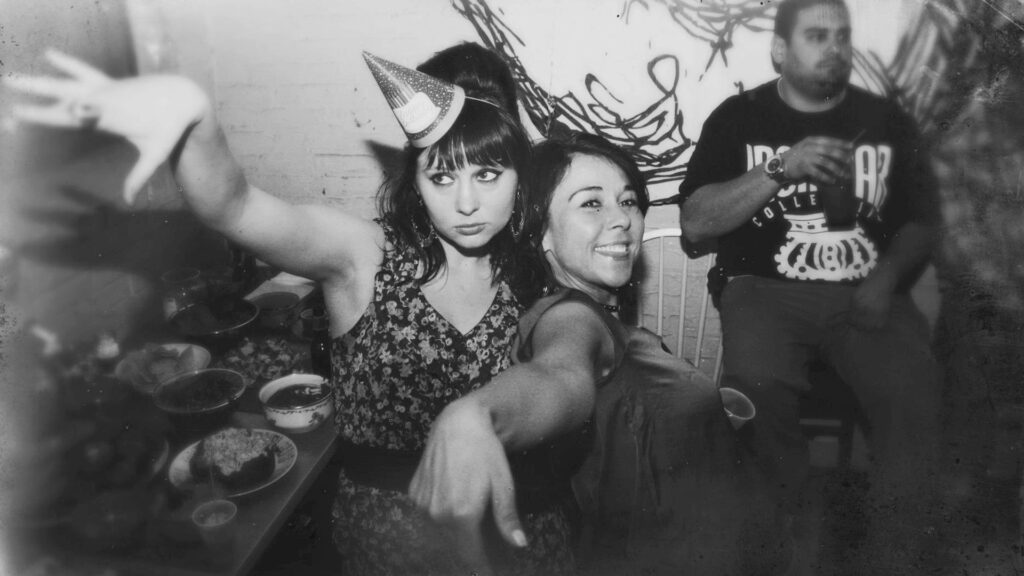
I found myself on the streets of Albany, literally. After going through some intense personal life changing events, I was struggling to craft a new identity. One that was less corporate, less structured. More creative, rebellious. I was attracted to Arts and Culture and had begun volunteering my time consulting for the Albany Center Gallery and soon joined the Ellen Sinopoli Dance Company board. At around this time (circa 2010), I discovered 1st Night in Albany or ART NIGHT as I used to think of it. My life would never be the same. The scene…it was decadent, divine. So creative, smart and unexpected. The who’s who of the regional arts and culture scene where there, on the streets. Hundreds even thousands converging on Albany – for Arts Sake. You could find excellent family friendly events early at places like the Albany Institute of History and Art, Grand Street Community Arts or ACG. Then as the night got later, renegade pop up events got hotter in vacant buildings like St. Joseph’s Church, 259 Lark Street, 4 Central Ave or at the Upstate Artist Guild. Finally, the grand finale for me was always at Samson Contompasis’ Marketplace Gallery in the East Greenbush Tape and Label Factory (40B!) where you could dance till dawn with the DJ’s, street artists, fashion junkies, art freaks and hangers on that I aspired to become more like.
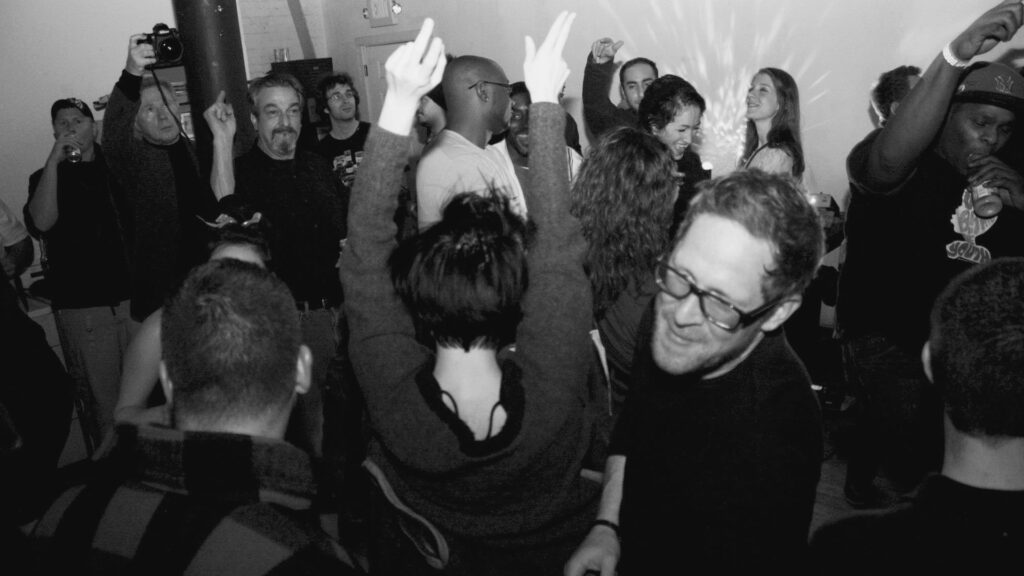
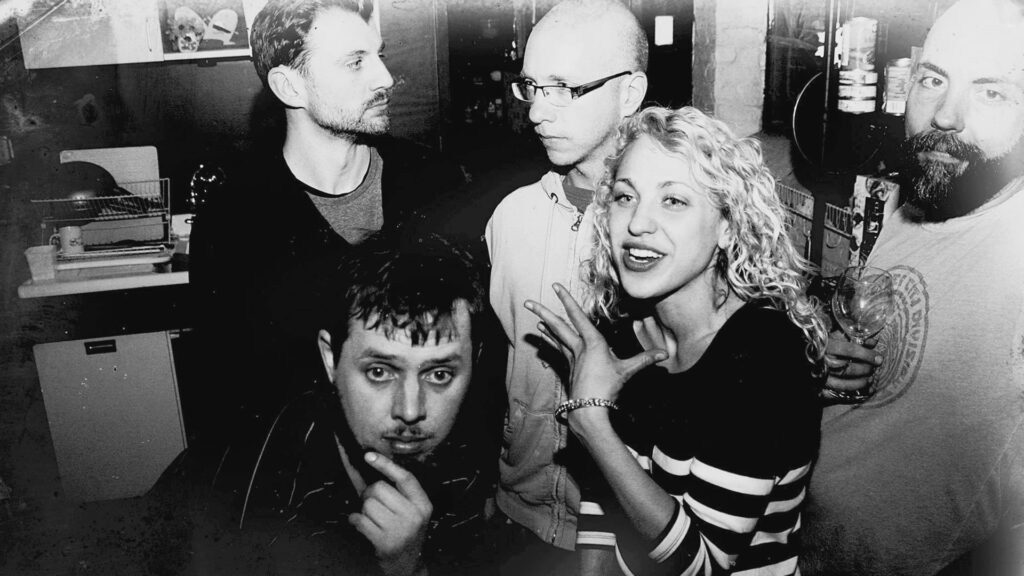
Forefront – Corey Aldrich next to Robbie | Photo: Robin Alexandria Kettner-Zebrowski
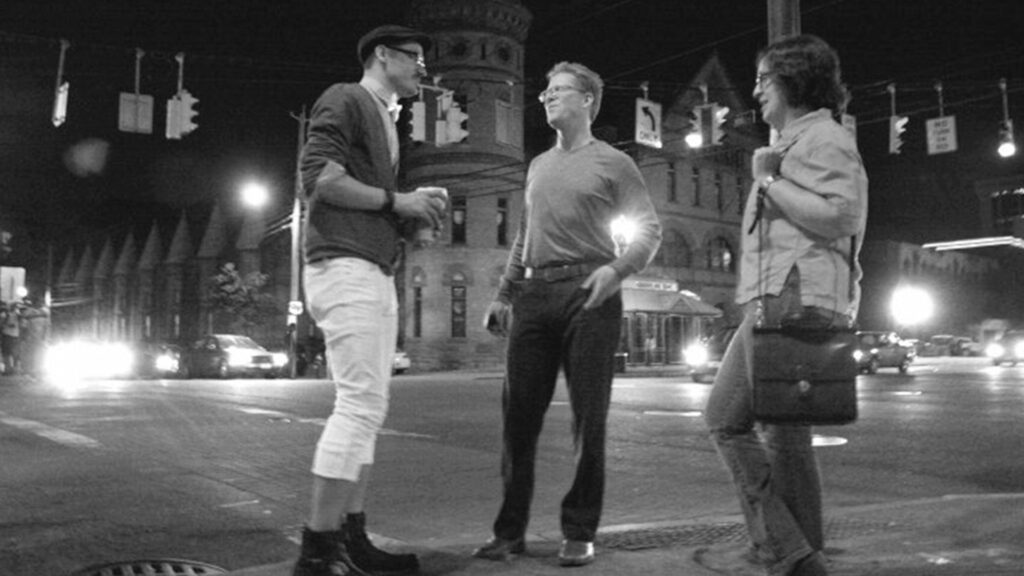
Photo: Robin Alexandria Kettner-Zebrowski
“First Friday was such a wonderful community event. Going out, connecting with friends, meeting new people. Wandering from place to place, never quite knowing what you might encounter. I hope to see it come back!” Jo Agropovich (Artist and Bass Player with Va Va Voodoos / Retrobilleze)
A few years in, the scene cooled down. It felt diluted. My friends and I slowly stopped considering it a must go on the calendar, scattering to the wind or for me…the Troy scene. Now, post COVID a group wants to bring that creative energy back to Albany, to reclaim the crown…the question is, can it be done?

Photos: Ken Jacobie
To understand the genesis of the movement, I went back and talked to some of the folks who were there at the beginning. As frequently is the case, there are slight variations on the ‘AHA!’ moment and not to mention some key voices missing. That said, I decided to reprint the words of some those who were there verbatim. This is by no means a complete history. Also, there are lots of overlaps and differences that seem to me to be the telling from different perspectives. Remember, the best scenes are not planned, they may have a little structure in the beginning but usually they are based on creative alliances that overlap and importantly in the words of Tommy Watkins “…collaborations of friends, forming new relationships, coming together from the heart with love. People who are obsessed with doing the thing.” From what I can tell, the spark of the idea was born from a show called the MANSION SHOW and its timing in conjunction with a variety of other events hitting critical mass over the following year. This group show was organized by Tommy Watkins circa 2005. It’s also clear to me that Chip Faschiana (Artist) was at all the action points mentioned by founding participants.
“The love of art was the common ground in which we all started. But as time went by we saw an even greater value that came out of creating these events. We saw how bringing every one together on the first Friday became uniquely special. It got people talking, got people sharing. It created a family, a community, a place where everyone was accepted and appreciated no matter who they were or where they came from.” Tommy Watkins (Artist / Founding Member of Upstate Artist Guild)
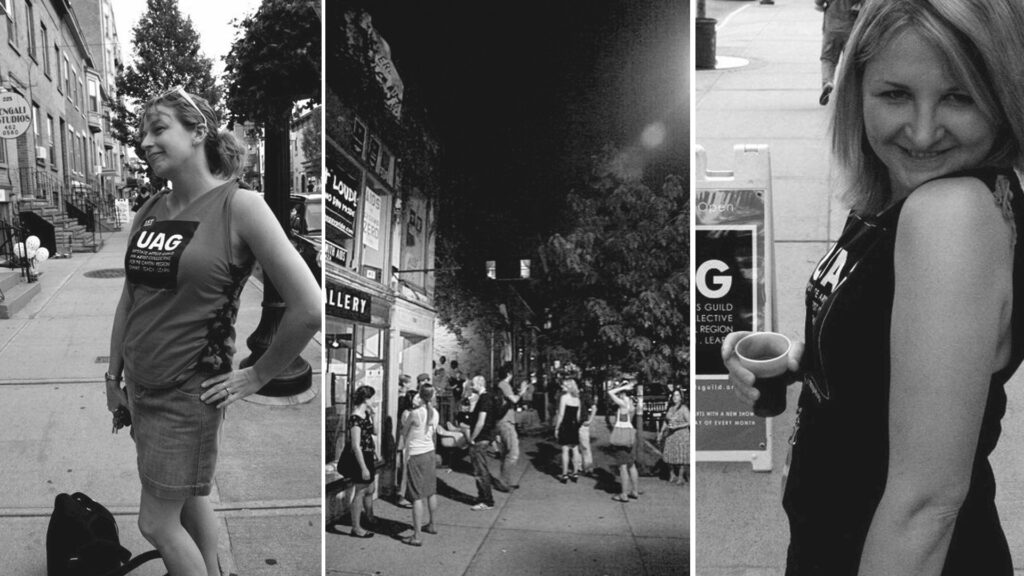
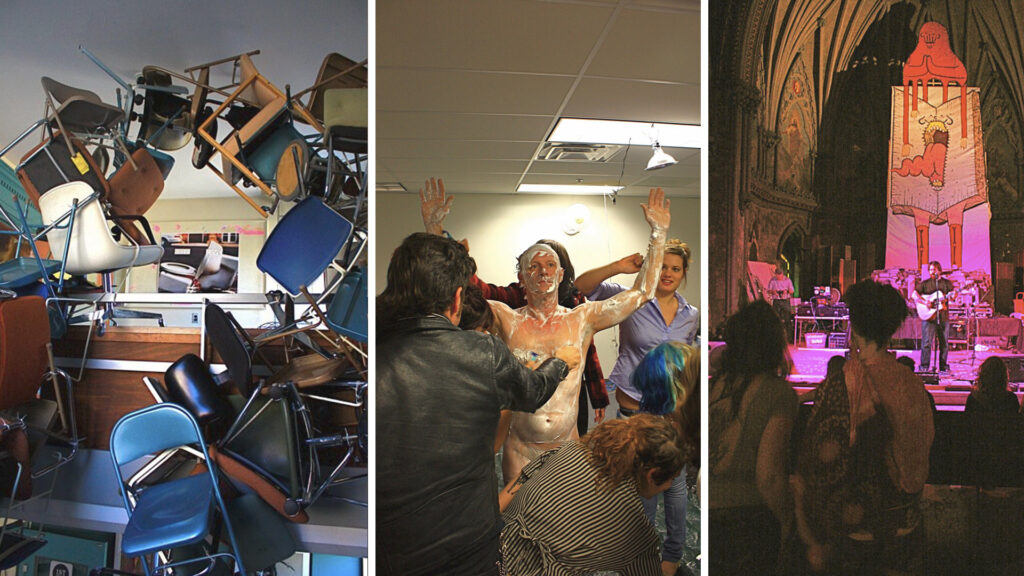
Photo Left / Right: Robin Alexandria Kettner-Zebrowski | Center: Ken Jacobie
“Born out of the successful one-night shows of Chip Faschiana and Tommy Watkins, I, as a board member of Upstate Artist Guild and the new Director of the Romaine Brooks Gallery at the Pride Center, decided to align RBG’s shows to UAG’s. I then approached Elizabeth Dubben who had just opened Ambrose + Sable Gallery to see if she wanted to also align her schedule to the first Friday and she agreed. So on Friday September 1, 2006, with 3 galleries in Center Square, 1st Friday Albany was born. A few months later, Sarah Martinez at Albany Center Gallery got on board and we started to grow. I engaged the businesses on Lark and Downtown to show art, to get on the map. We got funding to rent the trolley to do loops between Lark and Downtown. Eventually we added the Opalka Gallery, St Rose, and the University at Albany, which facilitated getting a 2nd trolley, one for uptown and one for downtown. At its peak, 1st Friday had over 50 participating venues, every major art gallery/museum in Albany, and thousands of people a month. For anniversary months, we’d do a 2 page spread in the centerfold of Metroland.” Michael Weidrich (UAG Board Member | Director at Romaine Brooks Gallery at the Pride Center)
(EDITORS NOTE: Think of those peak metrics. This does NOT even include all the overlapping economy that happened due to the influx of traffic to participating neighborhoods that benefited restaurants, bars, coffee shops etc)
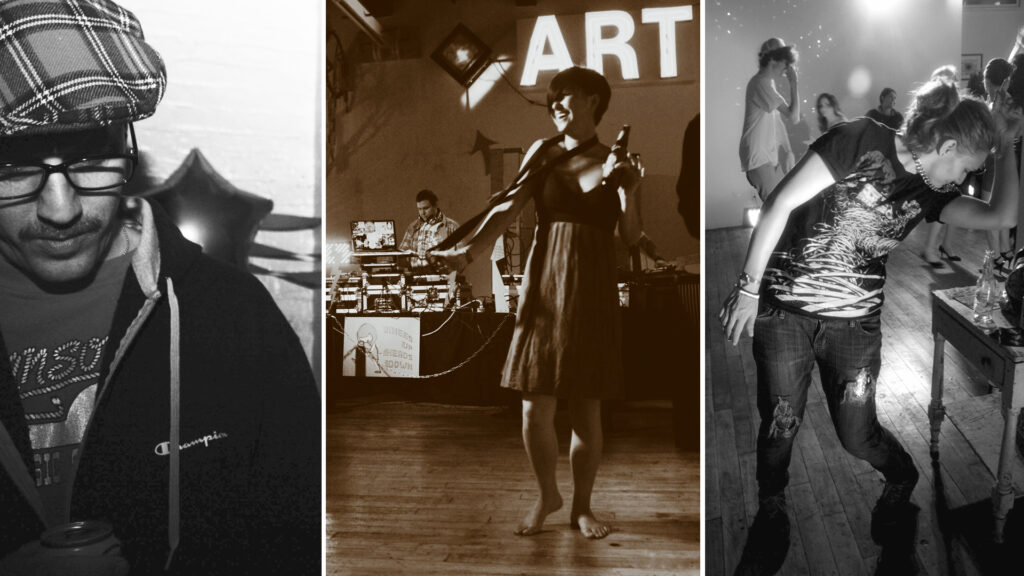
Photo: Robin Alexandria Kettner-Zebrowski
Left: Artist Provided | Right: Kristin Diotte
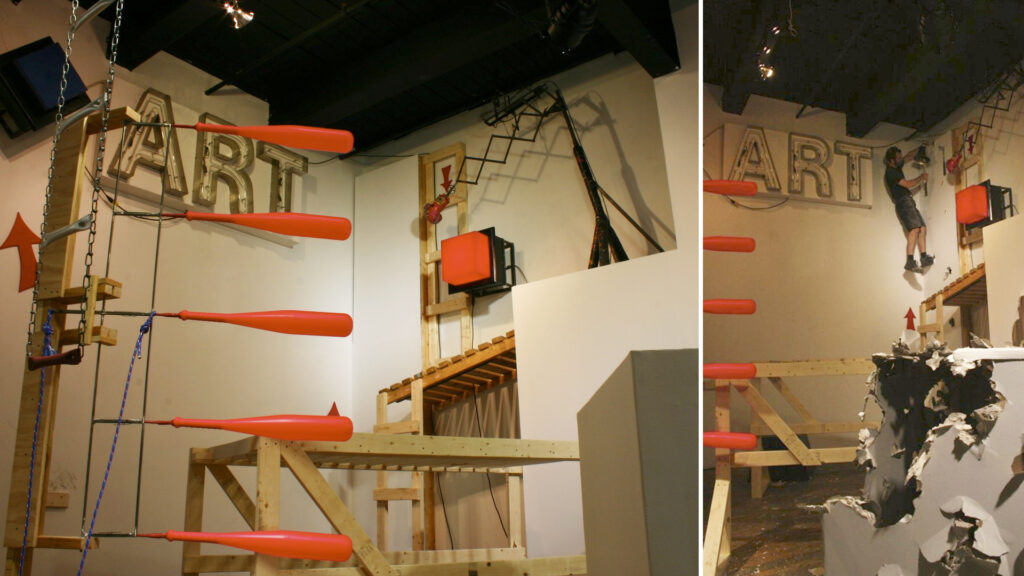
“I remember around 2006-13 there was a really vibrant, thriving Art scene that was taking over abandoned spaces and churches with Pop Up shows…independent galleries that were giving a voice to all kinds of artists…IT was exciting and was really moving the conversation forward for what was possible in this region and beyond…an Art Hub! I was happy to be contributing performance / Installation based works that were pretty outlandish…Art that could have easily been dismissed as too dangerous for insurance purposes or eccentric for public scrutiny…yet I was given the opportunity to inspire and be inspired…and live in this area!” Abe Ferraro (Artist | Sculptor and Performance Artist)


“I have fond memories when 1st Friday was just an idea sparked by a conversation between Jeff Mirel, Founder of Albany Barn, Chip Fasciana, co-producer of Albany Underground Artists, and me. We all had shows and events opening the same night, and we wanted to come together to build a crowd rather than promote our events in silos. We wanted to bring the art scene to bring us together rather than pull us apart. Albany Center Gallery was relocating to downtown Albany from the second floor of the Albany Public Library, and had a vision to bring new life to the legacy institution so I was personally invested in making 1st Friday successful…“
“Thankfully, Michael Weidrich, a board member at Upstate Artists Guild at the time took initiative and joined our conversation. Through Weidrich’s dedication and commitment towards the initiative, and teamwork from a host of organizations such as Grand Street Community Arts, Albany Institute of History & Art, Albany Center Gallery, Upstate Artists Guild and a slew of other groups, the monthly event definitely elevated the art scene in Albany and other galleries gained notoriety like the Marketplace Gallery. One-night shows at St. Joseph’s Church and Grand Street Community Arts drew hundreds of people. I am grateful to have been part of this team effort to build up the arts community and it is remarkable to see Albany thrive and grow and reinvent this event.” Sarah Martinez (Director at Albany Center Gallery)

COVID really put a crimp in the final strands of what was First Night. But, there is now a new initiative to bring it all back. This is being spearheaded by Michelle Toch Dinsmore Partner at Overit Media and Jim Gilbert Owner and Publisher of Nippertown. Overit through participation in the event in the past had seen major traffic generated to support artists they had lined up pre-covid. Michelle indicated that for some shows they would track hundreds of attendees going through the door of their office / venue. Michelle and her team want to build “…upon the foundation of the great First Friday Albany organizers who came before us.” And of course, we all know Jim and his commitment to supporting all things music, art and culture through Nippertown’s online portal. This will be critical for success as in the past the METROLAND played a major part in creating a there there for the event with promotional information, ads and a detailed monthly event map.

Photos: Robin Alexandria Kettner-Zebrowski
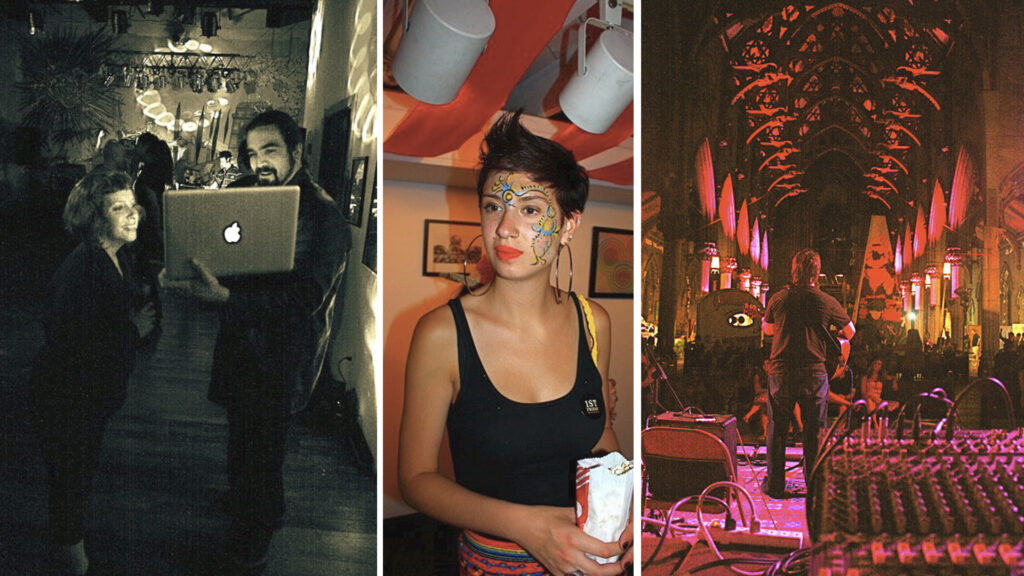
Photo: Ken Jacobie
“This is the start of something big,” said Jim Gilbert of Nippertown, “and we hope it will develop into something huge. We really hope that the city’s talented creatives will see this as an opportunity to highlight what makes artists so imperative to the overall success of a creative economy, and we encourage everyone to get involved.”
To this I would personally add, it’s NOT a Creative Economy without the artists and hope that we can remember to center them firmly in the process. After all…the Creative comes first followed by the Economy. Let’s find ways to sustain and provide resources for our value creators and enable them to help in the development of a truly sustaining and sustainable event to the benefit of the overall community.
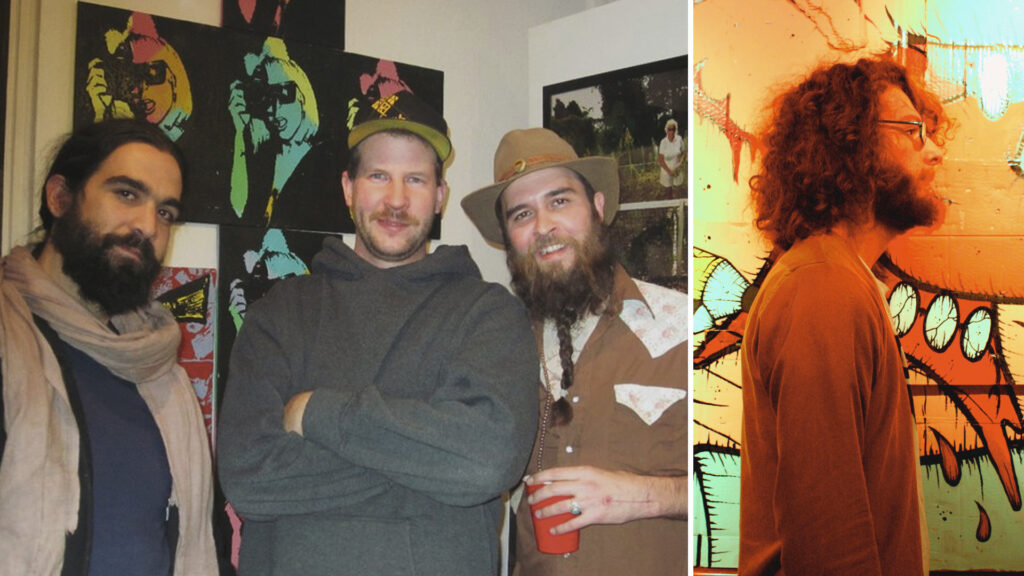
Photo: Ken Jacobie
Conlin’s Sign Studio at the East Greenbush Tape and Label Factory
Photo: Robin Alexandria Kettner-Zebrowski
The initial relaunch event will be held with a kickoff show at Overit Media at 435 New Scotland Avenue, Albany including 5 artists called The Power of Paper. (Mimi Castiglione-Santiago, Ruby Silvious, Abe Ferraro, Ashton Guy and Lindsay McKeough partner up with collaborative partners The Circus Family and Mohawk Paper) on May 5th from 5:00 p.m. to 8:00 p.m. This will also serve as the official kick off to the city’s Tulip Week leading up to the 75th Anniversary of the Tulip Festival. Additional events are listed on the Nippertown Event Page and include the arts locations, shows, and food / beverage promotions.
Want to get involved? To connect with participating locations as an artist you can head over to Nippertown’s First Friday Application Page.
Photos: Ken Jacobie
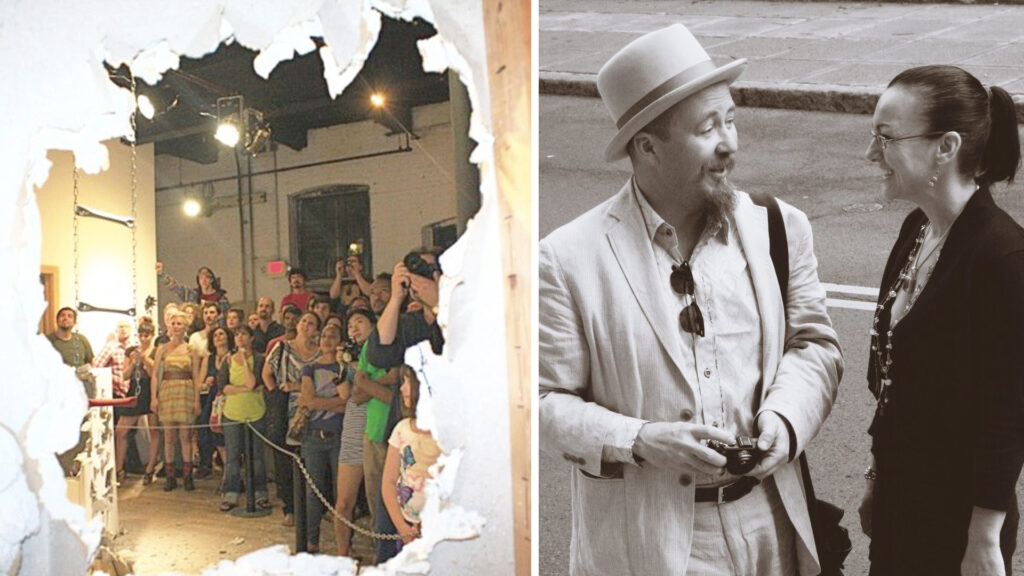
Photo: Ken Jacobie
Photos for this article were significantly mined from the collections of my favorite go to photographer at the time Robin Alexandria Kettner-Zebrowski who created a catalog of many who were on the streets in the deep scene and who without I would have been lost. Special mention to Ken Jacobie as well, who had an sharp eye on the art…and seemed to be everywhere all the time.
There is so much to plumb in this rich history. I may end up doing another article. So many voices to reach out to, images to search and best practice tips to secure!