

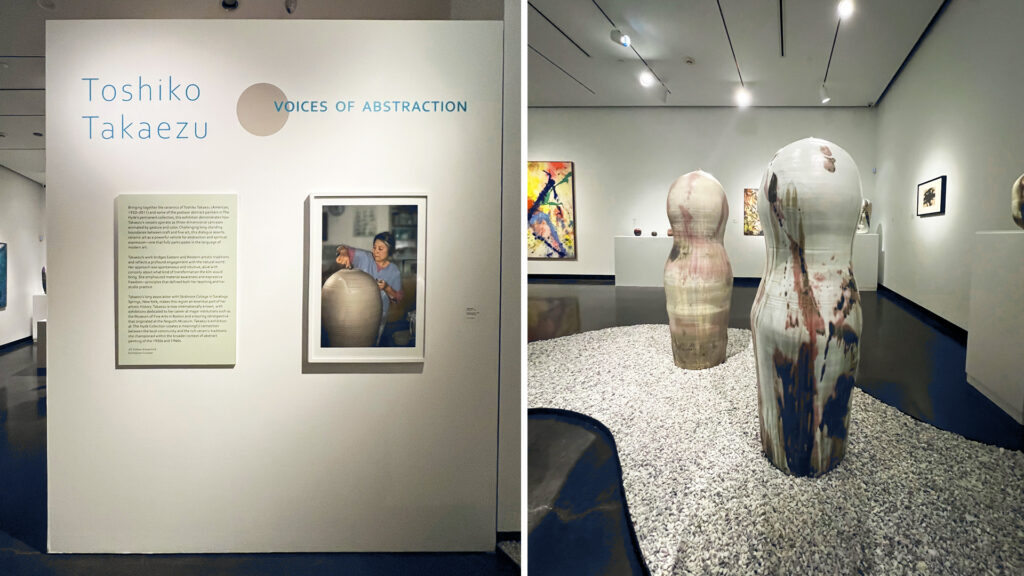
I ran into Kate Wilkins, Chief Advancement Officer and Deputy Director at The Hyde Collection recently while meeting my friend Ping Xu to check out the Tashiko Takaezu : Voices of Abstraction exhibition (Curated by of Jill Fishon-Kovachick of Saratoga Clay Arts). We had a moment to sit down and chat about the current trajectory of The Hyde Collection and overall the state of opportunity in the arts and cultural sector in the Capital Region in general. I was impressed by what she shared and the reason she has decided to invest her time and expertise in Upstate New York.

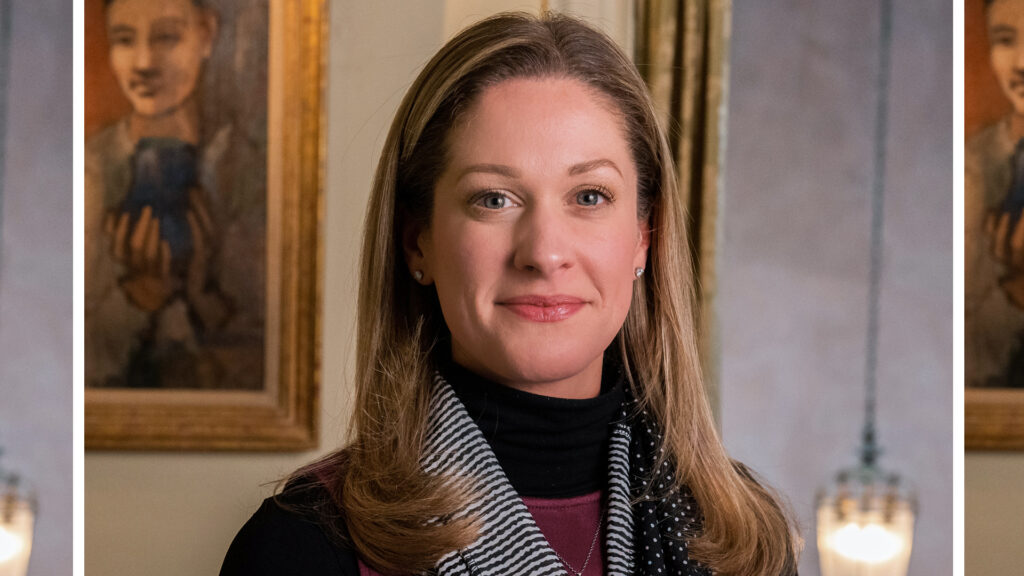
Can you please state your name and title, and organization. Can you share a bit about your educational and experiential background?
I’m Kate Wilkins, Chief Advancement Officer & Deputy Director of The Hyde Collection. My time working with The Hyde goes back to early 2021, when I joined the organization as Director of Development. Over the last five years, it has been my good fortunate—along with my colleagues in leadership—to steward the Museum into a new era, which includes an expanded emphasis on community engagement, education, and economic impact. In my current role, I oversee advancement work across fundraising, membership, sponsorship, and institutional giving, with a focus on building relationships and support that directly strengthen our programs and mission.
I hold a BFA from Alfred University (2007), and later completed a Master’s in Museum Studies along with a Graduate Certificate in Non-Profit Management from Harvard University in 2018. That combination of studio-based training and museum administration has shaped how I think about cultural work, both from the artistic side, as well as from the operational and strategic side of running museums.
Before coming to The Hyde, I was Development Director at Opera Saratoga, where I supported fundraising efforts during the early days of the pandemic. Raising funds for a summer season we weren’t sure was going to happen was a real feat! Prior to that, I served as Annual Fund Director for Proctors Collaborative, helping grow annual support across a multi-venue arts organization that includes Proctors Theater, Capital Repertory Theater, and Universal Preservation Hall (UPH). Earlier in my career, I held advancement roles at The Sembrich and the Slate Valley Museum, both of which gave me a strong foundation in small and mid-sized cultural institutions and a deep appreciation for community-facing arts work.
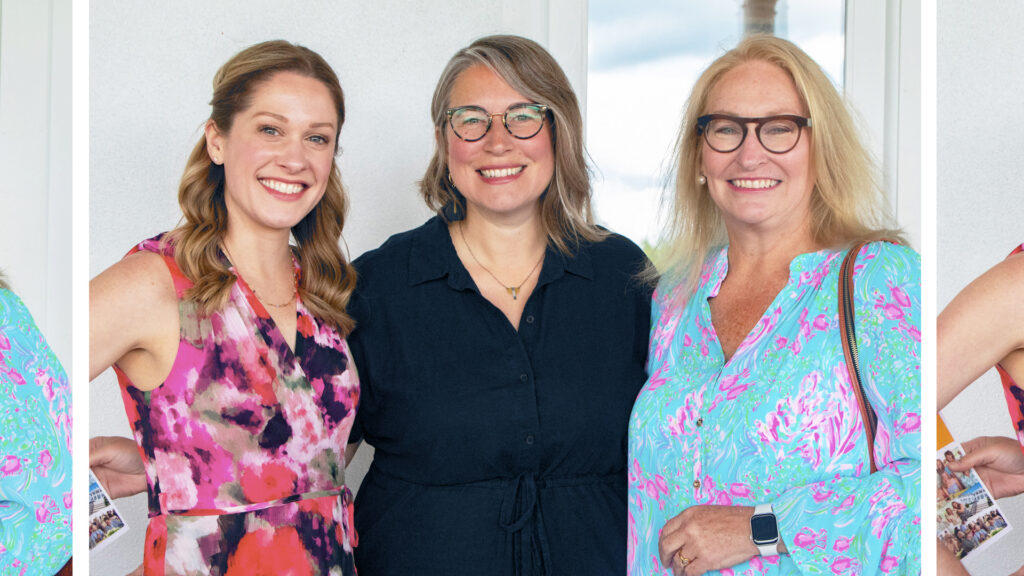
At the very beginning in my career, I briefly worked in graphic design, just long enough to realize I was more drawn to the broader ecosystem around art than to design itself. That realization led me quickly toward gallery and museum work and my first opportunity to engage with that world was at Amrose + Sable Gallery in Albany, a space many in the region will remember. The gallery was founded by Elizabeth Dubben, who is now Executive Director of Collar Works and Associate Director of the Arts Administration Program at Skidmore College.
Elizabeth and I met purely by chance, in a way that now feels very meant to be: I had been out for one of Albany’s early First Fridays with friends and ended up in the gallery that evening. After seeing her speak and experiencing the space, the following Monday, I reached out to Elizabeth to propose an internship. That conversation became the starting point of my work in the field. I spent the next two years working closely with her, gaining foundational experience in gallery operations, exhibitions, and community engagement. From there, I moved into a role in membership and collections care at The Alfred Ceramic Art Museum at Alfred University, where I began to deepen my understanding of how museums sustain relationships with artists, members, and audiences.
In 2024, during what now feels like a very full circle moment, I was invited by Elizabeth Dubben to join Skidmore College as an Assistant Lecturer in the Arts Administration Program where I mentor students on financial management, audience, engagement, and best practices in arts non-profits. I am so gratified to be part of a program like this one that mentors the next generation of arts administrators. The program itself is a shining example of how much professional development opportunities have grown to support the ambitions of arts and culture leaders in our region.
Those early experiences shaped how I approach museum work today. They grounded me in the idea that strong cultural organizations are built through relationships first, between institutions, artists, donors, students, and communities, and that the most durable support comes from consistent stewardship, trust, and a shared sense of purpose. Just as importantly, they reinforced the value of genuine grassroots energy that ultimately gives cultural work its momentum and meaning.
I find the story of how you were in the Capital Region, left and then decided to come back of great interest. Can you share that with the audience? I feel this is touching on an area that several of us have felt over time as to where we are going as a region.
My role at The Alfred Ceramic Art Museum at Alfred University brought me back to my alma mater in Western New York, and in many ways it marked the beginning of a much larger journey. As meaningful as my experience at Amrose + Sable had been, I also understood that I was still very early in my career. At that point, around 2009, the arts landscape in the Capital Region and Adirondacks looked very different than it does today. Outside of a few standout organizations and galleries, there simply weren’t as many visible pathways for long-term professional growth in the arts. What’s more, programs like the one I now teach in at Skidmore College were in their infancy or non-existent. I knew that if I wanted to eventually contribute meaningfully to institutions like The Hyde Collection, Proctors Collaborative, or others in the region, I needed to broaden both my experience and my education.
I spent two years at Alfred before life and work opportunities took me farther afield, to Cincinnati and later to the North Shore of Boston. In both places, I worked in the auction industry, which exposed me to a very different side of the art world. It was exciting and educational, and I learned a tremendous amount about collections, markets, and the business side of art. But those years also clarified something important for me: I missed the mission-driven nature of nonprofit cultural work and the sense of community that comes with it. That realization ultimately led me back toward museums and public-facing arts organizations.
Photo : Rob Spring Photography
I began work on my graduate studies at Harvard University in 2014, pursuing museum studies and nonprofit management at a time when I was also paying close attention to what was happening back home in upstate New York. Even from a distance, I could see that the arts economy in the Capital and Adirondack regions was evolving in exciting ways. Organizations were becoming more ambitious, more collaborative, and more interconnected. People I had known during my Amrose + Sable days were helping shape a growing cultural ecosystem through places like Saratoga Arts, The Laffer Gallery, and the Tang Teaching Museum at Skidmore College, just to name a few. At the same time, organizations like The Sembrich, Opera Saratoga, and the Slate Valley Museum were expanding their visibility and impact in meaningful ways.
By the time I made the decision to return in 2016, it felt less like “coming back” and more like returning to a region that had matured alongside me professionally. One of the most striking differences I noticed was the shift in mindset across the arts sector. When I left in 2009, there was often an underlying sense of competition among organizations—for audiences, funding, and visibility. When I returned, there was a growing understanding that the region’s strength actually came from collaboration, a sense of shared purpose, and a vision for the region as a multi-disciplinary arts destination. As an example of this, Proctors had evolved into Proctors Collaborative with a vision centered on partnership across communities and disciplines, and many organizations were beginning to see themselves not as isolated institutions, but as part of a larger regional cultural identity.
Then, despite all odds, the pandemic accelerated that spirit of collaboration even further. Arts organizations had to rely on one another in new ways, share resources and ideas, and think collectively about audience engagement and sustainability. I think that period reinforced something many of us already believed: that the future of the arts in this region depends not only on strong individual organizations, but on a shared commitment to supporting one another and building a vibrant cultural ecosystem together.
You had a fellow non-profit fundraiser in your social circle once tell you that you should leave the arts…that there was not a sustainable future in this sector. What did you see that they did not and what kept you focused on staying true to your intuition?
Unfortunately, my time at Proctors Collaborative was cut short by the pandemic. I am so grateful that during that very strange time, Proctors left the door open for both employees and audiences to return when it was safe. At the same time, no one knew when that might be, and I’m not very good at sitting still or not working, so I went after new opportunities as quickly as I could. I consulted as many folks in my network as possible, polling them for advice, connections, and suggestions.
During one conversation with another nonprofit fundraiser, it was suggested that if I wanted long-term stability in development work, it might be wise to pivot away from the arts entirely. Under the circumstances, it was understandable advice. The sector was facing enormous uncertainty, and many organizations were struggling simply to stay afloat. But it was also advice I eschewed almost immediately.

By that point, I had already seen the extraordinary sense of camaraderie, creativity, and collaboration that existed within the arts community across the Capital and Adirondack regions. I didn’t believe that momentum would simply disappear in a crisis. If anything, I felt certain the opposite would happen; that arts organizations, artists, and cultural leaders would find ways to rebuild together, support one another, and reimagine what was possible. What I know to be true is that artists across all disciplines are driven, hungry to succeed (I could make a Hamilton joke here, but I won’t!), and motivated by an undeniable need to create, especially when faced with adversity. And ultimately, that’s exactly what happened.
I think part of my conviction came from the fact that my professional connection to the arts is also deeply personal. I grew up as both a visual artist and a dancer, and throughout my career I’ve had the opportunity to work with museums, theater companies, music organizations, and institutions that directly support working artists. Because of that, I’ve always understood arts organizations not just as a place to work, and produce or present great art, but as essential community spaces. Our arts organizations offer places for people to gather, find meaning, express identity, and build connection. That belief made it impossible for me to walk away from the field, even during one of its most difficult moments.
As luck and opportunity would have it, the pandemic ultimately led me to my role with Opera Saratoga in 2020 and then to The Hyde Collection in 2021. When I moved back to the region in 2018, The Hyde was at the very top of my personal “workplace wish list,” so joining the organization a few years later felt both exciting and deeply meaningful.
What’s been especially rewarding since then is seeing just how interconnected the regional arts community has become. The Hyde has partnered with all of the organizations I’ve mentioned in this conversation, and then some, to create enriching, multidisciplinary experiences for our shared audiences and supporters.
You have a strong sense of the value attached to business training for folks working in the arts. Can you explain why you feel this is important and address the question of how that can and should impact the mission of an arts and cultural organization?
I think one of the biggest misconceptions about arts organizations is that mission and business strategy somehow exist in opposition to one another. In reality, the strongest arts organizations are usually the ones that understand how deeply connected those things are. Good business practices don’t diminish mission-driven work. Rather, they create the stability and infrastructure that allow the mission to grow and endure.
Early in my career, I worked in very small organizations where everyone wore multiple hats and financial realities shaped nearly every decision. I also saw firsthand what can happen when extraordinary artistic vision outpaces organizational infrastructure or business acumen. Even the most exciting creative ideas need sustainable systems, sound financial planning, and strong operational leadership behind them in order to truly succeed and endure. As a result and later on through my graduate work in museum studies and non-profit management, I began thinking more intentionally about how governance, fundraising, audience development, financial management, and strategic planning all directly affect an institution’s ability to serve artists and communities well.
On the one hand, arts organizations can be emotionally charged, highly creative spaces, but they are also complex organizations with staff, budgets, facilities, collections, educational responsibilities, and long-term obligations to the public. If those operational pieces are not healthy and sustainable, even the most inspiring artistic vision can struggle to survive. I think business training gives arts leaders the tools to think proactively instead of reactively, and to build institutions that are resilient enough to support ambitious programming, invest in staff, care for collections, and remain accessible to their communities over time.
At the same time, I think it’s important that business strategy in the arts remains mission-centered. That’s also why I care so much about stewardship and relationship building in advancement work. Sustainable support for the arts doesn’t come only from financial transactions; it comes from people feeling genuinely connected to an institution’s purpose and believing they are part of something meaningful. In that sense, good business practice in the arts is really about sustainability, trust, and community responsibility as much as it is about revenue or operations.
You are part of a growing and recognizable movement in the Capital Region of younger, highly experienced women who are taking leadership roles in our major arts and cultural institutions. Why do you think that is happening now and how do you see that ultimately influencing / impacting our communities across the region?
I think there are a few things contributing to that shift: One is that many arts and cultural organizations across the Capital and Adirondack regions have spent the last decade evolving in really meaningful ways. Institutions have become more collaborative, more community-centered, and more open to new models of leadership. As organizations have worked to better reflect the communities they serve, there’s also been a growing openness to newer and more diverse perspectives at the leadership level. I think one result of that evolution is that more women are stepping into highly visible leadership roles across the region’s cultural sector.
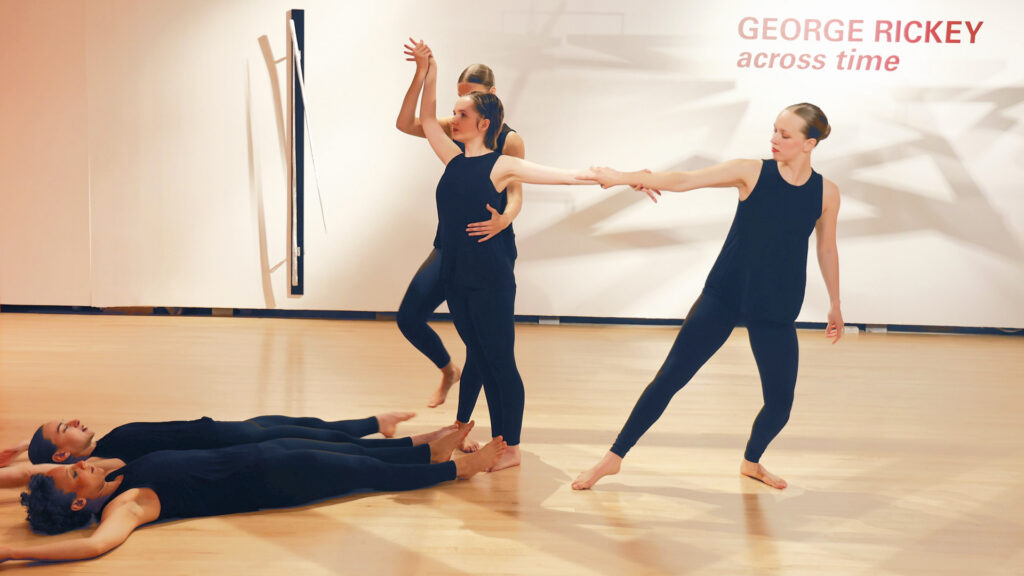
The Hyde Collection is certainly an example of that shift. With the exception of our CEO, John Lefner, the Museum’s senior leadership team representing advancement, curatorial and collections care, and education are all women, and our Board of Trustees is also predominantly female. I think that leadership dynamic has contributed to a culture that is highly collaborative, mission-focused, and community-oriented, while also bringing a wide range of perspectives into institutional decision making.
I also think there’s been a growing recognition that leadership in the arts requires a very broad and adaptable skill set. Today’s cultural leaders are expected to think strategically about fundraising, education, audience engagement, economic impact, accessibility, partnerships, marketing, and long-term sustainability, often all at once. Many women in the field have built careers navigating exactly those topics simultaneously.
It’s worth noting, too, that many of us came up through the region’s arts network together. We’ve worked across museums, theaters, galleries, artist-run spaces, nonprofits, and educational institutions. We know one another, we collaborate naturally, and there’s often a shared understanding that the success of one organization can positively impact the entire regional cultural landscape. That mindset feels very different from the more siloed environment that existed when I was first entering the field.
SHAMLESS PLUG: Any programmatic initiatives or projects that you would like to share with us?
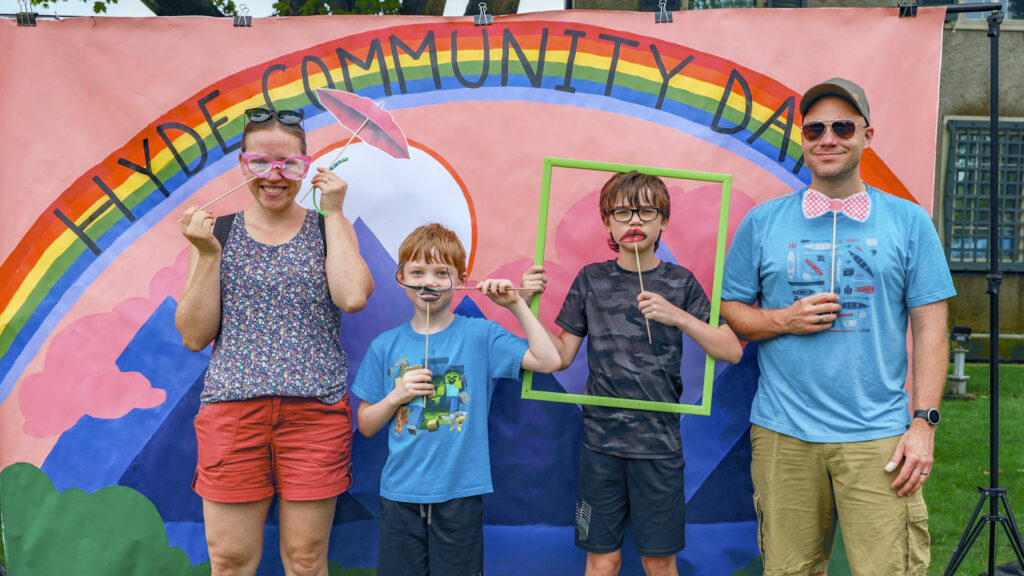
I’m excited to share news of our always popular upcoming Community Day on Sunday, August 2 at The Hyde Collection. It will be a full day of music, food, free museum admission, tours, and family-friendly activities designed to welcome audiences of all ages into the Museum.
On Monday, July 20 we are also looking forward to our Hyde Summer Luncheon at the Sagamore Resort on Shelving Rock Terrace. This signature fundraising event brings together supporters, community leaders, and friends of The Hyde for an afternoon that celebrates the Museum’s mission while raising critical support for our exhibitions, education programs, and community initiatives. It remains one of our most important and well-attended gatherings of the year, and a meaningful moment to reflect on the impact of the work we do together.
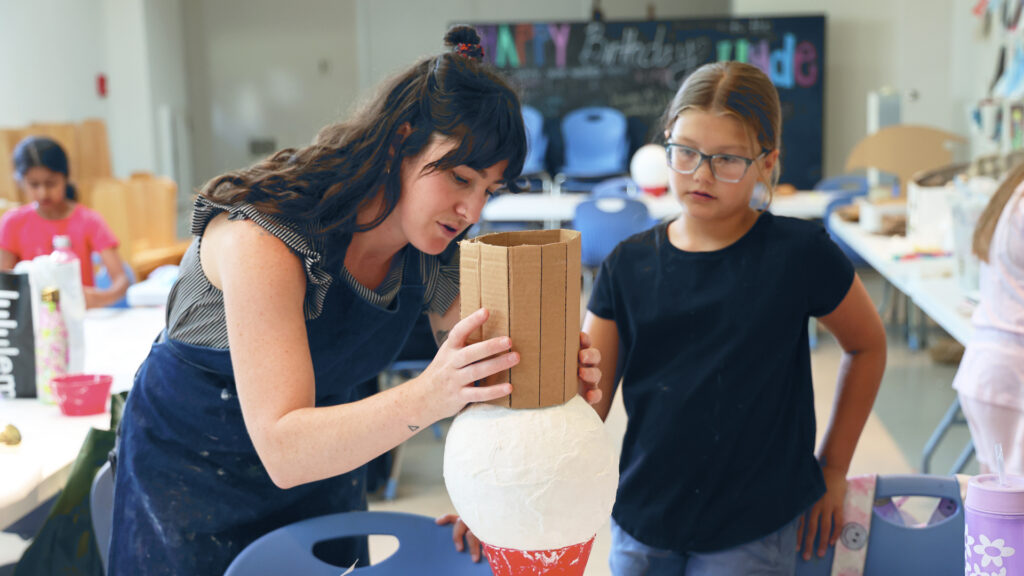
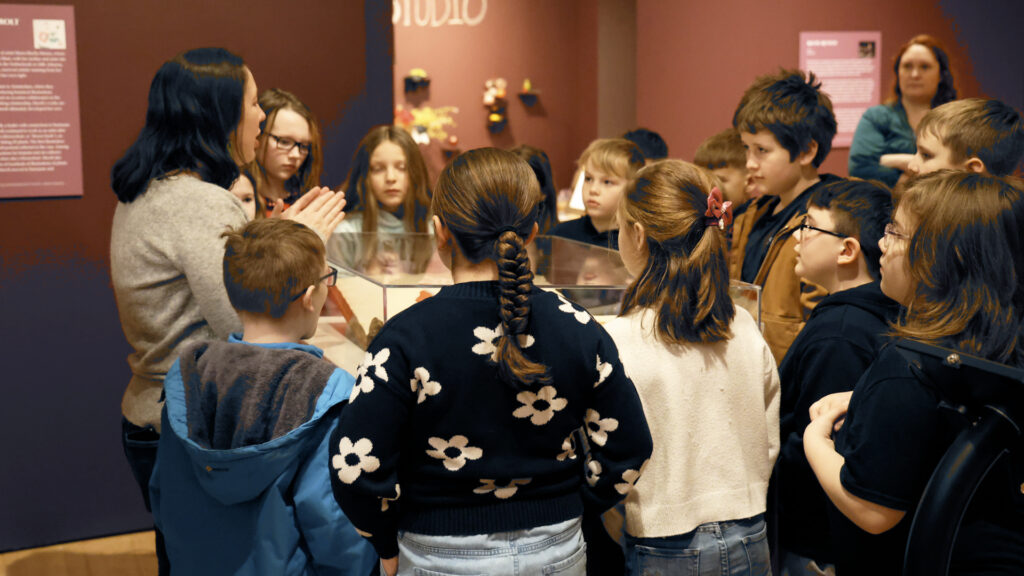
More broadly, The Hyde is in the midst of a real expansion of our educational mission. In 2025 alone, we worked with more than 6,000 program participants across youth and adult programs, reflecting a significant increase in both reach and engagement. A particularly meaningful example of this growth is Hyde & Seek, a program developed in partnership with AIM Services and Community Work Independence (CWI), which provides inclusive, accessible arts experiences for individuals with intellectual and developmental disabilities. What began just three years ago with three participants has grown to more than 20 participants per session, with an additional waiting list of over 20 individuals eager to join future programming.
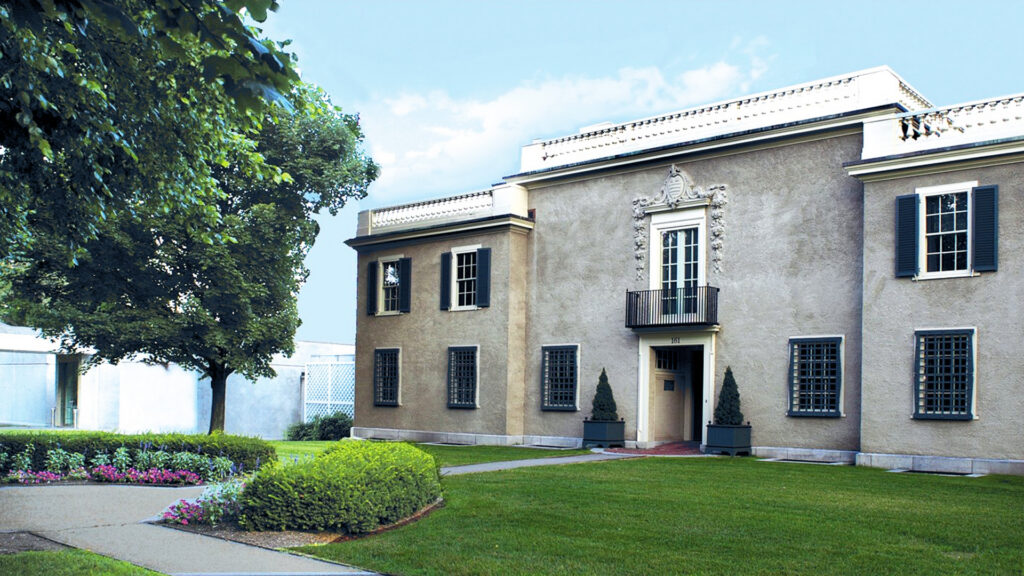
It is momentum like this has directly informed our Reimagine Project. The first phase focuses on the adaptive reuse of the historic Hoopes House as The Hyde Center for Arts Education, a dedicated space designed to expand our capacity for inclusive, accessible, and mission-driven educational programming.
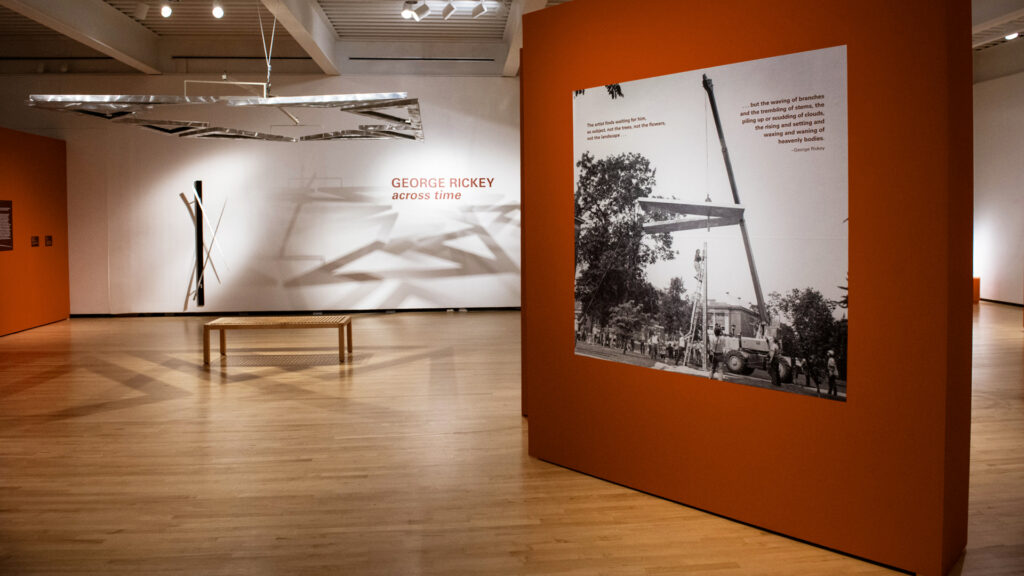
Bringing it back to the galleries, we have a strong lineup of exhibitions opening this year that continue to reflect the range and ambition of our programmatic vision at The Hyde Collection. This summer, we will open Wings & Wilderness (June 6–October 11), followed by Tanya Marcuse: Book of Miracles (August 22–January 10, 2027) and Form and Function: The Beauty of Shaker Design (August 22–January 10, 2027). As the year concludes, we will present Scandinavian Home (November 7–February 28, 2027).
We hope you’ll join us at the Museum soon, whether for a program, a community event, or simply an inspirational afternoon in the galleries. There’s a lot happening at The Hyde!
WEB: hydecollection.com | Instagram: @hydecollection